.webp)
Zoysia Grass in Florida: What Central Florida Homeowners Need to Know

Zoysia grass in Florida has become an increasingly popular choice for homeowners seeking a durable, attractive lawn that can handle Central Florida's intense summer heat and dry seasons. This warm-season grass offers several advantages over traditional St. Augustine varieties, but it's not the right fit for every property or landscape situation.
From Clermont to Davenport and Haines City, more homeowners are considering zoysia for its slower growth rate, drought tolerance, and dense texture. However, successful zoysia lawns require understanding the specific varieties available, proper establishment techniques, and ongoing maintenance requirements that differ significantly from other Florida grass types.
Popular Zoysia Grass Varieties for Central Florida
Four main zoysia varieties perform well in Central Florida's climate, each with distinct characteristics that affect their suitability for different landscape situations.
Empire Zoysia stands out as the most widely available variety in Central Florida. This cultivar produces a dense, fine-textured lawn with excellent heat and drought tolerance. Empire zoysia maintains its green color longer into fall and recovers quickly from winter dormancy. It requires full sun exposure and struggles in areas with more than 4-6 hours of shade daily.
Emerald Zoysia offers the finest texture among commonly available varieties, creating an almost carpet-like appearance when properly maintained. This variety shows better shade tolerance than Empire but grows more slowly and requires more precise mowing height management. Emerald zoysia performs best in areas with morning sun and afternoon protection from intense heat.
Zeon Zoysia represents a newer development designed specifically for improved shade tolerance and faster establishment. This variety maintains good density in partial shade conditions while still providing the drought tolerance zoysia is known for. Zeon typically costs more than Empire but establishes more quickly after installation.
Palisades Zoysia features a coarser texture but exceptional durability for high-traffic areas. This variety works well for families with children or pets, as it recovers quickly from foot traffic and maintains density under stress. Palisades requires full sun and shows excellent heat tolerance during Central Florida summers.
Why Central Florida Homeowners Choose Zoysia
Several factors make zoysia grass attractive for Central Florida properties, particularly those in HOA communities where consistent appearance matters.
Summer Drought Tolerance: Zoysia's deep root system and efficient water use make it ideal for Central Florida's dry season. While St. Augustine grass often requires irrigation 2-3 times per week during dry periods, established zoysia can maintain acceptable appearance with less frequent watering.
Slower Growth Rate: Most zoysia varieties grow 30-40% slower than St. Augustine grass, reducing mowing frequency during peak growing season. This translates to lower maintenance costs and less disruption for busy homeowners. During summer months, weekly mowing often becomes bi-weekly with zoysia.
Dense Traffic Tolerance: The thick growth pattern of zoysia creates a durable surface that handles foot traffic better than many other warm-season grasses. This makes it particularly suitable for families with active outdoor lifestyles or properties with heavy use patterns.
Consistent Appearance: Zoysia maintains uniform color and texture across the lawn when properly established, meeting the aesthetic standards required by many HOA communities in Central Florida. Its natural density reduces weed invasion compared to less dense grass varieties.
Understanding Zoysia's Limitations in Florida
Despite its advantages, zoysia grass presents specific challenges that homeowners must consider before installation.
Slower Establishment Time: New zoysia sod typically requires 6-8 weeks for full root establishment, compared to 3-4 weeks for St. Augustine. During this period, the lawn remains vulnerable to stress and requires careful irrigation management. Complete coverage of bare spots can take an entire growing season.
Full Sun Requirements: Most zoysia varieties struggle in areas receiving less than 6 hours of direct sunlight daily. Properties with large trees, north-facing slopes, or extensive building shadows may not provide suitable growing conditions for zoysia grass.
Higher Initial Cost: Zoysia sod typically costs 20-30% more than St. Augustine varieties due to slower production rates and higher demand. The initial investment can be significant for larger properties, though lower maintenance costs often offset this over time.
Winter Dormancy Appearance: Zoysia enters dormancy earlier and stays brown longer than St. Augustine in Central Florida. While it rarely freezes completely, the grass can appear less attractive during winter months, particularly in areas with cold air drainage.
Zoysia vs. St. Augustine: Central Florida Comparison
FactorZoysia GrassSt. Augustine GrassDrought ToleranceExcellentModerateShade TolerancePoor to ModerateGoodGrowth RateSlowFastEstablishment Time6-8 weeks3-4 weeksMowing FrequencyBi-weekly in summerWeekly in summerTraffic ToleranceExcellentGoodInitial Sod CostHigherLowerWinter ColorBrown dormancyStays green longer
Proper Zoysia Maintenance for Central Florida
Successful zoysia lawns require specific maintenance practices that differ from other grass types commonly used in Central Florida.
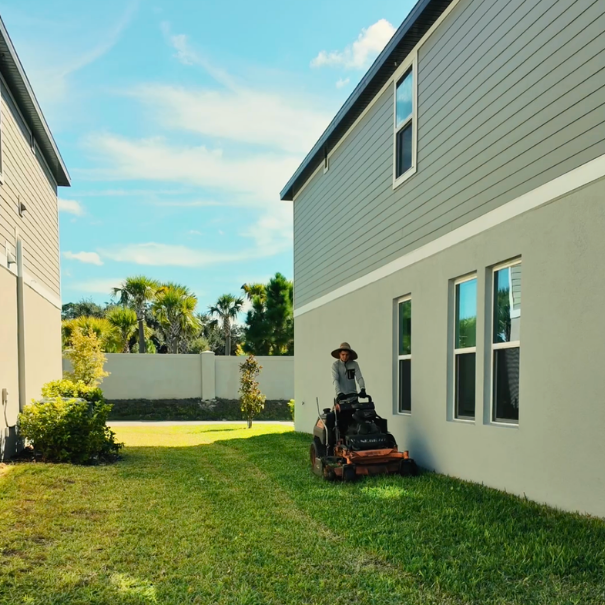
Mowing Height and Frequency: Empire zoysia performs best when maintained at 1-2 inches, while Emerald varieties prefer 1.5-2.5 inches. Never remove more than one-third of the blade length in a single mowing. Sharp mower blades are essential, as dull blades create brown tips and increase disease susceptibility.
Fertilization Schedule: Zoysia requires less frequent fertilization than St. Augustine grass. Apply balanced fertilizer 2-3 times per year during active growing season, typically in early spring, mid-summer, and early fall. Over-fertilization can lead to excessive thatch buildup and increased pest problems.
Irrigation Management: Deep, infrequent watering encourages proper root development in zoysia. Water 1-2 times per week, applying 0.5-0.75 inches each session. Early morning irrigation reduces disease pressure and maximizes water efficiency during Central Florida's hot summers.
Seasonal Care: Spring renovation may include light dethatching and overseeding thin areas. Fall preparation involves reducing fertilization and adjusting mowing height slightly higher to prepare for winter dormancy. Winter care focuses on avoiding traffic on dormant grass to prevent damage.
Professional lawn maintenance services can help homeowners establish proper care routines and identify potential problems before they become serious issues.
Zoysia Installation and Establishment Timeline
Proper installation timing and techniques significantly impact long-term zoysia performance in Central Florida.
Best Installation Timing: Install zoysia sod between April and July for optimal establishment before winter dormancy. Late summer installation can succeed but requires careful irrigation management through the dry season. Avoid installation during winter months when grass growth slows significantly.
Soil Preparation: Central Florida's sandy soils often benefit from organic matter incorporation before zoysia installation. Test soil pH and adjust if necessary, as zoysia prefers slightly acidic to neutral conditions (pH 6.0-7.0). Proper grading ensures adequate drainage while preventing water pooling.
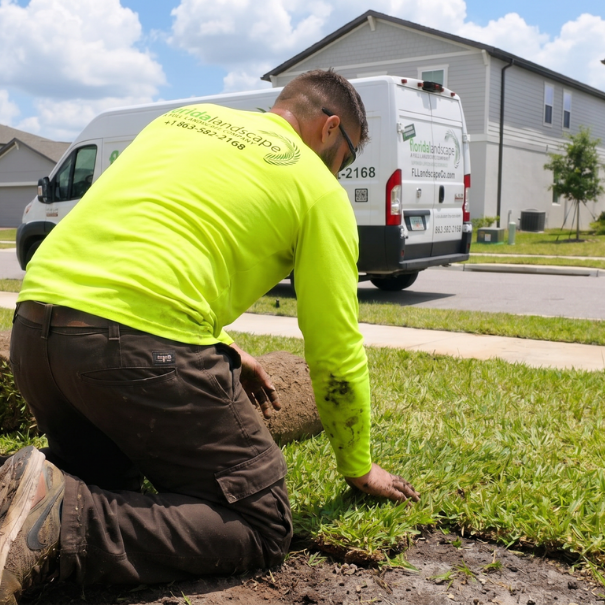
Establishment Care: Newly installed zoysia requires daily light watering for the first 2 weeks, then transition to deeper, less frequent irrigation. Avoid foot traffic during the first 4-6 weeks while roots establish. First mowing should occur when grass reaches 3-4 inches in height, removing only the top one-third.
Full Maturity Timeline: Zoysia typically reaches full density and coverage within one growing season under proper care. However, complete maturation and maximum drought tolerance may take 18-24 months after installation. Patience during establishment pays dividends in long-term performance.
For more information about grass variety selection, visit our comprehensive Florida grass types guide to compare all options suitable for Central Florida conditions.
Regional Considerations for Central Florida Properties
Location-specific factors influence zoysia performance across Central Florida's diverse communities and microclimates.
Lake County Areas: Properties around Clermont and surrounding lake areas often benefit from zoysia's drought tolerance during extended dry periods. The rolling terrain and well-drained soils common in this region provide ideal growing conditions for most zoysia varieties.
Polk County Locations: Haines City and surrounding areas experience slightly cooler winter temperatures that can extend zoysia dormancy periods. However, the excellent drainage characteristics of local soils offset this concern for most installations.
HOA Community Requirements: Many HOA communities in Four Corners, Horizon West, and similar developments appreciate zoysia's consistent appearance and reduced maintenance requirements. Check specific landscape guidelines before installation, as some associations have approved plant lists or maintenance standards that affect grass selection.
Irrigation System Compatibility: Existing irrigation systems may require adjustment for zoysia's different water requirements. Zone programming should account for longer, less frequent watering cycles compared to St. Augustine schedules. Professional irrigation evaluation ensures optimal water distribution for zoysia establishment and long-term health.
According to the University of Florida IFAS Extension, proper grass selection based on site conditions and maintenance preferences significantly impacts long-term landscape success and homeowner satisfaction.
Common Zoysia Problems and Solutions
Understanding potential issues helps homeowners maintain healthy zoysia lawns throughout Central Florida's challenging growing conditions.
Thatch Buildup: Zoysia's dense growth pattern can lead to excessive thatch accumulation over time. Annual core aeration and occasional dethatching help maintain proper soil-to-grass contact. Monitor thatch layers and address buildup before it exceeds 0.5 inches.
Brown Patch Disease: High humidity and warm nighttime temperatures can promote brown patch fungal infections. Improve air circulation, avoid late-day irrigation, and ensure proper spacing between landscape plants. Fungicide applications may be necessary during severe outbreaks.
Chinch Bug Damage: These small insects can cause significant damage to zoysia lawns, particularly during hot, dry periods. Regular inspection and early intervention prevent widespread infestations. Beneficial insects and targeted treatments provide effective control options.
Scalping Damage: Zoysia's low growth habit makes it susceptible to scalping from mowers set too low or uneven terrain. Maintain proper mowing height and consider terrain modifications for severely uneven areas. Scalped areas recover slowly and may require reseeding.
The EPA's Safe Pesticide Control guidelines provide valuable information about integrated pest management approaches that protect both lawn health and environmental quality.
Is Zoysia Right for Your Central Florida Property?
Choosing the right grass variety depends on your specific property conditions, maintenance preferences, and aesthetic goals. Zoysia excels in full-sun locations with well-drained soils and homeowners who appreciate lower maintenance requirements once established.
Consider zoysia if your property receives 6+ hours of direct sunlight, you prefer reduced mowing frequency, and you're willing to invest in higher initial installation costs for long-term benefits. Properties with extensive shade, immediate establishment needs, or budget constraints for premium sod may be better served by other grass varieties.
Professional consultation helps evaluate site-specific factors and provides realistic expectations for zoysia performance on your property. Our team has extensive experience with zoysia installations across Central Florida and can provide detailed assessments of your landscape conditions. Call (863) 582-2168 or visit our contact page to schedule a comprehensive sod installation consultation.

Get your free quote and expert advice today.
Ready to transform your garden? Get in touch with our expert team today for a free consultation and personalized plan.



Zoysia Grass in Central Florida: Frequently Asked Questions
How long does zoysia grass take to establish in Florida?

Zoysia sod requires 6-8 weeks for root establishment in Central Florida, with full maturity taking one complete growing season. Proper irrigation and care during establishment significantly impact long-term performance.
Does zoysia grass grow in shade in Central Florida?
Most zoysia varieties require 6+ hours of direct sunlight daily and struggle in heavy shade. Zeon zoysia shows better shade tolerance than Empire or Emerald varieties but still needs morning sun exposure.
What is the best zoysia grass for Central Florida heat?
Empire and Palisades zoysia varieties show excellent heat tolerance and perform well during Central Florida summers. Both varieties maintain good color and density during extended hot, dry periods.
How often should I water zoysia grass in Florida?
Established zoysia typically needs watering 1-2 times per week during dry periods, applying 0.5-0.75 inches per session. Newly installed sod requires daily light watering for the first two weeks.
Is zoysia grass worth the cost in Central Florida?
Zoysia's higher initial cost is often offset by reduced maintenance requirements, lower water usage, and excellent durability. Properties with full sun exposure and homeowners seeking low-maintenance lawns typically find zoysia cost-effective long-term.

