.webp)
Florida Grass Types: A Complete Guide to Choosing the Right Turf
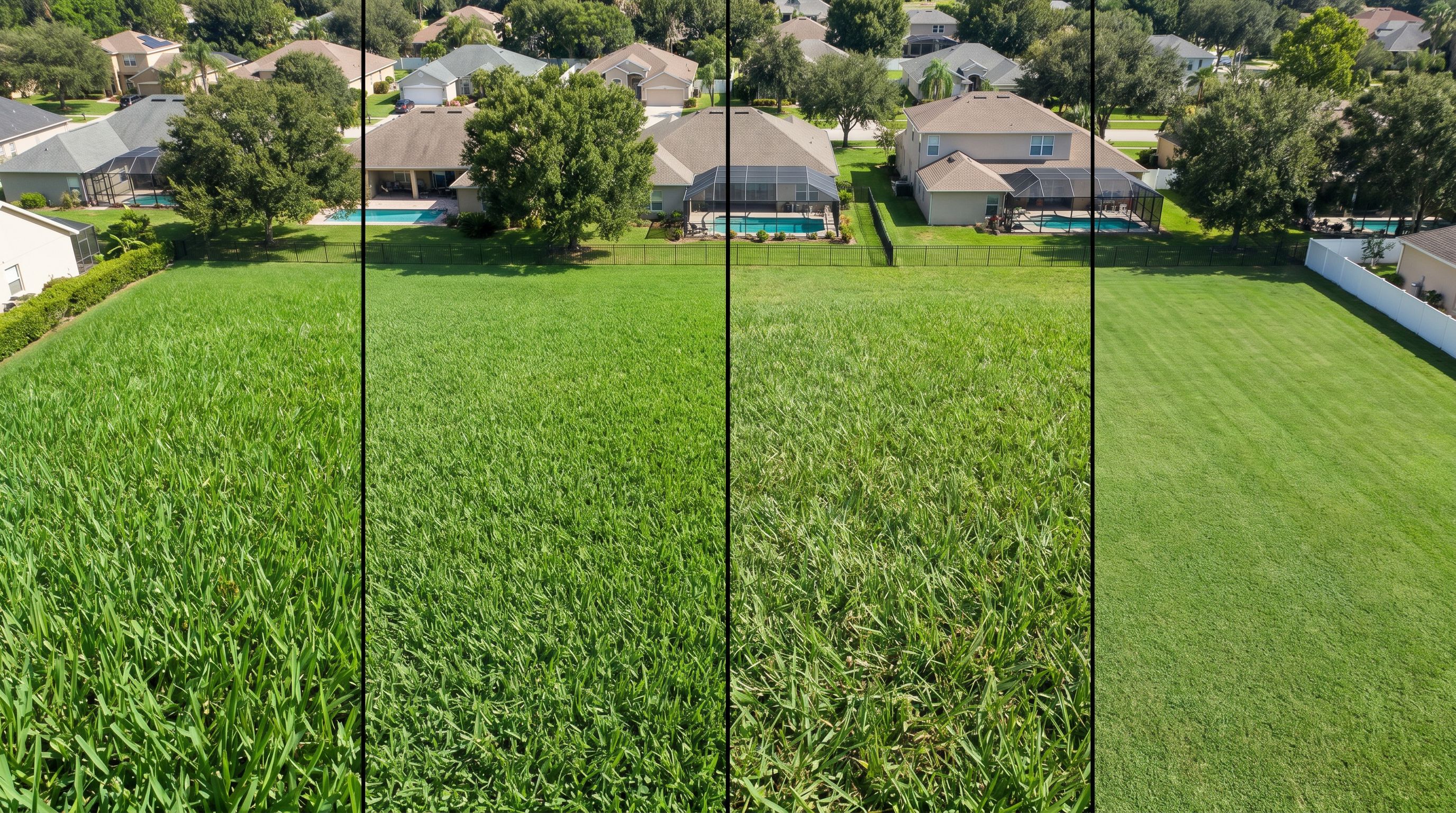
Florida grass types vary dramatically in their ability to handle Central Florida's unique climate challenges, from sandy soil and intense summer heat to the dramatic shift between rainy and dry seasons. Choosing the wrong grass variety can lead to thin, patchy lawns that struggle through drought periods or become overwhelmed by excess moisture during summer storms.
Central Florida's landscape differs significantly from other regions — even other parts of Florida. The sandy soil drains quickly, which creates both drought stress and nutrient leaching challenges. Summer temperatures regularly exceed 90°F with humidity levels that stress cool-season grasses, while winter rarely drops below freezing. The rainy season from June through September delivers heavy downpours followed by weeks of dry conditions.
Understanding these conditions helps homeowners make informed decisions about grass selection. The four primary warm-season grass types that thrive in Central Florida each offer distinct advantages and maintenance requirements. Some excel in shaded areas under oak canopies, while others handle heavy foot traffic from active families or provide the manicured appearance HOAs prefer.
St. Augustine Grass: The Shade-Tolerant Favorite
St. Augustine grass dominates Central Florida landscapes because of its exceptional shade tolerance and aggressive growth habit. This broad-leafed grass creates dense, carpet-like coverage that crowds out weeds naturally. The grass spreads through above-ground runners called stolons, allowing it to fill in bare spots relatively quickly.
Two primary varieties perform well in the region. Floratam offers superior chinch bug resistance and handles full sun conditions effectively, making it ideal for open lawns. Palmetto provides better shade tolerance and finer texture, working well under tree canopies and in mixed sun-shade environments.
Advantages: Excellent shade tolerance (down to 60% shade), rapid establishment, natural weed suppression through dense growth, good salt tolerance for properties near lakes.
Disadvantages: High water requirements during dry periods, susceptible to chinch bugs (especially non-Floratam varieties), requires frequent mowing during growing season, poor traffic tolerance.
St. Augustine performs best with morning sun and afternoon shade. Properties with mature oak trees or homes positioned to create natural shade patterns often see excellent results. The grass requires consistent moisture but struggles with standing water, making proper drainage essential in Central Florida's sandy soils.
Zoysia Grass: The Traffic-Tough Option
Zoysia grass offers the best combination of drought tolerance and traffic resistance among Central Florida grass types. This dense, fine-textured grass develops a thick mat that handles foot traffic, pet activity, and children's play without showing significant wear patterns. The grass enters dormancy during cooler months, turning brown but maintaining its structural integrity.
Empire Zoysia provides faster establishment and better cold tolerance, while Emerald Zoysia offers finer texture and deeper green color during active growth. Both varieties require less frequent watering once established compared to St. Augustine, making them attractive for homeowners concerned about irrigation costs.
Advantages: Excellent drought tolerance, superior traffic resistance, fewer pest problems, lower maintenance requirements once established, good heat tolerance.
Disadvantages: Slow establishment (6-12 months for full coverage), poor shade tolerance, brown dormancy period in winter, higher initial sod costs.
Zoysia excels in full sun locations with active use. Families with children, pet owners, and properties that host outdoor gatherings benefit from its durability. The grass requires patience during establishment but rewards homeowners with reduced long-term maintenance needs.
Bahia Grass: The Low-Maintenance Solution
Bahia grass thrives in Central Florida's challenging conditions with minimal intervention. This deep-rooted grass handles drought, poor soil, and neglect better than other common varieties. The extensive root system, which can extend 6-8 feet deep, allows Bahia to access moisture and nutrients other grasses cannot reach in sandy soils.
Argentine Bahia offers finer texture and denser growth, while Pensacola Bahia provides superior cold tolerance and faster establishment. Both varieties produce distinctive seed heads that require regular mowing to maintain appearance, but the grass continues growing even when water and fertility inputs are limited.
Advantages: Exceptional drought tolerance, minimal fertilizer requirements, good traffic tolerance, handles poor soil conditions, low establishment costs.
Disadvantages: Coarse texture, frequent seed head production, slower green-up in spring, limited shade tolerance, less manicured appearance.
Bahia works well for large properties, rental homes, and areas where minimal maintenance is preferred. Rural properties, vacation homes, and homeowners who prioritize function over appearance often choose Bahia for its reliability and low input requirements. Our Bahia grass care guide provides specific maintenance recommendations for Central Florida conditions.
Bermuda Grass: The Athletic Field Standard
Bermuda grass delivers the finest texture and most manicured appearance among warm-season options, but requires full sun and intensive management. This aggressive spreader recovers quickly from damage and maintains dense coverage under proper care. The grass spreads through both stolons and underground rhizomes, creating extremely dense turf.
Common Bermuda establishes quickly from seed but lacks the refined appearance of hybrid varieties. Hybrid Bermudas like Tifway 419 provide superior density and color but must be planted from sod or sprigs. All Bermuda varieties require consistent fertility and irrigation to maintain their potential.
Advantages: Excellent traffic tolerance, fine texture, rapid recovery, good heat tolerance, professional appearance when maintained properly.
Disadvantages: Requires full sun, high maintenance requirements, aggressive spreading into beds and neighboring areas, brown winter dormancy, frequent fertilization needs.
Bermuda suits commercial properties, HOA common areas, and homeowners who prioritize appearance over maintenance convenience. The grass requires professional-level care to reach its potential, including regular fertilization, frequent mowing, and consistent irrigation.
Central Florida Grass Comparison
Grass TypeShade ToleranceDrought ResistanceTraffic ToleranceMowing HeightMaintenance LevelSod Cost RangeSt. AugustineExcellentModeratePoor3-4 inchesModerate-High$0.35-0.50/sq ftZoysiaPoorExcellentExcellent1-2 inchesLow-Moderate$0.55-0.75/sq ftBahiaPoorExcellentGood3-4 inchesLow$0.25-0.35/sq ftBermudaNoneGoodExcellent0.5-1.5 inchesHigh$0.40-0.60/sq ft
Soil and Climate Considerations for Florida Grass Types
Central Florida's sandy soil creates unique challenges that influence grass selection and management. The fast-draining nature of sand means nutrients leach quickly during the rainy season, while drought stress develops rapidly during dry periods. This combination requires grass varieties that can handle both extremes effectively.
Summer heat regularly exceeds 95°F with humidity levels above 80%, creating stress conditions that cool-season grasses cannot tolerate. The rainy season delivers 25-30 inches of rainfall between June and September, followed by dry conditions from October through May. Grass selection must account for these dramatic seasonal variations.
Important: Soil pH in Central Florida typically ranges from 6.0-7.5, which suits most warm-season grasses but may require lime applications for optimal growth. A soil test through the University of Florida IFAS Extension provides specific recommendations for pH adjustment and fertility management.
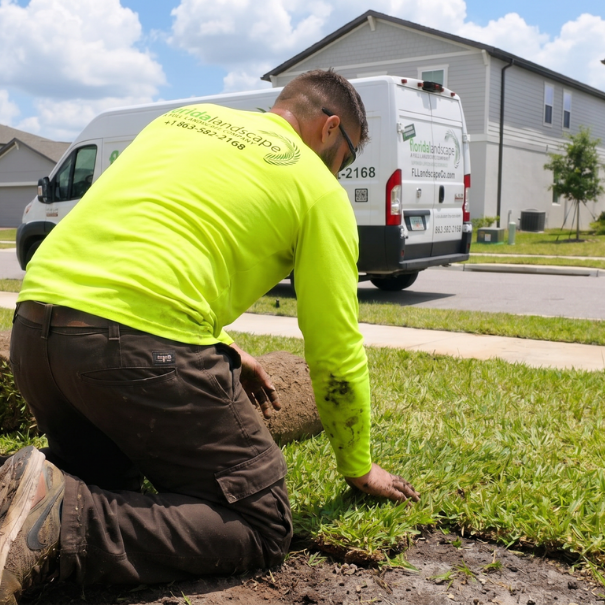
Proper soil preparation significantly impacts grass establishment and long-term performance. Adding organic matter improves water retention in sandy soils while providing slow-release nutrients. Professional sod installation includes soil preparation steps that improve grass performance throughout the establishment period and beyond.
Choosing the Right Grass for Your Property
Property-specific factors determine which grass type will perform best in your landscape. Sun exposure, intended use, maintenance preferences, and budget all influence the decision. Matching grass characteristics to site conditions prevents future problems and reduces long-term maintenance requirements.
Choose St. Augustine if: Your property has significant shade from trees or structures, you prefer dense coverage that suppresses weeds naturally, and you're willing to provide consistent irrigation during dry periods.
Choose Zoysia if: You have full sun exposure, need traffic-tolerant grass for active families or pets, want lower long-term maintenance requirements, and can invest in higher initial establishment costs.
Choose Bahia if: You prioritize low maintenance over appearance, have large areas to cover economically, prefer drought tolerance over consistent green color, and don't mind coarser texture.
Choose Bermuda if: You want the finest appearance, have full sun exposure, can commit to intensive maintenance requirements, and prefer rapid establishment and recovery.
HOA properties often favor Zoysia or Bermuda for their uniform appearance and traffic tolerance. Commercial properties typically choose based on maintenance budget and appearance requirements. Residential properties benefit from considering shade patterns, family use, and long-term care preferences.
Establishment and Long-Term Care
Successful grass establishment requires timing installation with favorable weather conditions and providing proper post-installation care. In Central Florida, optimal installation windows occur during late spring through early summer when temperatures support rapid root development without extreme heat stress.
New sod requires daily watering for the first two weeks, then transition to deeper, less frequent irrigation as roots establish. Different grass types reach full establishment at varying rates — St. Augustine and Bermuda establish within 3-4 weeks, while Zoysia may require 8-12 weeks for complete root development.
Tip: The Florida Automated Weather Network provides local weather data that helps time installation and adjust irrigation schedules based on rainfall and temperature conditions.
Long-term success depends on matching maintenance practices to grass type requirements. St. Augustine needs consistent moisture and moderate fertilization, Zoysia benefits from less frequent but deeper watering, Bahia requires minimal inputs once established, and Bermuda demands intensive fertility and irrigation management.
Professional lawn maintenance services understand these varying requirements and adjust care practices seasonally to maintain optimal grass health throughout Central Florida's challenging climate conditions.
Get Expert Grass Selection Advice for Your Central Florida Property
Choosing the right grass type sets the foundation for years of lawn success in Central Florida's unique growing conditions. Each property presents different challenges — from shade patterns and soil conditions to intended use and maintenance preferences. Professional evaluation helps identify the grass variety that will thrive in your specific environment while meeting your appearance and care expectations.
Our team has installed thousands of square feet of sod across Polk and Lake County properties since 2011, learning which grass types perform best in different situations. We understand how sandy soils, summer heat, and seasonal rainfall patterns affect grass establishment and long-term health. Contact us at (863) 582-2168 or visit our contact page for personalized grass selection recommendations based on your property's specific conditions.

Get your free quote and expert advice today.
Ready to transform your garden? Get in touch with our expert team today for a free consultation and personalized plan.




Florida Grass Types: Frequently Asked Questions
What grass grows best in Central Florida shade?

St. Augustine grass, particularly Palmetto variety, handles shade better than other warm-season options, tolerating up to 60% shade under tree canopies.
Which Florida grass needs the least water?
Bahia grass requires the least irrigation once established, with deep roots that access moisture other grasses cannot reach in sandy soils.
How much does sod cost in Central Florida?
Sod prices range from $0.25-0.75 per square foot depending on grass type, with Bahia being most economical and Zoysia commanding premium prices.
What grass handles foot traffic best in Florida?
Zoysia and Bermuda grass offer superior traffic tolerance, with Zoysia providing better drought resistance and Bermuda offering finer texture.
When should I plant grass in Central Florida?
Late spring through early summer provides optimal conditions for warm-season grass establishment, allowing root development before winter dormancy.

