
When to Install Sod in Florida (And Why Timing Matters)
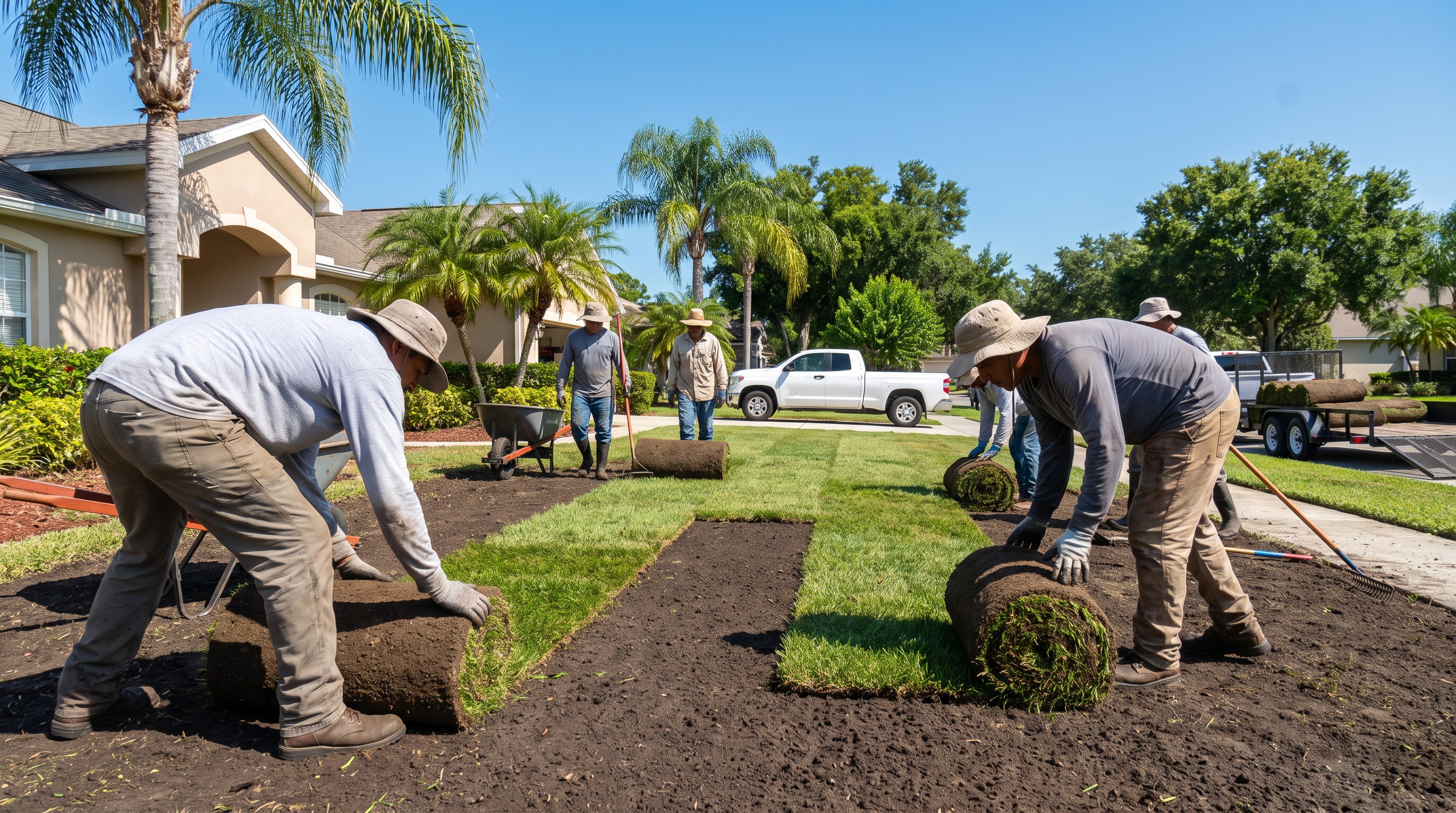
The short answer to when to install sod in Florida is late winter through early spring, roughly February through April, when temperatures moderate and new roots have months to establish before summer's heat and heavy rain arrive. Get the timing wrong and even premium sod can struggle, regardless of how well it's installed. Central Florida's sandy soil, intense sun, and sharp wet-dry seasonal swings mean the calendar matters almost as much as the grass variety you choose.
Homeowners and property managers across Clermont, Davenport, Haines City, and the Four Corners area often ask us this question after a failed DIY attempt or a previous installer's poor results. The grass itself usually isn't the problem. The install window is.
Why Timing Makes or Breaks a Sod Installation
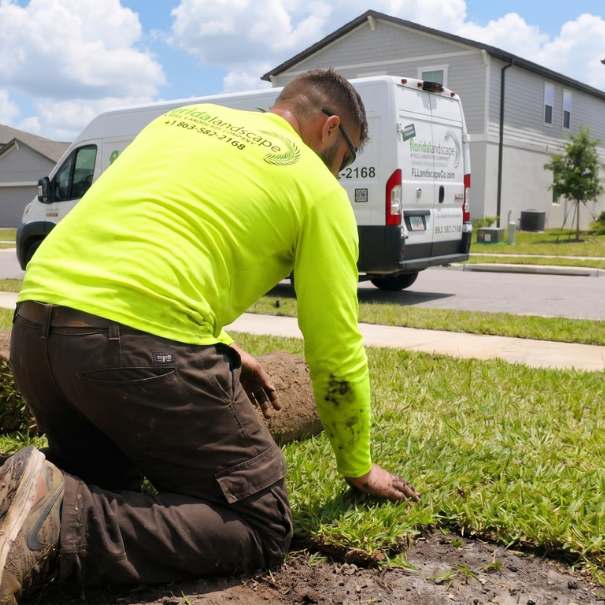
New sod needs three to six weeks of consistent root development before it can handle real stress, whether that's foot traffic, drought, or disease pressure. Install during Florida's brutal July heat and you're asking tender roots to establish while fighting 95-degree afternoons and torrential downpours at the same time. Install during a cold snap and growth slows to a crawl, leaving sod vulnerable to fungus and weeds for weeks longer than necessary.
Central Florida doesn't have a true winter, but soil temperatures still drop enough from December through early February to slow root growth in warm-season grasses like St. Augustine and Zoysia. That's why the real opportunity window opens once soil temperatures climb back into the 65–70°F range, typically mid-to-late February in the Polk and Lake County corridor.
The Best Season-by-Season Breakdown
Not every season is a dead zone for sod work, but some windows carry far more risk than others. Here's how the year breaks down for Central Florida installations.
• Late Winter (Feb–Mar) — Conditions: Moderate temps, lower rain, soil warming; Verdict: Best window — strong root development before summer stress
• Spring (Apr–May) — Conditions: Warm days, manageable rainfall, active growth; Verdict: Excellent — second-best option if winter is missed
• Summer (Jun–Aug) — Conditions: Extreme heat, daily storms, high disease pressure; Verdict: Riskiest — possible with intensive watering management
• Fall (Sep–Nov) — Conditions: Cooling temps, hurricane season tail end; Verdict: Workable but roots have less time before cold slows growth
• Winter (Dec–Jan) — Conditions: Cooler soil, dormant growth for some varieties; Verdict: Avoid — slow establishment, higher failure rate
If you're planning a new landscape design and installation project that includes sod, scheduling the turf portion for late winter or spring often determines whether the whole project establishes cleanly or needs costly rework.
7 Signs Your Lawn Needs Complete Sod Replacement
Knowing when to install sod matters just as much after you've already decided your existing lawn can't be saved. These are the indicators we see most often across Central Florida properties.
Extensive bare patches covering 40% or more of your lawn. Sandy Florida soil loses grass coverage fast once root systems fail. When bare areas dominate, full replacement produces faster, more even results than patching zone by zone.
Persistent fungal disease that keeps returning. Central Florida's humidity is ideal for brown patch and gray leaf spot. If fungal problems come back across large sections season after season, the existing grass variety likely lacks the disease resistance your site needs.
Severe chinch bug or grub damage. These pests can wipe out entire sections of lawn within weeks during peak activity. Once root systems are dead across a significant area, replacement usually costs less than ongoing pest control plus reseeding.
Chronic standing water after rain. Florida's layered sandy-clay soil creates drainage problems that patching can't fix. If water sits for 24+ hours after a storm, the grading needs correction — something a full sod replacement can address at the same time.
Compacted soil that grass can't grow through. High-traffic zones develop rock-hard compaction that aeration alone often can't reverse. Replacement allows for proper soil prep from the ground up.
The wrong grass variety for your site. Many older Central Florida lawns were planted with turf poorly matched to their light, water, or soil conditions. Replacement is your chance to switch to a disease-resistant St. Augustine cultivar or a more drought-tolerant Bahia, depending on your yard's sun exposure.
Age-related decline after 10–15 years. Even well-maintained lawns eventually thin out, lose color, and stop recovering from stress the way they used to. At that point, replacement restores results faster than continued maintenance spending.
Grass Varieties and Timing Considerations
Not all Florida turf establishes the same way. St. Augustine, the most common choice in Central Florida residential lawns, roots fastest when soil temperatures sit above 65°F and benefits most from the late winter through spring window. Zoysia establishes a bit slower and tolerates a wider install range but still performs best outside peak summer heat.
Bahia grass, often chosen for larger properties, HOA common areas, or lower-water-budget sites, is more forgiving of timing because of its deeper, more drought-resistant root structure. Even so, avoiding the dead of winter gives any variety a stronger start. Our sod installation service accounts for these differences when recommending a planting schedule for your specific property.
Soil Prep: The Step That Determines Success Regardless of Timing
Good timing can't compensate for poor soil preparation, and poor timing can sometimes be offset by excellent prep work. Before any sod goes down, the site should be graded for proper drainage, cleared of old root material and debris, and amended if compaction or poor soil composition is an issue.
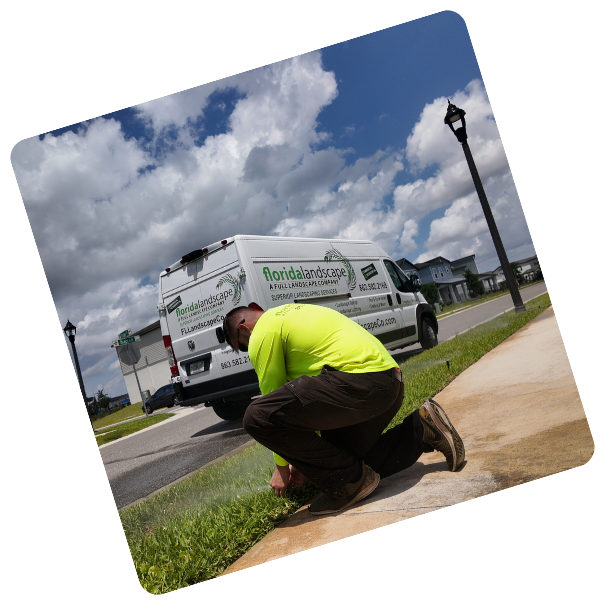
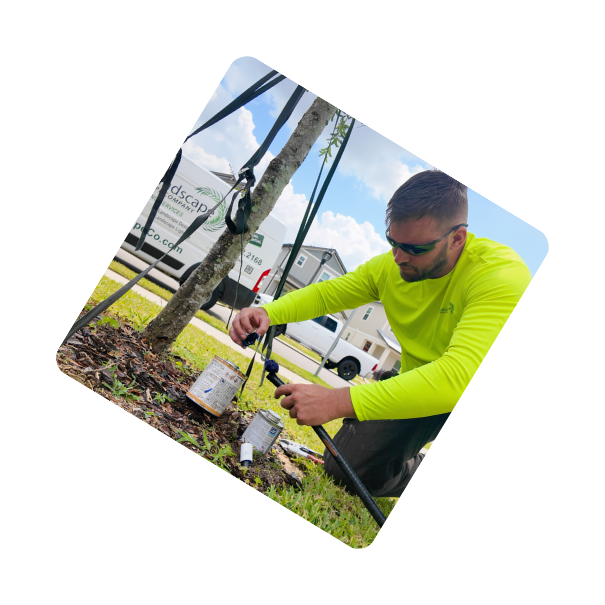
Irrigation should be tested and adjusted before installation day, not after. New sod needs light, frequent watering for the first two to three weeks, tapering to deeper, less frequent watering as roots establish. If your existing system has dry spots, pressure issues, or misaligned heads, those problems will show up in your new sod within days. Our irrigation installation and repair team typically audits systems before a sod job to prevent this.
Tip: Schedule your irrigation audit at least a week before your installation date so any repairs or adjustments are finished before sod arrives.
What Sod Installation Costs in Central Florida
Pricing depends on square footage, grass variety, site prep needs, and accessibility. St. Augustine typically costs more per pallet than Bahia, and sites requiring significant grading or drainage correction will run higher than a straightforward re-sod. Most Central Florida homeowners replacing a standard residential lawn should expect a range driven primarily by total square footage and soil condition rather than grass type alone.
HOAs and commercial properties managing larger common areas or entry features often see better per-square-foot pricing on bulk orders, but timing still affects outcomes at scale — a poorly timed installation across a community entrance or amenity center means visible failure in a high-visibility spot. Our HOA landscaping team builds sod timing into board-approved project schedules specifically to avoid this.
Common Mistakes That Lead to Sod Failure
1. Installing during peak summer without an adjusted watering plan: Heat and heavy storms both stress new roots; skipping a tailored watering schedule often leads to patchy failure.
2. Skipping soil testing or grading: Sod laid over compacted or poorly drained soil repeats the same problems that killed the previous lawn.
3. Choosing the wrong grass for the site's sun exposure: St. Augustine in deep shade or Bahia in constant irrigation zones both underperform regardless of installation timing.
4. Underwatering in the first three weeks: New sod needs daily or twice-daily light watering initially; inconsistent watering is the top cause of new sod death.
5. Mowing too soon: Cutting new sod before roots anchor can tear up sections and set growth back weeks.
6. Ignoring irrigation coverage gaps: Dry strips between sprinkler heads show up fast in new sod and are far harder to fix after installation than before.
Planning Your Installation
If your lawn shows several of the warning signs above, start planning now rather than waiting until the problem worsens through another Florida summer. Reaching out in late fall or early winter gives you time to schedule site prep, irrigation adjustments, and grass selection so your installation lands in that optimal late-winter-to-spring window. Our team at Florida Landscape Co. has handled sod installations across the Polk and Lake County corridor since 2011, and we build every project schedule around the climate data specific to your site, not a generic calendar date.
For more on how sod timing plays out in a specific market, see our guide on sod installation in Clermont, FL, which covers local grass types and cost ranges in more detail. For general turf health between installations, our lawn maintenance program helps protect your investment year-round.
According to the University of Florida IFAS Turfgrass Science program, soil temperature and seasonal rainfall patterns are the two biggest predictors of sod establishment success statewide. The EPA WaterSense program also notes that proper watering schedules during establishment significantly reduce water waste and improve survival rates for new turf installations.

Get your free quote and expert advice today.
Ready to transform your garden? Get in touch with our expert team today for a free consultation and personalized plan.



Frequently Asked Questions
What is the best month to install sod in Florida?

February and March typically offer the best combination of moderate temperatures and manageable rainfall for new sod establishment in Central Florida, giving roots time to develop before summer heat arrives.
Can you install sod in Florida during the summer?
Yes, but it carries more risk. Summer installations require a more aggressive, closely managed watering schedule to offset intense heat and heavy daily rainfall, and disease pressure is higher during these months.
How long does it take new sod to root in Florida?
Most sod varieties need three to six weeks to establish strong root systems under good conditions. Cooler or hotter-than-ideal temperatures can extend that timeline.
Should I avoid installing sod in winter?
Generally yes. Cooler soil temperatures from December through early February slow root growth in warm-season grasses, leaving new sod vulnerable to weeds and disease for longer than necessary.
How soon can I mow new sod?
Wait until the sod has rooted firmly, usually two to three weeks after installation, and confirm by gently tugging a section to check root anchoring before the first mow.

