.webp)
HOA Landscaping Contracts in Central Florida: What Boards Need to Know
An HOA landscaping contract is one of the largest recurring expenses a board will manage — and one of the easiest to get wrong. In Central Florida, where summer heat, sandy soil, and heavy rainy seasons put constant pressure on turf and plant material, a vague or underdefined contract doesn't just cause headaches. It causes budget overruns, resident complaints, and vendor disputes that drag on for months.
This guide is written for HOA board members and property managers who want to run a tighter procurement process, evaluate bids on equal footing, and hold their landscaping vendor accountable from day one.
What an HOA Landscaping Contract Scope of Work Must Specify
Vague contracts cost HOAs money. When a scope of work says "lawn maintenance and landscaping" without defining frequency, included services, and exclusions, every invoice becomes a negotiation. The vendor delivers the minimum. The board assumes they'll get more. And the gap between those two assumptions shows up in the budget.
At minimum, a contract scope must specify mowing frequency — weekly during the rainy season (roughly May through October) and bi-weekly during the dry season — along with edging, trimming, and blowing on every visit. Fertilization should be called out separately, typically on a four- to six-application annual schedule aligned with Florida's growing seasons.
Mulch is one of the most commonly misunderstood line items. Boards often assume annual mulch refresh is included. Vendors often assume it's extra. The contract needs to state whether mulch is included, how many inches of application depth, how many times per year, and which beds are covered.
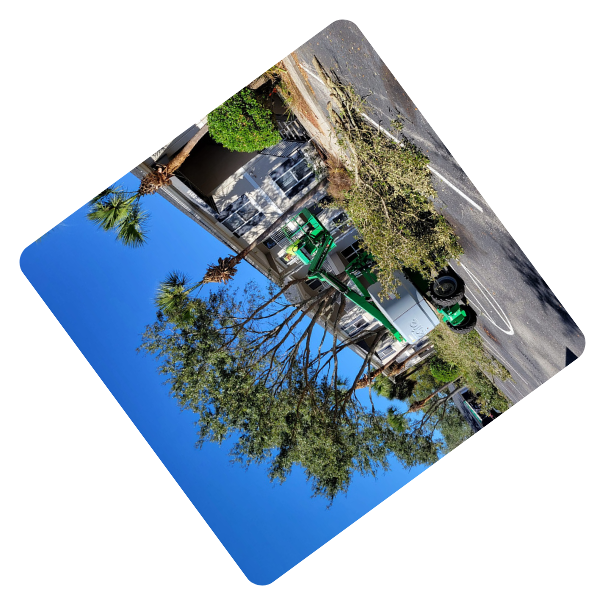
Tree trimming and palm pruning are another frequent source of disputes. Is routine trimming included, or is it billed per service call? What's the maximum height the vendor will trim without additional equipment charges? Storm cleanup response time — 24 hours, 48 hours — should be explicitly written in, especially in Central Florida where tropical weather can damage properties quickly.
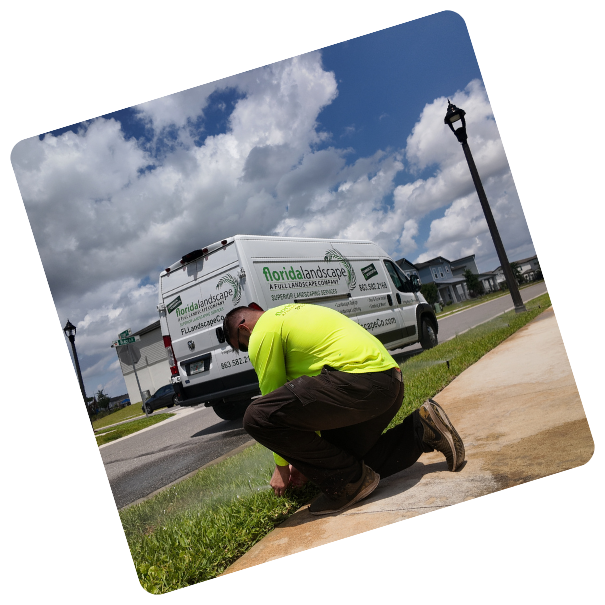
Irrigation is often treated as a gray area. The contract should define whether the landscaping vendor monitors irrigation during visits, who is responsible for identifying broken heads or leaks, and whether basic irrigation repairs are included or billed separately. Communities with larger irrigation systems may want to reference our HOA landscaping services page for what a full-service vendor relationship looks like.
Finally, reporting requirements matter. Does the vendor submit visit logs? Do they send photos of completed work or flagged issues? For HOA boards that need documentation for compliance or resident disputes, this isn't optional — it belongs in the contract.
How to Run an RFP That Gets Comparable Bids
Most HOA landscaping bids are not comparable. One vendor includes irrigation monitoring. Another doesn't. One prices mulch as an annual line item. Another treats it as an add-on. When boards receive three bids at wildly different price points, they're often not comparing the same scope — they're comparing assumptions.
The only way to get apples-to-apples bids is to write a detailed Request for Proposal (RFP) before soliciting vendors. The RFP should define every service, every frequency, and every exclusion so vendors price against the same baseline.
Tip: Use this mini scope template as the foundation for your RFP:
1. Mowing: Weekly May–October, bi-weekly November–April. Includes edging all hard surfaces and blowing clippings from all paved areas.
2. Trimming and pruning: Shrubs and hedges trimmed monthly. Palms pruned twice annually (spring and fall). Tree trimming up to [X feet] included; above that, quoted separately.
3. Fertilization: Four applications annually per UF/IFAS recommendations for Central Florida turf. Product type and application rate to be documented.
4. Mulch: Annual refresh of all planting beds, 2–3 inches depth. Color and material specified by board. Included in base contract price.
5. Weed control: Pre-emergent and post-emergent applications included. Turf and bed areas covered.
6. Irrigation: Visual inspection of zones during each visit. Broken heads or valve issues reported in writing within 24 hours. Basic head replacements included up to [X per month].
7. Storm cleanup: Debris removal within 48 hours of named storm or significant weather event. Large tree work quoted separately.
8. Reporting: Monthly visit log submitted to property manager. Photo documentation of flagged issues. Dedicated account manager available by phone and email.
Sharing this scope template with vendors before they submit bids eliminates the guesswork and makes price comparisons meaningful. For broader context on what HOA landscaping standards typically require, the HOA landscaping standards guide is a useful reference for boards building their RFP from scratch.
Red Flags When Reviewing HOA Landscaping Bids
A bid that comes in 40 percent below the other proposals is not a deal — it's a signal. That gap has to come from somewhere, and it usually comes from reduced visit frequency, skipped services, lower-quality materials, or a crew that's spread too thin to maintain consistency. Boards that award on price alone almost always face quality issues within the first season.
Watch for vendors who cannot demonstrate irrigation experience or who plan to subcontract irrigation work. In Central Florida, irrigation management is inseparable from turf health. A landscaping vendor who doesn't understand how irrigation affects soil moisture, root depth, and disease pressure is going to deliver inconsistent results — especially during the transition between dry and rainy seasons.
Licensing and insurance documentation should be provided without being asked. A licensed landscaping contractor in Florida should carry general liability insurance and workers' compensation coverage. If a vendor hesitates on this, that's a disqualifying issue.
Crew consistency matters more than boards often realize. A vendor who rotates crews through different communities every few weeks has no institutional knowledge of your property — which irrigation zones run long, which areas drain poorly, which shrubs need more aggressive pruning. Ask vendors directly: will the same crew service this community each visit, and will there be a dedicated account manager?
The Community Association Institute recommends that HOAs establish clear vendor qualification criteria before reviewing bids, including proof of insurance, references from comparable communities, and documented service standards. You can review their vendor guidance at caionline.org.
HOA Landscaping Contract Pricing Benchmarks for Central Florida
Pricing for HOA landscaping in Central Florida varies significantly based on community size, amenity load, and the breadth of services included in the base contract. The table below provides general ranges to help boards evaluate whether bids fall within a reasonable market range.
• Under 100 homes — Typical Monthly Range: $2,500 – $5,000/month — Key Cost Drivers: Entry features, small amenity area, limited common turf
• 100 – 300 homes — Typical Monthly Range: $5,000 – $10,000/month — Key Cost Drivers: Larger common areas, lake banks, multiple entry points
• 300+ homes — Typical Monthly Range: $10,000 – $15,000+/month — Key Cost Drivers: Extensive amenity areas, multiple entry monuments, retention ponds
Per-home cost is a useful sanity check, but it can be misleading without context. A 150-home community with a large clubhouse, multiple pond banks, and three gated entry features will cost more to maintain than a 200-home community with minimal common area. The amenity load — not just the home count — is the primary driver of base contract price.
Mulch, seasonal color rotations, and tree work are frequently excluded from base pricing and billed as separate line items. Ask vendors to itemize these costs alongside their base proposal so the total annual spend is visible before the contract is signed.
Communities in fast-growing areas like Horizon West often have newer construction with immature plant material that requires more frequent attention in the first few years — something worth factoring into contract pricing and scope expectations.
Managing the HOA Landscaping Contract After Signing
Signing the contract is the beginning, not the finish line. The board's ability to hold a vendor accountable depends entirely on the documentation and review processes put in place from day one. Monthly walk-throughs with the account manager — not just a phone call — create a shared record of property conditions and any service gaps.
Visit logs and photo documentation serve a dual purpose. They protect the vendor when residents complain about services that were actually performed. They protect the board when services weren't performed as contracted. Either way, a paper trail is essential for managing disputes without escalating to contract termination.
Build an escalation process into the contract itself. Define what constitutes a service failure, how many documented failures trigger a formal notice, and what the remedy period is. Florida HOA statutes provide a framework for vendor contract disputes — boards should review Florida Statute Chapter 720 with their association attorney when drafting or reviewing landscaping agreements.
At renewal time, resist the default of simply rolling over the existing contract. Run a brief market check every two to three years, even if you're satisfied with your current vendor. Benchmarking bids keeps pricing honest and gives the board leverage in renewal negotiations. For additional guidance on what boards should be monitoring throughout the year, the HOA landscaping rules guide for board members covers compliance and enforcement in detail.
Important: Every HOA landscaping contract should include these 10 elements at minimum:
1. Mowing frequency by season — weekly vs. bi-weekly clearly defined by month or season.
2. Complete list of included services — edging, trimming, blowing, fertilization, weed control, mulch.
3. Explicit exclusions — what is not included and how those services are quoted.
4. Irrigation responsibilities — inspection frequency, repair inclusions, reporting process.
5. Storm cleanup response time — hours from storm event to debris removal.
6. Tree and palm service terms — what's included, height limits, extra-cost triggers.
7. Reporting and documentation requirements — visit logs, photo submissions, issue flagging.
8. Dedicated account manager designation — named contact, response time expectations.
9. Performance and remedy clauses — what constitutes a failure, notice periods, cure timelines.
10. Renewal and rebid terms — notice period for termination, automatic renewal language, price escalation limits.
Request an HOA Landscape Proposal from Florida Landscape Co.
Florida Landscape Co. has worked with HOAs and property managers across Central Florida since 2011. We understand that boards need reliable scheduling, clear documentation, and a vendor who shows up consistently — not just at the start of a contract.
We provide dedicated account managers, monthly reporting, and full-service capability across mowing, irrigation, tree services, and landscape installation — so your board isn't juggling multiple vendors for the same property.
To request a detailed HOA landscape proposal, call (863) 582-2168 or visit our contact page. We'll walk your property, review your current scope, and provide a proposal built around what your community actually needs.
Frequently Asked Questions
What should an HOA landscaping contract include?
At minimum, an HOA landscaping contract should specify mowing frequency by season, all included services (edging, trimming, fertilization, mulch, weed control), explicit exclusions, irrigation responsibilities, storm cleanup response time, and reporting requirements. Vague language on any of these items leads to disputes and unexpected costs.
How much does HOA landscaping cost per month in Central Florida?
Monthly HOA landscaping costs in Central Florida typically range from $2,500 for smaller communities under 100 homes to $15,000 or more for large communities with extensive amenity areas, lake banks, and multiple entry features. Amenity load and service inclusions matter more than home count alone when comparing bids.
How do HOA boards compare landscaping bids fairly?
The only reliable way to compare bids is to distribute a detailed RFP that defines every service, frequency, and exclusion before vendors submit proposals. Without a standardized scope, boards end up comparing different assumptions rather than different prices — which makes the lowest bid look better than it actually is.
What are red flags in an HOA landscaping bid?
Bids priced 40 percent or more below competing proposals, vendors without irrigation experience, missing insurance or licensing documentation, no dedicated account manager, and inconsistent crew assignments are all warning signs. Any one of these can lead to service failures that cost the HOA more to correct than the savings gained on the contract price.
Is mulch typically included in an HOA landscaping contract?
It depends on the contract. Many vendors exclude mulch from base pricing and bill it as an annual add-on. Boards should explicitly require vendors to include mulch pricing — quantity, frequency, and application depth — in their base proposal so the full annual cost is visible before signing.
How should an HOA handle landscaping vendor performance issues?
The contract should define what constitutes a service failure, include a written notice process, and set a cure period for the vendor to correct the issue. Monthly walk-throughs and documented visit logs are essential for building a record if the board needs to escalate to formal notice or contract termination. Working with an association attorney familiar with Florida HOA statutes is advisable when disputes arise.

Get your free quote and expert advice today.
Ready to transform your garden? Get in touch with our expert team today for a free consultation and personalized plan.



HOA Landscaping Contracts in Central Florida: Frequently Asked Questions
What should an HOA landscaping contract include?

At minimum, an HOA landscaping contract should specify mowing frequency by season, all included services (edging, trimming, fertilization, mulch, weed control), explicit exclusions, irrigation responsibilities, storm cleanup response time, and reporting requirements. Vague language on any of these items leads to disputes and unexpected costs.
How much does HOA landscaping cost per month in Central Florida?
Monthly HOA landscaping costs in Central Florida typically range from $2,500 for smaller communities under 100 homes to $15,000 or more for large communities with extensive amenity areas, lake banks, and multiple entry features. Amenity load and service inclusions matter more than home count alone when comparing bids.
How do HOA boards compare landscaping bids fairly?
The only reliable way to compare bids is to distribute a detailed RFP that defines every service, frequency, and exclusion before vendors submit proposals. Without a standardized scope, boards end up comparing different assumptions rather than different prices — which makes the lowest bid look better than it actually is.
What are red flags in an HOA landscaping bid?
Bids priced 40 percent or more below competing proposals, vendors without irrigation experience, missing insurance or licensing documentation, no dedicated account manager, and inconsistent crew assignments are all warning signs. Any one of these can lead to service failures that cost the HOA more to correct than the savings gained on the contract price.
Is mulch typically included in an HOA landscaping contract?
It depends on the contract. Many vendors exclude mulch from base pricing and bill it as an annual add-on. Boards should explicitly require vendors to include mulch pricing — quantity, frequency, and application depth — in their base proposal so the full annual cost is visible before signing.

