.webp)
HOA Landscaping Standards: A Guide for Boards and Property Managers
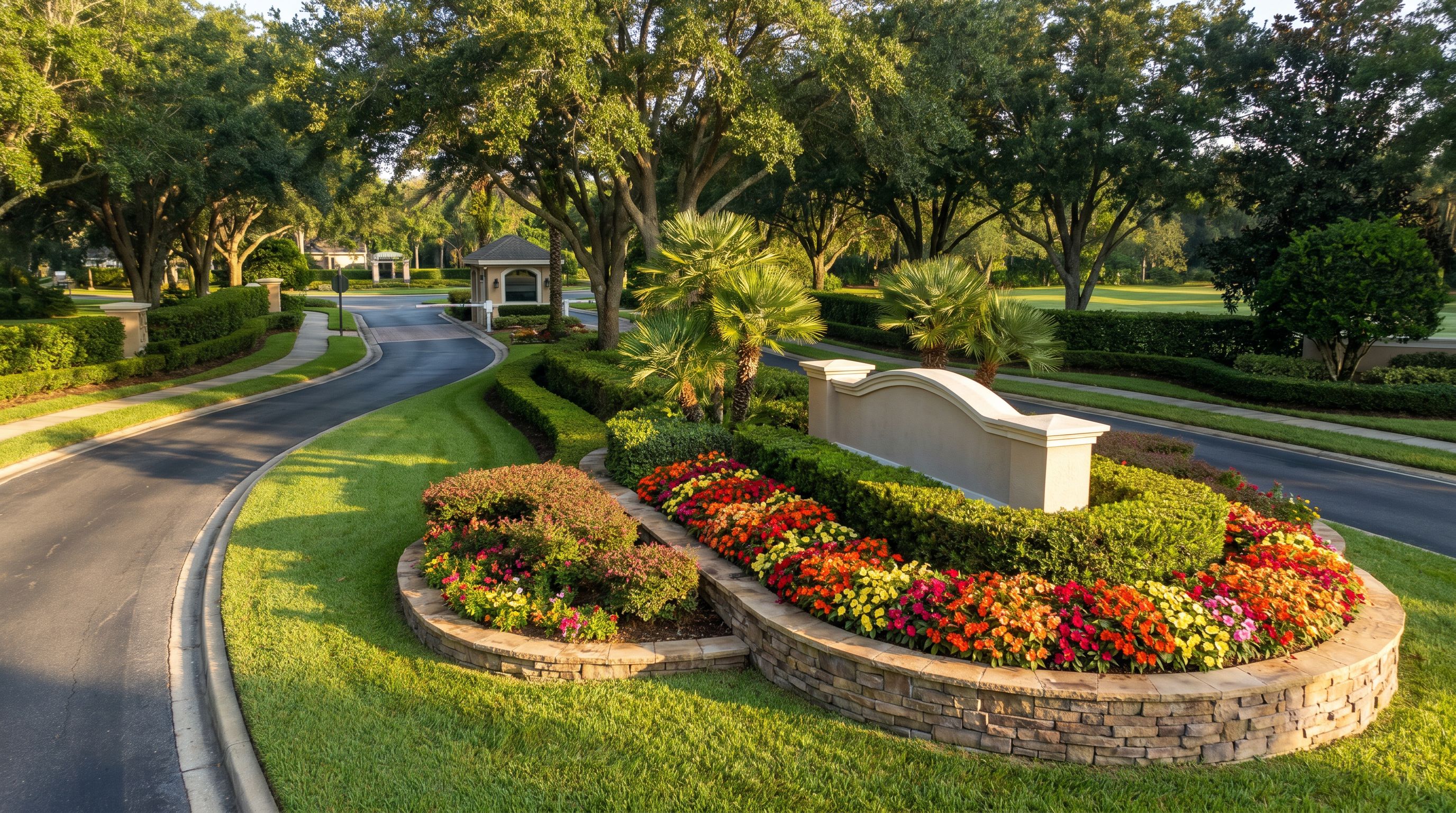
HOA landscaping rules form the foundation of community appearance standards, property value protection, and resident satisfaction across Central Florida neighborhoods. Without clear specifications for turf maintenance, common area care, and seasonal enhancements, HOA boards face monthly compliance disputes, inconsistent contractor performance, and declining curb appeal that impacts every homeowner's investment.
Property managers and board members in communities from Clermont to Celebration deal with the same challenges: vague landscape contracts that leave room for interpretation, contractors who cut corners to maintain profit margins, and homeowners who push back against enforcement when standards aren't clearly defined. The solution lies in establishing comprehensive landscaping standards that protect both the community's visual appeal and the board's liability exposure.
Essential Elements of HOA Landscaping Standards
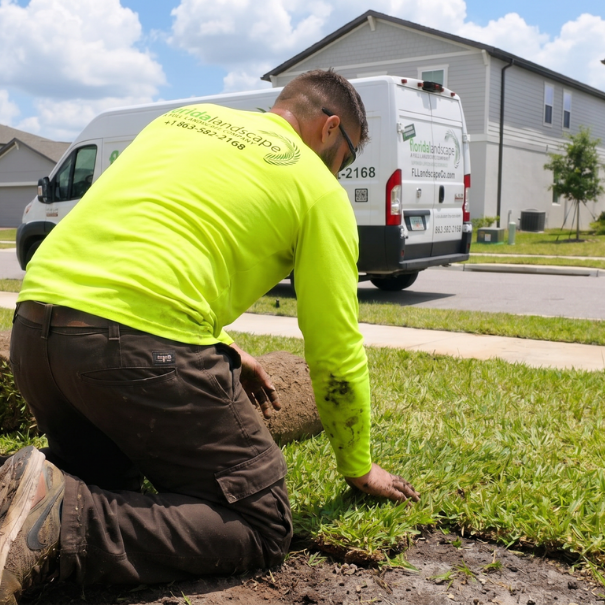
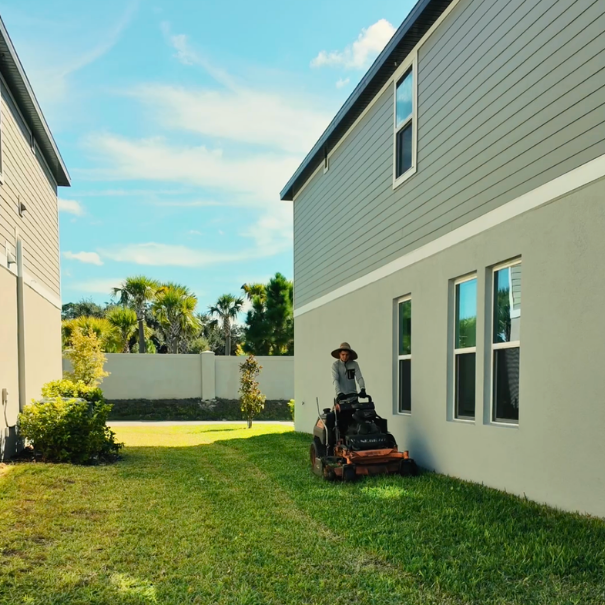
Effective HOA landscaping standards must address every aspect of community maintenance with measurable specifications. Turf requirements should specify grass types appropriate for Central Florida conditions — St. Augustine, Bahia, or Zoysia — along with mowing height parameters and weekly maintenance schedules that account for growing seasons.
Edging specifications need frequency requirements and quality standards for sidewalks, driveways, and landscape bed borders. Clean edges create the professional appearance that distinguishes well-managed communities from those with relaxed maintenance standards. Irrigation schedules must comply with local water restrictions while maintaining healthy turf and plant materials throughout Florida's distinct wet and dry seasons.
Common area standards require the most detailed specifications. Mulch depth requirements — typically 2-3 inches for optimal weed suppression and moisture retention — prevent the thin, patchy appearance that signals poor maintenance. Tree canopy clearance standards ensure pedestrian safety and vehicle access while maintaining the mature landscape character that adds value to established communities.
Important: Seasonal color rotation for entry features and monument signage creates the welcoming first impression that influences buyer decisions and resident pride. Standards should specify plant varieties, replacement schedules, and design consistency across multiple community entrances.
Writing Landscape Specifications Into HOA Contracts
Professional landscape contracts require detailed scope of work documentation that eliminates ambiguity about service expectations. Frequency specifications must be explicit — weekly mowing during growing season, bi-weekly during dormancy, with specific height requirements for different grass types. Edging requirements should specify linear footage, frequency, and acceptable tolerance for grass encroachment.
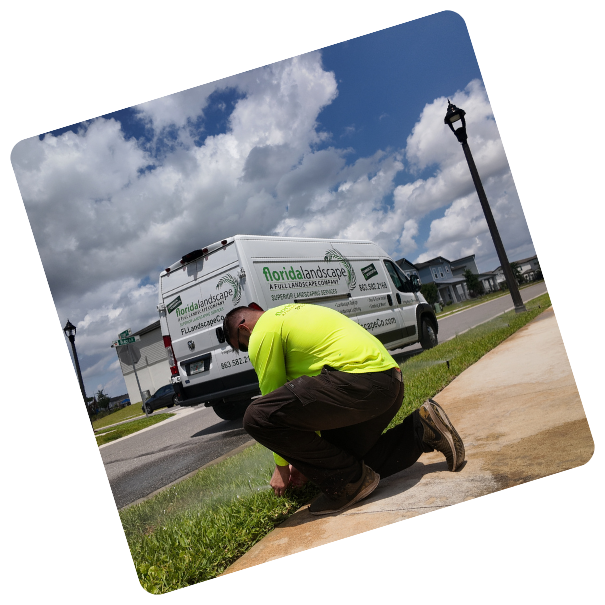
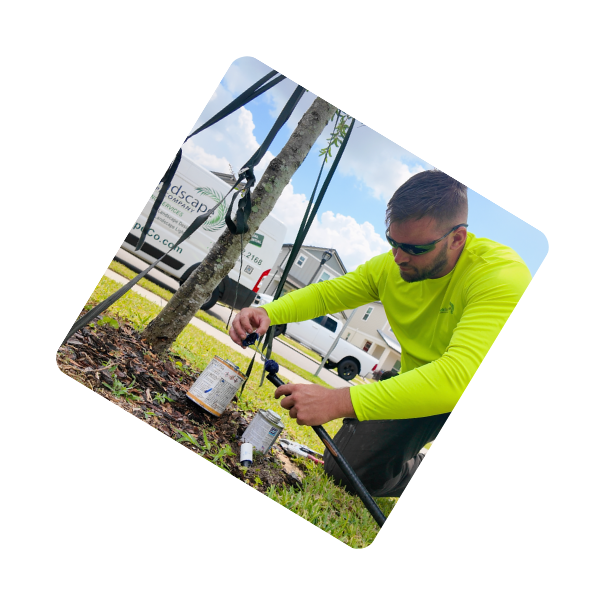
Irrigation system maintenance clauses protect communities from costly emergency repairs and water waste penalties. Contracts should require monthly system inspections, immediate leak repairs, and seasonal adjustments for changing weather patterns. Smart controller programming requirements ensure compliance with local water restrictions while maintaining landscape health.
Quality control measures build accountability into contractor relationships. Photo documentation requirements for completed work, resident complaint response protocols, and corrective action timelines prevent service deterioration over contract terms. Our HOA landscaping services include comprehensive reporting systems that support board oversight and resident communication.
Termination clauses protect communities from underperforming contractors. Clear performance metrics, cure periods for deficiencies, and contract termination procedures ensure boards maintain leverage throughout vendor relationships. Payment schedules tied to performance standards motivate consistent service quality.
Red Flags in Contractor Bid Reviews
Unusually low landscape bids signal corner-cutting that costs communities more than anticipated savings. Contractors who underbid typically reduce service frequency, skip detailed work like edging and trimming, or use inexperienced crews that damage irrigation systems and plant materials. The resulting service calls, replanting costs, and resident complaints exceed any initial budget savings.
Lack of irrigation experience creates expensive problems in Central Florida's demanding climate conditions. Contractors without irrigation expertise cannot properly maintain sprinkler systems, diagnose efficiency issues, or adjust watering schedules for seasonal changes. System failures during dry periods damage expensive landscape installations and create liability exposure for water waste violations.
Missing reporting structure indicates contractors who avoid accountability and board communication. Professional landscape companies provide regular service reports, before-and-after photos, and proactive communication about maintenance issues. Contractors who resist documentation typically struggle with quality control and customer service standards.
Warning SignImpact on CommunityLong-term CostBids 30%+ below averageReduced service frequency, poor qualityEmergency repairs, resident complaintsNo irrigation licensingSystem damage, water violationsCostly system replacement, finesVerbal-only agreementsNo accountability, scope creepLegal disputes, service deteriorationNo insurance documentationLiability exposure for accidentsPotential lawsuits, uncovered damages
Insurance and licensing deficiencies expose HOA boards to significant liability risks. Contractors without proper general liability coverage, workers' compensation, or state licensing create legal vulnerabilities when accidents occur on community property. Verification requirements should include current certificates and license verification through state databases.
Managing Homeowner Compliance Disputes
Clear landscaping standards serve as the primary defense against homeowner compliance challenges and enforcement disputes. When standards specify acceptable turf height, plant material guidelines, and maintenance requirements with measurable criteria, boards can enforce violations consistently without accusations of arbitrary decision-making or selective enforcement.
Professional contractor documentation supports enforcement actions with objective evidence. Regular maintenance reports, violation photography, and expert opinions from licensed landscape professionals carry weight in compliance proceedings and potential legal challenges. Contractors who understand HOA requirements can identify developing problems and recommend corrective actions before violations occur.
Graduated enforcement procedures protect boards from discrimination claims while encouraging voluntary compliance. Warning notices with specific correction requirements, reasonable cure periods, and escalating consequences create fair processes that courts recognize as legitimate governance actions. Communities that have addressed similar challenges in areas like common HOA landscaping mistakes demonstrate the importance of consistent policy application.
Educational outreach prevents many compliance issues before they require formal enforcement. Seasonal newsletters explaining landscape requirements, contractor recommendations for homeowner projects, and community workshops about Florida-appropriate plant selections build resident understanding and voluntary compliance with community standards.
Property Value Protection Through Professional Maintenance
Consistent professional landscape maintenance directly impacts property values through curb appeal enhancement and buyer perception management. Real estate professionals report that well-maintained common areas and entrance features influence buyer decisions within the first few minutes of community visits, affecting sale prices and time on market for individual properties.
Resident retention improves when communities maintain professional appearance standards that residents appreciate and recommend to potential buyers. High-quality landscape maintenance reduces resident complaints, minimizes board meeting conflicts, and creates positive community reputation that attracts quality residents and maintains stable rental markets.
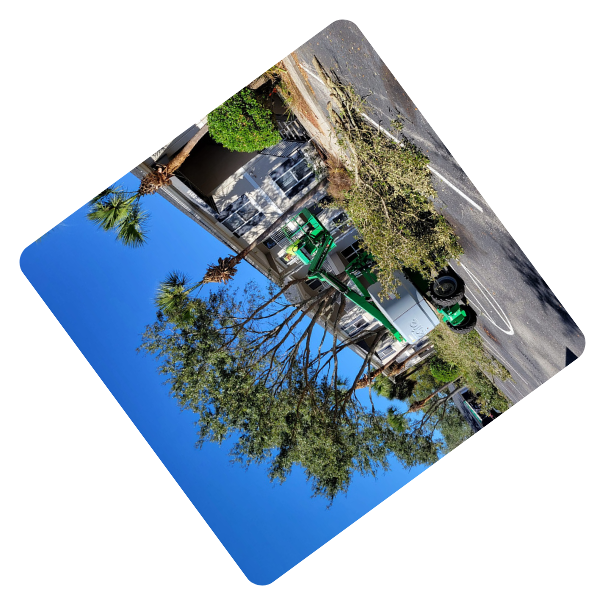
Board liability reduction occurs when communities maintain professional standards that prevent safety issues and regulatory violations. Properly maintained irrigation systems avoid water waste penalties from local municipalities. Tree maintenance programs prevent storm damage liability. Clear walkways and entrance areas reduce slip-and-fall risks that generate insurance claims.
Note: According to the University of Florida IFAS Extension, professional landscape maintenance can increase property values by 15-20% in established communities compared to those with inconsistent or poor maintenance standards.
Essential HOA Landscaping Contract Requirements
Every HOA landscaping contract should include specific elements that protect community interests and ensure service quality. This checklist covers the minimum requirements for professional landscape service agreements that support long-term community maintenance goals.
1. Detailed Service Scope: Specific maintenance tasks, frequencies, and quality standards for all landscape areas including common areas, entrance features, and amenity spaces.
2. Irrigation System Maintenance: Monthly inspections, immediate repair protocols, seasonal adjustments, and smart controller programming requirements for water efficiency.
3. Reporting Requirements: Regular service documentation, photo evidence of completed work, issue identification reports, and resident complaint response procedures.
4. Insurance and Licensing: Current general liability coverage, workers' compensation insurance, state licensing verification, and certificate delivery requirements.
5. Performance Standards: Measurable quality criteria, response time requirements for service calls, and corrective action protocols for deficient work.
6. Seasonal Adjustments: Service modifications for growing seasons, holiday schedules, and weather-related service interruptions with makeup provisions.
7. Emergency Response: Storm cleanup procedures, irrigation leak response, and after-hours contact information for urgent maintenance issues.
8. Payment Terms: Monthly billing schedules, late payment penalties, and payment suspension rights for unsatisfactory service performance.
9. Contract Termination: Performance failure definitions, cure period requirements, and termination procedures that protect community interests.
10. Communication Protocols: Board meeting attendance requirements, resident interaction guidelines, and management company coordination procedures.
Tip: Communities in rapidly developing areas should reference successful standards from established neighborhoods. Resources like EPA WaterSense guidelines help boards understand irrigation efficiency requirements that reduce long-term operating costs.
Get Professional HOA Landscaping Support
HOA boards and property managers deserve landscape partners who understand the unique challenges of community management and compliance enforcement. Professional landscape companies bring the expertise, documentation, and accountability that support effective governance and community value protection.
Working with experienced contractors eliminates the guesswork from landscape standard enforcement and provides boards with objective professional support for compliance decisions. Quality landscape maintenance protects every homeowner's investment while reducing board liability and resident complaints.
Contact Florida Landscape Co. for a comprehensive HOA landscaping proposal that addresses your community's specific needs and compliance requirements at (863) 582-2168 or visit our contact page to schedule a community assessment.

Get your free quote and expert advice today.
Ready to transform your garden? Get in touch with our expert team today for a free consultation and personalized plan.



HOA Landscaping Standards: Frequently Asked Questions
How often should HOA landscaping contracts be reviewed and updated?

HOA landscaping contracts should be reviewed annually and updated every 2-3 years to reflect changing community needs, inflation adjustments, and evolving landscape standards. Major contract revisions work best during budget planning cycles when boards can evaluate service levels and cost implications together.
What happens when contractors don't meet HOA landscaping standards?
When contractors fail to meet established standards, HOAs should follow documented correction procedures including written notice of deficiencies, specified cure periods, and escalating consequences up to contract termination. Professional contracts include these enforcement mechanisms to protect community interests.
How much should HOAs budget for professional landscaping services?
HOA landscape budgets typically range from $150-400 per unit annually depending on community size, amenity features, and service levels. Communities with extensive common areas, irrigation systems, and seasonal color programs require higher budgets than those with minimal landscape features.
Can HOAs change landscaping standards after approving them?
HOAs can modify landscaping standards through proper governance procedures including board resolutions and community notification requirements. Changes should be implemented during natural contract renewal periods to avoid mid-term disputes with existing contractors and affected residents.
What irrigation requirements should HOA landscaping standards include?
HOA irrigation standards should specify system inspection frequencies, leak repair response times, seasonal watering adjustments, and smart controller programming requirements. Standards must comply with local water restrictions while maintaining healthy landscape conditions throughout Florida's seasonal weather changes.

