

Brown Patch Fungus in St. Augustine Grass: How to Spot It, Treat It, and Keep It From Coming Back
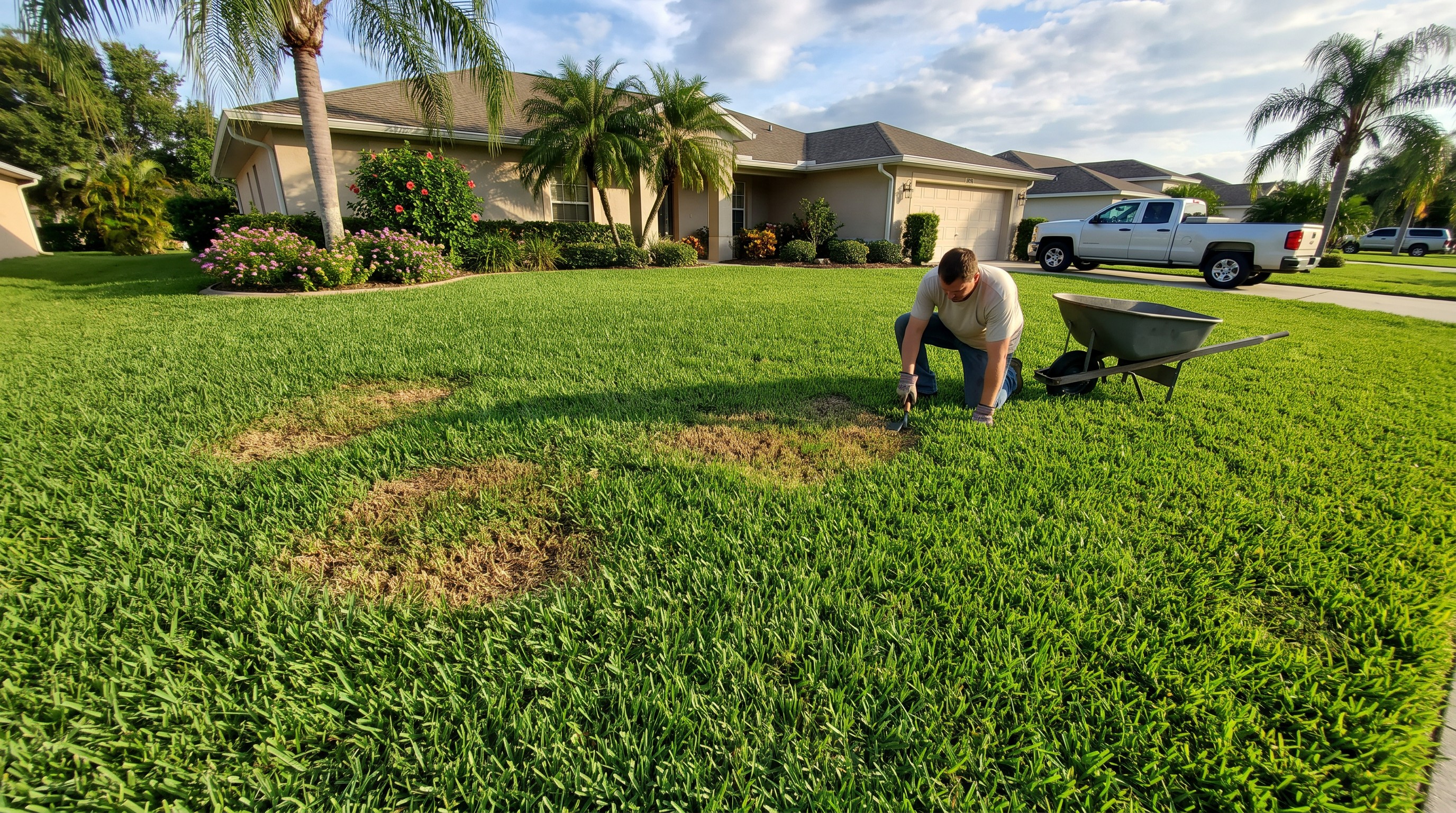
Brown patch fungus st augustine grass problems peak in Central Florida between October and February, when cool nights, heavy dew, and still-warm soil create the exact conditions this disease needs to spread across an entire lawn in a matter of days. If you have noticed circular brown patches creeping outward from a center point, you are not imagining it, and you are not alone. This is the single most common lawn disease call we get from Clermont to Davenport every fall.
The good news: brown patch is treatable, and in most cases it does not kill the grass outright. It attacks the leaf blades, not the roots, which means a correctly treated lawn usually bounces back within a few weeks. The bad news is that waiting too long, or treating it the wrong way, lets the fungus spread faster than most homeowners expect.
What Brown Patch Fungus Actually Is
Brown patch is caused by the soil-borne fungus Rhizoctonia solani. It lives in Central Florida soil year-round in low numbers, but it only becomes a problem when temperature, moisture, and grass stress line up at the same time. St. Augustine grass, the dominant turf type across Polk and Lake County lawns, is especially susceptible because its wide, soft leaf blades hold moisture longer than tighter-bladed turf varieties.
The fungus infects the leaf sheath near the soil line, causing the blade to rot and detach from the plant. That is why affected grass often pulls away with almost no resistance when you tug on it, while the roots underneath stay intact. This distinction matters because it changes how you treat the problem and how fast recovery happens.
According to the University of Florida IFAS Extension, brown patch activity in St. Augustine lawns is directly tied to nighttime temperatures between 60 and 75 degrees combined with extended leaf wetness, which is exactly the weather pattern Central Florida sees from late September through February.
How to Identify Brown Patch Before It Takes Over the Lawn
Brown patch shows up as roughly circular patches of yellow or brown grass, ranging from a foot wide to several feet across. The center of older patches sometimes greens back up while the outer ring continues to expand, creating a donut or "frog-eye" pattern that is one of the clearest identifying signs.
The fastest field test is the tug test. Grab a few blades at the edge of a suspect patch and pull gently. If the leaf separates cleanly from the sheath without resistance, and the base looks dark or slimy, that is brown patch rather than drought stress or chinch bug damage.
Early morning is the best time to inspect, since the fungus is most visible when dew is still on the grass. Look for a grayish or smoky-looking border, often described as a "smoke ring," around the outer edge of active patches. That ring is mycelium, the fungus actively spreading outward, and it typically disappears once the sun dries the lawn.
Why Fall and Winter Are Peak Season in Central Florida
Most homeowners assume lawn disease is a summer problem, but brown patch behaves the opposite way. Summer heat above 85 degrees actually suppresses the fungus. It is the cooler, wetter stretch from October through February that creates the ideal combination: nighttime temperatures in the 60s and 70s, morning dew that lingers for hours, and grass that is already growing more slowly and healing itself less efficiently.
Irrigation timing makes the problem worse if it is not adjusted for the season. Watering in the late afternoon or evening leaves grass blades wet all night, which is exactly what the fungus needs to establish and spread. The National Weather Service Melbourne office, which covers much of Central Florida's humidity and dew patterns, consistently shows extended overnight moisture retention through this stretch of the year.
Excess nitrogen fertilization in early fall compounds the risk. Lush, nitrogen-heavy growth is softer and more vulnerable to fungal infection, which is one reason late-season fertilizer timing matters as much as the product itself. Our fall lawn care guide for Central Florida covers exactly how to adjust feeding and watering schedules heading into this window.
How to Treat Brown Patch Fungus in St. Augustine Grass
Treatment works best when it combines a fungicide application with immediate changes to watering and mowing habits. Fungicide alone, applied while irrigation timing stays the same, tends to produce short-term improvement followed by another flare-up within weeks.
Granular or liquid fungicides containing azoxystrobin, propiconazole, or myclobutanil are the most effective active ingredients against Rhizoctonia solani in residential turf. Application typically needs to happen at the first sign of active spreading, since fungicides treat existing infection but do not reverse blade damage that has already occurred.
Alongside fungicide treatment, three immediate changes make the biggest difference:
• Move irrigation to early morning, between 4 a.m. and 7 a.m., so grass dries out within a few hours of sunrise instead of staying wet through the night.
• Reduce watering frequency to two cycles per week maximum during active disease pressure, since overwatering is the single biggest driver of fungal spread.
• Raise the mower deck slightly and bag clippings from affected areas rather than leaving them on the lawn, which can carry fungal spores to healthy turf.
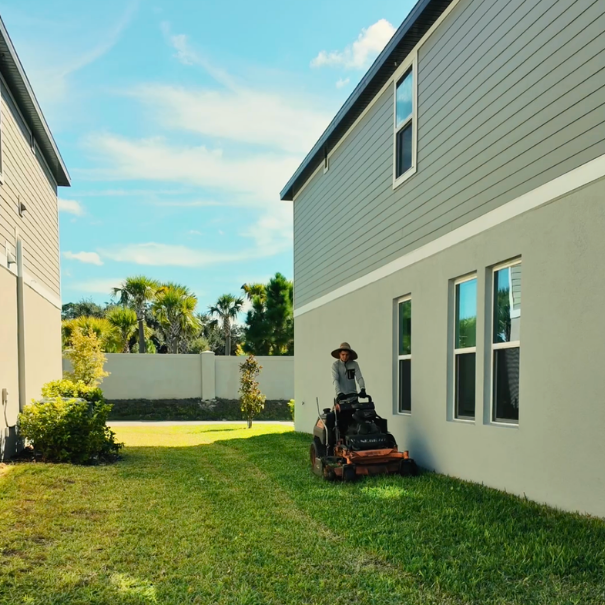
A professional lawn maintenance program that adjusts mowing height and schedule through the disease season catches these details automatically, which is often the difference between a lawn that recovers in three weeks and one that fights brown patch all winter.
Common Mistakes That Make Brown Patch Worse
1. Increasing water to "help" stressed-looking grass. This is the most common mistake, and it directly feeds the fungus rather than helping the lawn recover.
2. Applying high-nitrogen fertilizer during an active outbreak. Nitrogen pushes soft new growth right when the grass needs to focus energy on fighting infection.
3. Mowing wet, infected grass and then mowing healthy areas with the same equipment. This spreads fungal spores across the entire lawn in a single afternoon.
4. Treating with fungicide once and assuming it is resolved. Most products require a second application 14 to 21 days later to fully break the disease cycle.
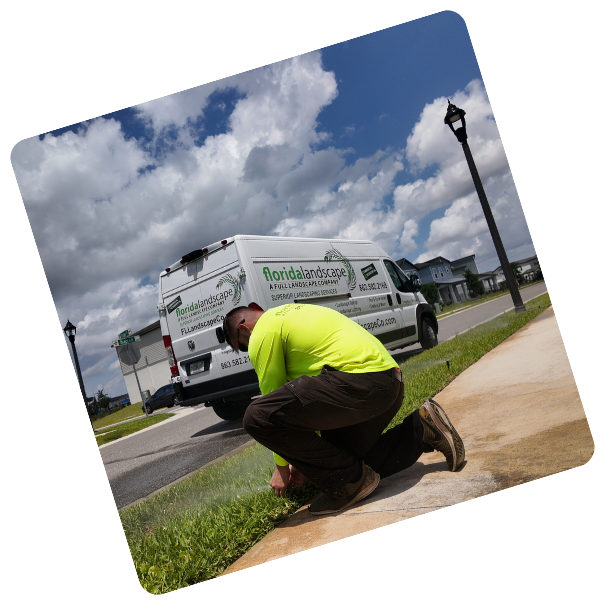
5. Ignoring irrigation system timing. A sprinkler system still running on a summer schedule is one of the most overlooked causes of repeat outbreaks. Our irrigation repair and adjustment service resets controller schedules specifically for this seasonal shift.
6. Letting a small patch go untreated because it "looks minor." Brown patch can expand several inches per day under the right conditions, turning a two-foot spot into a lawn-wide problem within a week.
Preventing Brown Patch Fungus Next Season
Prevention starts with irrigation discipline. Keeping all watering in the early morning window year-round, not just during active outbreaks, removes most of the extended leaf-wetness period the fungus depends on.
Fertilizer timing matters just as much. Shifting to a lower-nitrogen, higher-potassium feeding schedule in early fall builds stronger cell walls in the grass blades without fueling the soft growth that invites infection.
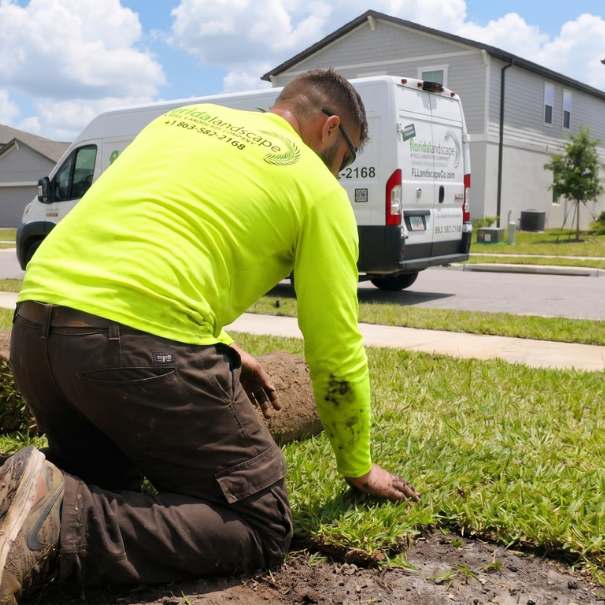
For lawns with recurring brown patch problems year after year, the underlying issue is sometimes the turf itself rather than the maintenance routine. Older St. Augustine sod with thinning or compacted areas holds moisture differently than healthy, well-established turf, and in those cases a targeted sod installation and lawn renovation in the worst-affected zones often resolves the recurring cycle for good.
HOA communities and commercial properties see this pattern across common areas every fall, which is part of why consistent, documented seasonal treatment matters at scale, not just for a single backyard.
Get Brown Patch Treatment for Your Central Florida Lawn
Spreading brown patches, grass that pulls away at the base, and a lawn that looks worse every week despite regular mowing are frustrating signs, especially heading into the fall months when curb appeal still matters. Florida Landscape Co. diagnoses active fungal pressure, applies the correct fungicide and timing adjustments, and resets irrigation schedules so the problem does not return in three weeks.
Request your free quote or call (863) 582-2168 for fast, local lawn disease treatment in Clermont, Davenport, Haines City, and across Central Florida.

Get your free quote and expert advice today.
Ready to transform your garden? Get in touch with our expert team today for a free consultation and personalized plan.



Frequently Asked Questions
Will brown patch fungus kill my St. Augustine grass?

Usually not. Brown patch attacks the leaf blades and sheath, not the root system, so most lawns recover fully once the fungus is treated and watering is corrected. Severe, repeated outbreaks on already-weak turf can cause lasting thin spots that need sod repair.
How long does it take for brown patch to go away?
With fungicide treatment and corrected irrigation timing, visible improvement usually starts within 7 to 10 days, and most lawns fully recover their green color within three to four weeks. Severe cases may need a second fungicide application after 14 to 21 days.
Can I treat brown patch fungus myself?
Store-bought fungicides can work for small, early-stage patches if applied correctly and paired with an irrigation schedule change. Larger or recurring outbreaks typically need professional-grade product and precise timing, which is where a lawn care provider makes the difference.
Why does my lawn only get brown patch in certain spots?
Shaded areas, low spots with poor drainage, and zones that stay wet longer after irrigation or rain are the most common hot spots. These areas hold moisture longer, giving the fungus the extended wet period it needs to establish.
Is brown patch the same as dollar spot or gray leaf spot?
No. Dollar spot creates smaller, silver-dollar-sized patches and gray leaf spot shows distinct lesions on individual blades, while brown patch forms larger circular patches with the characteristic smoke-ring border. Correct identification matters because each disease responds to different fungicide active ingredients.

