.webp)
Zoysia vs. St. Augustine Grass in Florida: Which Is Right for Your Yard?
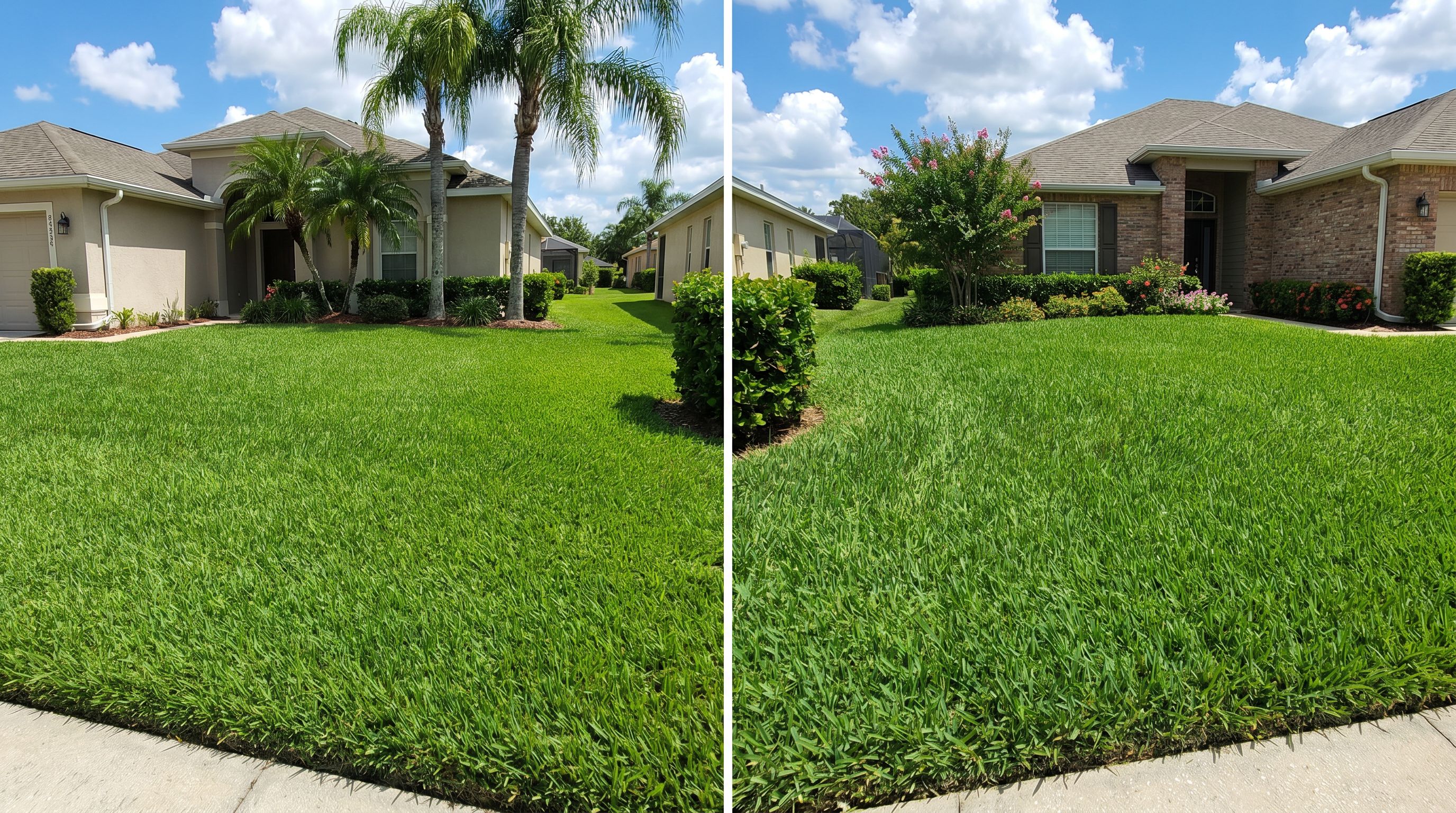
Zoysia grass vs St Augustine in Florida comes down to weighing maintenance requirements against performance in our challenging climate. Both warm-season grasses thrive in Central Florida, but they excel in different situations and require different approaches to lawn care.
The choice between these two popular turf options affects your water bill, mowing schedule, fertilizer costs, and how your lawn performs during Florida's dry season. Understanding the key differences helps you select the grass that matches your priorities, whether that's low maintenance, quick establishment, or specific growing conditions in your yard.
Zoysia vs St Augustine: Side-by-Side Comparison
A detailed comparison reveals how these grasses perform across the factors that matter most to Florida homeowners. The differences in texture, maintenance needs, and environmental tolerance can make or break your lawn's success.
FactorZoysia GrassSt. Augustine GrassAppearance/TextureFine to medium texture, dense carpet-likeCoarse, broad blades, thick appearanceShade ToleranceModerate (4-6 hours direct sun minimum)Excellent (2-4 hours direct sun sufficient)Drought ResistanceExcellent once establishedModerate to good with regular wateringTraffic ToleranceExcellent, recovers well from wearGood but shows damage more easilyGrowth Rate/MowingSlow growth, mow every 10-14 daysFast growth, mow weekly during peak seasonFertilizing Needs2-3 applications per year3-4 applications per yearPest ResistanceHigh resistance to most pestsSusceptible to chinch bugs and grubsEstablishment Time6-8 weeks for full establishment2-4 weeks for full establishmentSod Cost Range$0.60-$0.90 per square foot$0.40-$0.65 per square footBest Use CaseLow-maintenance, drought-prone areasShaded yards, quick establishment needed
Appearance and Texture Differences
Zoysia creates a fine to medium-textured lawn that feels soft underfoot and maintains a uniform, carpet-like appearance. The narrow blades grow densely, creating a manicured look that many homeowners prefer for front yards and formal landscapes.
St. Augustine produces a coarser texture with broader, flatter blades that create a more casual appearance. The wider leaves give the lawn a lush, tropical look that complements Florida's natural landscape. This grass type tends to have a slightly uneven texture compared to zoysia's uniformity.
Color differences also distinguish these grasses. Zoysia typically maintains a medium to dark green color throughout the growing season, while St. Augustine ranges from light to medium green depending on the variety and growing conditions.
Shade Tolerance and Sun Requirements
St. Augustine wins the shade tolerance comparison decisively. Varieties like Palmetto and Seville can thrive with as little as 2-4 hours of direct sunlight per day, making them ideal for yards with mature trees, north-facing slopes, or areas shaded by structures.
Zoysia requires more sun exposure to maintain density and health. Most zoysia varieties need at least 4-6 hours of direct sunlight daily. In heavily shaded areas, zoysia becomes thin and weak, creating bare spots that invite weeds and erosion problems.
For yards with mixed sun and shade conditions, you might consider installing different grass types in different zones. Full-sun areas can support zoysia, while shaded sections perform better with shade-tolerant St. Augustine varieties.
Drought Resistance and Water Needs
Zoysia grass demonstrates superior drought tolerance once fully established. The deep root system and efficient water usage allow zoysia lawns to survive extended dry periods with minimal irrigation. During Florida's dry season, established zoysia may only need watering once or twice per week.
St. Augustine requires more consistent moisture to maintain its appearance and health. While it can tolerate brief dry spells, extended drought stress causes browning and thinning. Most St. Augustine lawns need watering 2-3 times per week during dry periods to prevent stress symptoms.
Water restrictions during drought conditions favor zoysia lawns. According to the University of Florida IFAS Extension turfgrass water management guidelines, zoysia requires 30-40% less irrigation than St. Augustine grass to maintain acceptable quality.
Maintenance Requirements and Growth Patterns
The slower growth rate of zoysia translates directly into lower maintenance costs and time commitments. During peak growing season, zoysia typically requires mowing every 10-14 days compared to St. Augustine's weekly mowing schedule.
Fertilizer applications also differ between these grasses. Zoysia performs well with 2-3 fertilizer applications per year, focusing on spring green-up and fall preparation. St. Augustine's faster growth rate demands 3-4 fertilizer applications annually to maintain color and density.
Tip: The reduced mowing and fertilizing requirements make zoysia an excellent choice for busy homeowners or those looking to minimize ongoing lawn maintenance commitments.
Edging and trimming around landscape beds and walkways also requires less frequent attention with zoysia. The controlled growth pattern means fewer touch-ups between regular maintenance visits.
Pest and Disease Resistance
Zoysia demonstrates notably better resistance to common Florida lawn pests. The dense growth pattern and tougher leaf structure make it less attractive to chinch bugs, which can devastate St. Augustine lawns during summer months.
St. Augustine's vulnerability to chinch bugs requires vigilant monitoring and potential pesticide treatments. These tiny insects can destroy large patches of St. Augustine grass quickly during hot, dry weather. Early detection and treatment are critical to preventing major damage.
Disease pressure also varies between these grasses. Zoysia rarely develops significant fungal problems in Florida's climate, while St. Augustine can suffer from brown patch and other diseases during periods of high humidity and poor air circulation.
Cost Analysis and Installation Considerations
Initial sod costs favor St. Augustine, with prices typically running $0.20-$0.25 per square foot less than zoysia. For a 5,000 square foot lawn, this difference amounts to $1,000-$1,250 in upfront costs.
However, long-term costs often favor zoysia due to reduced maintenance requirements. Lower fertilizer needs, less frequent mowing, and reduced pest control treatments can offset the higher initial investment within 2-3 years.
Establishment timing also affects the total project cost. St. Augustine's faster establishment allows for quicker project completion, while zoysia's slower development may require temporary irrigation systems for longer periods.
Important: Professional sod installation ensures proper soil preparation and installation techniques that maximize the success rate for either grass type.
Best Grass Choice for Specific Scenarios
Full-Sun Central Florida Yards
For properties with 6+ hours of daily sun exposure, zoysia offers superior long-term performance. The drought tolerance and low maintenance requirements make it ideal for busy homeowners or those looking to minimize water usage.
Shaded or Partially Shaded Areas
St. Augustine varieties like Palmetto or Seville provide the best option for yards with significant shade from trees or structures. These cultivars maintain density and color even in challenging light conditions.
HOA Communities and Formal Landscapes
Zoysia's uniform appearance and predictable growth pattern make it excellent for HOA communities where consistency matters. The reduced maintenance needs also help control association landscape budgets.
High-Traffic Family Yards
Families with children and pets benefit from zoysia's superior traffic tolerance and recovery ability. The dense growth pattern withstands heavy use better than St. Augustine's broader, more fragile blades.
Florida Department of Environmental Protection studies on residential water use show that drought-tolerant landscaping can reduce outdoor water consumption by 20-30%, making zoysia an environmentally responsible choice for water-conscious homeowners.
Making Your Final Decision
Choose zoysia if you prioritize low maintenance, have full-sun exposure, want superior drought tolerance, or need a grass that handles heavy foot traffic. The higher upfront cost pays dividends through reduced ongoing maintenance and water requirements.
Select St. Augustine if you have significant shade, need fast establishment, want lower initial costs, or prefer the broader-blade tropical appearance. The faster growth rate helps fill in bare spots quickly but requires more frequent maintenance.
Consider your long-term priorities when making this decision. Homeowners who value convenience and minimal maintenance typically prefer zoysia, while those who want immediate results or have challenging shade conditions often choose St. Augustine.
Get Professional Guidance for Your Central Florida Lawn
Choosing between zoysia and St. Augustine depends on your specific site conditions, maintenance preferences, and budget considerations. Both grasses can create beautiful lawns when properly matched to the right conditions.
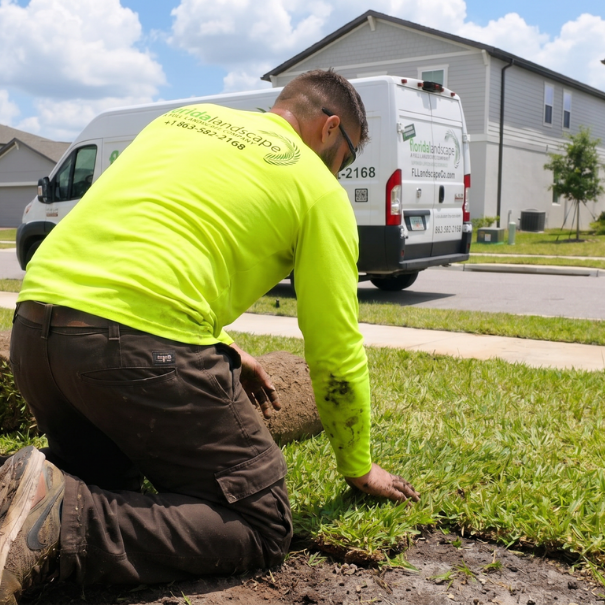
Our team evaluates your yard's sun exposure, soil conditions, and drainage to recommend the best grass type for lasting success. We handle soil preparation, proper installation techniques, and post-installation care to ensure your new lawn establishes quickly and thrives long-term.
Ready to transform your yard with the right grass choice? Contact Florida Landscape Co. at (863) 582-2168 for a free sod recommendation and installation estimate, or visit our contact page to schedule your consultation.

Get your free quote and expert advice today.
Ready to transform your garden? Get in touch with our expert team today for a free consultation and personalized plan.



Zoysia vs. St. Augustine in Florida: Frequently Asked Questions
Which grass is better in Florida heat zoysia or St Augustine?

Zoysia handles Florida heat better due to superior drought tolerance and deeper root system. Once established, zoysia requires less water and shows better heat stress resistance than St. Augustine.
How long does zoysia take to establish vs St Augustine in Florida?
St. Augustine establishes in 2-4 weeks while zoysia takes 6-8 weeks for full establishment. St. Augustine's faster growth rate allows quicker lawn completion but requires more immediate maintenance.
Can you mix zoysia and St Augustine grass in same yard?
Mixing these grasses in the same area creates maintenance problems due to different growth rates and requirements. However, you can install different grasses in separate zones based on sun exposure and use patterns.
What grass requires less mowing zoysia or St Augustine Florida?
Zoysia requires mowing every 10-14 days compared to St. Augustine's weekly schedule during growing season. The slower growth rate significantly reduces maintenance time and costs over time.
Which grass costs more to install zoysia or St Augustine sod?
Zoysia sod costs $0.60-$0.90 per square foot compared to St. Augustine at $0.40-$0.65 per square foot. The higher initial investment is often offset by lower long-term maintenance costs.

