
Zoysia Grass vs St. Augustine in Florida: Which Should You Plant?

The zoysia grass vs st Augustine in Florida decision comes down to how much sun your yard gets, how much time you want to spend mowing, and what your HOA expects your lawn to look like by June. Both grasses handle Central Florida's heat, but they behave very differently once sandy soil, heavy summer rain, and dry winters enter the picture. This guide breaks down the real differences — appearance, shade tolerance, drought resistance, maintenance, pests, cost, and traffic tolerance — then gives you a straight verdict for your specific situation.
Zoysia Grass vs St. Augustine: Quick Comparison
Here's how the two grasses stack up across the factors that matter most to Florida homeowners.
• Appearance — Zoysia: fine-to-medium blade, dense, carpet-like texture. St. Augustine: broad, coarse blade, lush blue-green color.
• Shade tolerance — Zoysia: moderate (better than Bermuda, worse than St. Augustine). St. Augustine: good to excellent, best shade performer of the two.
• Drought resistance — Zoysia: excellent, deep root system, slow to show stress. St. Augustine: fair, shallow roots, wilts faster without irrigation.
• Maintenance level — Zoysia: low-to-moderate, slow grower, infrequent mowing. St. Augustine: moderate-to-high, fast grower, frequent mowing and edging.
• Pest resistance — Zoysia: fewer major pest issues, some billbug risk. St. Augustine: chinch bug prone, especially in full sun during summer.
• Cost — Zoysia: higher upfront sod cost, often $0.65–$0.95 per square foot installed. St. Augustine: lower upfront cost, typically $0.45–$0.75 per square foot installed.
• Traffic tolerance — Zoysia: excellent, dense growth habit resists wear. St. Augustine: fair, thins out under repeated foot traffic.
Tip: If you're still deciding between grass types for a specific yard, read our full breakdowns on zoysia grass in Florida and St. Augustine grass in Florida for variety-specific detail.
Appearance and Texture: What Your Lawn Will Actually Look Like
St. Augustine grass gives you the classic "Florida lawn" look — broad, soft, blue-green blades that create a lush, almost plush appearance. Varieties like Floratam and CitraBlue are the default choice for most new construction and resod projects across Polk and Lake counties because the color reads as healthy and established almost immediately after installation.
Zoysia has a finer, denser blade that looks closer to a golf course fairway than a traditional residential lawn. Varieties like Empire and Zeon fill in tightly over time, creating a carpet-like surface that resists footprints and holds a crisp mowed line longer than St. Augustine.
Neither grass is objectively better here — it's a style preference. Homeowners wanting that traditional thick, soft Florida look tend to prefer St. Augustine. Homeowners wanting a manicured, tailored appearance often choose zoysia.
Shade Tolerance: Which Grass Survives Under Your Oak Trees
Shade is where St. Augustine pulls ahead. It tolerates partial shade better than almost any warm-season turf available in Florida, which is why it's the standard recommendation for yards with mature oak canopies — common throughout Clermont and Winter Garden's older neighborhoods.
Zoysia handles light shade reasonably well but starts thinning noticeably once it drops below four hours of direct sun per day. If your lot has heavy tree coverage, St. Augustine will outperform zoysia in those shaded zones even with identical care.
Note: Neither grass survives deep, dense shade long-term. In yards with less than two hours of direct sun, consider ground cover alternatives or selective tree canopy thinning before resodding.
Drought Resistance and Water Needs
Zoysia's deep root system makes it noticeably more drought-tolerant than St. Augustine, particularly during Central Florida's dry season from roughly November through April. It goes semi-dormant and bounces back fast once irrigation or rain resumes, rather than dying off.
St. Augustine has shallower roots and needs more consistent watering to avoid stress. During extended dry stretches without irrigation, St. Augustine shows wilting, graying, and footprinting within days — zoysia takes considerably longer to show the same signs.
If your property has an older or inconsistent irrigation system, zoysia is the more forgiving option. According to the EPA WaterSense program, outdoor irrigation accounts for roughly 30% of household water use nationally, and drought-tolerant turf choices directly reduce that draw — a meaningful consideration given Florida's water restrictions during dry months.
Maintenance Level: Mowing, Fertilizing, and Weekly Upkeep
St. Augustine grows fast in Florida's heat and humidity, which means weekly mowing during peak growing season (roughly April through September) to keep it looking sharp and prevent thatch buildup. It also tends to develop a thicker thatch layer over time, requiring periodic dethatching.
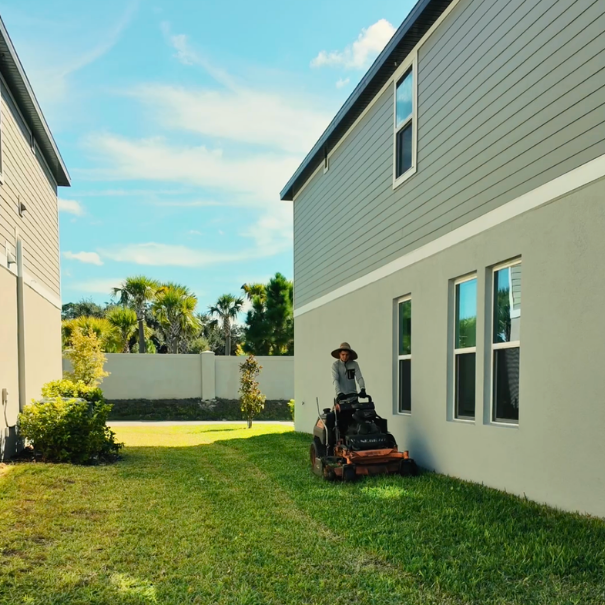
Zoysia grows more slowly, often stretching mowing intervals to 10–14 days during the same period without looking unkempt. It also holds its mowed height longer, which matters for HOAs enforcing height restrictions between scheduled service visits.
Both grasses need regular fertilization on Central Florida's sandy soil, which drains nutrients quickly. If you're comparing total time investment over a full growing season, zoysia generally wins on lower mowing frequency, while St. Augustine wins on faster establishment after installation.
Pest and Disease Pressure in Florida Conditions
Chinch bugs are the single biggest pest threat to St. Augustine lawns in Florida, particularly in full-sun areas during hot, dry stretches. Left untreated, chinch bug damage can kill large sections of turf within a few weeks, and it's one of the most common service calls we get across Davenport and Haines City in midsummer.
Zoysia faces fewer severe pest pressures overall, though billbugs and occasional fungal issues (like large patch disease during cooler, wet periods) can still appear. Routine monitoring matters for both grasses — the University of Florida IFAS Extension publishes seasonal pest alerts specific to Central Florida lawns that are worth checking before symptoms spread.
Neither grass is pest-proof. The practical difference is that St. Augustine requires more vigilant, proactive pest monitoring during summer than zoysia does.
Cost Comparison: Installation and Long-Term Value
Zoysia sod typically costs more upfront than St. Augustine — expect a 20–30% premium per pallet in most Central Florida markets, driven by slower production cycles and higher demand for premium varieties like Zeon.
St. Augustine costs less to install initially but often costs more over time in mowing labor, fertilizer applications, and chinch bug treatments, especially on larger properties or HOA common areas mowed weekly.
For homeowners planning to stay in a property 5+ years, zoysia's lower long-term maintenance cost frequently offsets the higher installation price. For quick resale prep or tight renovation budgets, St. Augustine's lower upfront cost makes it the more common choice.
Traffic Tolerance: Which Grass Handles Kids, Pets, and Pools
Zoysia's dense growth habit makes it significantly more wear-resistant than St. Augustine. Yards with active kids, dogs, pool decks, or regular foot traffic hold up better under zoysia over multiple seasons without developing bare or thin patches.
St. Augustine thins out faster under repeated pressure and takes longer to self-repair because of its slower lateral spreading compared to zoysia's stolons and rhizomes working together.
If your backyard functions as the primary play and entertaining space, zoysia's traffic tolerance is a practical advantage worth the higher installation cost.
The Verdict: Best Grass for Your Specific Situation
Best for full sun: Zoysia. Its drought tolerance and dense growth habit perform best in open, sun-heavy yards common in newer Horizon West and ChampionsGate developments.
Best for shade: St. Augustine. No warm-season grass available locally handles filtered shade under mature trees better.
Best for HOAs: Zoysia. Slower growth means it holds height standards longer between scheduled mowing visits, and its dense, uniform look satisfies strict community appearance standards with less week-to-week variation.
Best for low-maintenance homeowners: Zoysia. Fewer mowing cycles, stronger drought tolerance, and fewer pest treatments add up to less hands-on time over a full year.
Best for budget-conscious installs: St. Augustine. Lower upfront sod cost and faster visual establishment make it the practical choice for tight renovation timelines or resale prep.
Get Your Sod Installation Quote in Central Florida Today
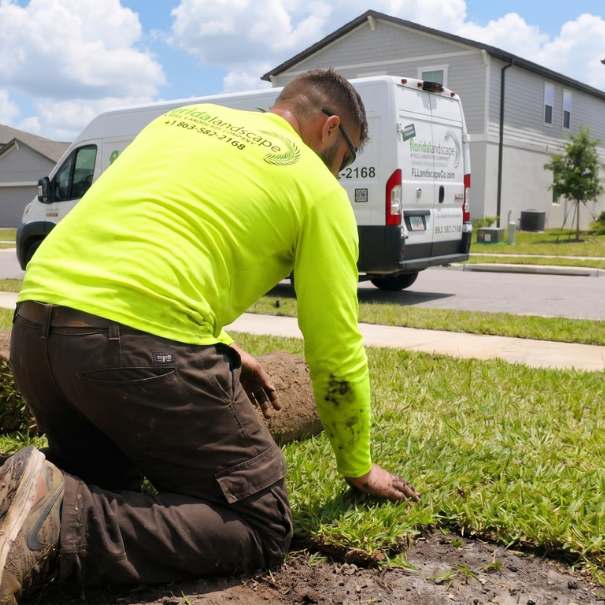
Choosing between zoysia and St. Augustine gets a lot easier once someone evaluates your actual sun exposure, soil condition, irrigation setup, and HOA requirements. Whether you're dealing with thin, patchy St. Augustine that needs replacing or you're ready to upgrade to a lower-maintenance zoysia lawn, our crews handle grading, sod selection, and installation across Clermont, Davenport, and Winter Garden.
Request your free quote or call (863) 582-2168 for fast, local sod installation service in your neighborhood.

Get your free quote and expert advice today.
Ready to transform your garden? Get in touch with our expert team today for a free consultation and personalized plan.



Frequently Asked Questions
Which grass is better for Florida, zoysia or St. Augustine?

It depends on sun exposure and maintenance preference — zoysia performs better in full sun, handles drought better, and needs less frequent mowing, while St. Augustine tolerates shade better and establishes faster after installation.
What is the best grass for Central Florida lawns?
For most Central Florida yards with moderate-to-full sun, zoysia varieties like Empire or Zeon offer the best combination of drought tolerance, traffic resistance, and low mowing frequency. Shaded yards under oak canopies usually do better with St. Augustine.
Is zoysia grass more expensive than St. Augustine in Florida?
Yes, zoysia sod typically costs 20–30% more per pallet to install than St. Augustine, though it often costs less over time due to reduced mowing and fewer chinch bug treatments.
Does zoysia grass turn brown in Florida winters?
Zoysia goes semi-dormant and can turn tan or brown during cooler winter months, especially after a frost, then greens back up once temperatures warm in spring. This is normal dormancy, not disease or death.
Can I mix zoysia and St. Augustine in the same yard?
It's possible to zone different grasses by sun exposure, but mixing them in the same connected lawn area creates uneven growth rates, color mismatches, and mowing conflicts. Most installers recommend choosing one grass type per contiguous lawn zone.

