
.webp)
How to Winterize Your Irrigation System in Central Florida
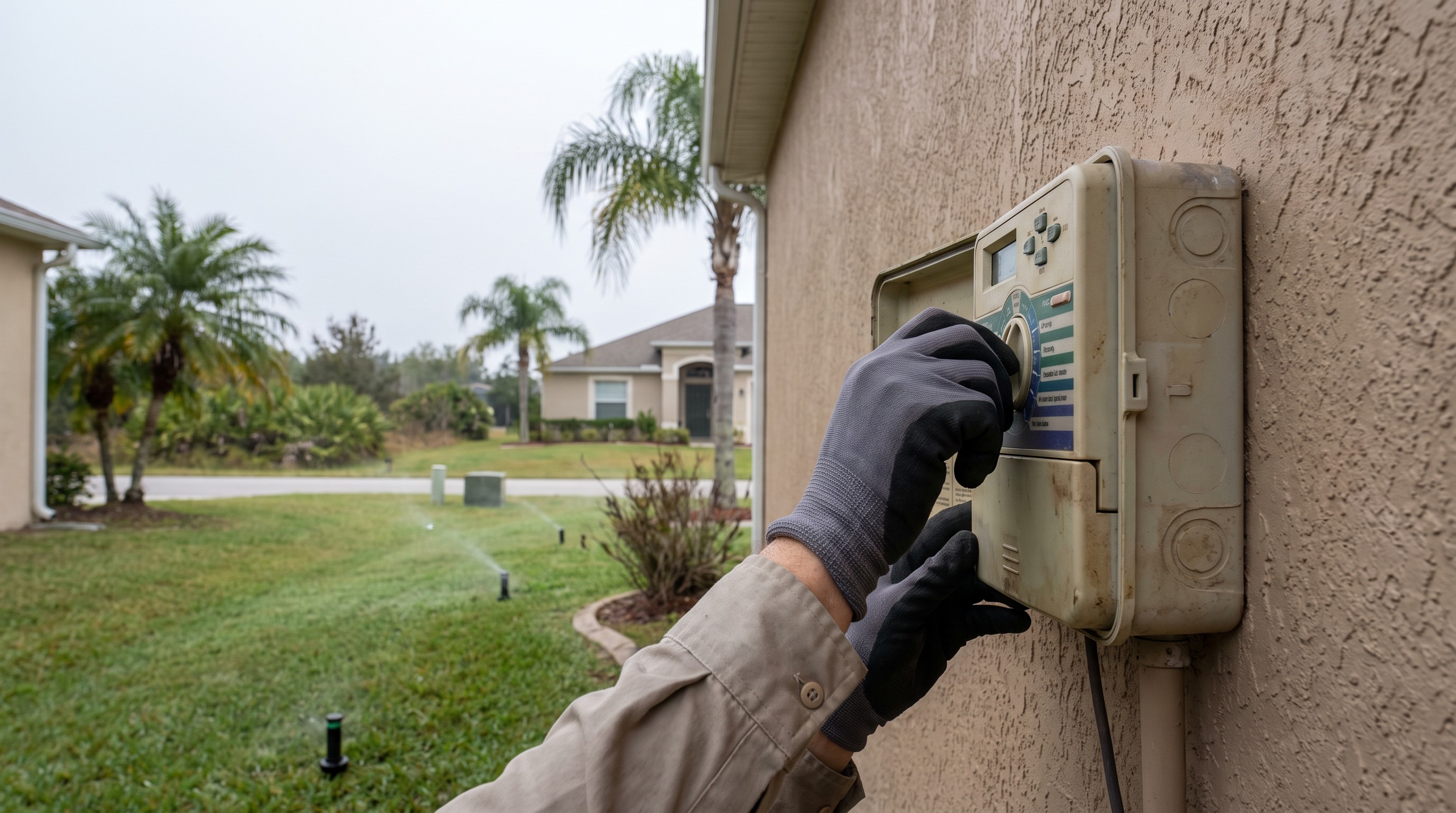
Winterizing an irrigation system in Central Florida is not about draining pipes before a hard freeze — it is about protecting exposed components during the handful of nights each winter that dip below 32°F. Homeowners who move from colder states often assume Florida sprinklers need the same shutdown routine as a system in Ohio or Minnesota. They don't, but skipping cold-season adjustments entirely leaves backflow preventers, exposed heads, and overwatered turf at risk from November through February.
Central Florida rarely sees a true freeze. Most winters bring a few overnight lows in the high 20s to low 30s, usually clustered around December and January cold fronts. Those short windows are exactly when unprotected irrigation hardware gets damaged — and exactly when most homeowners aren't thinking about their sprinkler system at all.
Why Central Florida Irrigation Still Needs Winter Adjustments
Grass growth slows dramatically once soil temperatures drop below 55°F, which typically happens by late November in Polk, Lake, and Orange counties. Warm-season turf like St. Augustine and Bahia goes semi-dormant and needs a fraction of the water it required in July.
Running a summer irrigation schedule through the winter wastes water, promotes fungal disease in cool, damp soil, and can violate local water restriction ordinances that many Central Florida counties enforce year-round. The Southwest Florida Water Management District and neighboring districts publish specific watering-day restrictions that shift seasonally, and irrigation timers left on autopilot are one of the most common compliance violations for HOAs.
The other half of the winter equation is cold protection. A single hard freeze event can crack a backflow preventer, split an exposed valve, or damage a sprinkler head that sits above grade near a driveway or sidewalk. These components hold small amounts of water that expand and crack fittings when temperatures drop suddenly.
Adjust Your Timer Schedule for Cooler Months
The single most impactful thing a homeowner can do heading into winter is cut back the irrigation timer. Most Central Florida lawns need irrigation only once every 10 to 14 days between December and February, compared to two to three times per week in summer.
• Reduce run frequency: Move from a multi-day-per-week schedule to a once-every-10-to-14-day cycle based on rainfall and turf appearance.
• Shorten run times slightly: Cooler soil holds moisture longer, so each zone typically needs 10-15% less runtime than its summer setting.
• Check your controller's rain sensor: Winter cold fronts often bring rain ahead of the temperature drop — a working rain sensor prevents watering right before or during a freeze event, which increases damage risk.
• Confirm the calendar/season setting: Many smart controllers have a seasonal adjustment percentage (sometimes called "water budget"). Set it to 40-60% of summer levels for winter months.
If your system doesn't have a smart controller yet, this is a good time to consider one. A professional irrigation service can install a controller that adjusts automatically based on local weather data, removing the guesswork from seasonal changes entirely.
Protect Backflow Preventers Before a Cold Snap
Backflow preventers are the piece of irrigation equipment most likely to suffer freeze damage in Central Florida, mainly because they're installed above ground and often left completely exposed. Water sitting inside the device expands when it freezes and can crack the housing, leading to a leak that isn't noticed until the next irrigation cycle floods the yard.
When forecasts call for temperatures at or below 32°F, take these steps the evening before:
1. Wrap the backflow preventer with an insulated cover, an old blanket, or foam pipe insulation — never plastic sheeting alone, which traps moisture against metal fittings.
2. Leave the device slightly open to drip if your model allows it; moving water is less likely to freeze solid than standing water.
3. Avoid running irrigation late in the evening on a freeze-warning night — a wet backflow assembly freezes faster than a dry one.
4. Remove and store the cover the next morning once temperatures rise back above freezing, since permanently wrapped devices can trap moisture and accelerate corrosion.
HOAs managing common-area irrigation should treat backflow protection as a checklist item during any freeze-warning week, not an afterthought. A cracked backflow preventer on a community's main irrigation line can shut down watering for an entire common area until it's replaced.
Zone-by-Zone Winter Adjustments
Not every zone in your system needs the same winter treatment. Splitting adjustments by zone type prevents overwatering some areas while under-protecting others.
Turf Zones
Reduce frequency the most here. Dormant or semi-dormant St. Augustine and Bahia grass in Winter Garden and surrounding communities needs minimal supplemental water once temperatures cool, especially after a rain event.
Shrub and Bed Zones
Established shrubs and mulched beds typically need even less water than turf in winter. Drip zones and micro-spray heads in planting beds can often be cut to a single short cycle every two weeks.
Exposed Head Zones Near Hardscape
Heads positioned close to driveways, sidewalks, or pool decks are the most exposed to radiant cold from concrete on freeze nights. Inspect these after any hard freeze — they crack more often than heads tucked into turf or beds.
New Sod or Recently Installed Plants
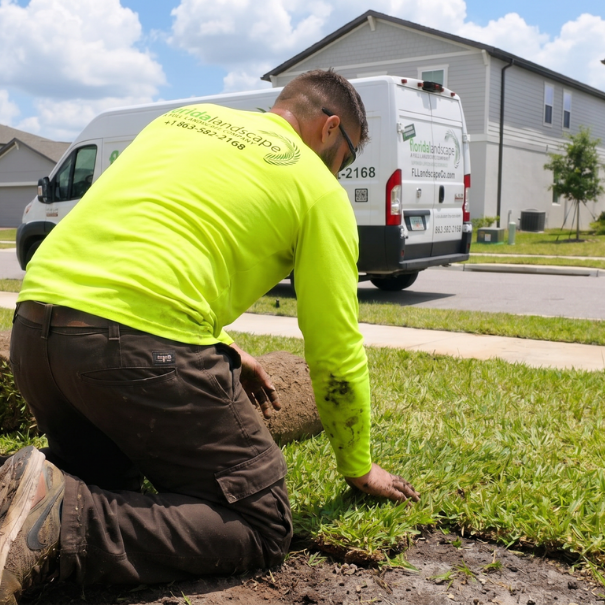
New installations need continued moisture even in winter to establish root systems. Don't apply the same aggressive cutback here that you would to established turf — check with whoever installed the sod for a establishment-specific schedule.
What Freeze Damage Looks Like — and How to Catch It Early
Freeze damage doesn't always announce itself immediately. A cracked fitting might not leak visibly until water pressure builds during the next scheduled cycle, sometimes days after the actual cold event.
Watch for these signs after any night below 32°F:
• Water pooling or bubbling at the base of the backflow preventer or valve boxes
• A hissing sound from the irrigation system when it's not running, which points to a pressurized leak
• Sprinkler heads that don't pop up fully or spray at odd angles — a sign of a cracked riser
• Unusually wet or soggy patches in the lawn that weren't there before the cold snap
• A spike in water bill charges the month following a freeze event, often the first clue for homeowners who don't visually inspect their system
The EPA WaterSense program estimates that a single irrigation leak as small as 1/32-inch can waste over 6,300 gallons per month — a useful reminder of how quickly a small freeze crack turns expensive. Running a quick visual inspection within a day or two of any hard freeze catches most damage before it compounds.
Building a Simple Winter Irrigation Routine
A repeatable routine removes the guesswork. Most Central Florida homeowners and HOA maintenance teams do well with this basic cadence from November through February:
1. Cut back the controller schedule in mid-to-late November as temperatures start dropping consistently.
2. Check the weather forecast weekly during December and January for freeze warnings.
3. Wrap the backflow preventer the evening before any forecast at or below 32°F.
4. Walk the property within 48 hours after any freeze event to check heads, valves, and the backflow assembly.
5. Adjust run times downward further if rainfall has been above normal for the month.
6. Return to a standard growing-season schedule once nighttime lows consistently stay above 50°F, typically by early March.
For HOAs and commercial properties managing irrigation across multiple zones or common areas, documenting each of these steps with dates creates a record that's useful for board reporting and for identifying recurring trouble spots year over year.
Schedule Your Irrigation Winterization in Winter Garden Today
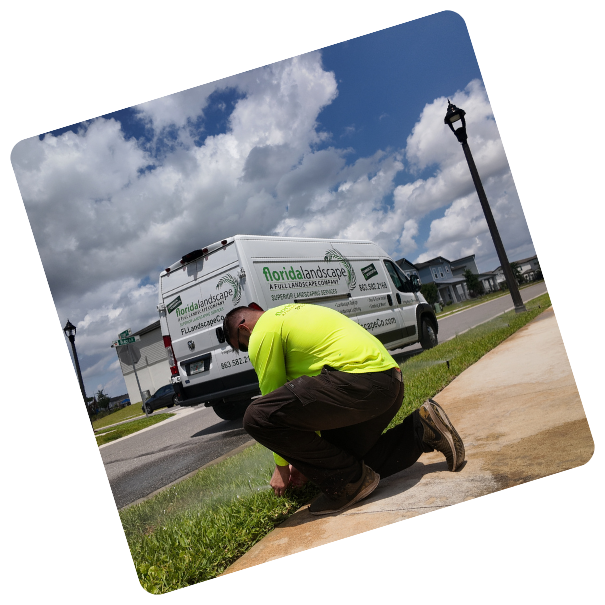
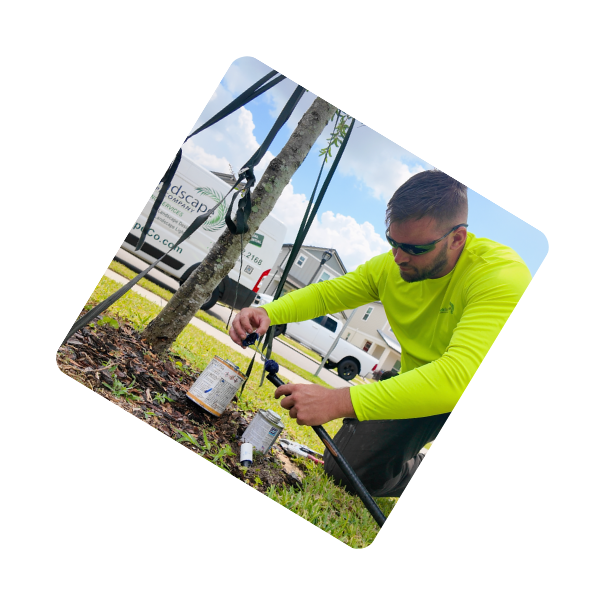
Cold snaps in Central Florida arrive with little warning, and a cracked backflow preventer or split sprinkler head left unnoticed can waste thousands of gallons before anyone spots the problem. Whether you're managing a single-family lawn or an HOA's common-area system, getting your timer schedule, backflow protection, and zone settings right before the first freeze warning saves money and prevents turf stress heading into spring. Florida Landscape Co. handles seasonal irrigation adjustments, freeze protection, and repairs for homeowners and communities throughout the Winter Garden area.
Request your free irrigation quote or call (863) 582-2168 for fast, local service in Winter Garden.

Get your free quote and expert advice today.
Ready to transform your garden? Get in touch with our expert team today for a free consultation and personalized plan.




Frequently Asked Questions
Does Central Florida irrigation need to be winterized like systems up north?

No. Central Florida systems rarely need full draining or shutdown, since hard freezes are brief and infrequent. Adjustments focus on reducing run times, protecting the backflow preventer during cold snaps, and inspecting exposed components after freeze events.
What temperature triggers freeze damage risk for sprinkler systems?
Damage risk increases once temperatures drop to or below 32°F, particularly for several consecutive hours overnight. A quick dip to 33-34°F rarely causes problems, but a hard freeze lasting four or more hours can crack exposed fittings.
How often should I run irrigation in Central Florida during winter?
Most established lawns need watering once every 10 to 14 days between December and February, adjusted based on rainfall. Overwatering in cool, damp winter conditions promotes fungal disease more than it helps dormant turf.
How do I protect my backflow preventer from freezing?
Wrap it with an insulated cover, foam pipe insulation, or a thick blanket before any forecast at or below 32°F, and remove the cover once temperatures rise. Avoid wrapping it in plastic alone, which traps moisture against the fittings.
What should I do if I find freeze damage on my irrigation system?
Shut off the affected zone or the main system if the leak is significant, then contact an irrigation technician to inspect and repair the damaged component before running that zone again. Continuing to run a cracked backflow preventer or valve wastes water and can worsen the damage.

