

How to Winterize Your Irrigation System in Central Florida
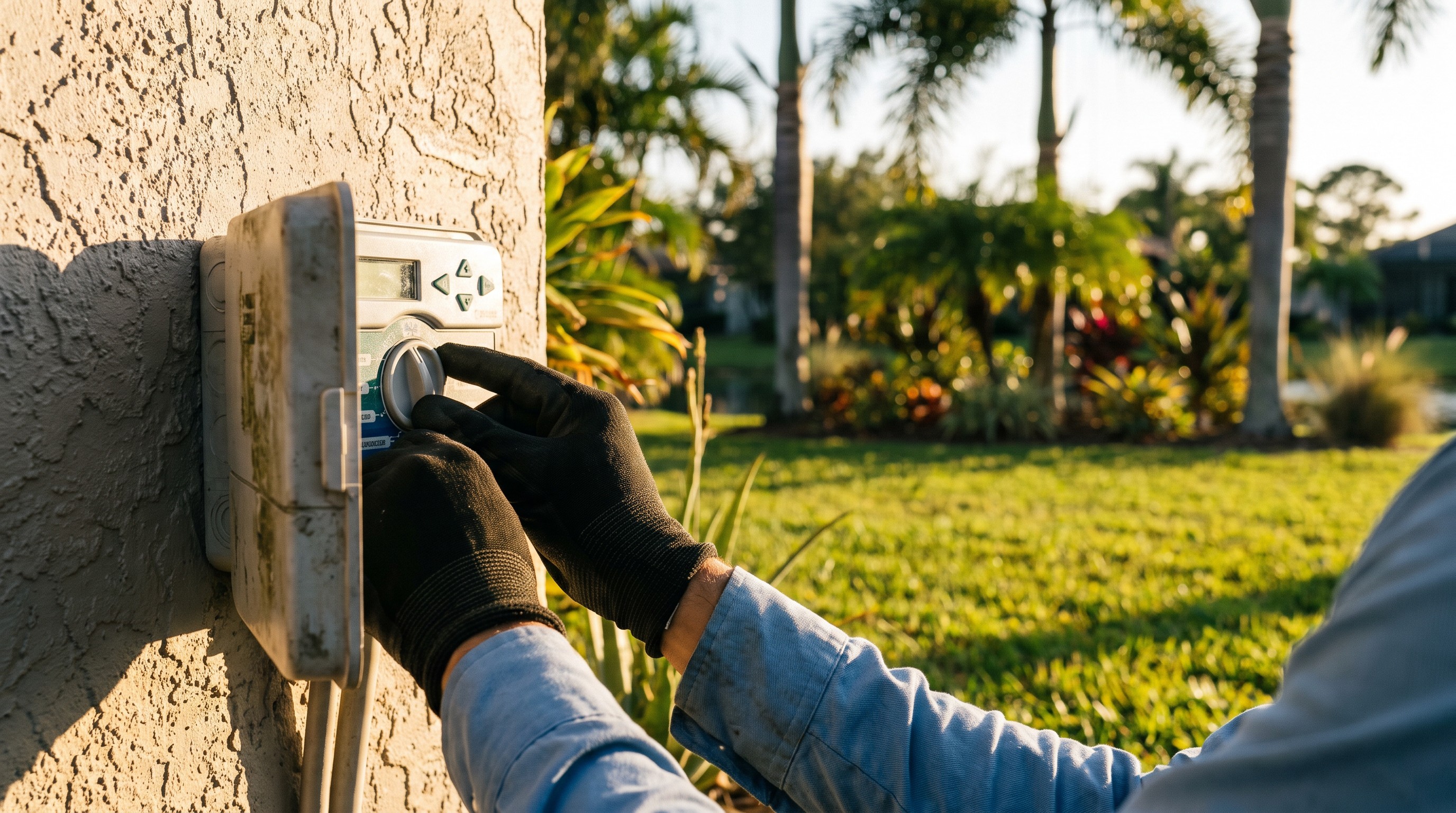
If you want to winterize irrigation system Central Florida style, the job has almost nothing to do with draining pipes or shutting the whole system down — it's about protecting exposed hardware during the handful of nights each year that dip below freezing, while cutting back watering to match a dormant lawn. Homeowners who relocate from colder states often assume Florida sprinklers need the same shutdown routine as a system in Ohio or Minnesota. They don't, but skipping cold-season adjustments entirely leaves backflow preventers, exposed heads, and overwatered turf at risk from November through February.
Central Florida rarely sees a true hard freeze. Most winters bring a handful of overnight lows in the high 20s to low 30s, usually clustered around December and January cold fronts moving through Polk, Lake, and Orange counties. Those short windows are exactly when unprotected irrigation hardware gets damaged — and exactly when most homeowners aren't thinking about their sprinkler system at all.
Why Central Florida Irrigation Still Needs Winter Adjustments
Grass growth slows dramatically once soil temperatures drop below 55°F, which typically happens by late November across the Four Corners, Clermont, and Davenport areas. Warm-season turf like St. Augustine and Bahia goes semi-dormant and needs a fraction of the water it required in July.
Running a summer irrigation schedule through the winter wastes water, encourages fungal disease in cool, damp soil, and can violate local watering-day restrictions that most Central Florida water management districts enforce year-round. The Southwest Florida Water Management District publishes specific seasonal watering windows, and irrigation timers left on autopilot are one of the most common compliance violations we see in HOA communities across the region.
The other half of the winter equation is cold protection. A single hard freeze event can crack a backflow preventer, split an exposed valve, or damage a sprinkler head sitting above grade near a driveway or sidewalk. These components hold small amounts of water that expand and crack fittings when temperatures drop suddenly overnight, even if daytime highs bounce right back into the 60s and 70s.
Adjust Your Timer Schedule for Cooler Months
The single most impactful thing a homeowner can do heading into winter is cut back the irrigation timer. Most Central Florida lawns need irrigation only once every 10 to 14 days between December and February, compared to two or three times per week in summer.
• Reduce run frequency: Move from a multi-day-per-week schedule to a once-every-10-to-14-day cycle based on rainfall and turf appearance.
• Shorten run times slightly: Cooler soil holds moisture longer, so each zone typically needs 10-15% less runtime than its summer setting.
• Check your controller's rain sensor: Winter cold fronts often bring rain ahead of the temperature drop — a working rain sensor prevents watering right before or during a freeze event, which increases damage risk.
• Confirm the calendar/season setting: Many smart controllers have a seasonal adjustment percentage (sometimes called a "water budget"). Set it to 40-60% of summer levels for winter months.
If your system doesn't have a smart controller yet, this is a good time to consider one. Our irrigation installation and repair team can install a controller that adjusts automatically based on local weather data, which removes the guesswork from seasonal changes entirely and tends to pay for itself in water savings within a season or two.
Protect Backflow Preventers Before a Cold Snap
Backflow preventers are the piece of irrigation hardware most likely to crack during a Central Florida freeze, because they sit above ground and hold standing water inside brass or PVC fittings. When a hard freeze warning goes out — usually 24 to 48 hours ahead through local forecasts or the National Weather Service — wrapping the device in insulating foam covers or even a thick towel can prevent a split fitting.
Avoid covering a backflow preventer with plastic sheeting alone; trapped moisture underneath can actually make freeze damage worse. Insulated faucet covers sold at most hardware stores work well and can stay on through the coldest stretch of January without needing daily removal.
Tip: If your backflow preventer has cracked in a previous winter, that's a sign it needs permanent insulation or relocation, not just a one-time wrap during the next cold snap.
Protect Exposed Sprinkler Heads and Valves
Sprinkler heads near driveways, sidewalks, and pool decks are more exposed to radiant cold than heads buried in turf, since hardscape surfaces lose heat faster overnight. During an extended freeze watch, running a very short cycle (two to three minutes per zone) in the early morning hours before sunrise can actually help — moving water keeps it from sitting stagnant in a head long enough to freeze solid.
This only applies during active freeze events, not as a general winter practice. Outside of a cold snap, the goal is the opposite: run less water, less often, to match dormant turf demand.
Valve boxes buried below grade are naturally more insulated, but a cracked lid or a missing cover leaves the valve stem exposed to direct cold air. A quick fall inspection — part of what our crews check during recurring maintenance visits — catches these before a freeze turns a $20 fix into a full valve replacement.
When to Call a Professional for Winter Irrigation Service
Most winter irrigation adjustments are DIY-friendly: changing a timer schedule, draping an insulating cover over a backflow preventer, and walking the yard before a freeze watch. A few situations call for a professional visit instead.
If your system doesn't have a rain sensor, if the controller doesn't support seasonal adjustment percentages, or if you've had freeze damage in past winters, a technician can diagnose the root cause rather than treating symptoms every December. New-build homes in growth corridors like Horizon West and ChampionsGate sometimes have irrigation installed with builder-grade controllers that lack smart scheduling altogether — something worth flagging during a new construction landscaping walkthrough.
HOA and commercial properties carry extra stakes here, since a cracked backflow preventer or a burst valve on common-area irrigation can mean emergency repair costs charged back to the association. Boards managing shared irrigation systems benefit from a documented winter prep visit rather than relying on individual homeowners to notice problems.
Common Mistakes Homeowners Make Each Winter
1. Leaving the summer schedule running. Overwatering dormant turf in cool, damp soil is one of the fastest ways to invite fungal disease.
2. Ignoring the rain sensor. A disconnected or malfunctioning sensor means the system waters right before a freeze, soaking components that then crack overnight.
3. Covering a backflow preventer with plastic only. Trapped moisture under plastic sheeting can worsen freeze damage instead of preventing it.
4. Skipping a fall inspection. Small cracks, loose valve box lids, and misaligned heads are far cheaper to fix in November than after a freeze turns them into bigger problems.
5. Assuming "Florida doesn't freeze" means no action is needed. Even brief dips below 32°F for a few hours are enough to damage exposed fittings.
6. Forgetting HOA watering-restriction compliance. Many associations get flagged by county water authorities for timers left on summer settings through the dry winter months.

Get your free quote and expert advice today.
Ready to transform your garden? Get in touch with our expert team today for a free consultation and personalized plan.



Frequently Asked Questions
Do I need to drain my irrigation system for winter in Florida?

No. Central Florida's mild winters don't require a full drain-down like northern states. The priority is protecting exposed components like backflow preventers during brief freeze events and reducing your watering schedule to match dormant turf.
What temperature damages a sprinkler system in Florida?
Sustained temperatures below 32°F for more than a few hours put exposed backflow preventers, above-grade valves, and sprinkler heads near hardscape at risk of cracking. Even a short freeze overnight can cause damage if components aren't insulated.
How often should I run irrigation in winter in Central Florida?
Most lawns need watering only once every 10 to 14 days between December and February, adjusted based on recent rainfall. This is a significant cutback from the two-to-three-times-per-week summer schedule.
Should I cover my backflow preventer every night in winter?
Only during an active freeze watch or warning. Insulated covers should go on before a cold front arrives and come off once temperatures return above freezing, since trapped moisture under a cover during mild weather can promote corrosion.
Can I adjust my irrigation controller myself, or do I need a professional?
Most homeowners can adjust run times and frequency themselves through the controller's seasonal or water-budget setting. If your controller lacks that feature or you're unsure how to set it, a quick call to an irrigation technician saves time and prevents mistakes.

