
Winter Rye Grass Overseeding Florida: Is It Worth It for Central Florida Lawns?
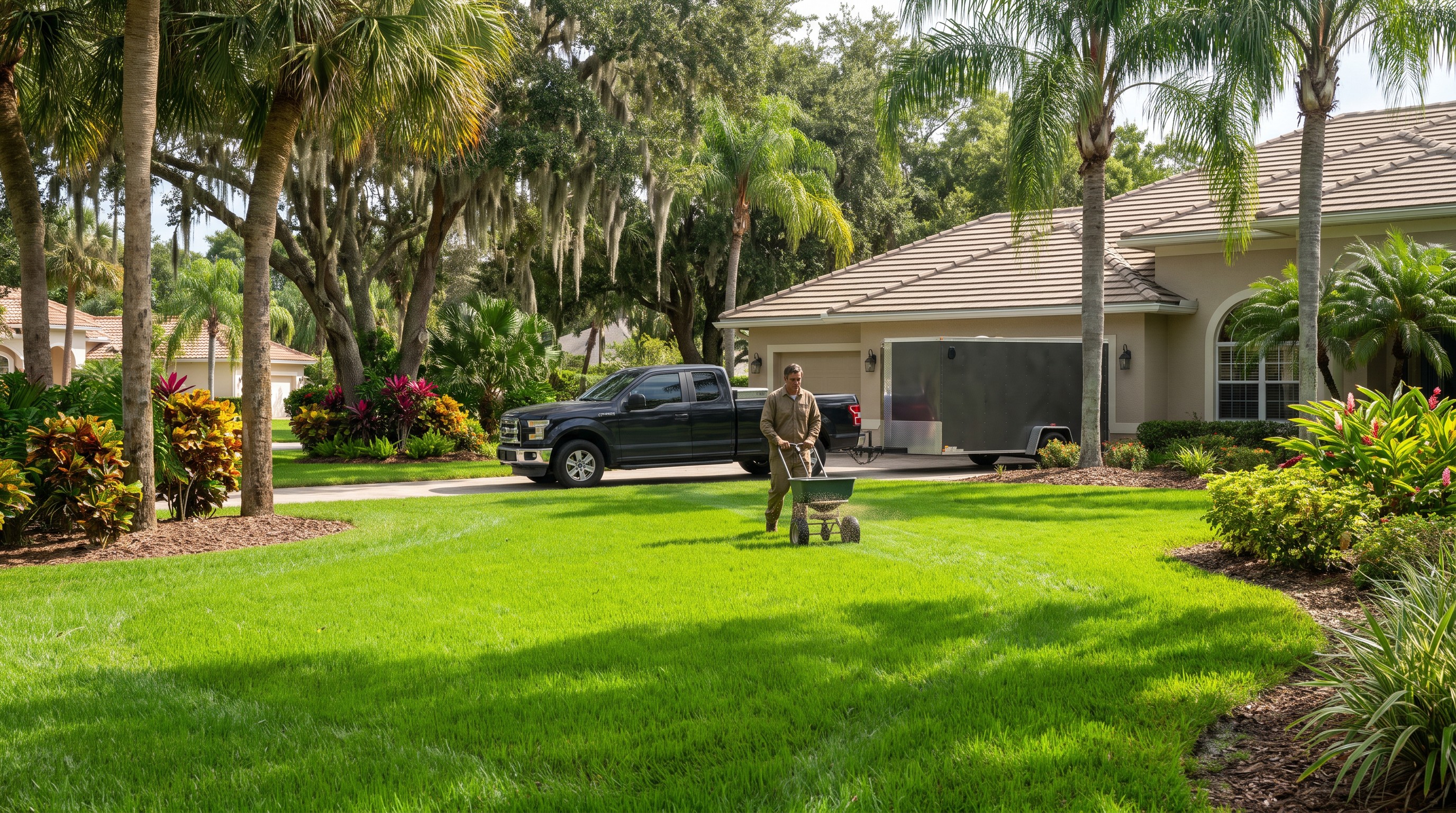
Winter rye grass overseeding florida lawns typically runs $300 to $800 for a quarter-acre yard, and for most Central Florida properties it's an optional cosmetic upgrade rather than a lawn health necessity. St. Augustine and Bahia, the two most common turf types in Polk and Lake County yards, naturally go dormant and turn tan or straw-colored once nighttime temperatures drop into the 50s. Overseeding with annual ryegrass covers that dormant color with a temporary green carpet, but it comes with real maintenance costs, timing requirements, and tradeoffs that homeowners and HOA boards should understand before signing off on it.
This guide breaks down what winter rye overseeding actually does to a Central Florida lawn, what it costs, when it needs to go down, and whether it makes sense for individual homeowners versus HOA common areas. We'll also cover the maintenance commitment ryegrass demands once it's established, because that's the part most quotes leave out.
What Winter Rye Overseeding Actually Does
Annual ryegrass is a cool-season grass that germinates fast, grows aggressively in temperatures most warm-season turf can't tolerate, and dies off completely once summer heat returns. Homeowners use it strictly for appearance. It does not feed, protect, or strengthen the dormant St. Augustine or Bahia underneath it.
Dormancy itself is not a problem. According to the University of Florida IFAS Gardening Solutions program, warm-season turf dormancy is a normal, healthy response to shorter days and cooler nights, and the grass resumes active growth on its own once spring temperatures return. Overseeding doesn't speed up that recovery. In some cases it can actually delay spring green-up if the ryegrass is allowed to linger too long and compete with the base turf for light and water.
What Winter Rye Grass Overseeding Costs in Central Florida
Pricing depends on lawn size, seed density, and whether the job includes core aeration beforehand, which most reputable installers recommend for seed-to-soil contact.
• Small residential lots (under 5,000 sq ft): $150 to $300
• Average quarter-acre yard: $300 to $500
• Half-acre to full-acre properties: $600 to $1,200
• HOA common areas and entry corridors: priced per square foot, often $0.08 to $0.15 per sq ft depending on access and equipment needs
Those figures cover seed and labor only. Ryegrass needs more frequent mowing than dormant St. Augustine, typically every 7 to 10 days through the winter instead of once every few weeks, which adds ongoing cost to a maintenance contract. It also needs consistent irrigation through the dry season to stay green, which runs against Florida's winter water restrictions in many counties.
Timing: When Overseeding Has to Happen
Timing is the single biggest factor in whether winter rye overseeding succeeds or fails in Central Florida. Seed down too early and ryegrass germinates into still-warm soil competing with active St. Augustine, which stresses both grasses. Seed too late and cold snaps kill young seedlings before they establish.
The practical window for Polk, Lake, and West Orange counties runs from mid-October through mid-November, once soil temperatures have cooled but before the first hard frost risk arrives. Our crews track regional soil temperature data every fall before scheduling overseed jobs for clients who want it, because a week in either direction changes the outcome significantly.
Spring transition matters just as much. Ryegrass needs to be mowed out or allowed to die back naturally by late March to early April so it doesn't shade or smother the warm-season turf trying to wake up underneath it. Lawns that skip this step often show patchy, uneven green-up in May.
Is It Worth It for HOA Common Areas?
HOA boards face a different calculation than individual homeowners. Entry signage, clubhouse lawns, and high-visibility common areas carry reputational weight for the whole community, and a dormant tan lawn at the front entrance reads differently to prospective buyers touring the neighborhood in January than it does to a resident who already lives there.
"Boards usually land on overseeding the entrance and amenity center only, not every common area. It gets the curb appeal win where it matters most without tripling the maintenance budget." — Florida Landscape Co. crew lead
That selective approach is the most common recommendation we make to boards through our HOA landscaping services. Overseeding every common area in a large community adds a recurring line item to the landscaping contract for roughly five months a year, with added mowing frequency and irrigation demand. Limiting it to entry signage, pool decks, and clubhouse frontage captures most of the visual benefit at a fraction of the cost.
Boards should also budget for the spring transition labor. Mowing ryegrass down low enough to let dormant turf break through cleanly takes more passes than a standard cut, and it needs to happen on a tight schedule rather than whenever it fits the regular rotation.
When Overseeding Doesn't Make Sense
For most single-family homeowners, winter rye grass overseeding is a discretionary purchase rather than a lawn care requirement. A few situations where we typically advise against it:
• Lawns with existing dry patches or thin turf: Overseeding adds stress and competition to turf that's already struggling. It's better to address the underlying irrigation or soil issue first through our irrigation repair services before layering new seed on top.
• Properties under water restrictions: Many Central Florida municipalities limit irrigation days in winter. Ryegrass needs consistent watering to establish and stay green, which conflicts directly with those restrictions.
• Homes planning to sell before spring: If a sale is likely before the spring transition period, overseeding can backfire if the lawn shows patchy die-back right as the home goes on the market.
• Yards with recently installed sod: New St. Augustine or Zoysia needs its first full growing season to root in before adding competing turf on top of it. Ask about timing if you've recently had sod installation done.
Alternatives Worth Considering
Homeowners who want winter curb appeal without the cost and water demand of overseeding have other options that fit Florida's climate better. Seasonal color beds using cold-tolerant annuals around entryways and foundation plantings deliver visible color through the dormant months with far less water demand than a full lawn overseed. A fresh mulch refresh before the holidays also sharpens the appearance of planting beds and makes dormant turf look more intentional rather than neglected.
For properties that genuinely struggle with bare or thin spots through winter, the better long-term fix is often correcting soil compaction, adjusting the irrigation schedule, or switching problem zones to a more cold-tolerant cultivar during a planned renovation rather than overseeding every year as a workaround.
Request Your Lawn Care Quote in Clermont Today
Whether you're weighing winter rye overseeding for a single yard or deciding how to handle common areas across an HOA community, the right call depends on soil condition, irrigation capacity, and how much winter curb appeal actually matters for your property. Our crews evaluate each lawn individually rather than selling a blanket overseed package to every client. We also handle the spring transition mowing that most overseed jobs need to avoid patchy die-back.
Request your free quote or call (863) 582-2168 for fast, local service in Clermont and across Central Florida.

Get your free quote and expert advice today.
Ready to transform your garden? Get in touch with our expert team today for a free consultation and personalized plan.




Frequently Asked Questions
Does ryegrass hurt St. Augustine grass in Florida?

It can if left too long into spring. Ryegrass competing with emerging St. Augustine for light and water in April and May often causes thin or patchy regrowth, which is why spring mow-out timing matters as much as fall seeding timing.
How long does winter rye grass stay green in Central Florida?
Typically from establishment in late October or November through late March, depending on winter temperatures. A harder freeze can shorten that window, while a mild winter extends it closer to April.
Can I overseed my lawn myself instead of hiring a crew?
Homeowners can apply seed themselves, but results depend heavily on soil prep, seed density, and watering consistency during the first three weeks. Professional overseeding usually includes core aeration first, which significantly improves seed-to-soil contact and germination rates.
Is winter rye grass overseeding required by HOA rules?
No Central Florida HOA requires overseeding by default, but some community covenants set minimum appearance standards for common areas or front yards that boards choose to meet through seasonal overseeding rather than other methods.
Does overseeding use more water during Florida's dry season?
Yes. Ryegrass needs consistent moisture to germinate and stay green, which typically means watering through winter months when dormant St. Augustine would otherwise need very little. Check local water restriction schedules before committing to an overseed plan, as outlined by the Florida-Friendly Landscaping program.

