

Winter Annuals for Central Florida: Your November-to-February Color Guide
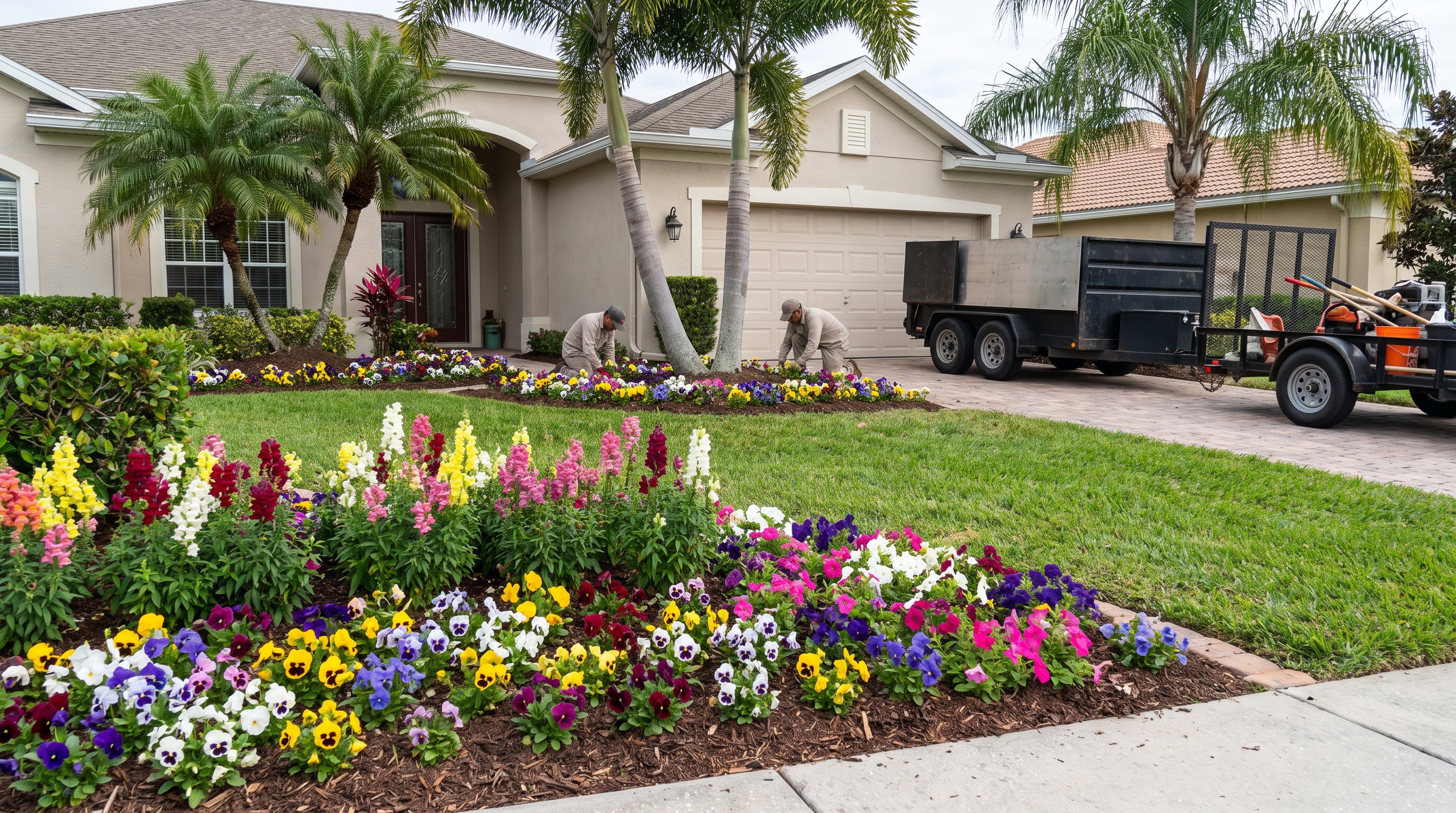
Winter annuals for Central Florida are the single easiest way to keep a landscape looking alive while summer plants go dormant and the growing season slows down. Between November and February, Polk, Lake, and West Orange County yards can either sit bare and brown or burst with pansies, petunias, and snapdragons in full bloom. The difference almost always comes down to bed prep and plant selection, not luck.
Central Florida's mild winters are actually an advantage most Northern gardeners would envy. Average daytime temperatures in the 60s and 70s, combined with occasional cool nights, create ideal conditions for cool-season flowers that would wilt in July heat. Homeowners and HOAs who plant strategically in late fall get four solid months of color with relatively low maintenance.
Why Central Florida Winters Work for Annual Color
Most of the country associates winter with dormant landscapes. Central Florida flips that script. Once nighttime lows drop out of the 80s and daytime heat eases into the 60s and 70s, cool-season annuals thrive in ways they simply cannot during a Florida summer.
This window typically runs from early November through late February, sometimes stretching into March depending on how late the last frost arrives. According to the National Weather Service, Central Florida's average first frost date falls in mid-to-late December in most years, giving planted beds several weeks of establishment time before any real cold threat arrives.
The catch is that these same annuals cannot handle Florida's humidity and heat the rest of the year. Plant them too early in a lingering warm October and they stretch, get leggy, and rot at the base. Plant them too late and you lose weeks of bloom time. Timing matters as much as plant choice.
The Top Winter Annuals for Central Florida Yards
Three plants dominate winter color beds across Clermont, Davenport, and Haines City for good reason: they are reliable, widely available, and tolerant of occasional cold snaps.
Pansies handle light frost without damage and come in nearly every color combination available in the annual world. They prefer full sun to partial shade and bloom heaviest when nighttime temperatures stay below 65 degrees, which makes December and January their peak performance months in this region.
Petunias bring a looser, trailing habit that works well in beds, hanging baskets, and mixed containers near entryways. They need more sun than pansies and benefit from deadheading every two to three weeks to keep blooms coming through February.
Snapdragons add height and vertical interest that pansies and petunias cannot provide on their own. Planted in the back of a bed or mixed through the middle, they tolerate cold snaps into the mid-20s for short periods and often rebloom after a light frost knocks back the first flush.
Combining all three creates layered beds with varying heights, textures, and bloom cycles, which keeps color consistent even as individual plants cycle through their peak weeks. This layering approach is one of the simpler landscape design principles that make a planted bed look intentional rather than scattered.
Bed Prep: The Step Most Homeowners Skip
Buying good plants and skipping bed prep is the most common reason winter annuals underperform in Central Florida. Sandy native soil drains fast and holds almost no nutrients, which means amended beds dramatically outperform unprepared ones.
1. Clear out spent summer annuals and any weeds, roots included, before planting anything new.
2. Work two to three inches of compost or aged manure into the top six inches of soil to improve structure and nutrient content.
3. Test drainage by soaking the bed and checking that water clears within a few hours rather than pooling.
4. Apply a balanced slow-release fertilizer labeled for flowering annuals, following label rates rather than guessing.
5. Space plants according to their mature spread, not their current container size, to avoid overcrowding by January.
6. Finish with a one- to two-inch layer of mulch to regulate soil temperature and cut down on weed pressure through winter.
Tip: Water newly planted annuals deeply at installation, then taper to every two to three days until roots establish, adjusting for rainfall.
Soil preparation research from the University of Florida IFAS Extension consistently shows that amended, well-drained beds produce stronger root systems and longer bloom cycles than unamended sandy soil, which matters most during the stretch when annuals are working hardest from December through February.
Common Mistakes That Shorten Bloom Time
1. Planting too early: Setting out pansies or snapdragons in late September or early October while soil temperatures are still summer-hot stresses roots before they ever get a chance to establish.
2. Overwatering in cooler weather: Winter rainfall plus daily irrigation on an unadjusted system drowns roots faster than drought stresses them. Irrigation schedules need a seasonal adjustment, not a shutoff.
3. Skipping fertilizer: Sandy soil runs out of nutrients within weeks without supplemental feeding, leading to pale, stunted growth by January.
4. Ignoring frost warnings: A hard freeze with no row cover or mulch protection can wipe out a bed overnight, even with cold-tolerant varieties.
5. Planting in the wrong light: Petunias in heavy shade or pansies in blazing all-day sun both underperform compared to their ideal four-to-six-hour sun window.
6. Crowding plants too tightly: Dense spacing looks fuller at installation but invites fungal issues once humidity rises during any warm winter stretch.
Maintaining Color Through February
Winter annuals are not a plant-and-forget investment. Deadheading spent blooms every two to three weeks keeps petunias and snapdragons producing new flowers instead of going to seed.
Light fertilizing every four to six weeks sustains color output through the full season, especially in beds that get consistent rainfall or irrigation runoff. A slow-release granular product applied once at planting, with a liquid feed mid-season, covers most residential beds without overdoing it.
Watch the extended forecast for hard freezes, particularly in January, and cover tender beds with frost cloth when temperatures are expected to drop into the upper 20s or lower. This single step prevents the most common total-loss scenario for winter color beds in this region.
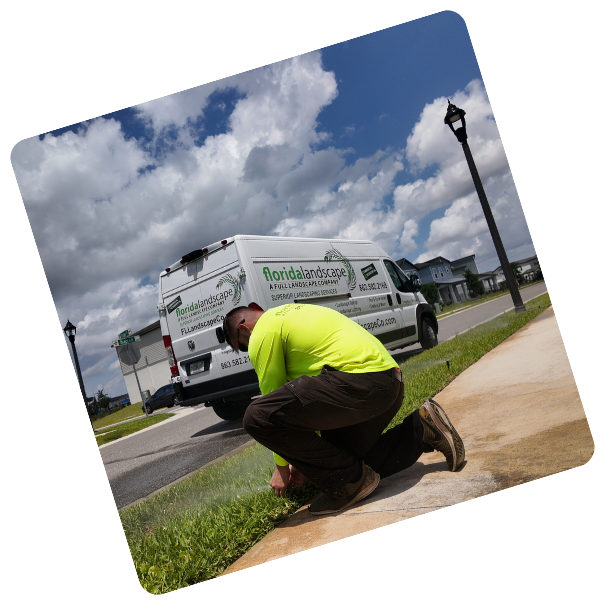
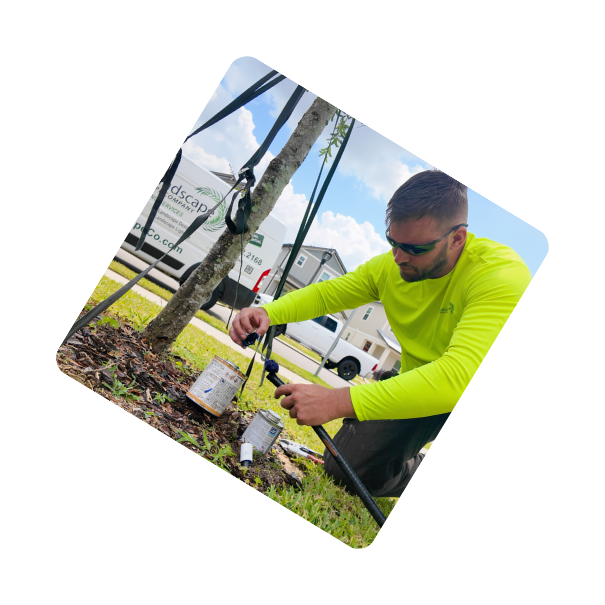
For homeowners managing irrigation timing alongside seasonal planting, our irrigation repair and adjustment services make sure watering schedules match what cool-season annuals actually need instead of running on a summer setting by default.
Where Winter Annuals Fit Into a Full Landscape Plan
Seasonal color beds work best when they are part of a broader, well-maintained landscape rather than an isolated project. A yard with healthy turf, trimmed shrubs, and fresh mulch makes a winter annual bed look even sharper by comparison.
HOAs and property managers across Horizon West and Winter Garden often use winter annuals specifically at entry signage and common-area beds, since these high-visibility spots benefit most from a seasonal refresh. Consistent color at entrances signals active, well-managed property upkeep to residents and visitors alike.
If your beds need more than a seasonal swap, our landscape design and installation team can handle everything from soil grading to a full planting plan built around Central Florida's growing calendar. Pairing that with routine lawn and landscape maintenance keeps the rest of the property looking as sharp as the color beds do.
Get Your Winter Annual Beds Planted in Central Florida
If your beds are bare, overgrown, or still holding onto tired summer plants, now is the window to prep soil and get pansies, petunias, and snapdragons established before the coldest nights arrive. Whether you need a one-time seasonal planting, ongoing bed maintenance, or a full landscape refresh across an HOA community, our crews handle soil prep, plant selection, and installation from start to finish.
Request your free quote or call (863) 582-2168 for fast, local service in Central Florida.

Get your free quote and expert advice today.
Ready to transform your garden? Get in touch with our expert team today for a free consultation and personalized plan.




Frequently Asked Questions
When should I plant winter annuals in Central Florida?

Early to mid-November is the ideal window, after nighttime temperatures have dropped out of the 80s but before the first frost typically arrives in mid-to-late December.
Do pansies and petunias survive frost in Central Florida?
Pansies tolerate light frost without damage, while petunias can suffer leaf burn in a hard freeze unless covered. Snapdragons handle cold snaps into the mid-20s and often rebloom afterward.
How often should I water winter annuals?
Water newly planted beds every two to three days until established, then adjust based on rainfall. Overwatering during cooler, humid stretches is more damaging than underwatering.
Can winter annuals grow in shade?
Pansies tolerate partial shade better than petunias or snapdragons, which both need at least four to six hours of direct sun to bloom well through the season.
How long do winter annuals last in Central Florida?
Most winter annuals bloom reliably from November through late February, sometimes into March, before rising spring temperatures end their cycle.

