.webp)
When to Fertilize Your Lawn in Central Florida (And When Not To)
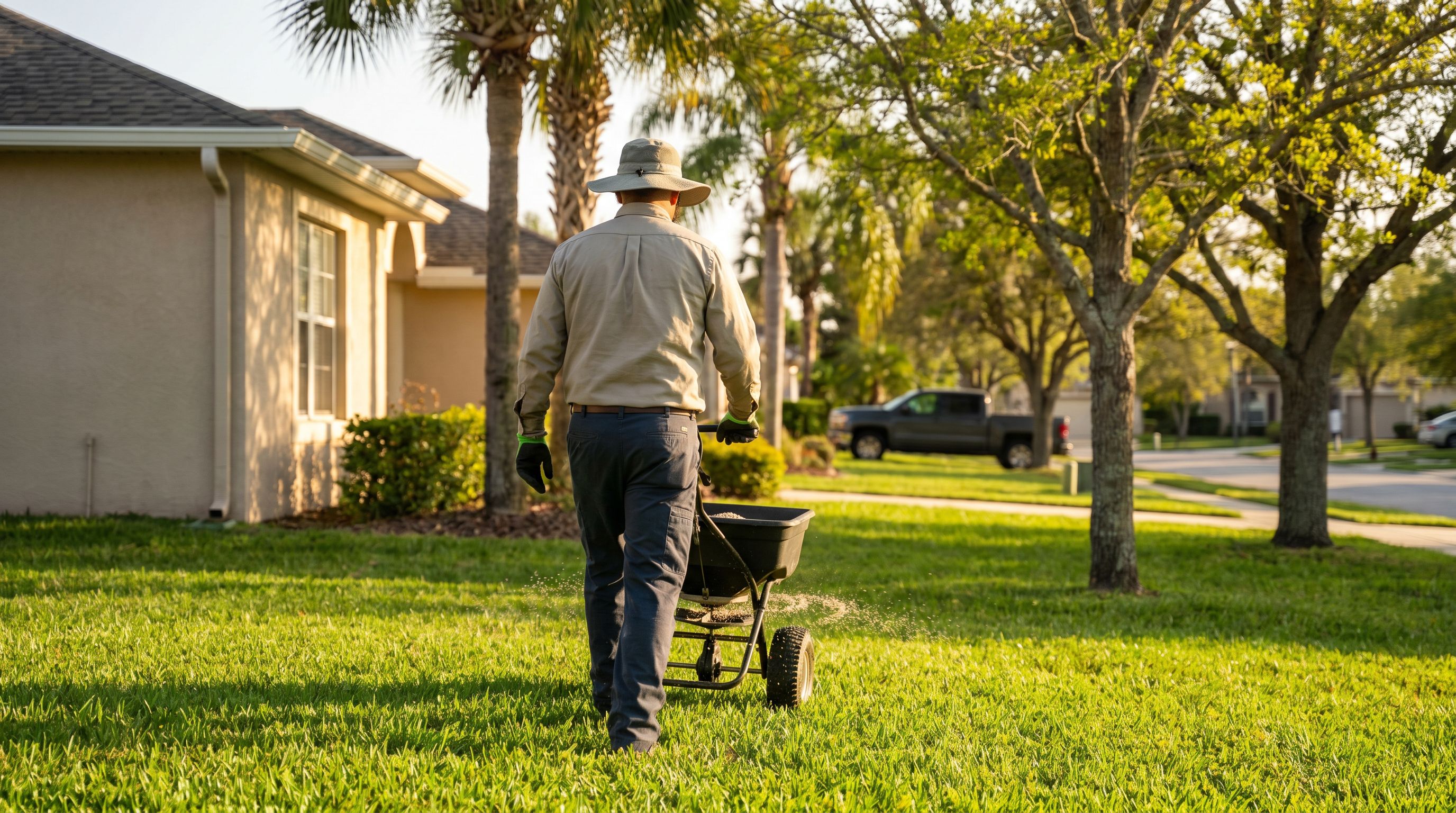
When to fertilize lawn in Central Florida depends on county ordinances, grass type, and rainy season timing — not just when your grass looks hungry. Central Florida's summer fertilizer blackout runs June 1 through September 30 in Polk, Lake, and Orange counties, making this period legally off-limits for nitrogen and phosphorus applications.
This blackout isn't a suggestion. It's a county ordinance designed to prevent nutrient runoff into Central Florida's lakes and waterways during our heaviest rain period. Violating these ordinances can result in fines and environmental damage that affects the entire watershed.
Understanding this schedule — and what your specific grass type needs during each window — determines the difference between a thick, healthy lawn and one that struggles year-round.
Central Florida Fertilizer Blackout Dates by County
The fertilizer blackout period varies slightly between Central Florida counties, but most follow the June 1 to September 30 window. This timing coincides with Central Florida's wet season when afternoon thunderstorms deliver 60-70% of our annual rainfall.
Polk County: June 1 - September 30 (nitrogen and phosphorus prohibited)
Lake County: June 1 - September 30 (nitrogen and phosphorus prohibited)
Orange County: June 1 - September 30 (nitrogen and phosphorus prohibited)
During blackout periods, you can still apply potassium-only fertilizers and iron supplements. Iron provides color enhancement without promoting the rapid growth that leads to increased mowing and potential runoff issues.
Areas like Haines City, Clermont, and Winter Garden all fall under these county restrictions. Property managers and homeowners who ignore these dates risk fines and contribute to water quality problems affecting local lakes and conservation areas.
February Through March: Post-Winter Recovery Feeding
February marks the beginning of fertilization season in Central Florida. Grass emerges from winter dormancy as soil temperatures consistently reach 65°F and daylight hours increase. This timing allows nutrients to support new growth rather than sitting unused in cool soil.
The first application should be a balanced, slow-release fertilizer like 16-4-8 or 15-0-15. These formulations provide nitrogen for green-up, moderate phosphorus for root development, and potassium for overall plant health. Slow-release nitrogen prevents the growth flush that comes with quick-release options.
St. Augustine grass: Requires the heaviest feeding during this window. Apply 1 pound of nitrogen per 1,000 square feet using a slow-release formula. This grass type grows aggressively once temperatures warm and needs adequate nutrition to support its spreading growth habit.
Bahia grass: Needs significantly less fertilizer than St. Augustine. Apply 0.5 to 0.75 pounds of nitrogen per 1,000 square feet. Over-fertilizing Bahia leads to excessive growth and increased maintenance requirements without improving turf quality.
Zoysia grass: Falls between St. Augustine and Bahia in nutritional needs. Apply 0.75 pounds of nitrogen per 1,000 square feet. Zoysia's slower growth rate means it uses nutrients more efficiently than St. Augustine.
April Through May: Pre-Blackout Window
April and May represent the final opportunity for nitrogen and phosphorus applications before the summer blackout. This window becomes critical for lawns showing signs of nutrient deficiency or those that missed the February-March application.
Watch for these signs that indicate fertilization needs: pale yellow color in grass blades, slow growth despite warm temperatures, and thin turf density. These symptoms suggest nitrogen deficiency rather than overwatering, which causes darker yellowing and potential root rot.
A second spring application works best for St. Augustine lawns that receive heavy use or grow in sandy soil that leaches nutrients quickly. Bahia and Zoysia typically don't require this second feeding unless soil tests indicate specific deficiencies.
Professional lawn maintenance services time this application to maximize nutrient uptake before the restricted period begins. The goal is providing enough nutrition to sustain healthy growth through the blackout months without creating excessive growth that increases maintenance demands.
June 1 Through September 30: When to Fertilize Lawn in Central Florida Blackout Period
During Central Florida's fertilizer blackout, when to fertilize lawn becomes about what nutrients you can legally apply. Nitrogen and phosphorus are prohibited, but potassium and iron remain available for specific lawn care needs.
Iron sulfate applications provide color enhancement without promoting growth. Apply 2-4 ounces per 1,000 square feet when grass appears pale or yellow. Iron doesn't feed the grass but enhances chlorophyll production for deeper green color that lasts 4-6 weeks.
This period requires shifting focus from feeding to maintenance. Proper watering becomes more critical when fertilizer applications stop. Central Florida's afternoon thunderstorms provide irregular watering that often oversaturates soil, leading to shallow root systems and fungal issues.
Signs of overwatering during blackout months include mushroom growth in the lawn, spongy soil that stays wet, and grass that wilts despite adequate moisture. These conditions indicate root problems rather than nutrient deficiency.
Grass Type
Iron Application Rate
Color Duration
Blackout Period Strategy
St. Augustine
3-4 oz per 1,000 sq ft
4-6 weeks
Monthly iron, monitor for chinch bugs
Bahia
2-3 oz per 1,000 sq ft
6-8 weeks
Iron every 6-8 weeks, minimal intervention
Zoysia
2-3 oz per 1,000 sq ft
4-6 weeks
Iron as needed, focus on disease prevention
Document any fertilizer applications during this period to ensure compliance with county ordinances. Some municipalities conduct inspections and issue citations for nitrogen or phosphorus use during blackout months.
October Through November: Post-Blackout Recovery
October 1st reopens nitrogen and phosphorus applications, but fall fertilization strategy differs from spring feeding. Fall applications focus on root development and winter hardiness rather than top growth. This timing prepares grass for Central Florida's dry season when irrigation becomes the primary water source.
Potassium-heavy fertilizers work best during this window. Formulations like 8-2-12 or 6-0-12 provide moderate nitrogen for continued growth plus high potassium for root strength and disease resistance. Potassium helps grass tolerate drought stress and recover from summer stress.
This application timing allows 6-8 weeks of nutrient uptake before grass begins winter dormancy. Central Florida grass doesn't go completely dormant like northern varieties, but growth slows significantly when nighttime temperatures consistently drop below 60°F.
Fall fertilization becomes especially important for St. Augustine grass that suffered summer stress from chinch bugs, fungal diseases, or drought conditions. These lawns need extra nutrition to rebuild density before winter slowdown begins.
December Through January: Winter Dormancy Period
Winter months require no fertilization in Central Florida. Grass growth slows to minimal levels, and soil temperatures drop below the threshold for effective nutrient uptake. Fertilizing dormant grass wastes money and can cause salt damage to roots.
Focus shifts to mechanical maintenance during winter months. This period allows for major lawn renovations, irrigation system repairs, and addressing drainage issues without disrupting active growth. Winter also provides the best window for establishing new Bahia grass from seed before spring growth begins.
Cold snaps occasionally damage Central Florida grass, especially St. Augustine varieties. Avoid fertilizing cold-damaged areas until new growth appears in spring. Premature fertilization can stimulate tender growth that remains susceptible to additional cold damage.
Professional lawn services use winter months for soil testing, equipment maintenance, and planning the following year's fertilization schedule. Soil tests conducted in January provide baseline data for adjusting spring fertilizer formulations based on actual nutrient levels.
Grass-Specific Fertilization Differences
Each grass type common in Central Florida has distinct nutritional requirements that affect fertilization timing and rates. Understanding these differences prevents over-fertilization that leads to increased maintenance and potential environmental problems.
St. Augustine grass demands the highest nitrogen inputs among Central Florida varieties. This warm-season grass spreads aggressively through stolons and requires 3-5 pounds of nitrogen per 1,000 square feet annually. Heavy feeding supports the dense growth that makes St. Augustine effective for high-traffic areas.
Bahia grass thrives on minimal fertilization. Annual nitrogen requirements rarely exceed 2-3 pounds per 1,000 square feet. Over-fertilizing Bahia stimulates excessive top growth without improving turf quality or density. This grass evolved in poor soils and maintains acceptable appearance with minimal inputs.
Zoysia grass requires moderate fertilization between St. Augustine and Bahia levels. Annual nitrogen needs range from 2-4 pounds per 1,000 square feet depending on traffic and desired appearance. Zoysia's slower growth rate means nutrients remain available longer than with St. Augustine.
Sandy soils common throughout Central Florida require more frequent, lighter applications regardless of grass type. Sand drains quickly and leaches nutrients faster than clay soils. Split annual fertilizer requirements into 3-4 applications rather than heavy single feedings.
Signs Your Lawn Needs Professional Fertilization Management
Several indicators suggest your fertilization program needs professional adjustment. Pale yellow grass during growing season typically indicates nitrogen deficiency, while dark green grass with excessive growth suggests over-fertilization.
Uneven color patterns across the lawn point to application problems rather than nutrient deficiency. Professional equipment ensures even distribution that prevents striping or patchy appearance common with homeowner applications.
Fungal diseases during summer months often result from improper fertilization timing or rates. Excessive nitrogen during humid conditions creates ideal environments for brown patch, gray leaf spot, and other diseases that damage Central Florida lawns.
Professional services track county ordinance changes, soil test recommendations, and weather patterns that affect fertilization timing. This knowledge ensures compliance with local regulations while maintaining optimal turf health throughout the year.
Tip: Document fertilization dates, products used, and application rates to track what works best for your specific lawn conditions and grass type.
Get Professional Fertilization Scheduling for Your Central Florida Lawn
Managing fertilization timing, county blackout periods, and grass-specific requirements becomes complex for busy homeowners. Professional lawn care ensures your grass receives proper nutrition at legal application windows while avoiding the over-fertilization that creates maintenance problems and environmental concerns.
Central Florida's unique combination of sandy soils, variable rainfall, and strict ordinances requires local expertise that comes from years of experience managing lawns in our specific conditions. Professional services stay current with changing regulations and adjust programs based on weather patterns and individual lawn needs.
Contact Florida Landscape Co. at (863) 582-2168 to discuss a fertilization program that keeps your lawn healthy year-round while staying compliant with county blackout periods. Visit our contact page to schedule a consultation and soil test that determines your lawn's specific nutritional needs.

Get your free quote and expert advice today.
Ready to transform your garden? Get in touch with our expert team today for a free consultation and personalized plan.



Central Florida Lawn Fertilizing: Frequently Asked Questions
Can I fertilize my lawn in July in Central Florida?

No, July falls within the county fertilizer blackout period (June 1 - September 30) in Polk, Lake, and Orange counties. You cannot apply nitrogen or phosphorus fertilizers during this time, but iron supplements for color are permitted.
What happens if I fertilize during blackout period in Florida?
Violating county fertilizer ordinances can result in fines and contributes to water pollution in local lakes and waterways. Some municipalities actively enforce these ordinances through inspections and citations.
When should I fertilize St Augustine grass in Florida?
Fertilize St. Augustine grass in February-March for spring green-up, optionally in April-May for heavy-use areas, and October-November for root strengthening before winter. Avoid all nitrogen and phosphorus applications June 1 through September 30.
How often should I fertilize my lawn in Central Florida?
Most Central Florida lawns need 2-3 fertilizer applications annually: spring (February-March), optional pre-blackout (April-May), and fall (October-November). Bahia grass may only need 1-2 applications while St. Augustine benefits from the full schedule.
What fertilizer should I use in Central Florida summer?
During summer blackout months, you can only apply potassium-only fertilizers and iron supplements. Iron sulfate at 2-4 ounces per 1,000 square feet provides color enhancement without promoting growth or violating county ordinances.

