.webp)
The Property Manager Landscaping Checklist Every Central Florida Community Needs
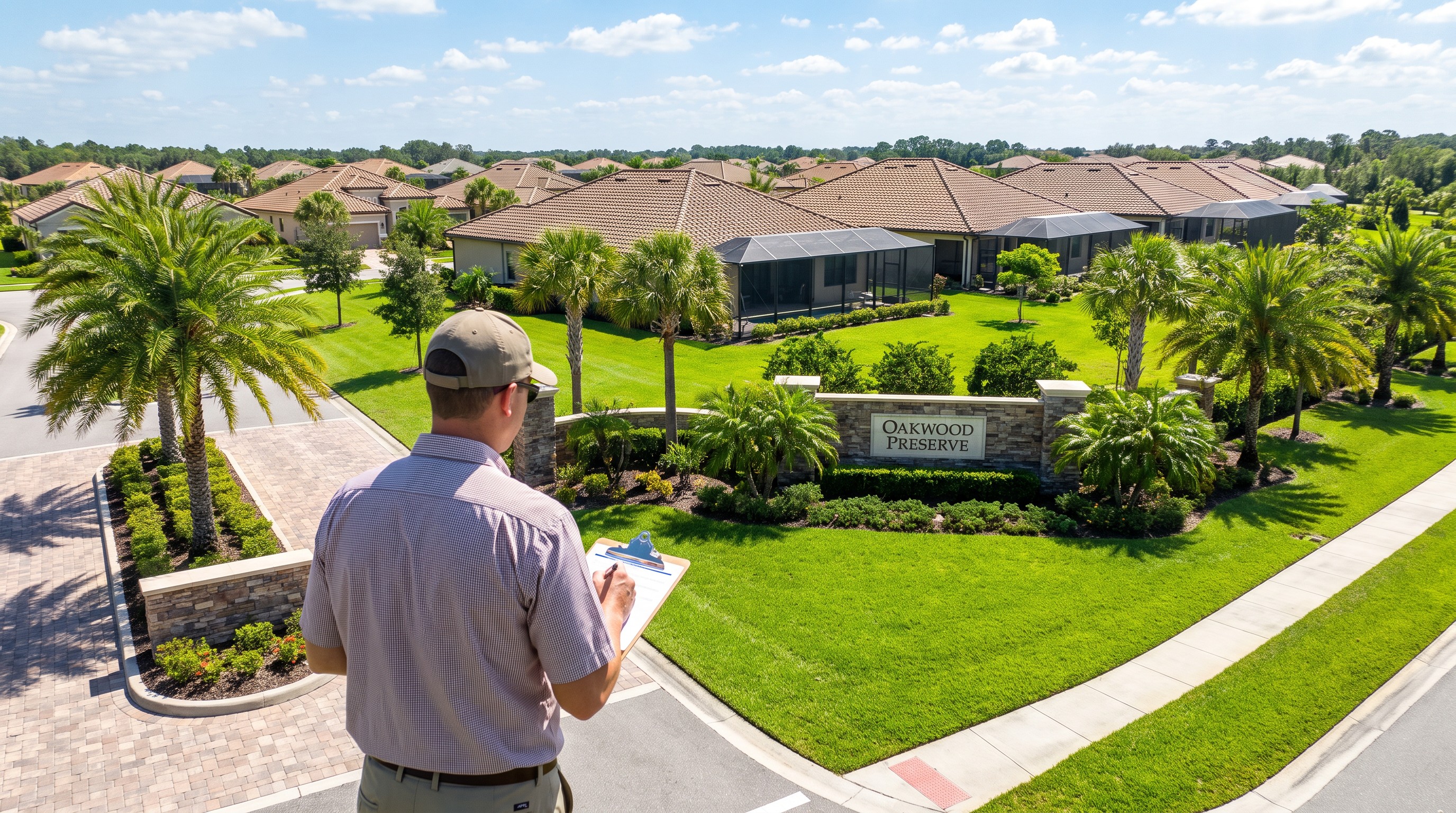
A property manager landscaping checklist for Central Florida communities has to account for something most templates ignore: this region grows almost year-round, and a single missed zone inspection can turn into a board complaint within two weeks. If you oversee five, ten, or twenty HOA properties across Polk and Lake County, you don't have time to eyeball a common area and hope the vendor caught everything. You need a repeatable system.
This checklist is built for the reality of managing multiple communities on a rotating schedule, not for a single homeowner checking their own yard. It covers what to inspect on every site visit, how Central Florida's seasonal shifts change your priorities, and how to document vendor performance so renewal conversations are backed by facts instead of gut feel.
What a Property Manager Should Inspect on Every Site Visit
Property manager landscaping duties go well beyond confirming the grass got cut. On a rotating multi-property schedule, each visit should hit the same core checkpoints so you can compare properties and vendors apples-to-apples.
• Zone-by-zone turf condition: Look for uneven mowing height, scalping, and stressed or yellowing patches near entry signage and common areas — these are the spots owners notice first.
• Edging and mulch lines: Clean, straight edges along sidewalks, curbs, and bed borders signal a vendor that's paying attention. Ragged edges and thin mulch are early warning signs of a crew rushing the route.
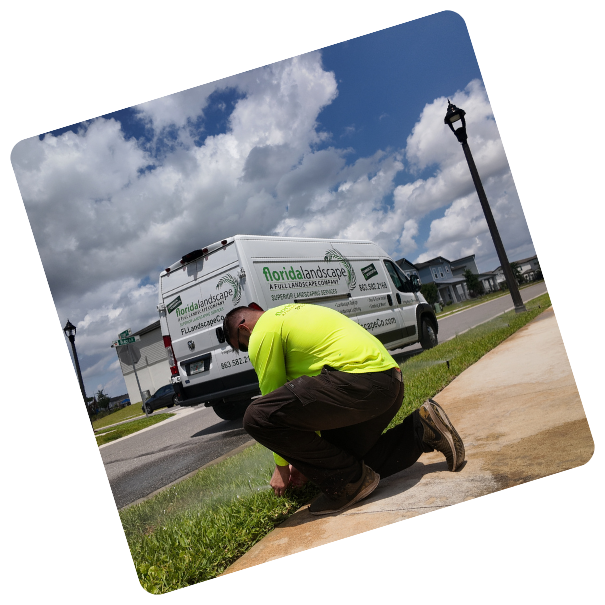
• Irrigation run times and coverage: Check controller logs against the seasonal watering schedule and walk a few zones during a scheduled cycle when possible. Dry patches next to a soaked sidewalk usually mean a misaligned head, not a watering problem.
• Pest and disease scouting: Chinch bugs, sod webworms, and fungal patches move fast in Central Florida heat. Catching a small brown patch before it spreads across a common area saves a full turf renovation later.
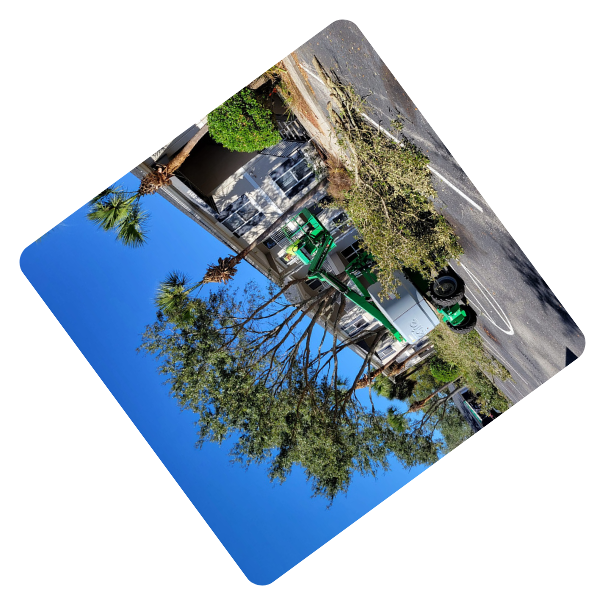
• Tree and shrub condition: Look for deadwood, canopy overgrowth near rooflines or sidewalks, and shrubs encroaching on sightlines at entrances and intersections.
• Debris and cleanliness: Blow-down after mowing, trimmed clippings left on walkways, and trash in beds are small details that generate outsized resident complaints.
Walking this same list at every property — whether it's a small townhome association or a large master-planned community — is what separates a proactive manager from one who's reacting to angry emails. Communities relying on HOA landscaping services built around compliance and consistency make this checklist far easier to execute, because the vendor is already working from the same standard.
Building an HOA Landscape Maintenance Calendar for Polk and Lake County
Central Florida doesn't follow the four-season pattern most maintenance templates assume. Your HOA landscape maintenance calendar needs to reflect sandy soil, intense summer heat, a defined rainy season, and a shorter, milder winter.
Spring (March–May)
Turf comes out of winter dormancy and growth accelerates fast. This is the window for pre-emergent weed control, fertilization kickoff, and irrigation system audits before the summer rains arrive.
Summer (June–September)
Heavy rain and heat push growth into overdrive, which means mowing frequency increases and irrigation run times should scale back to avoid overwatering. This is also peak season for fungal disease and pest pressure, so scouting visits matter more now than any other time of year.
Fall (October–November)
Growth slows as temperatures drop, giving you a window for cleanups, mulch refreshes, and irrigation adjustments ahead of the dry season. It's also the time to schedule tree trimming before winter storms and to reset controller schedules for lower water demand.
Winter (December–February)
Central Florida winters are mild but dry. Watch for cold-stressed turf, confirm irrigation systems aren't overwatering dormant grass, and use the slower growth period for larger renovation or design projects that are harder to schedule during peak season.
Building these transitions into your calendar means you're prompting your vendor ahead of problems instead of approving reactive work orders after residents complain. Properties on a recurring lawn and landscape maintenance plan tend to move through these seasonal shifts with far fewer surprises, since fertilization, mulch, and pest treatments are already built into the schedule.
How to Supervise Landscaping Vendors Across Multiple Properties
Supervising a landscaping vendor across a dozen communities is a different skill than managing one property closely. You need systems that scale, not a mental checklist you're trying to hold in your head at every stop.
Start with a standardized site visit form — digital or paper — that mirrors the inspection checklist above. Score each property the same way every time: turf condition, edging, irrigation, pest activity, cleanliness. Consistency here is what lets you spot a vendor's pattern across properties instead of treating each complaint as an isolated incident.
Tip: Photograph the same landmark areas at each visit — entry signage, the main irrigation zone, a recurring problem bed — so you can compare month over month instead of relying on memory.
Set a clear escalation path with your vendor before problems start. A missed mow should trigger a same-week callback, not a conversation at the next board meeting. According to the Community Associations Institute, unresolved maintenance complaints are one of the most common triggers for board-manager friction, which makes a defined response protocol worth setting up before you need it.
Catching Problems Before They Become Board Complaints
The gap between a small landscaping issue and a board complaint is usually two to three weeks of inattention. A brown patch that gets caught on a Tuesday site visit is a five-minute fix; the same patch ignored until the next scheduled visit is a dead lawn section and an angry email thread.
Train your eye on the areas residents see most: community entrances, mailbox clusters, pool decks, and amenity centers. These high-visibility zones generate a disproportionate share of complaints relative to their square footage, so they deserve extra attention on every pass.
Irrigation is the most common silent failure. A stuck valve or misaligned head can run for days before anyone notices, either flooding a bed or leaving turf to bake in Central Florida's summer sun. The EPA WaterSense program notes that a single broken sprinkler head can waste thousands of gallons of water per month — a cost that shows up on the community's water bill long before it shows up as a visible dry patch.
Important: Don't wait for the annual walk-through to check irrigation zones. A quarterly controller and coverage audit catches waste and dead zones months before they become expensive.
Documentation Protocols for Vendor Accountability and Renewal Negotiations
When your landscaping contract comes up for renewal, whoever has the better documentation wins the negotiation. Boards want proof of service quality, and vendors want to justify pricing — your records settle both questions.
1. Log every site visit: Date, time, inspector name, and a scored checklist for each property. This creates a paper trail showing whether service quality is improving, holding steady, or declining.
2. Photo-document recurring issues: Timestamped photos of the same problem area across multiple visits prove a pattern instead of a one-off complaint.
3. Track response times: Record how long a vendor takes to resolve a reported issue, from irrigation leaks to dead plant replacement. Slow response times are one of the clearest signals of a vendor stretched too thin.
4. Keep a change-order file: Every out-of-scope request and its cost should be documented separately from the base contract, so renewal conversations aren't muddied by scope creep.
5. Summarize quarterly for the board: A short quarterly report — visit count, issues found, issues resolved, photos — gives the board confidence without requiring them to read raw field notes.
This documentation habit does double duty: it protects you if a board questions your oversight, and it gives you leverage when negotiating scope or pricing with a vendor. A vendor who knows you're tracking response times and recurring issues has a strong incentive to stay ahead of problems rather than waiting for a complaint.
Schedule Your HOA Landscaping Audit in Central Florida Today
Managing landscaping across multiple HOA communities means juggling irrigation schedules, pest pressure, board expectations, and vendor accountability all at once. Florida Landscape Co. works with property managers across the Polk, Lake, and West Orange corridor who need consistent service, clear reporting, and a team that catches problems before they reach the board.
Request your HOA landscaping audit or call (863) 582-2168 for fast, local service in Central Florida.

Get your free quote and expert advice today.
Ready to transform your garden? Get in touch with our expert team today for a free consultation and personalized plan.



Frequently Asked Questions
What should a property manager check during a landscaping site visit?

Turf condition and mowing height, edging and mulch lines, irrigation run times and coverage, pest or disease activity, tree and shrub condition, and general cleanliness around entrances and common areas. Using the same checklist at every property makes it easier to compare vendors and catch declining service quality early.
How often should HOA landscaping vendors be inspected?
Most Central Florida communities benefit from at least a monthly full-site inspection, with quarterly irrigation audits layered in during peak growing season. High-visibility areas like entrances and amenity centers can justify more frequent spot checks.
What are common landscaping vendor accountability red flags?
Slow response times to reported issues, recurring problems in the same beds without resolution, inconsistent mowing height between visits, and irrigation zones left unaddressed for weeks are the clearest warning signs a vendor relationship needs a hard conversation.
How does Central Florida's climate affect an HOA landscaping calendar?
Sandy soil, intense summer heat, a defined rainy season, and mild winters mean growth rates and irrigation needs swing sharply through the year. A calendar built for four traditional seasons will miss the summer growth spike and the dry-season irrigation adjustments that matter most in Polk and Lake County.
What documentation protects a property manager during contract renewal?
Dated site visit logs with scored checklists, timestamped photos of recurring issues, tracked vendor response times, and a separate change-order file for out-of-scope work. Together, these give the board an evidence-based view of vendor performance instead of anecdotal impressions.

