
Best Privacy Plants for Florida Yards: Fast-Growing Hedges That Actually Hold Up
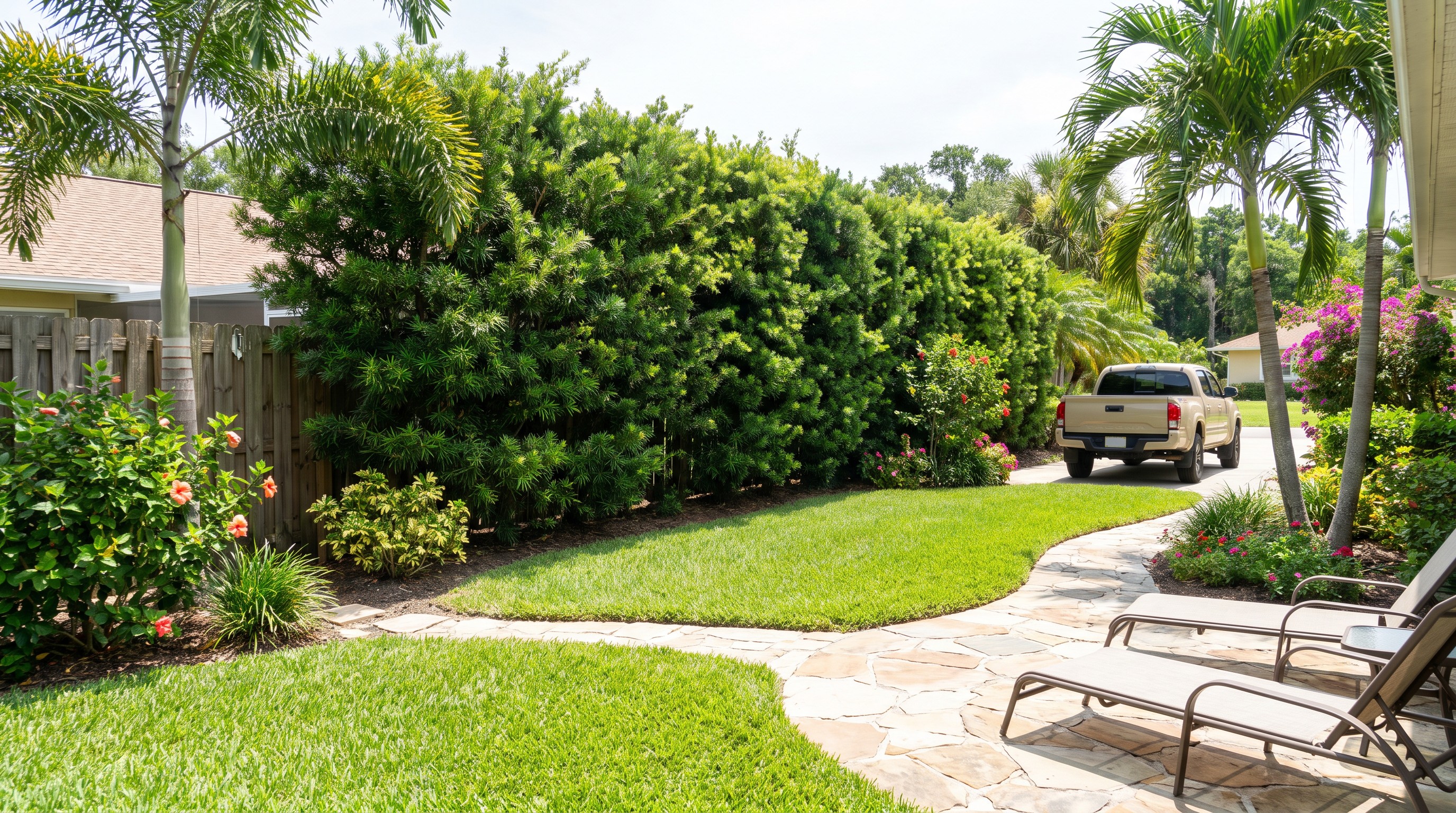
The privacy plants florida homeowners can count on need to do more than look nice in a nursery pot — they need to handle sandy soil, summer downpours, sudden dry spells, and growth rates that outpace anything in a northern climate zone. A hedge that thrives in Georgia or the Carolinas often struggles here, and picking the wrong species means replanting in two or three years. The good news is that Central Florida has several proven options that grow fast, stay full at eye level and below, and hold up to our heat and humidity without constant babysitting.
This guide breaks down the plants that actually work in Polk, Lake, and West Orange County yards, where they fit best, and what to check before you plant a single one — especially if you live in a deed-restricted community.
Fast-Growing Privacy Plants for Florida Yards
Speed matters when you're staring at a neighbor's second-story window or a busy road. Four species consistently outperform the rest in Central Florida conditions: Clusia, Viburnum, Podocarpus, and a handful of arborvitae substitutes that don't rot in our humidity.
Clusia (Clusia guttifera and Clusia rosea)
Clusia is the closest thing Florida has to a bulletproof privacy hedge. The thick, glossy, paddle-shaped leaves form a dense wall that blocks sight lines almost immediately after establishment, and the plant tolerates salt spray, drought, and heavy rain equally well. Clusia guttifera stays more compact and hedge-like, typically reaching 8 to 12 feet, while Clusia rosea (autograph tree) grows larger and works better as a specimen tree or taller screen along a property line.
Growth rate runs 2 to 3 feet per year once established, and Clusia takes shearing well, so it holds a clean, formal line if your HOA requires manicured hedges. It also handles part shade better than most privacy shrubs, which makes it useful along fence lines shaded by existing trees.
Viburnum (Viburnum suspensum and Viburnum odoratissimum)
Viburnum is the workhorse plant behind a huge share of Florida privacy hedge plants installed over the past two decades. Sweet viburnum (odoratissimum) grows fast and tall — up to 15 to 20 feet if left unpruned — and produces fragrant white flowers in spring. Suspensum viburnum stays smaller and denser, making it a better fit for tighter side yards or pool enclosures where you want screening without a tree-sized footprint.
Both varieties tolerate our clay and sandy soils, adapt to full sun or partial shade, and recover quickly from hard pruning after a storm. The main downside is a susceptibility to a fungal leaf spot during unusually wet, humid stretches, which is manageable with proper spacing and airflow between plants.
Podocarpus (Podocarpus macrophyllus)
Podocarpus gives you a narrower, more upright growth habit than Clusia or Viburnum, which makes it the go-to choice for tight side-yard screening where you need height without width. It grows 1 to 2 feet per year, tops out around 20 to 35 feet if left unpruned, and takes shearing into a tight columnar or boxed shape without complaint.
It's also one of the more drought-tolerant options on this list once roots are established, and it handles both full sun and moderate shade. Podocarpus is a common choice for HOA entry features and foundation screening because of how clean and formal it looks with regular trimming — something our landscape design and installation team installs frequently for exactly that reason.
Green Giant Arborvitae Alternatives
Green Giant arborvitae is a popular privacy screen up north, but it's a poor match for Central Florida. The species struggles with our humidity, sandy drainage, and root rot pressure during rainy season, and most installs decline within a few years even with careful watering. If you like the tall, narrow, evergreen silhouette arborvitae offers, better substitutes include Podocarpus for a similar columnar form, or Clusia rosea trained as a tighter screen.
Another strong substitute is the East Palatka or Southern Red Cedar for taller, more naturalistic screening — both are native or Florida-adapted and far more resistant to the fungal issues that kill arborvitae here.
Deer-Resistant Privacy Screening for Central Florida
Deer pressure is real in the growth corridors around Davenport, Clermont, and Four Corners, especially on properties backing up to conservation land or undeveloped acreage. Clusia and Podocarpus both rank as strongly deer-resistant thanks to their thick, leathery foliage, which deer generally avoid. Viburnum is moderately resistant but can take damage from browsing when deer populations are high and other food sources are scarce.
If deer pressure is a known issue on your lot, lean toward Clusia or Podocarpus as your primary screen and reserve Viburnum for areas closer to the house where foot traffic and lighting naturally discourage browsing.
HOA Compliance and Privacy Hedges
Most Central Florida HOA communities allow privacy hedges, but almost all of them regulate maximum height, setback from property lines, and how close plantings can sit to sidewalks or shared fences. Some communities cap hedge height at 6 feet along rear property lines and lower near street-facing lots to preserve sight lines for traffic and neighboring views.
Before planting, pull your community's landscaping guidelines or covenants and confirm three things: maximum allowed height, minimum setback distance from the property line, and whether an architectural review submission is required before installation. Homeowners in Davenport and Kissimmee HOA communities frequently run into setback rules that catch first-time planters off guard, so it's worth confirming before you buy plants rather than after.
If you manage landscaping for an entire community rather than a single lot, board-approved plant lists and documented maintenance schedules make future disputes far easier to resolve — something worth building into any HOA landscaping contract from the start.
Planting and Spacing Tips for a Solid Privacy Screen
Spacing determines how fast your hedge closes gaps and how healthy it stays long-term. Plant too close and you invite fungal disease from poor airflow; plant too far apart and you'll wait years longer for full coverage.
1. Space Clusia guttifera 3 to 4 feet apart on center for a dense screen within two growing seasons.
2. Space Viburnum 4 to 5 feet apart on center — tighter spacing invites leaf spot in humid months.
3. Space Podocarpus 3 feet apart for a tight formal hedge, or 5 to 6 feet apart if you want individual specimen shape.
4. Amend sandy soil with compost at planting time, even for drought-tolerant species — it speeds early root establishment significantly.
5. Water new plantings deeply two to three times a week for the first two months, then taper to normal irrigation once roots establish.
Common Mistakes with Florida Privacy Hedges
1. Planting too close to fences or structures. Most privacy shrubs need at least 2 to 3 feet of clearance from fences and foundations to allow for mature width and airflow.
2. Skipping the HOA height check. Planting a hedge that exceeds community height limits often means a costly re-trim or removal notice within the first year.
3. Ignoring irrigation coverage. New hedges planted outside existing sprinkler zones frequently fail during the first dry season without supplemental watering.
4. Choosing arborvitae out of habit. Homeowners who move from northern states often default to arborvitae, only to watch it decline within two to three years in Florida's humidity.
5. Under-spacing for quick coverage. Tight spacing speeds up initial privacy but increases disease risk and long-term maintenance once the hedge matures.
6. Forgetting mature width. A 3-gallon shrub looks small at planting but can triple in width within three years, crowding walkways and neighboring plants.
Get Your Privacy Hedge Installed in Davenport or Kissimmee
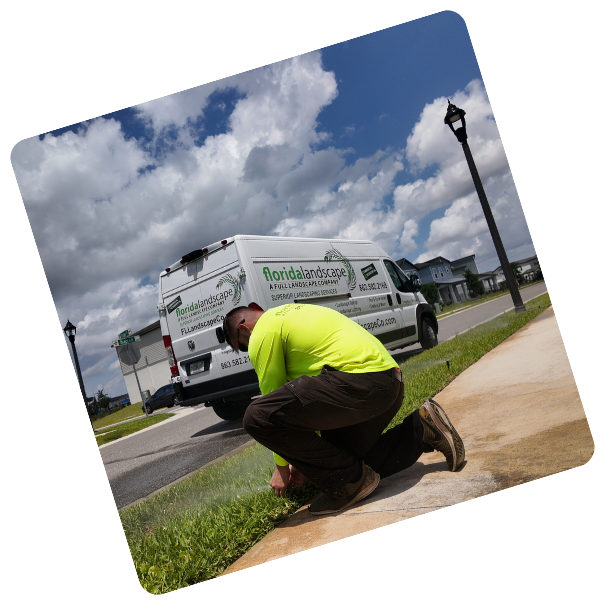
Choosing the right privacy plant is only half the job — proper soil prep, spacing, and irrigation coverage determine whether your hedge thrives or struggles through its first Florida summer. Whether you're screening a pool deck, blocking a busy road, or meeting an HOA height requirement, our team handles site evaluation, plant selection, and installation so the hedge you plant is the one that actually fills in.
Request your free quote or call (863) 582-2168 for fast, local service across Davenport, Kissimmee, Clermont, and the surrounding Central Florida corridor.

Get your free quote and expert advice today.
Ready to transform your garden? Get in touch with our expert team today for a free consultation and personalized plan.



Frequently Asked Questions
What is the fastest-growing privacy plant in Florida?

Clusia and sweet Viburnum are generally the fastest-growing options, each adding 2 to 3 feet per year once established, and both can form a solid privacy screen within one to two growing seasons under proper irrigation.
Is Clusia good for privacy hedges in Florida?
Yes. Clusia guttifera tolerates drought, salt exposure, and heavy rain, holds a tight shape under regular shearing, and stays fuller at eye level than most alternatives, making it one of the most reliable privacy hedge plants for Florida yards.
Will deer eat my privacy hedge in Central Florida?
Deer generally avoid Clusia and Podocarpus because of their thick, leathery leaves, but Viburnum can sustain browsing damage in areas with high deer pressure, particularly near conservation land or undeveloped lots.
Does my HOA allow tall privacy hedges?
Most Central Florida HOAs allow hedges but cap height along rear or street-facing property lines and require a minimum setback from fences and sidewalks — always check your community's covenants before planting.
How far apart should I plant privacy shrubs?
Spacing depends on species: Clusia and Podocarpus typically go 3 to 4 feet apart on center for a tight screen, while Viburnum needs 4 to 5 feet to maintain airflow and reduce fungal disease risk.

