.webp)
Pool Landscaping Ideas for Central Florida Homes
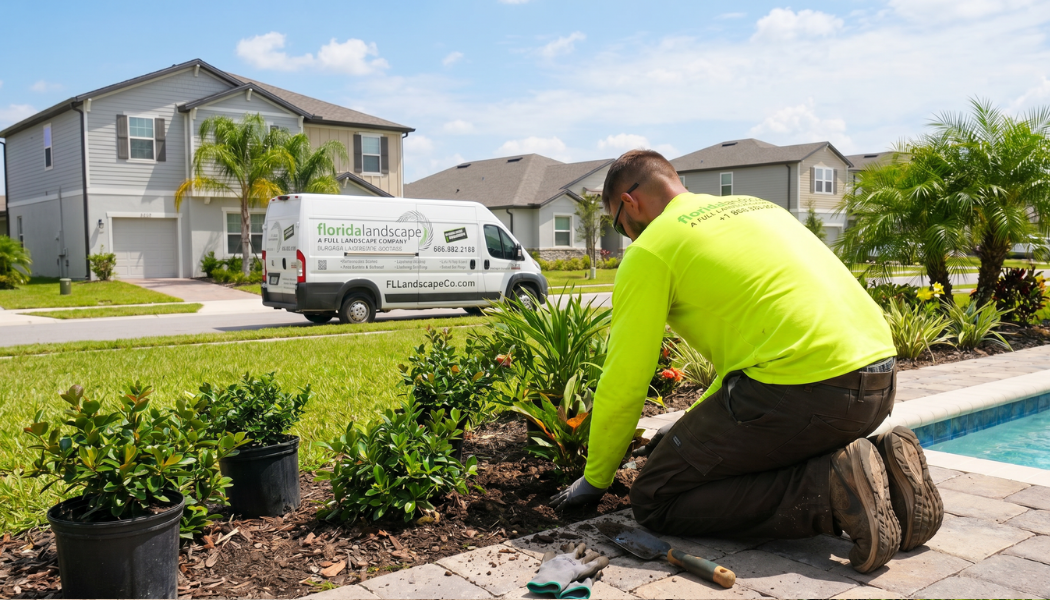
Pool landscaping ideas for Central Florida homes must account for intense heat, sandy soil, and the unique challenges of year-round outdoor living. Creating a beautiful poolside environment in Clermont, Davenport, Haines City, and surrounding areas requires selecting plants and materials that can withstand temperatures exceeding 95°F while adding beauty and functionality to your outdoor space.
Central Florida's climate presents both opportunities and challenges for pool area landscaping. The extended growing season allows for lush tropical looks, but the combination of intense UV exposure, frequent rainfall followed by drought conditions, and sandy soil drainage requires careful plant and material selection.
Heat-Tolerant Plants That Thrive Around Central Florida Pools
Selecting the right plants for poolside landscaping in Central Florida means choosing species that can handle reflected heat from pool surfaces and concrete decking. Pool areas create microclimates that can be 10-15 degrees hotter than surrounding landscape areas due to heat reflection from water and hardscape surfaces.
Coontie (Zamia integrifolia) serves as an excellent foundation plant around pools. This native Florida cycad tolerates extreme heat, requires minimal water once established, and produces no messy leaf drop that could clog pool filters. Its compact size makes it perfect for areas close to pool edges.
For taller screening, Firebush (Hamelia patens) provides year-round color with orange-red tubular flowers that attract butterflies but drop minimal debris. This native shrub reaches 6-8 feet tall and handles both drought and occasional flooding from summer rains.
Bougainvillea creates stunning visual impact with vibrant purple, pink, or white bracts that provide color for months. When properly pruned, bougainvillea produces minimal leaf drop and thrives in the reflected heat common around pool areas. Plant it at least 8 feet from pool edges to prevent thorns from creating safety hazards.
According to the University of Florida IFAS Extension poolside plant guide, salt-tolerant plants perform best in areas where chlorinated pool water may splash onto surrounding vegetation.
Hardscape Options for Pool Areas in Sandy Florida Soil
Central Florida's sandy soil affects hardscape installation and long-term performance around pools. Proper base preparation becomes critical for preventing settling and maintaining level surfaces over time.
Travertine pavers offer excellent heat resistance and slip resistance when wet. Natural stone stays cooler underfoot than concrete in Florida's intense sun. Travertine's porous nature provides better traction around wet pool areas while maintaining an elegant appearance that complements both modern and traditional home styles.
Concrete pavers provide durability and design flexibility at lower cost than natural stone. Modern concrete pavers come in colors and textures that mimic natural stone while offering consistent sizing for easier installation. Choose lighter colors to reduce heat absorption and barefoot discomfort during summer months.
Artificial turf around pools creates a resort-like appearance while eliminating grass maintenance challenges in high-traffic areas. Quality artificial turf designed for pool areas includes drainage backing and UV protection to prevent fading. This option works particularly well in Horizon West and Winter Garden developments where HOA regulations may limit plant choices.
- Travertine Pavers — Heat Resistance: Excellent; Maintenance Level: Low; Cost Range: $15-25/sq ft
- Concrete Pavers — Heat Resistance: Good; Maintenance Level: Low; Cost Range: $8-15/sq ft
- Stamped Concrete — Heat Resistance: Fair; Maintenance Level: Medium; Cost Range: $10-18/sq ft
- Artificial Turf — Heat Resistance: Good; Maintenance Level: Very Low; Cost Range: $12-20/sq ft
Privacy Screening Plants for Florida Pool Areas
Creating privacy around pools in Central Florida requires plants that grow quickly, tolerate heat and humidity, and provide year-round screening. Neighborhoods in Clermont, Davenport, and Four Corners often have homes built close together, making privacy landscaping essential for comfortable pool use.
Clumping bamboo varieties like Alphonse Karr bamboo provide fast-growing privacy screens that won't spread aggressively like running bamboo types. These clumping varieties reach 8-12 feet tall within two years and create dense screening while producing minimal leaf litter around pools.
Podocarpus hedges offer formal screening option that responds well to pruning and shaping. This evergreen shrub tolerates both drought and flooding while maintaining consistent green color year-round. Plant podocarpus hedges 6-8 feet from pool edges to allow for mature width without interfering with pool equipment access.
Simpson's stopper (Myrcianthes fragrans) creates natural-looking privacy screens with small white flowers and colorful berries. This native Florida plant attracts beneficial wildlife while requiring minimal irrigation once established. Its dense branching pattern provides excellent screening even when young.
For immediate impact, consider installing professional landscape design and installation that combines fast-growing screening plants with decorative fencing or trellises to provide privacy while plants mature.
Pool Area Lighting Integration
Landscape lighting around pools serves both safety and aesthetic functions while extending pool use into evening hours. Central Florida's year-round outdoor lifestyle makes well-designed pool lighting a valuable investment for most homeowners.
Low-voltage LED path lighting provides safe navigation around pool areas while creating ambiance for evening entertaining. Install path lights every 6-8 feet along walkways leading to and around pools. LED fixtures use minimal electricity and produce less heat than traditional lighting options.
Underwater pool lights combined with landscape uplighting creates dramatic effects while improving pool safety. Uplight palm trees or architectural features around the pool area to create visual interest and define the space boundaries after dark.
Step and deck lighting prevents accidents while adding sophisticated design elements to pool areas. Install LED strip lighting under pool coping or within step risers for subtle illumination that doesn't create glare on water surfaces.
Tip: Choose warm white LED lighting (3000K) rather than cool white for more comfortable evening pool use and better integration with landscape features.
Professional landscape lighting installation ensures proper transformer sizing, wire burial depth compliance with local codes, and integration with existing landscape elements.
Irrigation Considerations for Pool Landscapes
Pool area irrigation requires special attention to water conservation, plant placement, and system design to avoid conflicts with pool equipment and maintenance. Central Florida's alternating wet and dry seasons make efficient irrigation critical for plant health and water conservation.
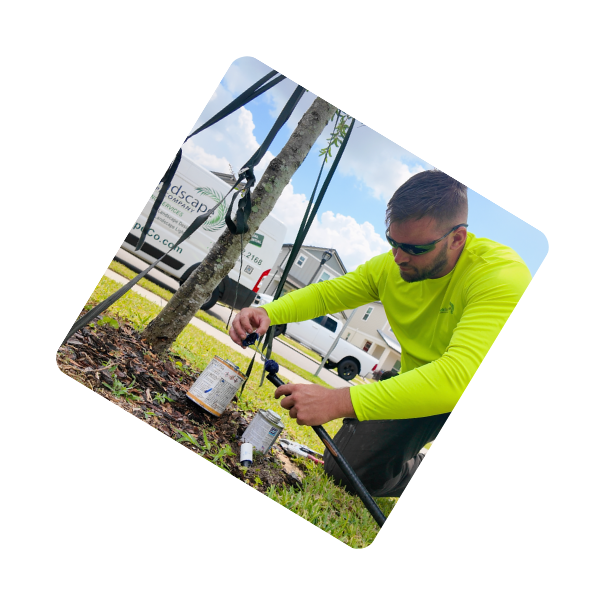
Drip irrigation systems work best for plants near pools because they deliver water directly to root zones without creating overspray onto pool decking or water. Drip systems also reduce water waste and prevent fungal problems common with overhead sprinkler irrigation in humid Florida conditions.
Smart irrigation controllers automatically adjust watering schedules based on local weather data and soil moisture levels. These systems prevent overwatering during Florida's rainy season while ensuring adequate moisture during dry periods without manual intervention.
Zone separation allows different irrigation schedules for various plant types around pools. Establish separate irrigation zones for turf areas, shrub plantings, and container plants to optimize water delivery and reduce maintenance requirements.
According to the University of Florida IFAS Extension irrigation guidelines, proper irrigation design reduces water consumption by up to 30% compared to traditional spray systems while improving plant health and reducing runoff.
Common Pool Landscaping Mistakes to Avoid
Central Florida homeowners often make predictable mistakes when landscaping around pools that create ongoing maintenance problems and reduce outdoor enjoyment. Learning from these common errors saves time, money, and frustration over the long term.
1. Planting messy trees too close to pools: Oak trees, sweet gum, and other deciduous trees drop leaves, flowers, and seeds that require constant pool cleaning. Plant these trees at least 20 feet from pool edges or choose evergreen alternatives that produce minimal debris.
2. Using plants with invasive root systems: Bamboo, Brazilian pepper, and some palm species develop aggressive root systems that can damage pool structures and plumbing. Research mature plant sizes and root characteristics before installation.
3. Creating inadequate drainage around pools: Central Florida's heavy summer rains can cause flooding around pools if landscape grading doesn't direct water away from pool areas. Poor drainage leads to standing water, mosquito breeding, and potential structural problems.
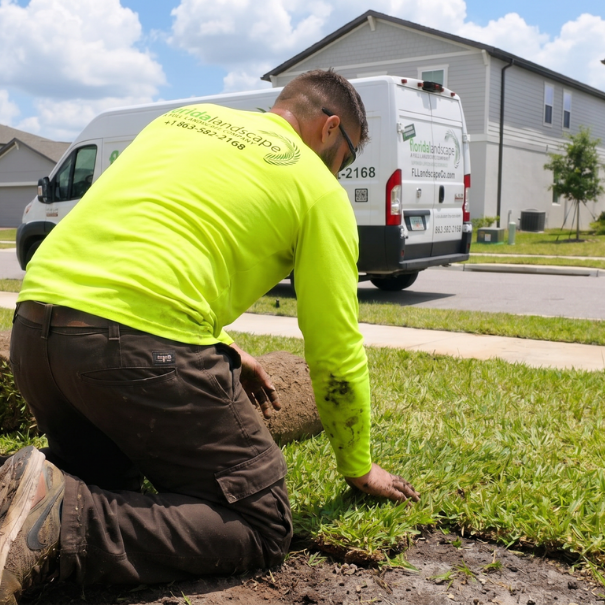
4. Installing high-maintenance turf in pool areas: St. Augustine grass requires frequent irrigation and fertilization to maintain appearance in high-traffic pool areas. Consider professional sod installation of more durable grass varieties or alternative ground covers.
5. Ignoring mature plant sizes: Small shrubs and trees planted too close to pools eventually outgrow their spaces, requiring expensive removal or aggressive pruning that ruins their natural shape. Plan for 10-year mature sizes when spacing plants.
Designing Pool Areas That Handle Florida Weather
Central Florida pool landscaping must withstand hurricanes, intense thunderstorms, and periods of drought while maintaining beauty and functionality year-round. Designing resilient pool landscapes requires selecting appropriate plants and materials while considering long-term maintenance requirements.
Wind-resistant plant selection prevents storm damage and reduces cleanup after severe weather. Native plants like coontie, firebush, and simpson's stopper have evolved to handle Florida's extreme weather conditions and recover quickly from storm damage.
Flexible hardscape materials like permeable pavers allow for ground movement and water drainage better than solid concrete slabs. This flexibility prevents cracking during freeze events and accommodates the natural settling that occurs in sandy Florida soil.
Integrated storage solutions for pool equipment, furniture, and maintenance supplies should be included in landscape design plans. Attractive storage areas reduce clutter while protecting equipment from weather damage and maintaining clean sight lines around pools.
Seasonal color rotation using container plants allows homeowners to refresh pool area appearance throughout the year while avoiding permanent plantings that may not perform consistently. Rotate containers with seasonal flowers like pentas, vinca, and coleus for continuous color.
Pool areas designed for Central Florida conditions balance beauty with practicality, creating outdoor spaces that enhance property value while requiring reasonable maintenance effort throughout the year.
Ready to Transform Your Pool Area?
Creating the perfect pool landscape for Central Florida's unique climate requires experience with local growing conditions, plant selection, and installation techniques. Every property presents different challenges based on soil conditions, existing features, and homeowner preferences.
Professional landscape design ensures your pool area functions beautifully year-round while avoiding common mistakes that create ongoing problems. From plant selection to hardscape installation to lighting integration, proper planning creates outdoor spaces that enhance your home's value and your family's enjoyment.
Contact Florida Landscape Co. at (863) 582-2168 to discuss pool landscaping solutions tailored specifically to Central Florida homes and discover how professional design and installation can transform your outdoor living space.

Get your free quote and expert advice today.
Ready to transform your garden? Get in touch with our expert team today for a free consultation and personalized plan.




Frequently Asked Questions About Pool Landscaping in Central Florida
What plants grow best around pools in Central Florida heat?

Coontie, firebush, bougainvillea, and other heat-tolerant natives thrive in pool areas. These plants handle reflected heat and require minimal maintenance while providing year-round beauty.
How far should I plant trees from my pool in Florida?
Plant trees at least 15-20 feet from pool edges to prevent root damage and minimize debris. Consider mature tree size and root spread when planning placement.
What's the best pool decking material for Florida weather?
Travertine pavers offer excellent heat resistance and slip resistance. Light-colored materials stay cooler than dark options in Florida's intense sun.
How do I prevent pool landscaping from looking messy?
Choose plants with minimal leaf drop, establish proper irrigation zones, and maintain appropriate spacing between plants and pool edges. Regular pruning keeps plants healthy and attractive.
Should I use artificial turf around my pool in Florida?
Quality artificial turf works well around pools in Florida, providing consistent appearance without irrigation requirements. Choose UV-resistant products designed for pool areas.

