

Oak Leaf Cleanup Florida Winter: Keeping Your Yard Clear When Live Oaks Drop
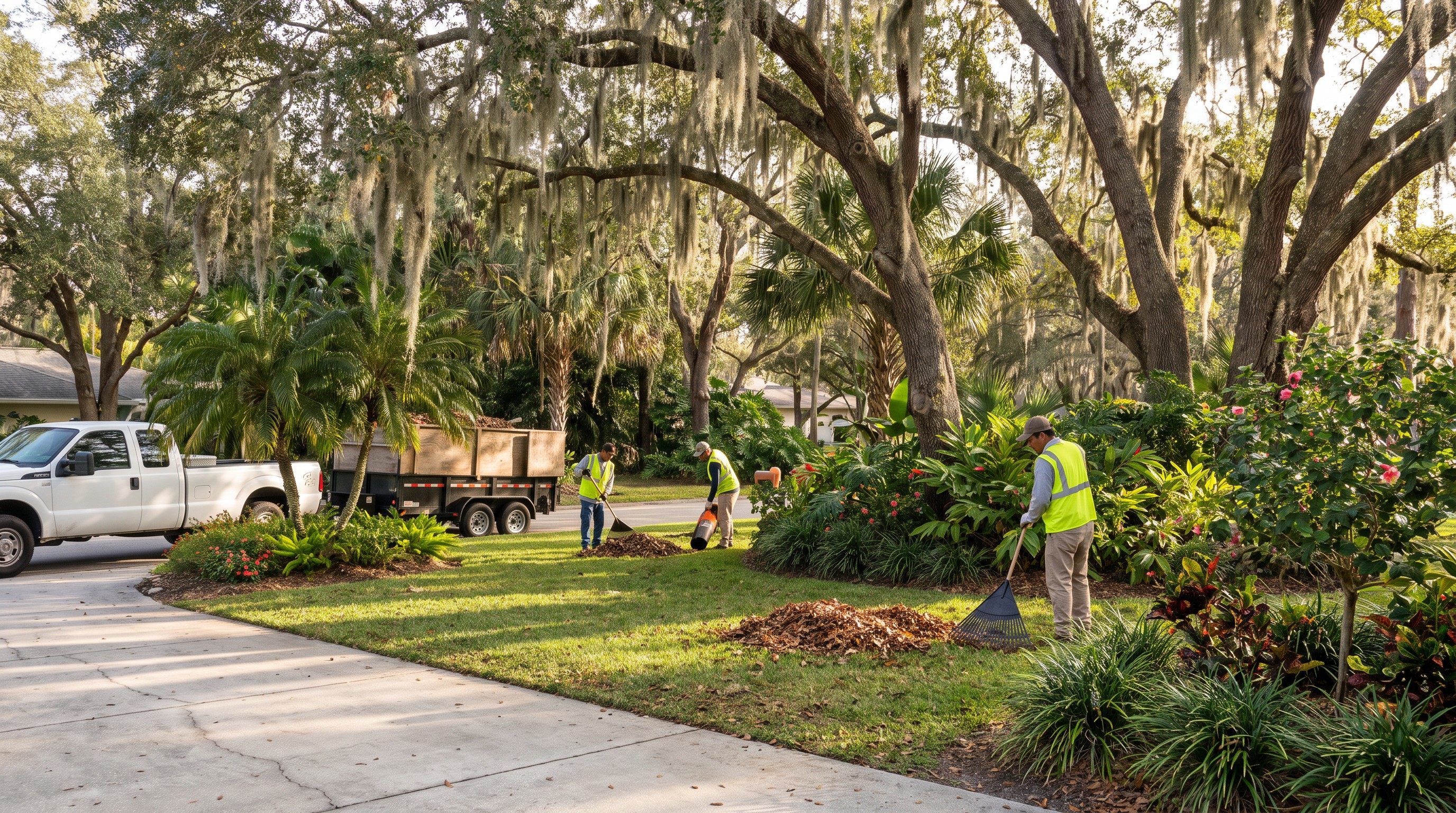
Oak leaf cleanup florida winter season catches a lot of homeowners off guard, because live oaks across Clermont, Davenport, and Winter Garden don't lose their leaves in one tidy autumn event the way northern trees do. Instead, they shed heaviest from December through February, right when most people think yard work season is winding down. If you've noticed drifts of leathery brown leaves piling up under your canopy trees in January, you're not imagining it — this is Central Florida's real leaf season.
Understanding why this happens, and what to do about it, makes the difference between a clean, healthy landscape and one that heads into spring choked with dead material and thin turf. This guide covers the live oak drop cycle, the real risks of letting leaves sit, and the cleanup and mulching approach that actually works in sandy Central Florida soil.
Why Live Oaks Drop Leaves All Winter in Central Florida
Live oaks are evergreen, which confuses people into thinking they don't drop leaves at all. In reality, live oaks replace their entire canopy once a year — they just do it gradually, and the heaviest push happens in late winter rather than fall. New growth pushes old leaves off the tree over a six-to-ten week window, typically peaking in February.
This is different from the deciduous oaks found farther north, which drop everything in a few weeks each October. In Polk and Lake County neighborhoods dense with mature live oaks — think older sections of Clermont and Haines City, plus tree-lined streets in Four Corners — that extended drop period means homeowners are dealing with leaf litter for two to three months straight, not two weekends.
The University of Florida IFAS Extension notes that live oak leaf drop intensity varies by tree health and weather, but the pattern holds across the state: expect the bulk of the mess between December and March. IFAS Gardening Solutions is a solid reference if you want tree-specific detail for your property.
The Real Cost of Skipping Oak Leaf Cleanup
Leaving live oak leaves on the lawn for weeks does more damage than most homeowners expect. A thick mat of leaves blocks sunlight from reaching St. Augustine or Bahia grass, and Central Florida's warm, humid winters give fungal issues plenty of time to take hold underneath that cover.
Leaf litter sitting in flower beds also traps moisture against stems and mulch, which invites root rot and attracts pests looking for a damp hiding spot. If beds already have poor drainage from Florida's sandy soil, piled leaves make that worse, not better.
There's a curb appeal cost too. HOA-managed communities in Horizon West and Davenport routinely cite accumulated leaf debris in common areas and entries as a compliance issue, since it reads as neglect even when the rest of the landscape is well kept. If you manage a community property, our HOA landscaping services build scheduled leaf cleanup into the winter maintenance plan so boards aren't fielding complaints every February.
How to Clear Oak Leaves Without Damaging Your Lawn or Beds
Timing matters more than most people think. Letting leaves accumulate for two or three weeks before a single big cleanup is harder on the lawn than clearing smaller amounts every one to two weeks through the drop season.
A mulching mower pass works well for light, scattered leaf cover on turf — it shreds the leaves fine enough that they break down quickly without smothering grass blades. Once leaf cover gets heavy, though, mowing alone just pushes clumps around and compacts debris into the canopy of the grass.
For beds, hand removal or a backpack blower set on a lower speed protects shallow-rooted annuals and shrubs better than raking, which can disturb mulch lines and expose roots. Blow leaves toward open turf areas where they can be collected rather than into storm drains, which is both an environmental problem and, in many Central Florida municipalities, against local code.
If your property backs up to a retention pond or wetland buffer, keep leaf piles away from the water's edge. The EPA's guidance on stormwater runoff notes that organic debris near waterways contributes to nutrient loading, which is part of why several Central Florida municipalities restrict blowing yard waste into streets and drains. EPA's urban runoff resource covers this in more detail if your HOA needs documentation for a policy update.
Turning Oak Leaves Into Mulch: What Works and What Doesn't
Live oak leaves make decent mulch once they're broken down, but whole, unshredded leaves laid directly over beds pack down into a dense mat that blocks water and air from reaching the soil. Shredding first — with a mulching mower or leaf shredder — solves that problem and speeds decomposition.
Shredded oak leaves are slightly acidic, which actually works in favor of many Florida landscape plants like azaleas, camellias, and gardenias that prefer lower soil pH. Spread a two-to-three inch layer of shredded leaf mulch around these plantings and you get free soil amendment instead of yard waste headed to the curb.
That said, oak leaf mulch isn't a universal substitute for the pine bark or melaleuca mulch most Central Florida landscapes use on display beds. It breaks down faster, looks less uniform, and isn't ideal for high-visibility entry beds in HOA common areas or commercial properties where consistent appearance matters. A mixed approach — oak leaf mulch in planting beds where function matters more than polish, traditional mulch up front — tends to work best.
Tip: Avoid piling fresh, unshredded leaves directly against tree trunks or shrub stems. Trapped moisture against bark encourages rot even in plants that otherwise tolerate Florida's humidity well.
Keeping Flower Beds Clean Through the Winter Drop
Beds take more consistent attention than open lawn during oak drop season because leaves settle into groundcover and low shrubs where a mower can't reach them. A biweekly bed cleanup through December, January, and February keeps debris from building into a layer thick enough to shade out winter annuals like petunias and pansies.
Edging beds cleanly before drop season starts also helps contain the mess — a defined edge keeps blown leaves from drifting across the lawn line and gives cleanup crews a clear boundary to work. If your beds haven't been refreshed since fall, pairing a cleanup with a seasonal mulch top-off handles both tasks in one visit.
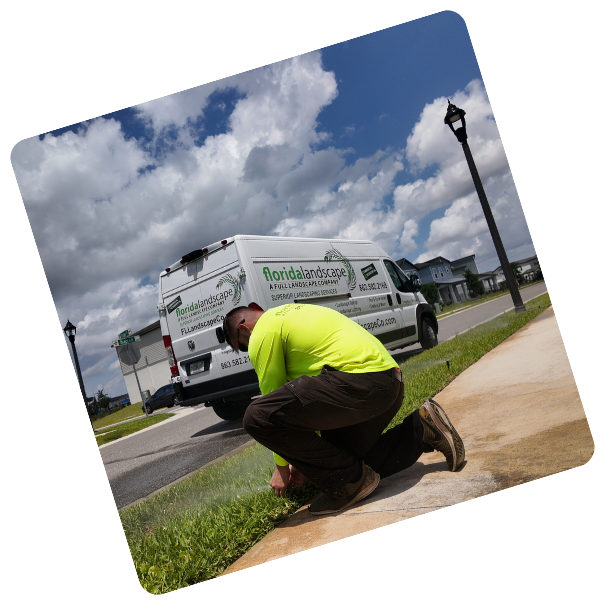
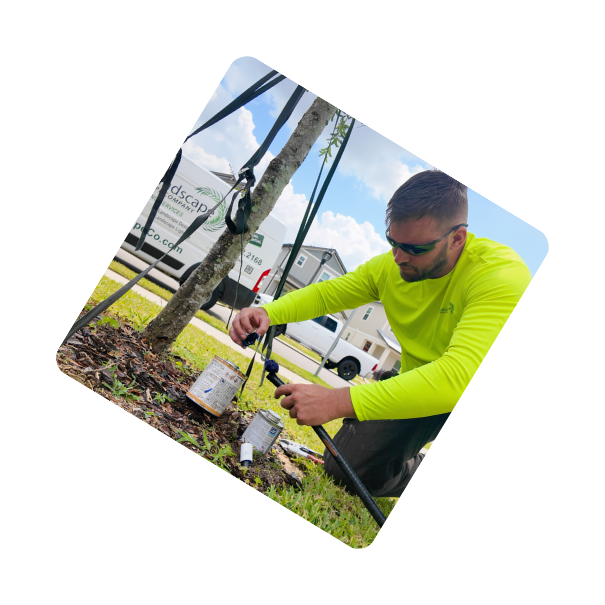
Irrigation matters here too. Soggy beds under a mat of wet leaves are a setup for root and crown rot, so check that irrigation heads aren't overwatering beds already damp from leaf cover. If you're not sure your system is adjusted for winter, our irrigation repair and adjustment service can dial in run times so beds aren't getting double moisture from rain, leaf cover, and sprinklers at once.
When to Call a Professional Crew
A single mature live oak can produce an enormous volume of leaf litter — homeowners with two or three large oaks on a standard Central Florida lot often find DIY cleanup eating an entire weekend every other week through the season. At that point, the math usually favors a scheduled service.
Commercial and HOA properties have even less flexibility, since common areas, entry signage beds, and amenity centers need to look presentable continuously, not just after a weekend of raking. A recurring maintenance visit built around the live oak drop cycle keeps turf and beds clear without gaps between cleanups.
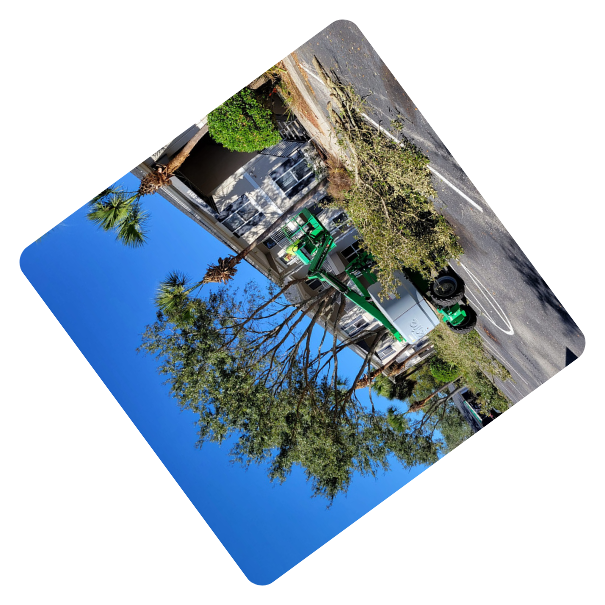
If storm season overlaps with late drop — which happens in years with a wet winter — downed limbs and heavier debris complicate cleanup further. Our tree services team can combine canopy thinning with leaf cleanup so storm-damaged limbs and the leaf load they bring down get handled in the same visit.
Get Your Yard Cleared for Winter in Central Florida
If live oak leaves are piling up faster than you can keep up with them, you're dealing with thinning turf, smothered beds, and a yard that looks neglected no matter how much time you put in on weekends. Florida Landscape Co. handles recurring leaf cleanup, bed maintenance, and mulch refreshes across Clermont, Davenport, Haines City, and the Four Corners area, timed to the actual live oak drop cycle instead of a generic fall schedule.
Request your free quote or call (863) 582-2168 for fast, local service in Central Florida.

Get your free quote and expert advice today.
Ready to transform your garden? Get in touch with our expert team today for a free consultation and personalized plan.




Frequently Asked Questions
When do live oaks drop their leaves in Florida?

Live oaks in Central Florida drop leaves gradually from roughly December through March, with the heaviest volume typically falling in late January and February as new spring growth pushes old leaves off the tree.
Is it bad to leave oak leaves on the lawn all winter?
Yes — a thick, undisturbed layer of oak leaves blocks sunlight and traps moisture against turf, which thins grass and invites fungal problems in Central Florida's humid winter climate. Clearing or mulching leaves every one to two weeks prevents this.
Can you use oak leaves as mulch in Florida landscaping?
Shredded oak leaves work well as mulch around acid-loving plants like azaleas and gardenias, but whole unshredded leaves mat down and block water and air from reaching the soil. Shred them first with a mulching mower before spreading in beds.
How often should oak leaves be cleaned up during winter?
Most Central Florida properties with mature live oaks need leaf cleanup every one to two weeks from December through February to keep lawns and beds from getting smothered. Properties with multiple large oaks or HOA common areas often benefit from weekly service during peak drop.
Why do my live oaks still have leaves if they're evergreen?
Live oaks are evergreen because they never go fully bare, but they still replace their entire canopy once a year. The old leaves drop over a stretched-out winter window rather than all at once, which is why the tree looks full even while it's shedding heavily.

