.webp)
New Construction Landscaping in Central Florida: Builder's Guide to Site Prep, Sod, and Irrigation
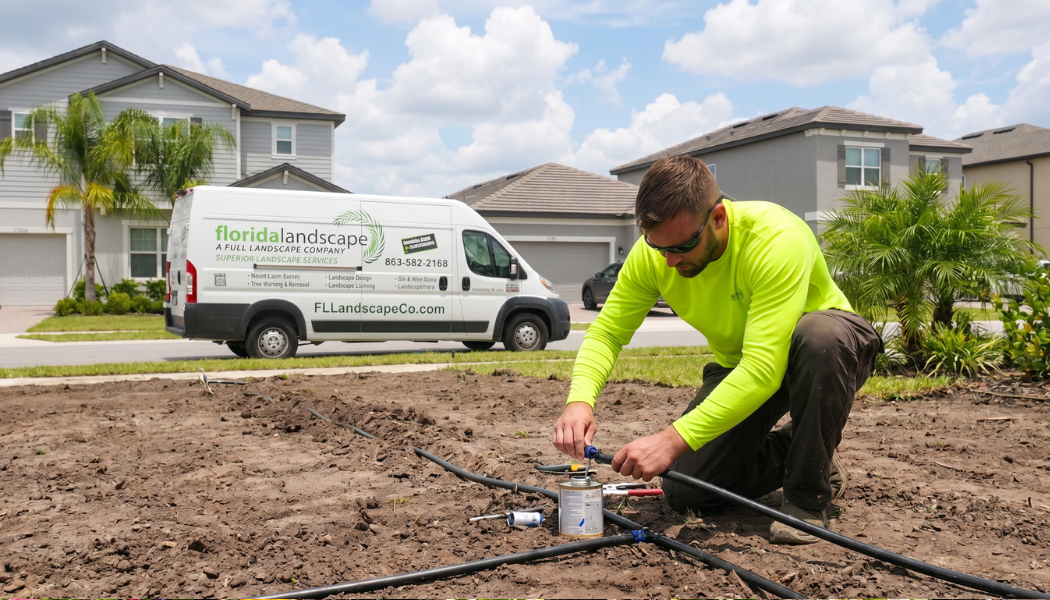
New construction landscaping in Florida requires careful coordination between builders, landscapers, and municipal requirements to deliver turnover-ready properties that meet HOA standards and buyer expectations. In Central Florida's booming growth corridors like Horizon West, ChampionsGate, Reunion, and Davenport, builders face unique challenges with sandy soils, irrigation timing, and strict community guidelines that determine the success of their landscape packages.
The difference between a smooth closing and costly delays often comes down to understanding Florida's specific landscaping requirements and timing installation correctly within the construction schedule.
What's Included in a New Construction Landscaping Package
A complete new construction landscape package in Central Florida typically includes several coordinated components that must be installed in the correct sequence. The foundation starts with rough-in irrigation during the construction phase, followed by final grading, soil preparation, sod installation, and plant material placement before turnover.
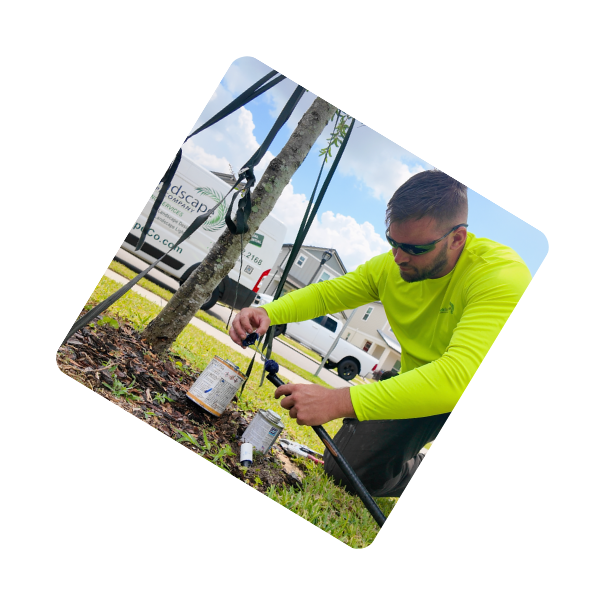
Irrigation rough-in occurs while construction crews still have easy access to utilities and before final grading. This includes running main lines, installing control valves, and stubbing out sprinkler head locations. The irrigation controller and final connections happen after construction is complete but before sod installation.
Soil preparation addresses the compaction and amendment needs specific to Central Florida's sandy soils. Construction equipment compacts soil significantly, requiring decompaction and the addition of organic matter to support healthy turf establishment. Final grading ensures proper drainage away from the foundation while creating smooth transitions for sod installation.
Florida Soil Challenges and Construction Site Preparation
Central Florida's sandy soils present unique challenges for new construction landscaping that builders must address for successful turf establishment. Construction equipment compacts even sandy soil, creating drainage issues and root penetration problems that will plague the landscape for years if not corrected before sod installation.
Proper soil decompaction typically requires tilling to 6-8 inches deep and incorporating 2-3 inches of organic compost or aged manure. University of Florida IFAS research shows that soil preparation is the single most important factor in establishing healthy turf in sandy soils, particularly after construction disturbance.
Tip: Schedule soil preparation at least two weeks before sod installation to allow settling and irrigation system testing. This prevents delays at turnover and ensures the landscape meets builder warranties.
Drainage considerations are critical in Central Florida where heavy summer rains can overwhelm improperly graded sites. Final grade should slope away from foundations at 1-2% grade, and low spots that collect water must be corrected before sod installation to prevent ongoing maintenance issues for homeowners.
Timing New Construction Landscaping Installation
The sequence and timing of landscape installation can make or break a new construction project's schedule and budget. Installing landscape components too early results in damage from ongoing construction, while waiting too long can delay closings and violate municipal requirements for occupancy permits.
Irrigation rough-in should occur after foundation and utility work but before sidewalks and driveways are poured. This allows access for trenching main lines and installing valve boxes without cutting through finished hardscape. Most successful builders schedule irrigation rough-in during the framing stage when utilities are being connected.
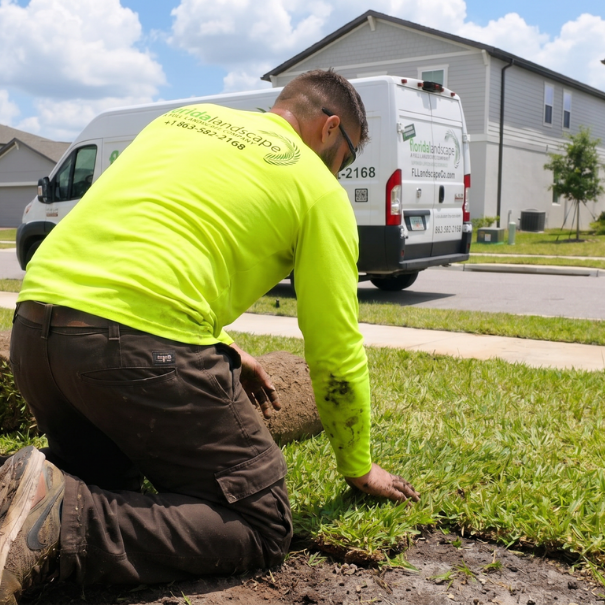
Sod installation timing is critical in Central Florida's climate. Installing sod during peak summer heat (June through September) increases establishment challenges and irrigation requirements. The optimal installation window is October through May when temperatures are moderate and natural rainfall supports establishment.
Construction PhaseLandscape ActivityTiming ConsiderationsFoundation/UtilitiesPlan irrigation layoutCoordinate with utility placementFramingInstall irrigation rough-inEasy equipment accessExterior completionFinal grading, soil prep2-3 weeks before sodPre-closingSod, plants, final irrigationOctober-May preferred
HOA Compliance and Community Standards
HOA compliance represents one of the most overlooked aspects of new construction landscaping that can delay closings and create costly rework. Central Florida's master-planned communities like ChampionsGate, Reunion, and Horizon West maintain strict landscape standards that builders must meet before architectural review approval.
Plant species requirements vary by community but typically include native or adapted species that perform well in Central Florida conditions. Many HOAs maintain approved plant lists that specify acceptable foundation plantings, accent trees, and ground cover options. Builders who select non-approved species face rejection and replanting costs.
Sod variety requirements often specify St. Augustine grass varieties like Floratam or CitraBlue that demonstrate good performance in Central Florida heat and humidity. University of Florida Extension recommends specific St. Augustine varieties for different growing conditions across the state.
Irrigation coverage standards require uniform water distribution across all turf and planted areas. Many communities require irrigation audits before approval, measuring distribution uniformity and ensuring no dry spots that could lead to turf loss after turnover.
Common New Construction Landscaping Mistakes
Builders working in Central Florida's competitive market often make predictable mistakes that increase costs and delay closings. Understanding these common pitfalls helps builders plan more effective landscape installations that meet deadlines and buyer expectations.
1. Installing sod over compacted soil: Skipping soil decompaction and amendment leads to poor root development, drought stress, and turf failure within the first year. This creates warranty callbacks and unhappy homeowners.
2. Rushing irrigation installation: Installing irrigation components without proper pressure testing and coverage verification results in dry spots, overwatering, and system failures that require expensive repairs after closing.
3. Ignoring drainage requirements: Poor grading that allows water to pool creates ongoing maintenance issues and can violate building codes in some municipalities. Proper drainage planning prevents costly regrading after construction.
4. Using non-approved plant materials: Selecting plants not on HOA approved lists leads to rejection during architectural review and replanting costs. Always verify plant approvals before ordering.
5. Installing landscape too early: Installing sod and plants before construction traffic ends results in damage and replacement costs. Coordinate timing to protect landscape investments.
What Turnover-Ready Landscaping Looks Like
Turnover-ready landscaping meets all municipal, HOA, and warranty requirements while providing homeowners with an established landscape that supports property values. In Central Florida's growth markets, buyers expect specific landscape features that differentiate quality builders from competitors.
Established turf coverage should provide complete coverage with no bare spots, uniform color, and evidence of healthy root development. The sod should be well-rooted within 4-6 weeks of installation, demonstrating that soil preparation and irrigation were done correctly.
For builders looking to streamline their new construction landscaping process, partnering with experienced local contractors familiar with Central Florida conditions and community requirements reduces delays and ensures compliance. Professional irrigation installation and sod installation services coordinate timing with construction schedules to deliver turnover-ready properties.
Mature foundation plantings should include properly spaced shrubs and accent plants that provide immediate visual appeal without overcrowding. Plants should show signs of establishment with new growth and proper form, indicating they were planted correctly and are receiving adequate irrigation.
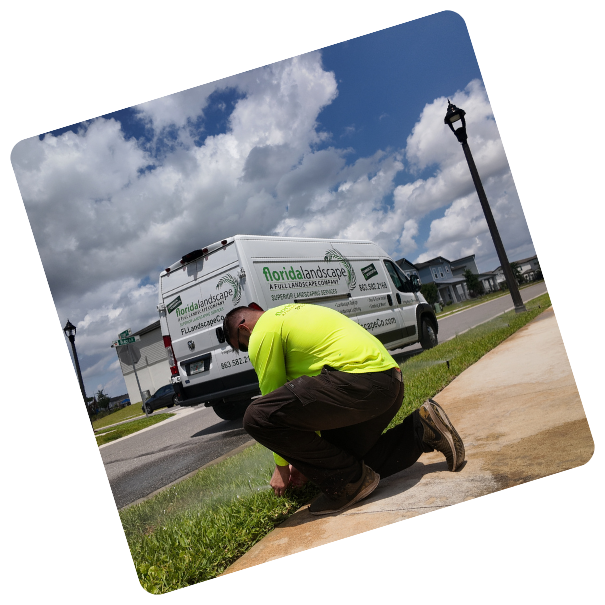
Functional irrigation systems should operate automatically with proper coverage and no visible dry spots or overwatering. Controllers should be programmed for Central Florida conditions with seasonal adjustments that maintain healthy turf without waste.
Ready to Partner with Florida Landscape Co.?
Managing new construction landscaping projects requires coordination, timing, and local expertise that keeps your builds on schedule and your buyers satisfied. We understand the unique challenges Central Florida builders face with sandy soils, HOA requirements, and seasonal installation windows.
Our team works directly with builders and developers throughout Horizon West, ChampionsGate, Reunion, and Davenport to deliver turnover-ready landscapes that meet all compliance requirements and warranty standards. Contact us to discuss how we can streamline your landscape installation process and support your construction schedule.

Get your free quote and expert advice today.
Ready to transform your garden? Get in touch with our expert team today for a free consultation and personalized plan.



New Construction Landscaping in Central Florida: Frequently Asked Questions
When should irrigation be installed during new construction?

Irrigation rough-in should occur during the framing stage after foundation and utility work but before hardscape installation. Final connections and system testing happen after construction completion but before sod installation.
What type of sod works best for new construction in Central Florida?
St. Augustine grass varieties like Floratam and CitraBlue perform well in Central Florida heat and humidity. Many HOAs require specific varieties, so verify community requirements before installation.
How long does new construction landscaping take to establish?
Properly installed sod typically establishes roots within 4-6 weeks in favorable conditions. Full landscape maturity, including shrubs and trees, takes 6-12 months depending on plant selection and installation timing.
What happens if landscaping doesn't meet HOA requirements?
Non-compliant landscaping can delay architectural review approval and closing. Builders may need to replace non-approved plants or make corrections before receiving community acceptance.
Can landscaping be installed during Florida summer months?
While possible, summer installation (June-September) increases establishment challenges due to heat stress and higher irrigation requirements. October through May provides optimal installation conditions.

