
Landscapers in Florida: What to Look For Before You Hire

Landscapers in Florida are not interchangeable, and treating the decision like a coin flip is how homeowners end up with dead sod, clogged irrigation lines, and a yard that looks worse after the "fix" than before it. Florida's climate punishes shortcuts. Sandy soil drains fast, summer storms dump inches of rain in an hour, and a six-month growing season means mistakes compound quickly instead of quietly fading away. Choosing the right landscaper is less about finding someone with a truck and a mower and more about finding someone who understands what this state actually does to turf, plants, and irrigation systems.
This guide breaks down what separates a qualified Florida landscaping company from a weekend operation, what licensing and insurance actually mean, and the specific questions you should ask before signing anything.
What Makes Landscapers in Florida Different From Other Regions
A landscaper trained in the Northeast or Midwest is working with a completely different rulebook than one operating in Central Florida. Soil composition alone changes the entire approach. Most of the Polk, Lake, and Orange County corridor sits on sandy, fast-draining soil that holds almost no nutrients on its own, which means fertilization schedules, irrigation timing, and plant selection all have to be adjusted for local conditions rather than copied from a generic lawn care manual.
Heat and rainfall patterns add another layer. Florida sees roughly 50 to 60 inches of rain a year, concentrated heavily in the June-through-September wet season, according to the University of Florida IFAS Extension. A landscaper who doesn't adjust irrigation controllers seasonally will either drown your lawn in July or let it bake in April. That seasonal judgment is the difference between a crew that mows on a schedule and one that actually manages a landscape.
Grass selection matters just as much. St. Augustine, Zoysia, and Bahia each behave differently in Central Florida heat and humidity, and a landscaper unfamiliar with regional turf science will often recommend the wrong variety for your sun exposure or soil type.
Licensing and Insurance Requirements for Florida Landscaping Companies
Florida does not require a statewide landscaping license for basic lawn maintenance, but several related services do carry licensing requirements, and this is where a lot of homeowners get caught off guard. Irrigation contracting, pesticide and herbicide application, and certain tree work all fall under regulated categories through the Florida Department of Business and Professional Regulation. If a company is spraying chemicals on your lawn or installing a sprinkler system, ask directly whether they hold the applicable state certification.
Insurance matters even more than licensing in practice. A legitimate landscaping company carries general liability insurance and workers' compensation coverage. Without it, you are personally exposed if a crew member gets injured on your property or if equipment damages your home, fence, or driveway during a job. Any company unwilling to provide proof of insurance on request is not one you want on your property, regardless of price.
Tip: Ask for a certificate of insurance before the first visit, not after a problem happens. A reputable landscaper will send it without hesitation.
Questions to Ask Before Hiring a Florida Landscaper
A short phone call can tell you almost everything you need to know about whether a company is set up to do the job correctly. Start with the basics and listen for specific, confident answers rather than vague reassurances.
1. How long have you operated in this specific area, and do you have current clients nearby I could ask about?
2. Are you licensed for irrigation work and pesticide application, or do you subcontract that out?
3. What grass types do you recommend for a yard with my sun exposure, and why?
4. How do you adjust service schedules between wet season and dry season?
5. Can you provide a written, itemized proposal before work begins?
6. What happens if I'm not satisfied with a visit — is there a guarantee or follow-up policy?
A company that answers these clearly and without pushback is signaling operational maturity. One that gets defensive or vague about licensing, insurance, or pricing structure is telling you something important too.
Red Flags That Signal an Unqualified Landscaper
Low bids are the most common trap. A quote significantly below every other estimate usually means the company is cutting corners on insurance, labor, or materials, and that gap tends to show up later as a bigger repair bill. Florida's Department of Agriculture and Consumer Services has fielded complaints for years about unlicensed operators who disappear mid-project or leave irrigation systems worse than they found them.
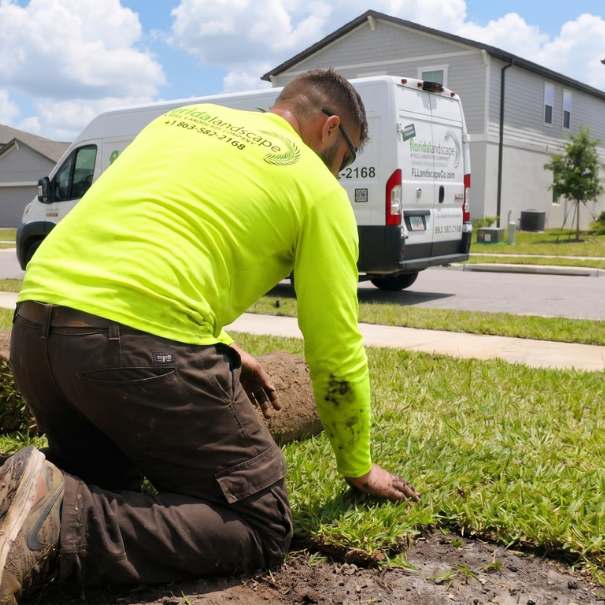
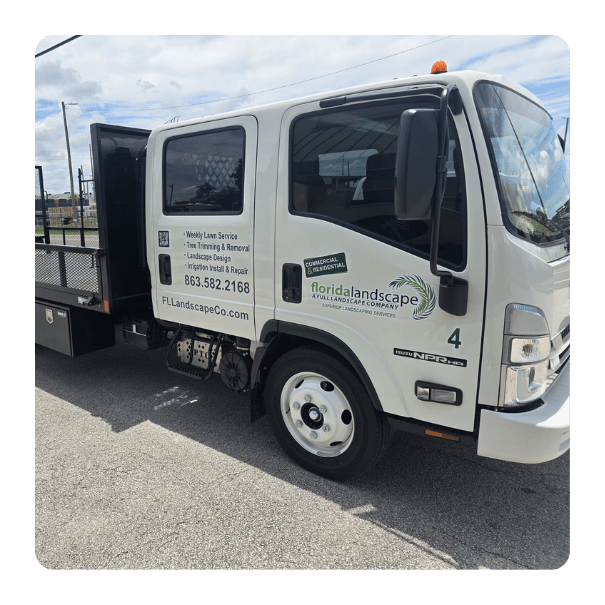
Watch for crews that show up without a company vehicle, uniform, or any visible branding. This isn't about appearances for their own sake — it usually correlates with a lack of formal business structure, which often means no insurance and no accountability if something goes wrong.
Vague, undated proposals are another warning sign. A professional landscaping company puts scope, pricing, and timeline in writing. If a company is only willing to discuss pricing verbally and won't commit anything to paper, treat that as a serious red flag rather than a minor inconvenience.
Why Regional Expertise Matters More Than a Big Brand Name
National lawn care chains advertise heavily, but their service models are built around standardized routes and scripts, not neighborhood-specific knowledge. A company that has worked specifically in Clermont, Davenport, Haines City, and the Four Corners area for years understands how HOA deed restrictions in those communities affect plant height, mulch bed edges, and common-area maintenance schedules in ways a national call center never will.
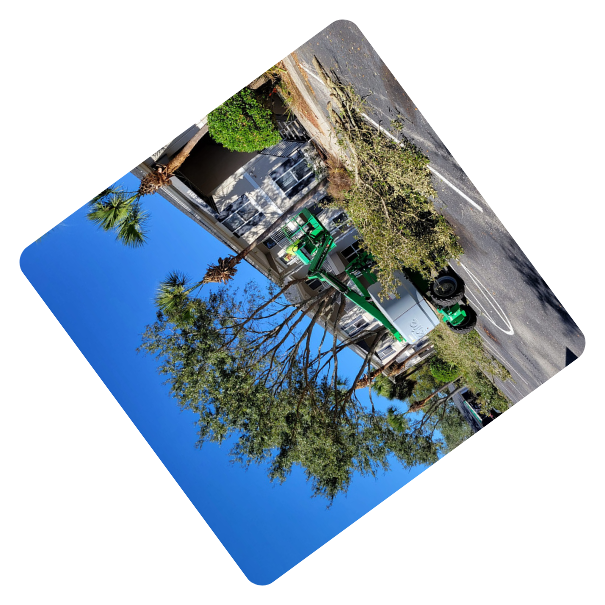
Local experience also shows up in storm response. Central Florida gets direct hits from tropical systems almost every hurricane season, and a landscaper who has handled storm cleanup locally knows which trees in this region are prone to canopy failure and how fast debris needs to come down before it becomes a liability. That kind of judgment doesn't come from a training manual — it comes from years of working the same soil and the same storms.
Companies that specialize in both residential and HOA landscaping tend to carry this regional depth especially well, since HOA contracts demand documentation, compliance awareness, and consistency across dozens of properties at once.
What a Full-Service Florida Landscaping Company Should Offer
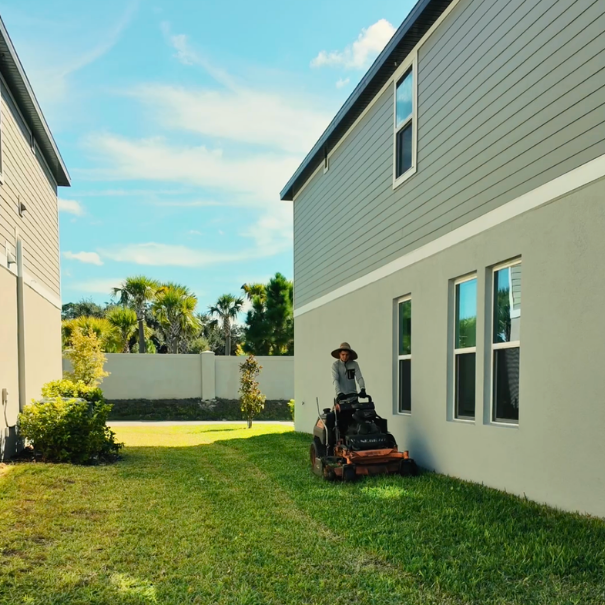
A landscaper worth hiring long-term typically covers more than mowing. Look for a provider offering landscape design and installation, irrigation repair, tree trimming, sod installation, and seasonal cleanups under one roof. Juggling five separate vendors for a single yard is inefficient and makes it harder to hold anyone accountable when something slips.
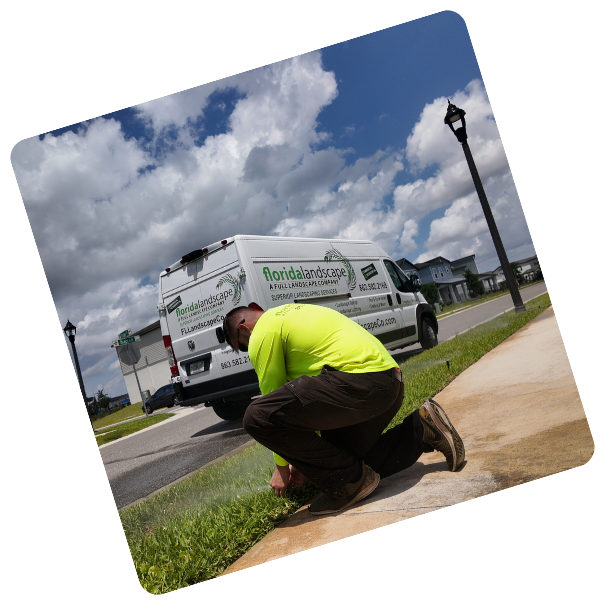
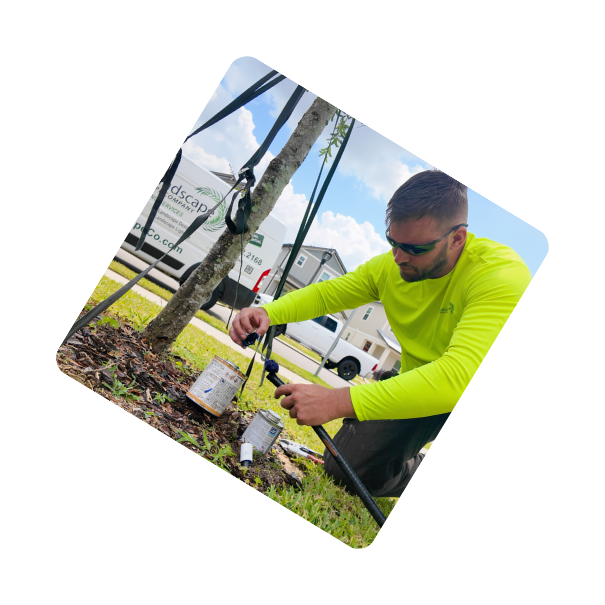
Irrigation service deserves particular attention since it's one of the most commonly neglected parts of Florida landscaping. A broken sprinkler head or a poorly programmed controller can waste thousands of gallons of water a month while still leaving brown patches in the lawn. A company offering both maintenance and irrigation repair can catch these issues during a routine visit instead of waiting for a homeowner to notice a water bill spike.
For homeowners in growth corridors like Horizon West or Winter Garden dealing with new construction turnover, ask specifically whether the company handles new construction landscaping packages, since builder-grade sod and irrigation installs often need adjustment within the first year.
Get a Landscaping Quote From a Local Central Florida Team
If you're dealing with patchy turf, an irrigation system that never seems to run right, or a yard that just hasn't gotten the attention it needs, those are exactly the problems a licensed, locally experienced crew solves on a predictable schedule. Florida Landscape Co. has served the Polk and Lake County corridor since 2011, with full crews, proper insurance, and the regional knowledge this climate demands. Request your free quote or call (863) 582-2168 for fast, local service in Clermont, Davenport, Haines City, and the surrounding Four Corners area.

Get your free quote and expert advice today.
Ready to transform your garden? Get in touch with our expert team today for a free consultation and personalized plan.



Frequently Asked Questions
Do landscapers in Florida need a state license?

Basic lawn mowing and maintenance don't require a statewide license, but irrigation contracting and pesticide application do require specific certifications through the Florida Department of Business and Professional Regulation. Always confirm licensing for any service involving chemicals or sprinkler system work.
How much does professional landscaping cost in Florida?
Monthly maintenance for an average residential lot typically runs between $150 and $350 depending on lot size and service frequency, while larger design and installation projects vary widely based on scope. Get a written, itemized quote so you know exactly what's included before committing.
What is the best grass type for Central Florida lawns?
St. Augustine is the most common choice for shaded residential lawns, while Zoysia and Bahia handle full sun and lower-maintenance areas well. The right choice depends on your sun exposure, soil, and how much watering and mowing you want to manage.
How often should a Florida lawn be mowed in summer?
Most Central Florida lawns need mowing every 7 to 10 days during peak summer growth due to heat and rainfall, compared to every 2 to 3 weeks in cooler winter months. A landscaper adjusting schedules seasonally, rather than running a fixed route year-round, is a good sign of local expertise.
Should I hire the same company for irrigation and lawn care?
Using one provider for both reduces finger-pointing when a lawn problem turns out to be an irrigation issue, and it usually means fewer missed appointments and better scheduling coordination. It's one of the clearest advantages of hiring a full-service landscaping company over separate specialists.

