
How to Find Qualified Landscapers Florida Property Owners Can Trust
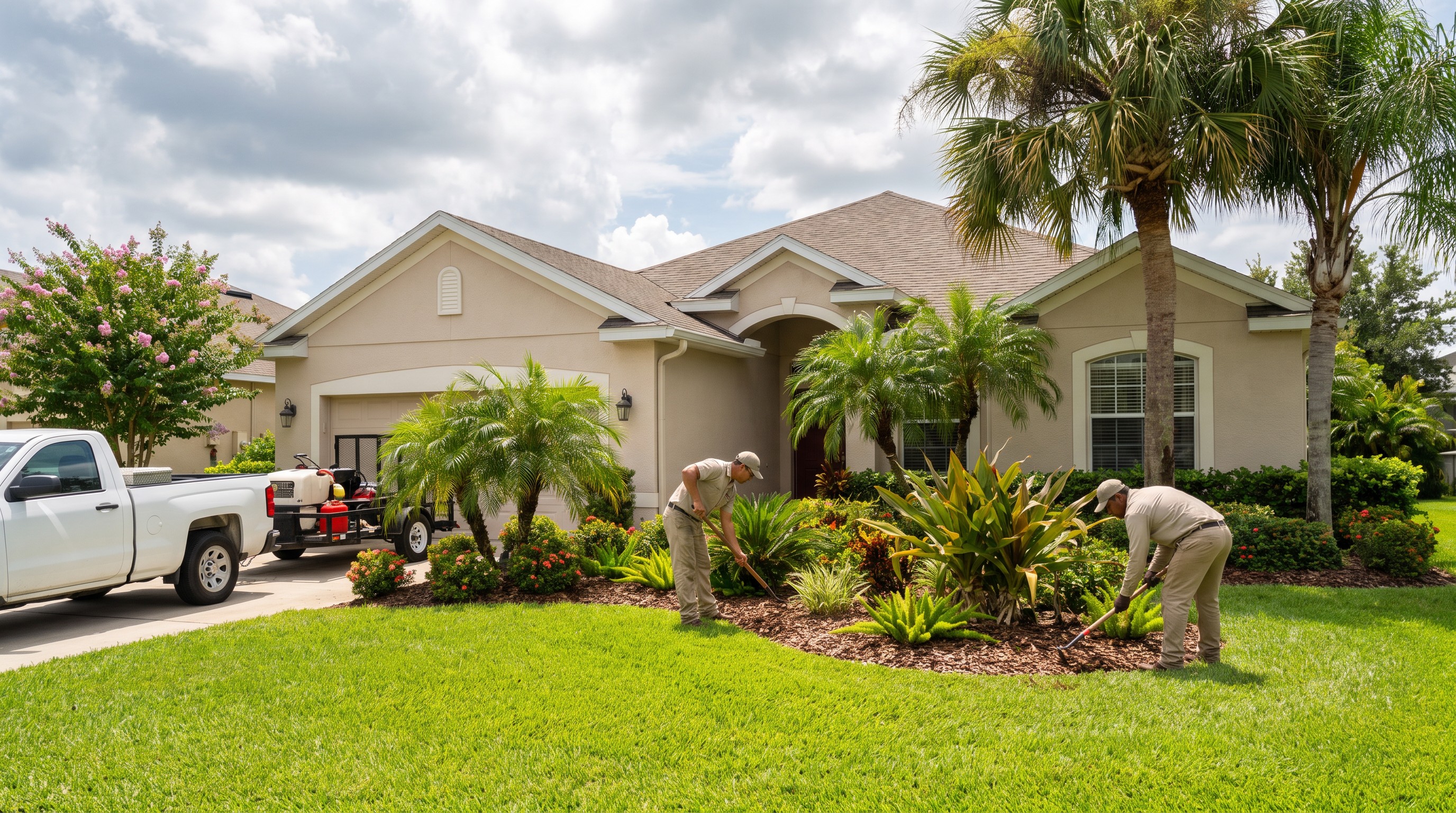
Finding qualified landscapers Florida homeowners can depend on starts with understanding that not every crew with a truck and a mower is equipped to handle this state's growing conditions. Florida's sandy soil, year-round heat, torrential summer rain, and fast-growing turf create a maintenance environment unlike almost anywhere else in the country. A landscaper who learned the trade in Georgia or the Carolinas will struggle with St. Augustine grass fungus, irrigation demands during dry season, and the storm-prep work that Central Florida properties need every single year.
Property owners across Polk, Lake, and Orange counties are investing more in their landscapes than ever, and that means more companies claiming to be experts. Some are. Many aren't. This guide breaks down exactly what separates a legitimate, regionally experienced landscaping company from a crew that's going to cost you money in dead sod, broken irrigation lines, and inconsistent service.
Why Regional Experience Matters More Than National Brand Names
A national lawn care chain can mow a yard in Ohio or Orlando using the same basic playbook, but Florida landscapes don't forgive generic approaches. Sandy, fast-draining soil needs different fertilization timing than clay-based soil up north. Humidity and near-constant rainfall from June through September create fungus and pest pressure that doesn't exist in drier climates.
Companies with deep Central Florida roots understand when to pull back on irrigation during the summer wet season and when to ramp it up during the dry winter months. They know which turf varieties hold up against chinch bugs and which ornamental plants can survive both a 95-degree July and an occasional January frost. That knowledge isn't something a franchise manual teaches overnight.
The University of Florida's IFAS Extension publishes detailed guidance on regional turf and landscape management specific to Florida's climate zones, and the best local landscapers reference this kind of research in how they train crews and schedule seasonal work. UF/IFAS Gardening Solutions is a useful resource for homeowners who want to verify whether a landscaper's recommendations actually match university-backed Florida horticulture guidance.
Licensing and Insurance: The Non-Negotiables
Florida doesn't require a statewide license for basic lawn mowing and maintenance, which means the barrier to entry is low and the market is flooded with unlicensed operators. But several landscaping services do require certification, and any company doing pesticide application, irrigation work, or tree removal should carry specific credentials.
Ask to see proof of general liability insurance before signing any contract. A landscaper working on your property without coverage leaves you exposed if a worker is injured or if equipment damages your irrigation system, fence, or driveway. Workers' compensation coverage matters just as much, particularly for tree service work, which carries real physical risk.
The Florida Department of Agriculture and Consumer Services oversees pesticide applicator licensing, and homeowners can verify a company's certification status directly through the state. FDACS maintains public records for this exact purpose. A legitimate company will never hesitate when you ask to see this documentation.
What Separates Professional Landscapers From Side-Gig Crews
Professional landscaping companies operate with systems: scheduled routes, documented service history, clear proposals, and a point of contact who answers the phone when something goes wrong. Side-gig crews often show up inconsistently, communicate through a single cell phone that goes unanswered half the time, and disappear during the busiest growing months when demand outpaces their capacity.
Look for a company that provides itemized quotes rather than vague verbal pricing. A transparent proposal breaks down mowing frequency, fertilization schedule, irrigation checks, and any additional services like mulch refreshes or seasonal cleanups. This kind of clarity protects you from scope creep and makes it easy to compare one company against another.
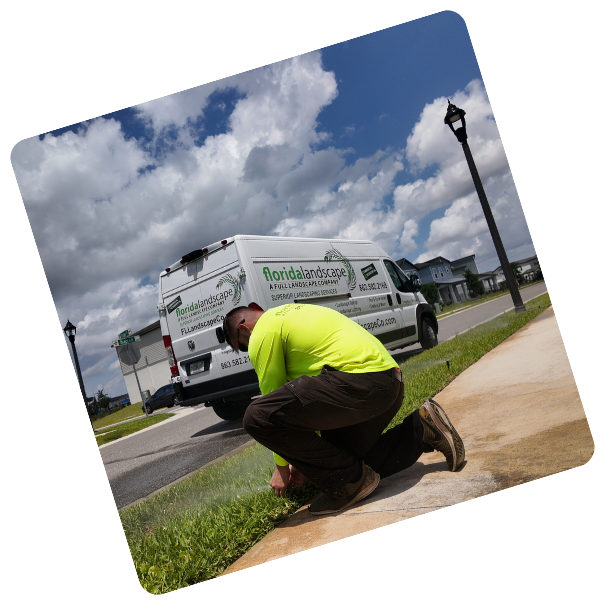
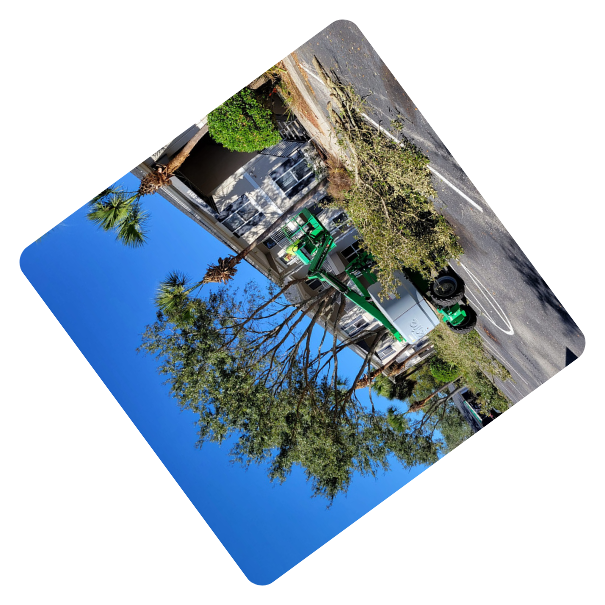
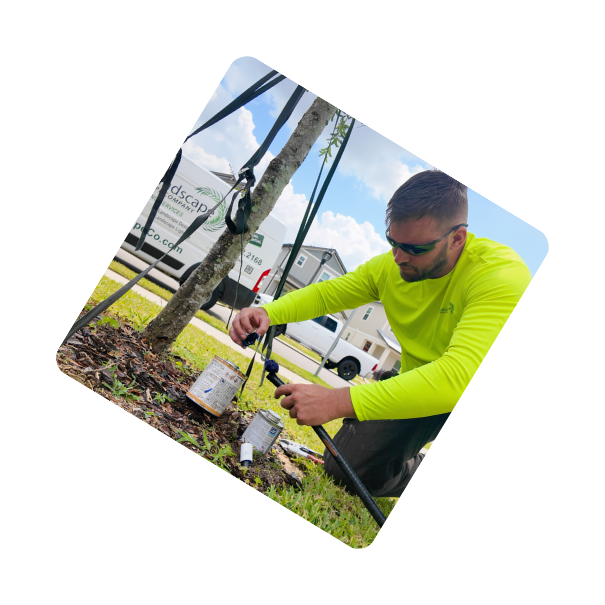
Full-service capability is another signal worth weighing. A company that handles lawn maintenance, irrigation repair, and tree services under one roof eliminates the headache of coordinating three separate vendors who each blame the others when something goes wrong.
Questions to Ask Before You Hire
Before signing a contract, ask how long the company has operated in your specific service area. A business that's worked exclusively in Clermont, Davenport, or Haines City for a decade understands the microclimates and HOA requirements of those communities far better than a company that just expanded into the market last year.
Ask what happens during Florida's rainy season when mowing schedules get disrupted by afternoon storms. A seasoned landscaper has a rain-day policy and communicates proactively instead of leaving you guessing about when your crew will show up.
If you're an HOA board member or property manager, ask specifically about reporting practices. Established commercial landscapers provide documentation on completed work, irrigation audits, and seasonal plans, which matters enormously for board accountability and resident communication. This is one of the clearest ways to separate a company built for HOA landscaping work from one that only handles residential yards.
Red Flags That Signal an Unqualified Landscaper
Be cautious of any company that can't provide a written estimate, insists on full payment upfront, or has no verifiable address or local phone number. A legitimate landscaping business operates from a fixed location and has employees, not just a rotating cast of day laborers.
Watch for vague answers about plant and turf recommendations. If a landscaper can't explain why they're recommending a specific sod type or irrigation schedule for your soil and sun exposure, they likely haven't done the homework Florida properties demand.
Tip: Ask for references from properties similar to yours, whether that's a single-family home, an HOA common area, or a commercial storefront. A company confident in its regional work will have no problem connecting you with a current customer.
The National Association of Landscape Professionals offers a consumer-facing directory and standards reference that can help homeowners understand baseline industry expectations before hiring. NALP is a solid starting point if you want to cross-check a company's claims against broader industry norms.
Why Full-Service, Locally Rooted Companies Win Long-Term
Homeowners and HOA boards who switch providers frequently usually discover the same problem: piecemeal service from multiple vendors creates gaps. The irrigation company doesn't talk to the mowing crew. The tree service shows up on a different schedule than everyone else. Nothing is coordinated, and small issues turn into expensive ones.
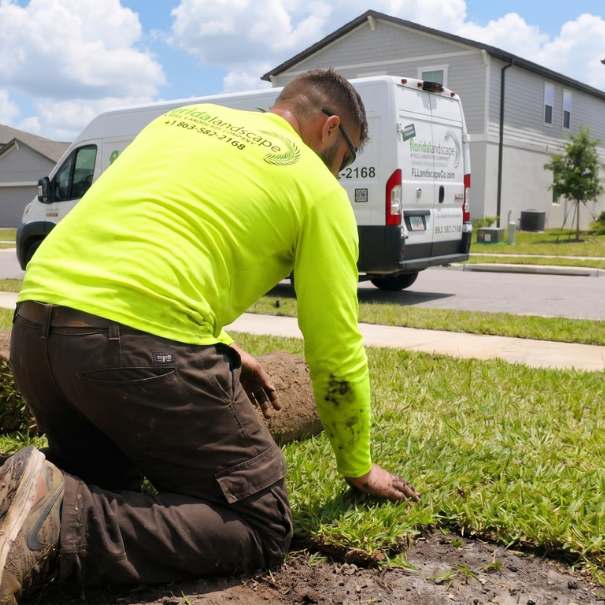
A full-service landscaper that handles everything from sod installation to landscape lighting under one contract gives property owners a single point of accountability. When one company manages the whole picture, seasonal transitions, storm prep, and irrigation adjustments happen on a coordinated schedule instead of in disconnected fragments.
This is especially true for new construction and growth-corridor communities where builders need irrigation, sod, and planting plans delivered on a tight turnover timeline. A company with regional depth and full-service capability can move faster and with fewer handoff errors than three separate specialty vendors working in isolation.
Get a Quote From a Central Florida Landscaping Team You Can Trust
If you're comparing landscapers in Clermont, Davenport, Haines City, or anywhere across the Polk and Lake County corridor, you deserve a provider who understands Florida's soil, heat, and storm cycles firsthand, not a company guessing its way through your property. Florida Landscape Co. has handled everything from dry patches and irrigation waste to HOA compliance and storm-damaged trees since 2011, and we back every proposal with clear pricing and real local experience. Request your free quote or call (863) 582-2168 for fast, local service in Central Florida.

Get your free quote and expert advice today.
Ready to transform your garden? Get in touch with our expert team today for a free consultation and personalized plan.



Frequently Asked Questions
Do landscapers in Florida need a license?

Basic lawn mowing and maintenance don't require a statewide license in Florida, but pesticide application, irrigation work, and certain tree services do require specific certifications through the Florida Department of Agriculture and Consumer Services. Always ask to see documentation before hiring.
How much does professional landscaping cost in Central Florida?
Costs vary widely based on property size, service frequency, and scope, but recurring residential maintenance typically starts in the low hundreds per month, while design, sod, and irrigation installs are priced per project. A detailed, itemized quote is the best way to understand true cost for your property.
What should I look for in an HOA landscaping company?
HOA boards should prioritize companies with documented reporting practices, consistent crew scheduling, and experience managing common areas, entry signage, and community-wide irrigation systems. Compliance and communication matter as much as the quality of the mowing itself.
How do I know if a landscaper understands Florida's climate?
Ask specific questions about turf types, fungus pressure during rainy season, and irrigation adjustments between wet and dry months. A landscaper with genuine Florida experience will answer these without hesitation and reference soil and climate conditions specific to your area.
Is it better to hire a local landscaper or a national chain?
Local companies with years of operation in your specific market typically understand microclimates, HOA requirements, and seasonal timing better than national chains applying a one-size-fits-all approach. Regional depth tends to produce more consistent results on Florida properties.

