

How Often to Water Lawn in Florida: A Season-by-Season Guide

How often to water lawn in Florida depends on the season, your grass type, and the water management district rules that apply to your address, but most Central Florida lawns need one to two watering days per week during the warm growing season and far less during the cooler months. Get this wrong and you end up with one of two problems: a lawn that browns out under summer heat stress, or a lawn drowning in fungus because it never dries out between waterings. The right schedule shifts throughout the year, and it shifts again depending on whether you're growing St. Augustine, bahia, or zoysia.
Florida Lawn Watering Restrictions: What the Law Actually Says
Florida's five water management districts set mandatory watering schedules based on your address and the last digit of your street number. In most of Polk, Lake, and Orange counties, that means lawn irrigation is limited to one or two specific days per week, and watering between 10 a.m. and 4 p.m. is prohibited year-round in many jurisdictions to cut evaporation loss.
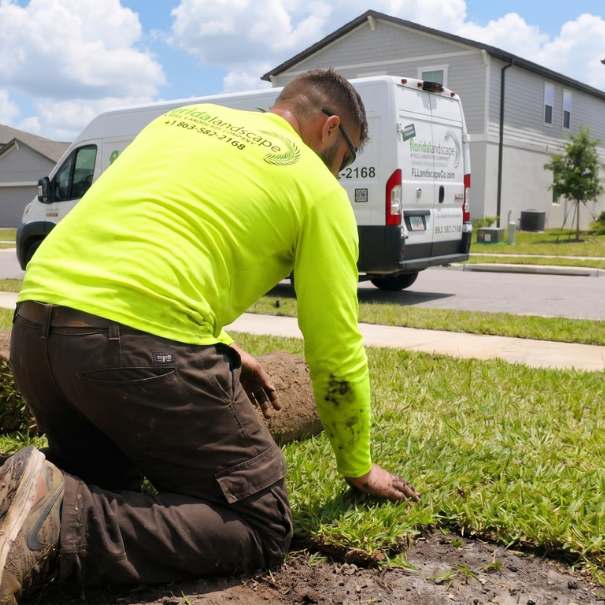
Newly installed sod gets a temporary exception. Most districts allow daily watering for the first 14 to 30 days after installation so new roots can establish, then the schedule drops back to the standard one or two days a week. Check your specific county's rules before assuming your neighbor's schedule applies to you, since Polk County restrictions and Orange County restrictions aren't always identical.
The Southwest Florida Water Management District publishes the exact day-by-address breakdown, and it's worth bookmarking if you manage irrigation for more than one property.
How Many Times a Week to Water Lawn in Florida, Season by Season
During the warm growing season, roughly March through October, Central Florida grass is actively growing and using water fast. Most lawns need about three-quarters of an inch to one inch of water per week, split across the one or two legally allowed watering days. If it rains an inch or more that week, skip the irrigation entirely — a rain sensor should already be doing this for you automatically.
Cooler months, November through February, are a different story. Grass growth slows dramatically and some varieties go semi-dormant, so watering every 10 to 14 days is usually enough. Overwatering during this stretch is one of the fastest ways to invite fungal disease, since cool, wet turf takes far longer to dry out than warm, wet turf.
If you're unsure whether your current schedule matches the season, a quick irrigation audit from a local crew — like our lawn care team in Winter Haven, FL — can catch a controller that's still running on a summer program in December.
Florida Grass Watering Schedule by Type
St. Augustine Grass
St. Augustine is the most common lawn grass in Central Florida and also the least drought-tolerant of the three. Its root system stays relatively shallow, so it needs consistent moisture during the growing season — about one to 1.5 inches per week split across two sessions if your district allows it. It's also the first grass to show stress, which makes it a useful early-warning system for your whole yard.
Bahia Grass
Bahia is the toughest of the three and the one most likely to survive a missed watering week without complaint. Its deep root system pulls moisture from further down in the soil profile, so it can stretch to every 10 days in summer without visible damage. If your bahia lawn is struggling on a normal schedule, the problem is usually soil compaction or poor drainage, not lack of water.
Zoysia Grass
Zoysia sits in between the other two. It's drought-tolerant once fully established, typically after the first full growing season, but young zoysia sod needs closer attention and consistent moisture for the first several weeks. Established zoysia lawns generally do well on the same one-to-two-day schedule as St. Augustine, just with slightly less total volume.
Best Time of Day to Water Your Florida Lawn
Early morning, ideally between 4 a.m. and 8 a.m., is the correct window almost everywhere in the state. Watering this early means the grass has hours of daylight to dry before evening, which cuts the risk of fungal diseases like large patch and gray leaf spot that thrive on turf that stays wet overnight.
Midday watering wastes water to evaporation and wind drift, and it's restricted by most water management districts between 10 a.m. and 4 p.m. Evening watering feels convenient but leaves grass damp all night, which is exactly the environment fungus needs to take hold.
Rain Sensors and Smart Controllers: The Law Requires Them
Florida statute requires any automatic irrigation system installed after 1991 to have a functioning rain sensor or soil moisture sensor that shuts the system off during and after rainfall. A lot of Central Florida homes have one that's broken, disconnected, or painted over and simply never noticed.
Smart controllers take this further by pulling local weather data and adjusting run times automatically, which is one of the most reliable ways to avoid both overwatering and accidental watering-restriction violations. The EPA WaterSense program maintains a list of certified smart controllers if you're shopping for an upgrade.
Signs of Overwatering and Underwatering in Central Florida Lawns
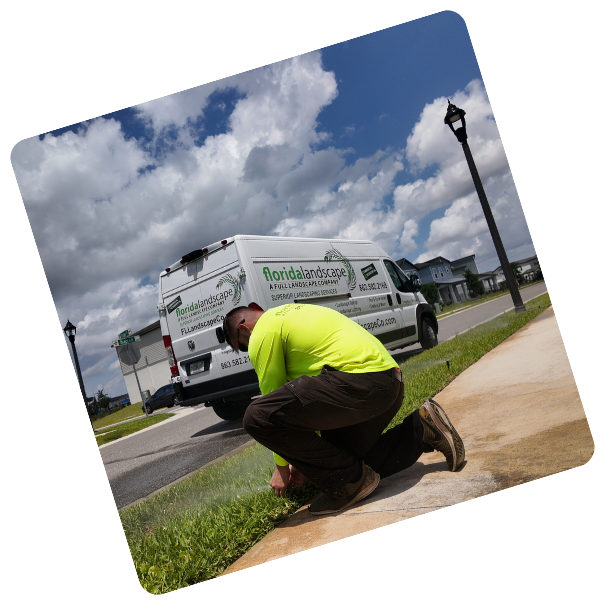
Overwatered lawns often show mushroom growth, spongy or squishy soil underfoot, and circular fungal patches that expand week over week. Standing water or persistent mosquito activity near the lawn's edges is another red flag that the irrigation schedule is running too long or too often.
Underwatered lawns tell a different story. A blue-gray tint across the turf, grass blades folding lengthwise, and footprints that stay visible long after you've walked across the yard all point to drought stress. Thinning turf near sidewalks and driveways, where soil dries out fastest, is usually the earliest sign.
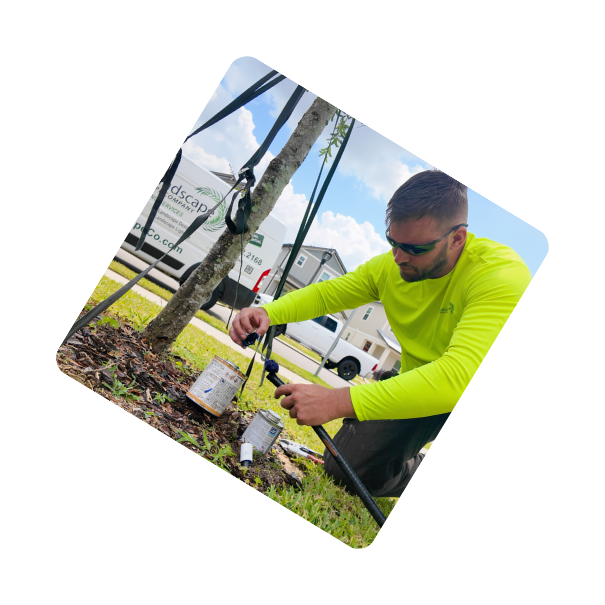
If you're seeing either set of symptoms and can't pin down the cause, our lawn care crew in Haines City, FL can run a full irrigation and turf health check to find the actual root of the problem before it spreads.
Common Watering Mistakes That Damage Florida Lawns
1. Watering every single day out of habit, which trains roots to stay shallow and makes the lawn more vulnerable during actual dry spells.
2. Running sprinklers in the evening because it's convenient, leaving grass wet overnight and inviting fungal disease.
3. Applying the same schedule to every grass type in the yard, when St. Augustine, bahia, and zoysia all have different water needs.
4. Ignoring a broken or disconnected rain sensor, which is both a code violation and a fast way to waste water and money.
5. Never adjusting the controller between seasons, so a summer schedule keeps running straight through a cool, low-growth winter.
6. Guessing at output instead of measuring it — set a few straight-sided cans on the lawn during a cycle and check how much water actually collects.
The UF/IFAS Extension guide on watering Florida lawns is a solid reference if you want the underlying turfgrass science behind these numbers.
Schedule a Free Irrigation Check-Up in Central Florida
A lawn that's turning brown, staying soggy, or breaking out in fungus usually isn't a mystery — it's a watering schedule that's out of sync with the season or the grass type. Whether you need a rain sensor repaired, a controller reprogrammed, or a full irrigation audit, our team knows what Central Florida turf actually needs versus what a generic sprinkler timer assumes.
Request your free irrigation check-up or call (863) 582-2168 for fast, local service in Central Florida today.

Get your free quote and expert advice today.
Ready to transform your garden? Get in touch with our expert team today for a free consultation and personalized plan.




Frequently Asked Questions
How many times a week should I water my lawn in Florida?

Most Central Florida lawns need one to two watering days per week during the warm growing season and can drop to once every 10 to 14 days in the cooler months, though your exact allowed days depend on your local water management district.
What time of day should I water my lawn in Florida?
Early morning, between 4 a.m. and 8 a.m., is best. It gives grass time to dry before nightfall and avoids the midday watering restrictions most Florida counties enforce.
Do I need a rain sensor for my sprinkler system in Florida?
Yes. Florida law requires automatic irrigation systems to have a working rain sensor or soil moisture sensor that shuts off watering during and after rainfall.
How long should I run my sprinklers in Florida?
Aim for about three-quarters of an inch to one inch of total water per week during the growing season, split across your allowed watering days. Set a few cans on the lawn during a cycle to measure exactly how much your system delivers.
Is it normal for St. Augustine grass to turn brown in winter?
Some straw-colored dormancy is normal in cooler months and doesn't mean the lawn is dying. Widespread browning during the active growing season, on the other hand, usually points to underwatering or disease.

