
HOA Landscaping Rules: What Boards Need to Write, Enforce, and Budget For
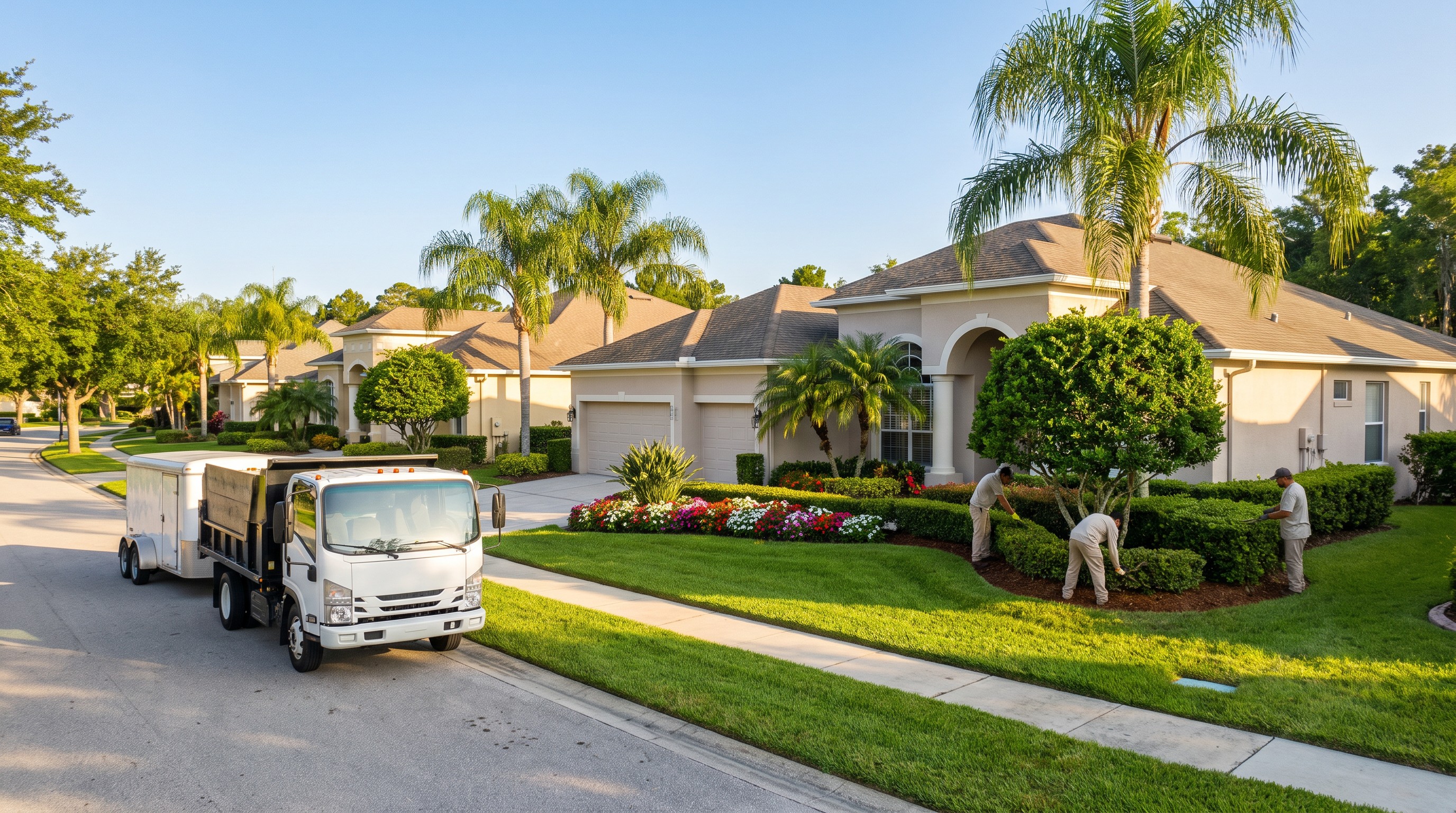
HOA landscaping rules exist to protect property values, keep common areas safe, and give every resident a predictable standard from one lawn to the next. Boards that write vague rules spend their year refereeing disputes. Boards that write specific, enforceable standards spend their time on bigger issues, and their communities look it.
Central Florida HOAs face a particular challenge: year-round growing seasons, sandy soil that drains fast, afternoon storms that hit hard in summer, and homeowners who moved from states with completely different climate expectations. A landscaping rulebook written for a Midwest subdivision does not translate to Polk or Lake County. The standards have to account for how grass, irrigation, and trees actually behave here.
What to Include in Your HOA Landscaping Specs
Good HOA landscaping guidelines are specific enough that a contractor, a board member, and a homeowner would all describe the standard the same way. Vague language like "well-maintained" or "neat appearance" invites argument. Numbers and named materials do not.
Start with turf type. St. Augustine is the dominant choice in Central Florida HOAs because it tolerates shade and heat better than Bermuda, but it also needs a higher mow height — typically 3.5 to 4 inches — to stay healthy. Specify the turf variety allowed in common areas and the minimum mow height in the contract itself, not just in a homeowner handbook.
Mow frequency matters just as much as height. Most Central Florida HOAs need weekly mowing from March through October and biweekly in the cooler months. Write this into the specs as a schedule, not a general promise of "regular service."
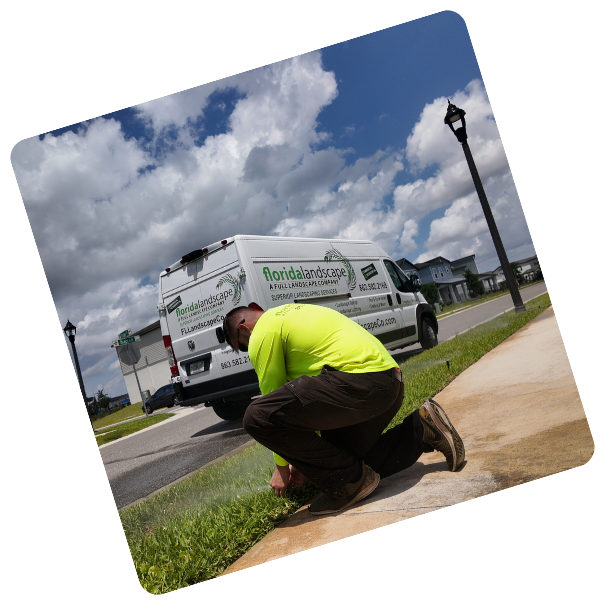
Irrigation schedules need their own line item. Florida water management districts regulate watering days and times, and an HOA that ignores those restrictions risks fines on top of a dead lawn. Specify smart controller use, seasonal adjustment responsibility, and who audits the system for broken heads or leaks.
Seasonal color beds at entrances and amenity centers should have a defined rotation — typically two to four plantings a year in Florida's climate — with named plant palettes approved in advance so the HOA isn't surprised by a color scheme that clashes with signage or architecture.
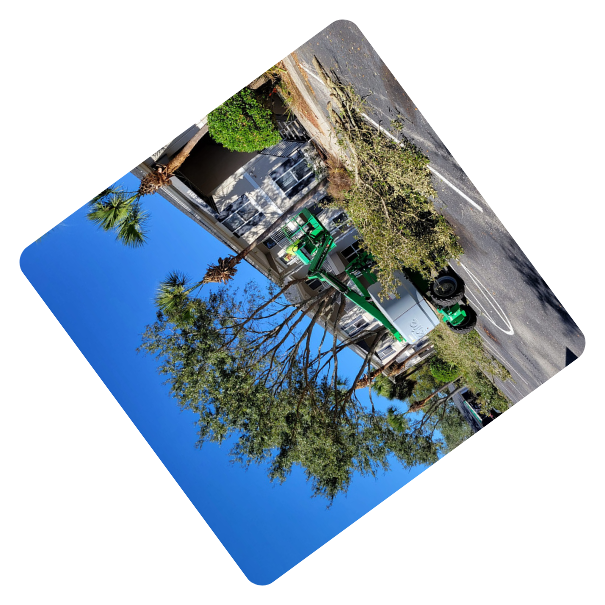
Tree canopy rules deserve explicit treatment too: minimum clearance heights over sidewalks and roads, pruning cycles, and who is responsible for removal of storm-damaged limbs. Clear HOA landscaping specs turn these into scheduled line items instead of emergency calls.
Writing a Landscape Scope of Work That Protects the HOA
A scope of work is the document that prevents "I thought that was included" arguments six months into a contract. It should list every service by name and frequency: mowing, edging, trimming, weed control, fertilization, mulch refresh, irrigation checks, and entrance bed maintenance.
Common areas need separate treatment from individual lot maintenance. Entrance signage beds, amenity center grounds, retention pond buffers, and clubhouse landscaping all carry higher visibility and should be held to a tighter standard than side-street common ground.
Build in a response-time clause for irrigation failures and storm damage. A broken irrigation head during a dry stretch in April can kill an entire bed before the next scheduled visit if there's no language requiring a callback within a set number of business days.
Specify reporting requirements. Boards managing dozens of acres across multiple phases need photo documentation or a monthly summary, not a verbal assurance that "everything's fine." A vendor that builds reporting into the HOA landscaping services relationship from day one saves the board hours at every meeting.
Reviewing Contractor Bids: What to Look For
Low bids are the single most common source of HOA landscaping regret. A price that comes in 20 to 30 percent below competitors usually means fewer visits, smaller crews, or corners cut on fertilization and irrigation audits — costs the HOA ends up absorbing later in dead turf and emergency repairs.
Ask every bidder for an itemized breakdown by service, not a single lump sum. A single number hides whether mowing frequency, fertilization rounds, and irrigation checks actually match what the HOA needs.
Check licensing and insurance directly. Florida does not require a statewide landscaping license for basic maintenance, but pesticide application, irrigation work, and tree removal all carry their own certification requirements. Ask for proof, not a verbal confirmation.
Request references from other HOAs of comparable size, not single-family residential clients. Managing forty acres of common area across multiple entrances is a different operation than mowing individual yards, and a contractor's residential reviews won't tell the board much about commercial-scale reliability.
Red flags include contracts with no defined scope of work, automatic renewal clauses with no out date, vague "weather permitting" language with no makeup-day commitment, and pricing that doesn't separate common area maintenance from amenity center or entrance landscaping. Boards that have been burned before can review a full breakdown of common HOA landscaping mistakes before signing anything.
Do You Need HOA Approval for Landscaping Changes?
Most HOA governing documents require architectural review for any exterior change visible from the street, and landscaping is almost always included. That covers new beds, hardscape additions, tree removal, large shrub installations, and sometimes even mulch color changes.
Routine maintenance — mowing your own lawn, trimming existing shrubs to their established shape, replacing dead annuals with the same species — typically does not require approval. The line gets blurry with anything that changes the footprint, species, or visible character of the landscape.
Boards should publish a simple one-page guide alongside the full governing documents so homeowners know, in plain language, what needs a form and what doesn't. Confusion here is the number one driver of compliance complaints, and most of it is preventable with clearer communication up front.
Handling Homeowner Compliance Disputes
Consistency is the only defense an HOA has in a landscaping dispute. If one homeowner gets a violation notice for an overgrown hedge and a similar hedge three doors down goes unaddressed, the board loses credibility and potentially legal footing if the dispute escalates.
Document violations with photos and dates before sending any notice. A notice with specifics — "hedge height exceeds 4 feet along the front property line, observed March 14" — holds up far better than a generic complaint letter.
Give homeowners a defined cure period and a clear path to compliance, including who to contact and what the fix looks like. Boards that pair strict standards with a responsive, professional landscaping vendor rarely have repeat violations, because the common areas set the visible standard the whole community follows.
What Consistent Professional Maintenance Does for Property Values
Buyers notice entrance signage and common areas before they notice anything else about a community. A well-kept entrance bed signals a well-run HOA; overgrown turf and dead annuals signal the opposite, regardless of how nice individual homes look.
Research on curb appeal consistently links well-maintained landscaping to measurable gains in perceived home value, and HOA-managed common areas carry that effect across an entire community rather than a single lot. Communities in fast-growth corridors like Horizon West feel this especially — new buyers are actively comparing landscaping standards across competing developments, and a well-run HOA landscaping program in Horizon West is a competitive advantage during resale season.
Resident satisfaction follows the same pattern. Boards that field fewer landscaping complaints spend their meeting time on reserves, insurance, and long-term planning instead of lawn disputes. That's the quiet return on a well-written contract: fewer fires to put out, more time for the work that actually moves the community forward.
Schedule Your HOA Landscaping Quote in Central Florida Today
Boards juggling inconsistent crews, irrigation complaints, and compliance disputes don't need another vague proposal — they need a vendor that writes a clear scope, documents the work, and shows up on schedule. Florida Landscape Co. has managed common area turf, entrance beds, irrigation, and tree canopy work for HOAs across Polk and Lake County since 2011, and we build every contract around the standards your board actually needs enforced.
Request your HOA landscaping quote or call (863) 582-2168 for fast, local service across Central Florida.

Get your free quote and expert advice today.
Ready to transform your garden? Get in touch with our expert team today for a free consultation and personalized plan.



Frequently Asked Questions
Do you need HOA approval for landscaping changes?

Most governing documents require architectural review for any change visible from the street, including new plant beds, tree removal, and hardscape additions. Routine maintenance of existing landscaping typically does not require approval, but boards should publish a clear guide to avoid confusion.
What should an HOA landscaping contract include?
A strong contract itemizes every service by name and frequency, separates common area maintenance from amenity center and entrance work, defines a response-time standard for irrigation and storm issues, and requires regular reporting or documentation to the board.
How often should HOA common areas be mowed in Florida?
Most Central Florida communities need weekly mowing from March through October during peak growing season, shifting to biweekly service in the cooler winter months when St. Augustine and Bahia turf growth slows.
What's a reasonable HOA landscaping budget in Central Florida?
Budgets vary widely based on acreage, turf type, and amenity complexity, but boards should request itemized bids broken out by mowing, irrigation, seasonal color, and tree care rather than a single lump sum, so true cost drivers are visible before signing.
Can an HOA require residents to use a specific landscaping company?
HOAs can set maintenance standards and require approval for landscaping changes, but requiring homeowners to use one specific vendor for their private lots is uncommon and usually limited to common areas and HOA-maintained property under the governing documents.

