
HOA Landscaping Requirements in Horizon West: A Board Member's Guide
HOA landscaping requirements in Horizon West have become more detailed and more strictly enforced as the area's master-planned communities fill out faster than almost anywhere else in Central Florida. Boards that governed a half-built neighborhood five years ago are now managing mature turf, irrigation networks stretched across multiple villages, and resident expectations shaped by glossy builder marketing. Understanding what's actually required, and what good compliance looks like day to day, saves boards money and headaches.
Horizon West isn't one neighborhood with one set of rules. It's a collection of villages, each with its own declaration of covenants, architectural review committee, and sometimes a separate community development district layered on top. That means landscaping requirements can vary from one subdivision to the next, even when they sit across the street from each other.
What Horizon West HOAs Typically Require in Landscape Maintenance
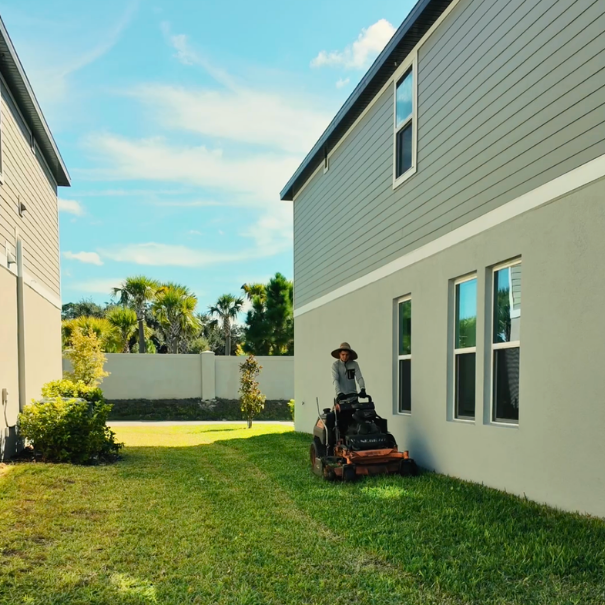
Most governing documents in this area spell out mowing frequency, edging standards, and acceptable turf height, usually tied to the growing season rather than a flat weekly schedule. During peak summer growth, many communities require mowing every five to seven days. In the cooler months, that interval often stretches to every ten to fourteen days.
Hedge and shrub trimming requirements usually reference sightlines at intersections, visibility of entry monuments, and a maximum height near windows and walkways. Weed control in planting beds and turf areas is almost always addressed separately from mowing, since untreated weeds are one of the most common violation triggers residents report to management companies.
Mulch refresh schedules show up in a surprising number of declarations, typically once or twice a year, because fresh mulch is one of the cheapest ways to keep common areas looking maintained between major renovations. Boards that skip this step often see complaint volume rise even when mowing and trimming are otherwise on track.
Turf, Plant Bed, and Irrigation Standards Specific to Horizon West Communities
Horizon West sits on sandy, fast-draining soil that doesn't hold water or nutrients the way heavier Florida clay does further north. That reality shapes a lot of landscape language in local HOA documents, including minimum irrigation run times, required zone separation between turf and planting beds, and expectations around drought tolerance for new installs.
Many communities now require or strongly encourage St. Augustine or Zoysia turf varieties bred for heat and drought tolerance, paired with smart irrigation controllers that adjust watering based on rainfall. This isn't just a sustainability talking point. It directly affects water bills, which matter a great deal to HOAs managing shared irrigation meters across dozens of acres of common area.
Plant bed standards typically address species selection, spacing, and height restrictions near sidewalks and mailboxes. Boards working from older declarations sometimes find the plant lists outdated for current Florida-Friendly Landscaping guidance published by the University of Florida IFAS Extension, which is worth cross-referencing when updating rules or settling disputes with homeowners about plant choices.
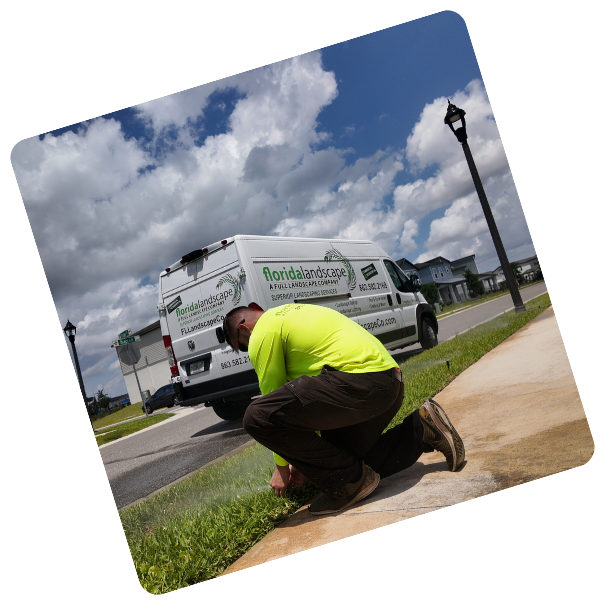
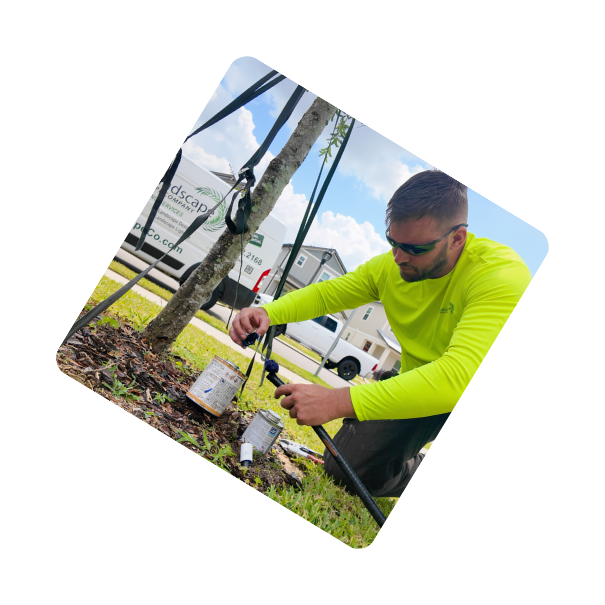
Communities that have not reviewed their irrigation standards recently tend to run into waste issues long before anyone notices a rising water bill. The team at Florida Landscape Co.'s HOA landscaping service regularly finds broken heads, mistimed zones, and overlapping coverage during routine audits in Horizon West communities that assumed their system was fine simply because the grass looked green.
Common Area and Entry Signage Requirements
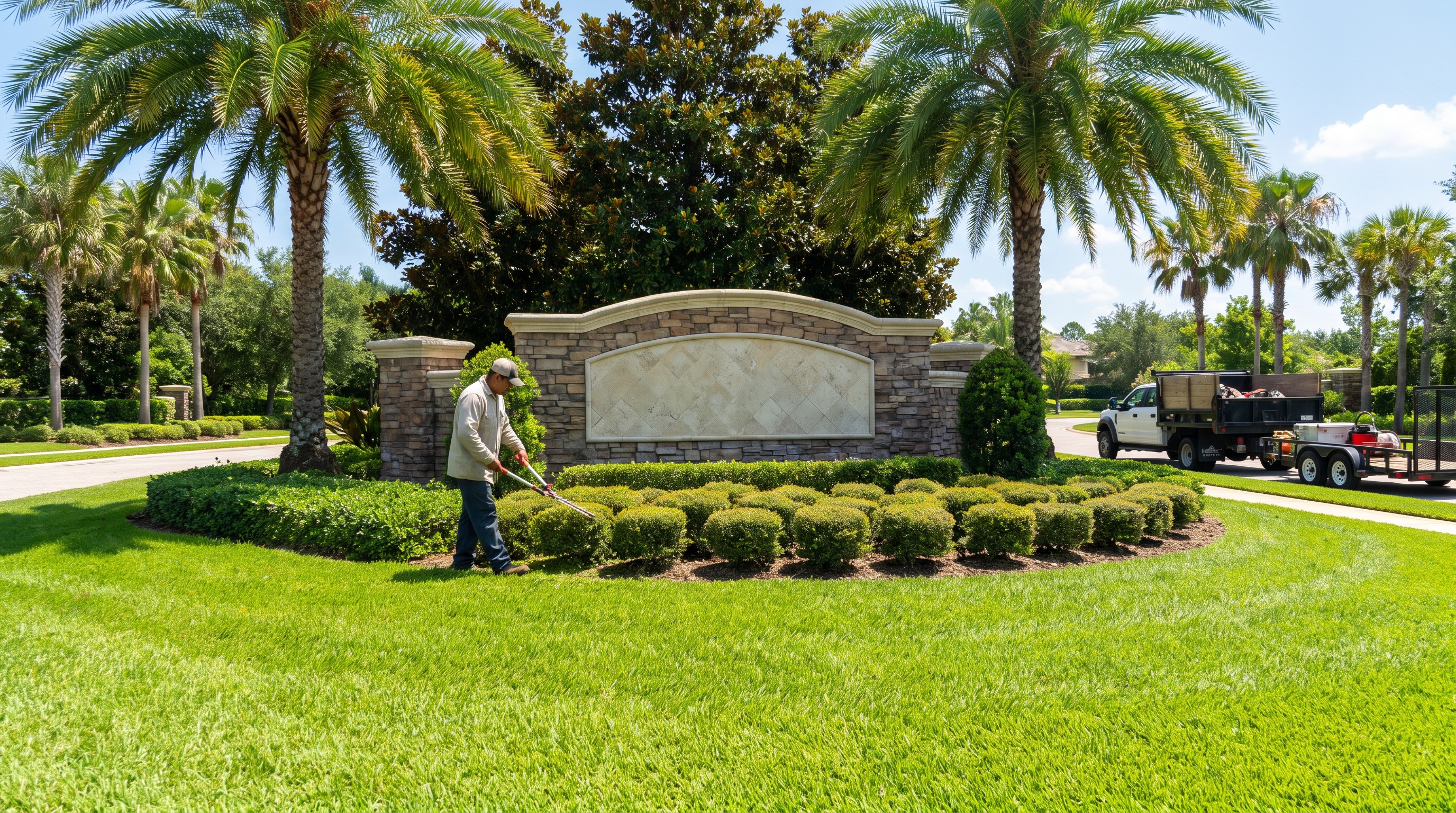
Entry monuments and signage beds carry the heaviest weight in most governing documents because they're the first thing prospective buyers, guests, and real estate agents see. Requirements here are usually stricter than interior common areas, often specifying seasonal color rotation, consistent mulch color, and a defined trimming schedule for ornamental plantings framing the sign itself.
Many Horizon West HOAs also set standards for amenity centers, pool decks, and clubhouse grounds separately from standard common-area turf, since these spaces see heavier foot traffic and higher visibility during community events. Boards should check whether their documents require a different maintenance frequency for these zones specifically, since lumping them in with general turf care is a common source of resident complaints.
Our detailed breakdown of how fast-growing Horizon West communities keep their landscapes looking sharp covers specific entry and signage strategies that work well in this market, including seasonal rotation schedules that hold up through Florida's wet summer months.
Storm Prep and Seasonal Compliance Expectations
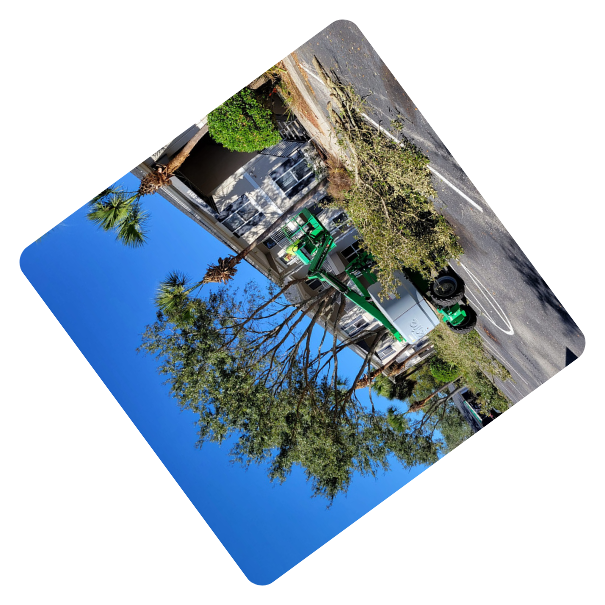
Florida HOA governing documents increasingly address storm preparation directly, a shift driven by the active hurricane seasons of the past several years. Requirements commonly include canopy thinning on mature trees before June 1, removal of dead or weak limbs over walkways, and a documented inspection of drainage swales before peak rainy season.
After a storm passes, many declarations require debris removal from common areas within a specific window, often 48 to 72 hours, to avoid secondary damage to turf and plant beds. Boards that build this timeline into their landscaping contract up front avoid the scramble of negotiating emergency rates after the fact.
Seasonal transitions also matter for compliance. Fertilization windows, overseeding restrictions, and irrigation adjustments for cooler months are frequently written into HOA rules because off-season watering is one of the fastest ways to waste money and stress turf unnecessarily.
Common Mistakes HOA Boards Make with Compliance
1. Treating all common areas the same. Entry signage, amenity centers, and interior turf often require different standards, and applying one blanket schedule leads to under-maintained high-visibility zones.
2. Ignoring outdated plant lists. Declarations written years ago sometimes specify species that no longer suit current Florida-Friendly guidance or that struggle in Horizon West's sandy soil.
3. Skipping irrigation audits. Boards frequently assume green turf means efficient watering, missing broken heads and mistimed zones that quietly inflate shared water bills.
4. Waiting until hurricane season to address tree canopy. Reactive tree work after a storm warning costs more and leaves less time for proper pruning before high winds arrive.
5. Not documenting maintenance for resident disputes. Boards without clear service logs struggle to respond to complaints or justify assessment increases tied to landscaping costs.
Our guide on HOA landscaping standards for Central Florida boards walks through how to set measurable, enforceable expectations that reduce resident disputes before they start.
How to Set Clear Standards Before Your Next Contract
Boards get the best results when landscaping requirements are specific enough to measure, not vague enough to argue about. Mowing height, trim frequency, mulch color, and irrigation run times should all be written into the service contract, not left to interpretation between the board and the vendor.
Budget planning matters just as much as the specification itself. Our breakdown of how to plan an HOA landscaping budget in Central Florida covers realistic cost ranges for communities in the Horizon West growth corridor, including how to account for storm season labor spikes.
Communities evaluating a new vendor or renewing an existing contract should also review our guide on how to choose a landscaping company for your HOA, which outlines the questions boards should ask before signing, from insurance coverage to reporting frequency. The Community Associations Institute also publishes governance resources that help boards understand their enforcement authority under state law, which is especially relevant given how often Florida's HOA statutes get updated.
Boards operating under Chapter 720 of the Florida Statutes should keep a current copy on hand, since the statute governing homeowners' associations outlines notice requirements and enforcement limits that directly affect how landscaping violations can be handled.
Get HOA-Ready Landscaping Support in Horizon West Today
Managing landscaping requirements across multiple villages, amenity centers, and entry monuments is a lot to coordinate without a vendor who understands HOA governance, not just mowing routes. If your board is dealing with inconsistent service, unclear contract language, or irrigation costs that keep climbing, you don't have to sort it out alone. Florida Landscape Co. works directly with boards and property managers across Horizon West to build compliant, documented maintenance plans that hold up through board turnover and storm season alike.
Request your free quote or call (863) 582-2168 for fast, local service in Horizon West.

Get your free quote and expert advice today.
Ready to transform your garden? Get in touch with our expert team today for a free consultation and personalized plan.



Frequently Asked Questions
What landscaping standards do Horizon West HOAs usually require?

Most require defined mowing frequency, edging and trimming schedules, mulch refresh intervals, and irrigation standards suited to the area's sandy soil. Specific requirements vary by village and governing document, so boards should review their declaration directly.
Do HOA landscaping rules in Horizon West cover irrigation?
Yes, many declarations address irrigation run times, zone separation, and smart controller use, largely because of how quickly sandy soil drains and how much water shared irrigation systems can waste if left unmonitored.
How often should HOA common areas be mowed in Horizon West?
During peak growing season, many communities require mowing every five to seven days. In cooler months, that interval typically extends to every ten to fourteen days depending on turf type and rainfall.
What should a Horizon West HOA do before hurricane season?
Boards should schedule canopy thinning and dead limb removal before June 1, inspect drainage swales for blockages, and confirm their landscaping contract includes a defined debris removal timeline after a storm.
Can an HOA update outdated landscaping standards in its governing documents?
Yes, most declarations allow boards to adopt updated rules or architectural guidelines through a formal amendment or board resolution process, which is a good opportunity to align plant lists and irrigation standards with current Florida-Friendly Landscaping guidance.

