
Florida Landscaping Ideas That Actually Work in Central Florida's Climate
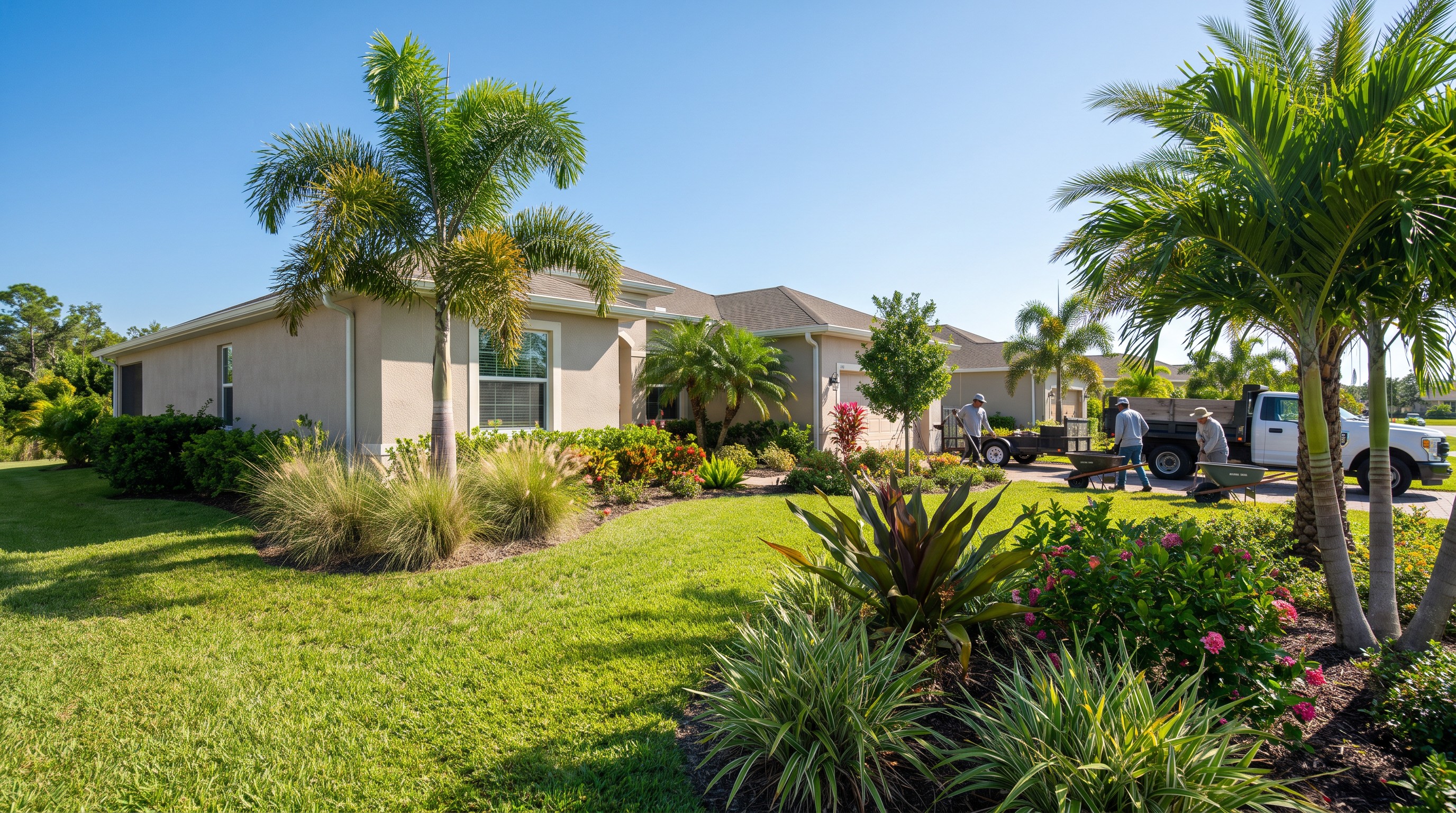
Florida landscaping ideas that look good on Pinterest often fall apart within a year when they hit Central Florida's sandy soil, summer downpours, and 95-degree stretches. A design that works in a coastal Miami courtyard or a California xeriscape guide doesn't automatically survive a Polk County July. The plants, layout, and turf choices below are picked specifically for the Clermont-to-Kissimmee corridor, where growing seasons never really stop and rainfall can dump two inches in an afternoon.
What follows isn't a mood board. It's a practical list built around what actually holds up here — grouped by front yard, backyard, plant selection, and turf, with the mistakes that trip up most homeowners along the way.
Why Central Florida's Climate Changes the Playbook
Most landscaping ideas central florida homeowners find online come from broader "Florida" content that lumps the whole state together. But Central Florida sits in a different zone than South Florida's near-tropical conditions or the Panhandle's cooler winters. USDA hardiness zones 9b and 10a cover most of the Polk, Lake, and West Orange corridor, meaning occasional light frost is possible but rare.
Sandy soil drains fast and holds almost no nutrients, so plants that thrive in rich Midwest topsoil often starve here without heavy amendment. Add a summer rainy season that can bring 6+ inches of rain a month against a spring dry stretch that barely registers, and you get a climate that rewards native and drought-tolerant species over imported ornamentals.
The Florida-Friendly Landscaping Program through UF/IFAS tracks this regional variation closely, and it's a useful reference point before committing to any plant list that wasn't written with Central Florida specifically in mind.
Front Yard Ideas That Boost Curb Appeal Fast
Florida front yard landscaping succeeds or fails on first impressions, and the fastest wins come from layered plant heights rather than a single row of shrubs along the foundation. Anchor the corners of the house with a mid-size palm — pygmy date palm or Florida-friendly sabal palm both stay proportional to a single-story home without overwhelming it.
Fill the mid-layer with dwarf yaupon holly or podocarpus, both of which tolerate heavy pruning and hold a clean shape between maintenance visits. For the front border, swap struggling annuals for perennial color like African iris or society garlic, which bloom repeatedly through the growing season instead of dying off after one Florida summer.
Homeowners in landscaping Davenport FL projects often ask about entry walkways specifically, since many Davenport lots sit close to HOA sightline requirements. A crushed shell or paver path bordered by low liriope solves the sightline issue while adding texture that a straight concrete walkway lacks.
Backyard Ideas Built for Real Florida Living
Florida backyard landscaping ideas need to account for pool decks, afternoon thunderstorms, and yards that get used nine months of the year rather than three. Start with drainage. A backyard that pools water after a 20-minute July storm will kill turf and rot mulch beds within a season, so grading toward a swale or French drain matters more than any single plant choice.
Once drainage is settled, build a shaded seating zone using a live oak or crepe myrtle positioned to block west-facing afternoon sun — the single biggest comfort factor in an outdoor space here. Under that canopy, layer shade-tolerant ground cover like asiatic jasmine or perennial peanut instead of mulch alone, which cuts weekly upkeep and looks intentional rather than bare.
For homeowners entertaining around a pool or fire feature, low-voltage path lighting along planting beds extends usable hours into the evening without the harsh glare of floodlights. It's a detail that consistently shows up in higher-end designs but adds function, not just polish, in a state where outdoor living happens after dark for half the year.
Plant Picks: Palms, Ground Cover, and Turf That Hold Up
Palms remain the signature plant of any Florida landscape, but not every palm suits every yard. Sabal palms (the state tree) handle drought, flood, and neglect better than almost anything else you can plant, making them the safest large-scale choice. Pygmy date palms work better for tighter spaces near patios or entries where a 40-foot canopy isn't practical.
For ground cover, skip water-hungry annual beds in favor of perennial peanut, dwarf jasmine, or sunshine mimosa — all three spread to fill bare patches, suppress weeds, and need a fraction of the irrigation that seasonal color beds demand. These choices also align with the drought-tolerant landscaping principles the Florida Native Plant Society has documented across the state for over four decades.
Turf upgrades matter just as much as plant selection. St. Augustine grass remains the standard for shaded Central Florida lawns, but Zoysia and Bahia both handle full sun with less water and fewer pest issues in properties without heavy tree cover. Homeowners weighing a full sod replacement should map sun exposure across the yard before choosing — a single grass type rarely performs well in both full sun and shaded zones on the same lot.
Common Mistakes That Derail Florida Landscape Projects
1. Copying South Florida or tropical designs wholesale: Plants suited to Miami's near-frost-free climate can struggle or die back during a Central Florida cold snap that South Florida never sees.
2. Ignoring soil amendment before planting: Sandy soil needs compost or topsoil blended in before anything but the toughest natives will establish root systems.
3. Overplanting without a maintenance plan: A landscape that looks full at installation often becomes overgrown within a single Florida growing season without a trimming schedule in place.
4. Choosing turf without checking sun exposure: St. Augustine in full sun without adequate irrigation, or Bahia in heavy shade, both fail within a year regardless of installation quality.
5. Skipping drainage planning in low-lying yards: Beautiful plant selection means little if the bed sits underwater after every summer storm.
Tip: Walk the yard during a heavy rain before finalizing any design — standing water reveals grading problems that a dry-day site visit will miss entirely.
Bringing These Ideas Into a Real Design Plan
Pinterest boards and stock photos are a fine starting point, but translating them into a plan that survives Central Florida's climate requires a site evaluation — soil testing, sun mapping, and drainage checks that most homeowners aren't equipped to run themselves. A landscape design and installation service handles that groundwork before a single plant goes in, which is the difference between a design that photographs well on day one and one that still looks sharp three summers later.
This is especially true for growth-corridor properties. Homeowners searching for landscaping Kissimmee FL options often have newer lots with compacted construction-grade soil that needs more amendment work than an established neighborhood would. A proper evaluation catches that before installation, not after the sod turns yellow.
"The biggest gap I see is homeowners buying plants based on how they look at a nursery in April, without any plan for how they'll perform in August heat or a September storm." — Florida Landscape Co. design team
Get a Central Florida Landscape Design Consultation Today
Turning a Pinterest board into a working landscape means solving for sandy soil, storm drainage, and heat that most generic guides never mention. If your yard needs a real plan — not just a plant list — our landscape design and installation team handles the soil work, drainage, and plant selection together, so the result actually holds up through a full Florida growing season.
Request your free design consultation or call (863) 582-2168 for fast, local service across the Polk, Lake, and West Orange corridor.

Get your free quote and expert advice today.
Ready to transform your garden? Get in touch with our expert team today for a free consultation and personalized plan.



Frequently Asked Questions
What are the best low-maintenance landscaping ideas for Central Florida?

Perennial ground cover like perennial peanut and sunshine mimosa, paired with sabal palms and dwarf yaupon holly, requires minimal watering and trimming once established, cutting weekly upkeep significantly compared to annual color beds.
What plants work best for a Florida front yard?
Layered heights work best — a mid-size palm at the corners, dwarf shrubs like podocarpus in the mid-layer, and perennial bloomers like African iris along the border, all chosen for Central Florida's specific hardiness zone rather than generic "Florida" plant lists.
How do I stop my Florida backyard from flooding after storms?
Grade the yard toward a swale or install a French drain before adding any plants or mulch beds — standing water after summer storms kills root systems and rots mulch within a single season regardless of plant choice.
Is St. Augustine grass the best turf choice for Central Florida?
It's the standard for shaded lawns, but full-sun properties often do better with Zoysia or Bahia, which need less water and handle heat stress better without the fungal issues St. Augustine develops in direct sun.
How much does professional landscape design cost in Central Florida?
Costs vary by lot size and scope, but a site evaluation covering soil testing, sun mapping, and drainage typically forms the base of any accurate quote — request a free consultation for pricing specific to your property.

