
FL Landscaping: What Actually Works in Central Florida's Climate
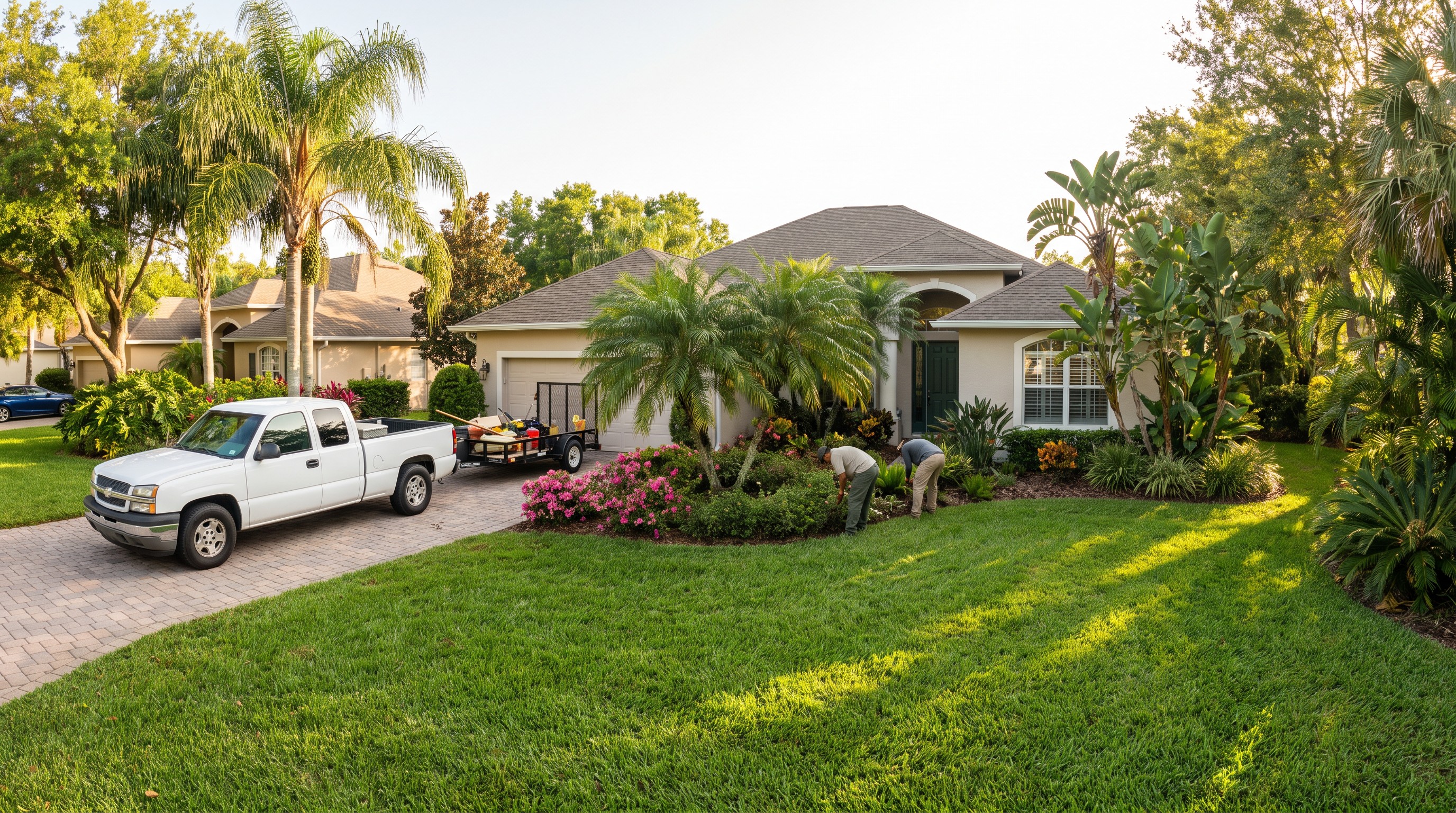
FL landscaping looks nothing like landscaping in Georgia, the Carolinas, or the Midwest, because sandy soil, year-round heat, and sudden afternoon downpours demand a completely different approach. A plan copied from a national lawn care website or a generic garden blog will struggle here within a single growing season. What holds up in Central Florida is site-specific: the right turf, the right irrigation timing, and soil prep that accounts for drainage most other regions never have to think about.
This guide covers what separates landscaping that survives a Florida summer from landscaping that burns out, browns, or washes away by September. It draws on the same principles used by University of Florida extension researchers, state water management districts, and twelve years of hands-on work maintaining properties across Polk, Lake, and West Orange counties.
What Makes Florida Landscaping Different From Other States
Central Florida sits on sandy, fast-draining soil with low organic content and poor natural nutrient retention. That soil structure means water and fertilizer move through the root zone quickly, so timing and application method matter more here than in clay-heavy or loamy regions. Add in summer temperatures that regularly exceed 90 degrees and a wet season that dumps several inches of rain in a single afternoon, and you have a climate that punishes landscapes built on assumptions from somewhere else.
Turf and ornamental plants also face year-round growing pressure. There's no true winter dormancy in most of Central Florida, which means weeds, pests, and fungal pressure persist for more months than landscapes in cooler climates ever experience. A maintenance plan built around a four-season calendar simply doesn't match local conditions.
The Core Principles Behind Successful FL Landscaping
The University of Florida IFAS Florida-Friendly Landscaping program outlines nine principles that hold up across the state, and most of them boil down to matching the landscape to the site instead of forcing the site to match a design. Right plant, right place. Water efficiently. Fertilize appropriately. Manage yard pests responsibly. These aren't abstract ideals — they directly affect how much a property owner spends on water, chemicals, and replacement plants over time.
In practice, that means grading and drainage planning come before plant selection, not after. It means irrigation zones get grouped by water need instead of convenience. And it means mulch, soil amendments, and turf choices get picked for how they perform in sand, not how they look on a nursery tag from out of state.
Choosing Plants and Turf for Central Florida Conditions
St. Augustine remains the most common turf choice in Central Florida residential landscapes because it tolerates partial shade and handles sandy soil reasonably well, though it needs consistent irrigation during establishment. Zoysia and Bahia grass work better for full-sun properties with lower water budgets, particularly on larger commercial and HOA common areas where irrigation costs scale fast. Matching turf type to sun exposure and traffic level prevents the patchy, stressed-looking lawns that show up constantly in this region.
Ornamental selection follows the same logic. Native and Florida-adapted shrubs — things like coontie, muhly grass, and firebush — need far less supplemental water once established than imported ornamentals bred for cooler, wetter climates. A landscape built almost entirely around non-native plants will always cost more to maintain here, because every input from water to fertilizer to pest control has to fight against what the plant actually wants.
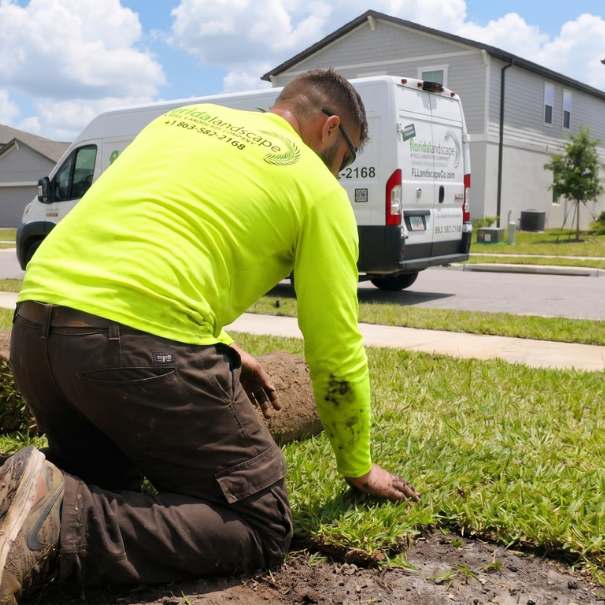
Soil prep matters just as much as plant choice. Before any sod or planting bed goes in, grading needs to direct water away from structures while still allowing root zones to retain enough moisture between irrigation cycles. Skipping this step is the single most common reason new landscapes fail within the first year.
Irrigation, Soil, and Water Management in Florida Landscapes
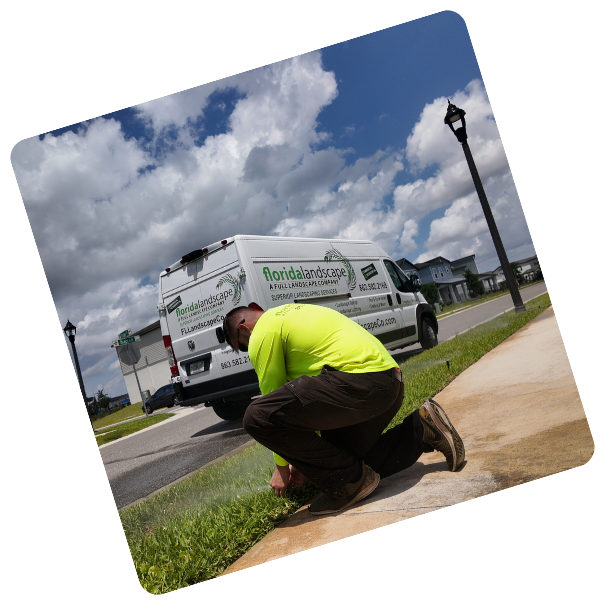
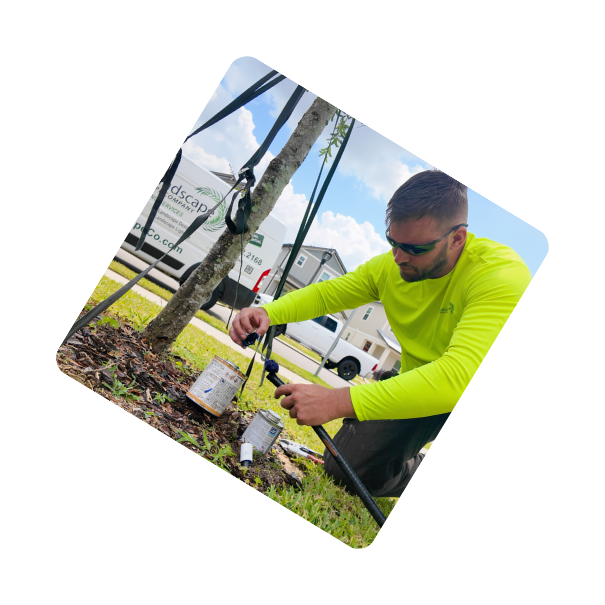
Florida's water management districts regulate irrigation schedules for a reason — sandy soil doesn't hold water, which means inefficient systems waste enormous volumes fast. The South Florida Water Management District's landscaping guide reinforces what most local contractors already know: smart controllers, properly aimed heads, and zone separation by plant type cut water waste significantly compared to older, fixed-schedule systems.
Drip irrigation for planting beds, rotor heads for open turf, and seasonal adjustment between wet and dry months all reduce both water bills and disease pressure from overwatering. Fungal issues in St. Augustine lawns are frequently caused by irrigation running too often rather than too little — a detail that surprises a lot of homeowners used to "more water is better" assumptions from other regions.
• Audit irrigation systems at least twice a year, once entering wet season and once entering dry season
• Separate turf zones from shrub and bed zones — they have different water needs
• Check for broken or misaligned heads monthly during peak growing months
FL Landscaping for HOAs, Commercial Properties, and New Construction
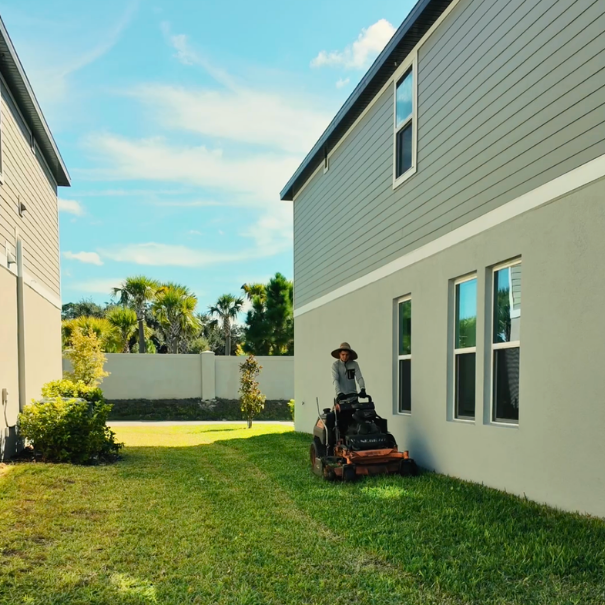
Homeowners associations face a different set of landscaping pressures than individual residential properties — consistency across common areas, compliance with governing documents, and budget accountability to a board. HOA landscaping services built around Florida conditions need to account for all of that while still delivering the curb appeal that protects property values across an entire community.
Commercial properties carry their own version of the same challenge. Storefronts, office parks, and retail centers need landscaping that looks sharp from the road without requiring constant emergency attention, which is why commercial landscaping programs in this market lean heavily on drought-tolerant plant selections and irrigation systems designed for low-maintenance reliability rather than high-touch upkeep.
New construction presents a third variation entirely. Builders and developers need turnover-ready landscapes that meet HOA and code requirements the day a home or commercial space changes hands, with no grace period for establishment problems. New construction landscaping packages built specifically for Central Florida's growth corridors — Horizon West, ChampionsGate, Davenport, and similar areas — need sod, irrigation, and planting plans that hold up under inspection and under a new owner's expectations from day one.
Common Mistakes That Hurt FL Landscaping Results
1. Planting non-native or cool-climate species without checking heat and humidity tolerance first.
2. Running irrigation on a fixed schedule year-round instead of adjusting for wet and dry seasons.
3. Skipping soil grading before installing sod, which leads to standing water and root rot.
4. Mixing turf types with different water needs into the same irrigation zone.
5. Ignoring fungal pressure until it's already visible across large sections of turf.
6. Choosing mulch or soil amendments based on appearance rather than how they perform in sandy, fast-draining conditions.
Note: Most landscaping failures in Central Florida trace back to one of these six mistakes, usually within the first growing season after installation.
Get Your FL Landscaping Quote in Central Florida Today
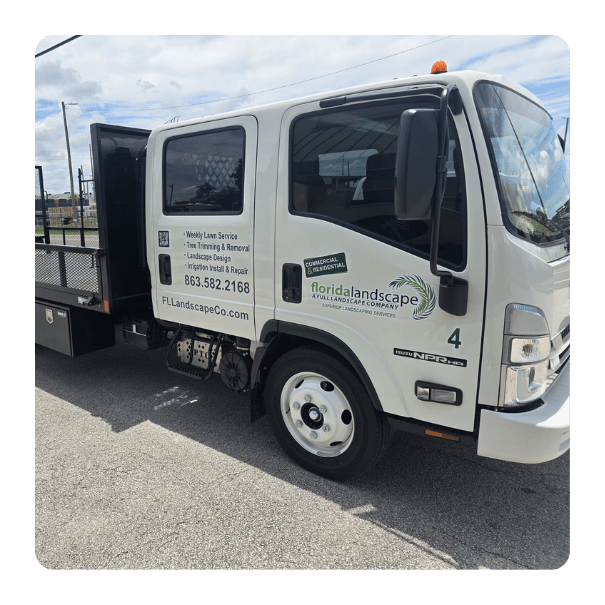
Patchy turf, water waste from an outdated irrigation system, and a landscape that never quite recovers between storms are frustrating problems, especially when every fix seems to cost more than the last. Whether it's a residential yard struggling with sandy soil, an HOA common area that needs consistent upkeep, or a commercial property that needs to look sharp without constant attention, Florida Landscape Co. has handled it across Polk, Lake, and West Orange counties since 2011.
Request your free quote or call (863) 582-2168 for fast, local service anywhere in Central Florida.

Get your free quote and expert advice today.
Ready to transform your garden? Get in touch with our expert team today for a free consultation and personalized plan.



Frequently Asked Questions
What is Florida-Friendly Landscaping?

It's a set of nine principles developed by University of Florida IFAS that guide plant selection, irrigation, and maintenance practices suited to Florida's soil and climate, with the goal of reducing water use and chemical inputs while improving landscape health.
What grass grows best in Central Florida?
St. Augustine handles partial shade well and remains the most common choice for residential lawns, while Zoysia and Bahia grass tolerate full sun and lower water availability better, making them common choices for larger commercial and HOA properties.
How often should I water my lawn in Florida?
Most Central Florida lawns need two to three irrigation cycles per week during the wet season and more frequent, shorter cycles during the dry season, though exact timing depends on turf type, soil, and local watering restrictions.
Why does my Florida lawn have brown or dead patches?
Brown patches usually trace back to irrigation problems — either overwatering that causes fungal disease or underwatering during dry months — along with soil drainage issues or pest pressure from chinch bugs or armyworms.
Do I need a landscaping company for HOA common areas?
Most HOAs benefit from a focused landscaping provider because common areas require consistent scheduling, documentation for board reporting, and compliance with governing document standards that a single-property residential service typically isn't set up to handle.

