

Emergency Tree Service Clermont FL: When a Damaged Tree Is a True Emergency
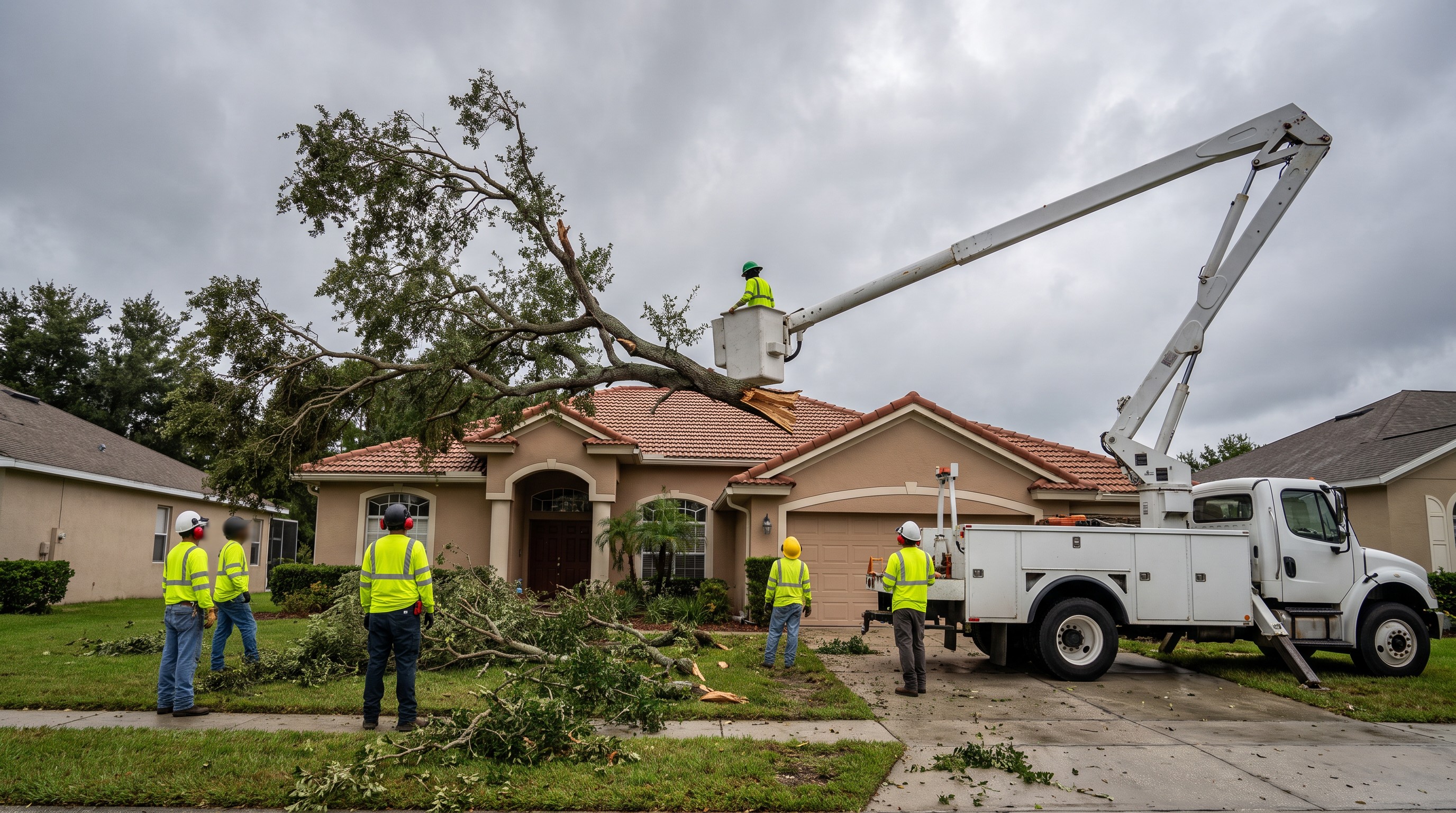
Emergency tree service Clermont FL becomes necessary the moment a storm-damaged tree threatens your roof, driveway, power lines, or the safety of anyone on the property. Central Florida's summer storms and hurricane season can turn a healthy oak or pine into a hazard within minutes, and the decisions you make in the first hour matter as much as the tree work itself.
Not every damaged tree needs a middle-of-the-night phone call, but plenty of situations genuinely do. This guide breaks down what counts as a true tree emergency in Clermont, what you should never do while waiting for help, what to document for your insurer, and how fast a crew can actually reach your property.
What Actually Qualifies as a Tree Emergency
A tree emergency is any situation where a tree or limb poses an immediate risk to people, structures, vehicles, or utility lines. A trunk that's visibly leaning more than it was before a storm, or one that's suddenly pulling soil and roots up at the base, falls into this category. So does a split or cracked limb still hanging overhead, sometimes called a "widowmaker" because it can drop without warning.
A tree resting on a roof, fence, pool enclosure, or vehicle is always an emergency, even if the tree looks stable where it landed. The same goes for a tree blocking your only driveway access or lying across a walkway you need to reach a vehicle, medical equipment, or an exit route.
Contact with a power line is the most urgent category of all. If any part of a fallen or leaning tree is touching an electrical line, treat it as an emergency and stay back regardless of how calm the scene looks.
Not every bit of storm damage rises to this level. Scattered small branches, a thinned canopy, or some lost leaves after heavy wind is cleanup work, not an emergency, and it can wait for a scheduled visit rather than a same-day dispatch.
What Homeowners Should Not Do After Storm Damage
Never approach a tree that is touching, near, or tangled with a power line. Treat every downed line as energized, even if the power appears to be out in your neighborhood, and call the utility company before anyone gets close to the tree or debris around it.
Resist the urge to grab a chainsaw and start cutting a leaning trunk or a hanging limb yourself. Storm-stressed wood holds tension in unpredictable ways, and a cut in the wrong spot can cause a limb or whole tree to drop suddenly toward the person cutting it.
Keep kids, pets, and vehicles away from the damaged area until a professional has assessed it, even if the tree looks like it's "settled." Don't remove debris that appears to be bracing a damaged structure, such as a fallen limb propping up a sagging section of roof, since moving it before an assessment can make the damage worse.
If you're not sure whether a situation is dangerous, assume it is until a trained crew says otherwise. That caution costs nothing and prevents the most common storm-related injuries.
Documenting Tree Damage for Your Insurance Claim
Photograph the damage before any cleanup begins, and take both wide shots that show the full scene and close-ups of the specific damage. Wide shots give your adjuster context about what fell, where, and what it hit, while close-ups establish the extent of the damage itself.
Note the date and time of the storm and keep any local weather alerts or advisories tied to the event, since insurers often cross-reference damage claims against documented storm activity in the area. The National Weather Service publishes storm tracking and advisory archives that can support a claim timeline.
Get a written estimate that separates emergency mitigation work, such as removing a hazard from a roof, from full tree removal and debris hauling. Insurers frequently treat these as different line items, and the Insurance Information Institute notes that emergency mitigation to prevent further damage is often covered even when routine tree removal is not.
How Fast Emergency Tree Response Works in Clermont
Same-day response is standard for genuine emergencies in Clermont and the surrounding Clermont service area, because crews already working nearby can be redirected quickly once a hazard call comes in. A short phone assessment helps determine priority before a crew arrives, so be ready to describe what's leaning, hanging, or resting on a structure.
Once on site, the first goal is stabilizing the hazard, not completing the full job. That might mean cutting away a hanging limb, removing weight from a leaning trunk, or clearing just enough debris to restore safe access to your home.
Full removal, stump grinding, and debris hauling typically get scheduled as a follow-up visit once the immediate danger is gone. Our tree services team handles both the urgent response and the cleanup that follows, so you're not coordinating two different contractors during an already stressful week.
Emergency Tree Removal vs. Routine Tree Trimming
These are two different services with two different levels of urgency, and mixing them up slows down the right response. Emergency tree removal is reactive: a tree has already failed or is actively failing, and the goal is eliminating risk right now.
Routine tree trimming is preventive and scheduled in advance, aimed at reducing deadwood, improving canopy structure, and lowering the odds of a limb failing during the next storm. Our guide on tree trimming in Clermont FL covers timing, cost, and how regular pruning cuts down on emergency calls over time.
If a tree on your property survived a storm but looks stressed, heavy on one side, or has deadwood you've been meaning to address, that's a trimming conversation, not an emergency one. Booking that work proactively is almost always cheaper than waiting for the next storm to force the issue.
Storm Tree Cleanup Across Central Florida
Hurricane season runs roughly June through November, and Central Florida's sandy soil combined with shallow root systems on species like laurel oak and Southern pine means canopy damage spreads fast once wind speeds climb. A single storm can leave dozens of properties in a neighborhood needing cleanup within the same 48-hour window.
Post-storm response in Clermont and across Polk and Lake counties often means coordinating with HOAs and property managers on common-area debris, not just individual yards. Our hurricane season tree prep guide covers how to reduce storm risk before the season starts, which is the best way to avoid an emergency call in the first place.
Canopy assessment after a major storm should also look beyond the obvious damage, since a tree that looks fine can have hidden root or structural failure that shows up weeks later. The International Society of Arboriculture recommends a follow-up inspection of any tree that was near significant wind exposure, even if it didn't lose limbs.
Request Emergency Tree Service in Clermont Now
A storm-damaged tree leaning toward your roof, a limb blocking your only driveway, or a trunk resting against a power line is not something to sit with overnight. These situations put your home, your family, and your insurance timeline at risk the longer they go unaddressed, and they need a crew that knows how to stabilize them safely and fast.
Request your emergency tree service appointment or call (863) 582-2168 for fast, local service in Clermont.

Get your free quote and expert advice today.
Ready to transform your garden? Get in touch with our expert team today for a free consultation and personalized plan.




Frequently Asked Questions
How fast can you get an emergency tree service crew to my home in Clermont?

Same-day response is standard for genuine hazards, with crews often able to reach Clermont properties within hours depending on storm volume and current dispatch load.
What counts as an emergency tree removal versus routine trimming?
Emergency removal applies when a tree is already leaning, split, resting on a structure, or touching a power line. Routine trimming is scheduled preventive work on healthy trees that aren't posing an immediate risk.
Will my homeowners insurance cover emergency tree removal?
Many policies cover emergency mitigation when a tree damages a structure, but coverage for removing a fallen tree with no structural damage varies by policy. Check with your insurer and keep photos and an itemized estimate ready.
Is it safe to remove storm debris myself before a crew arrives?
No, especially if the debris is near power lines or appears to be supporting a damaged structure. Wait for a professional assessment before moving anything larger than small branches.
Do you handle emergency tree service for HOAs and commercial properties in Clermont?
Yes, emergency response covers residential, HOA common areas, and commercial properties throughout the Clermont area, with documentation provided for board or property manager reporting.

