
Curb Appeal Florida Front Yard Landscaping Ideas That Actually Hold Up

Curb appeal Florida front yard landscaping ideas start with picking plants and materials that survive sandy soil, summer downpours, and 95-degree heat without turning into a maintenance nightmare by July. Most generic landscaping advice ignores this reality entirely. What looks sharp in a Pinterest photo shot in Ohio or California often fails within one Central Florida growing season.
Homeowners across Clermont, Davenport, Winter Garden, and Horizon West deal with the same set of conditions: fast-draining sandy soil, intense afternoon sun, torrential summer rain, and HOA design guidelines that limit what can go in the ground near the street. The ideas below are built around those constraints, not around a generic list of pretty plants.
Why Florida Front Yards Need a Different Approach
Central Florida soil drains fast and holds almost no nutrients on its own. A plant bed that looks lush in April can be crispy by June if it was chosen for looks instead of climate fit.
Rainfall doesn't help as much as people assume. Summer storms dump water in short, heavy bursts, then weeks can pass with none, which means beds either flood or bake depending on the month. Curb appeal in this climate is really a design problem and a plant-selection problem happening at the same time.
Add HOA covenants that dictate bed shapes, mulch color, and approved plant lists, and it's clear why so many front yards in growth corridors like ChampionsGate and Reunion end up either overgrown or stripped down to bare turf. The goal is a front yard that looks intentional in January and still looks intentional in August.
Low-Maintenance Florida Front Yard Landscaping Ideas
Low-maintenance doesn't mean boring. It means choosing plants and layouts that don't demand weekly intervention to stay presentable.
Group plants by water need, not just by color or size. A bed that mixes a thirsty hydrangea with drought-tough juniper forces a choice between overwatering one plant or killing the other. Florida-Friendly Landscaping guidelines from the University of Florida recommend zoning beds this way specifically because mixed water needs are one of the top reasons front yard beds fail within a year, according to the UF/IFAS Florida-Friendly Landscaping program.
Reduce turf near the street where mowing and edging are hardest to maintain cleanly, and replace it with mulch beds, groundcover, or decorative rock bordered by steel or concrete edging. A well-run landscaping service in Davenport will typically design these transition zones first because they carry the most visual weight from the curb.
The Best Curb Appeal Plants for Florida Front Yards
Plant selection makes or breaks a Florida front yard faster than any other decision. These species handle heat, sandy soil, and irregular rainfall without constant babying.
• Coontie — a native, slow-growing shrub with a clean, structured look that tolerates full sun and poor soil.
• Dwarf yaupon holly — dense, formal-looking hedging that stays compact and HOA-friendly without heavy pruning.
• Florida gama grass or muhly grass — ornamental grasses that add texture and movement, and muhly's pink bloom in fall is a genuine showstopper.
• Firebush — a native flowering shrub that pulls in pollinators and blooms through most of the summer heat.
• Society garlic — a tough, deer-resistant border plant with purple blooms that handles drought stretches well.
• Bulbine — a low, spreading succulent-like plant that fills bed edges and needs almost no irrigation once established.
Every plant on this list is either a Florida native or a well-adapted species commonly recommended in Florida-Friendly Landscaping guidance, which matters because native and adapted plants need roughly half the water and fertilizer of non-adapted ornamentals over a growing season.
Palm Groupings and Focal Point Design
A single palm planted dead-center in the yard reads as an afterthought. Grouping three palms of varying height near the entry or at a corner of the lot creates a much stronger visual anchor and mimics how palms grow in the wild.
Pygmy date palms and sabal palms are the most reliable choices for Central Florida front yards because they tolerate both drought and the occasional standing water after heavy rain. Sabal palms are also the Florida state tree, which makes them an easy sell in HOA design reviews.
Underplant palm groupings with low groundcover like dwarf perennial peanut or liriope rather than turf. Grass struggles to grow well in the root zone and dappled shade under palm canopies, and thin, patchy grass around a palm base undercuts the polished look the palms are supposed to create.
Mulch Beds, Edging, and Clean Lines That Signal Care
Nothing communicates "well-maintained" faster than crisp bed edges and fresh mulch. It's the single highest-ROI curb appeal fix available for the cost, and it takes a weekend rather than a season.
Choose a mulch that stays put through summer downpours. Pine bark nuggets and eucalyptus mulch hold their color and position better in heavy rain than shredded cypress, which tends to float and wash into the lawn.
Steel or concrete edging outperforms plastic edging in Florida because sandy soil shifts with rain and heat cycles, and plastic edging pops loose within a year or two. If turf on either side of the bed line looks thin or stressed, pairing a fresh edge with consistent lawn care service in Clermont closes the gap between a sharp bed and a weak lawn, which is one of the most common half-finished looks on Central Florida streets.
HOA-Compliant Front Yard Ideas for Central Florida Communities
HOA guidelines in communities across Horizon West, Winter Garden, and Four Corners typically restrict bed shapes near sidewalks, mulch color options, and plant height near street-facing windows. Working within those rules doesn't have to mean a boring yard.
Symmetrical bed layouts with matched shrub pairs on either side of the entry read as intentional and almost always pass HOA architectural review without pushback. Uniform mulch color across the whole front bed, rather than mixing colors by section, also tends to satisfy board guidelines more consistently.
Stick to a plant palette of three to five species repeated in clusters rather than one of each type scattered around the yard. This is the same principle professional design teams use when building out full landscape design and installation plans for Central Florida homes, and it reads as far more polished to both neighbors and HOA reviewers than a mixed collection of one-off plants.
A Simple Front Yard Makeover Plan, Step by Step
A front yard makeover doesn't need to happen all at once. Breaking it into phases keeps costs manageable and lets each step establish before the next begins.
1. Edge and define bed lines first, even before adding new plants — this alone changes how the whole yard reads.
2. Remove struggling or dead plants and refresh mulch across all beds in one pass for a uniform look.
3. Add structural plants (shrubs, palms) before filling in with smaller accent plants and groundcover.
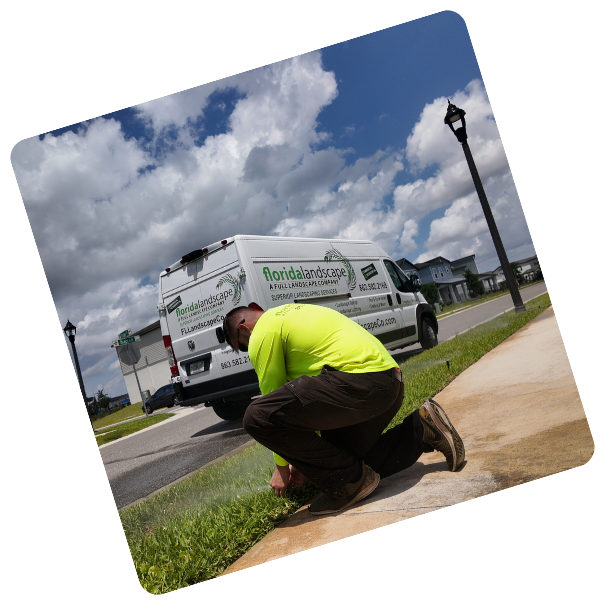
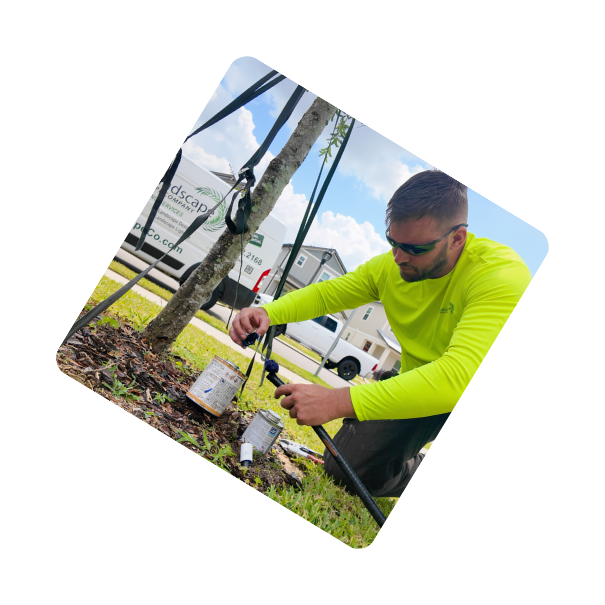
4. Check irrigation coverage on new beds — most front yard failures trace back to a sprinkler head that was never adjusted after planting.
5. Add a lighting element, such as low-voltage path lights or an uplight on a palm grouping, once the plant layer is established.
Common Mistakes That Kill Florida Curb Appeal
Mistake 1 — Copying a plant list from a non-Florida source: plants that thrive in the Northeast or Southwest often can't handle sandy soil and summer humidity.
Mistake 2 — Overplanting a small bed: mature plant spacing gets ignored, leading to overgrown beds within two years that need constant cutting back.
Mistake 3 — Skipping irrigation adjustments after planting: new plants often need different watering schedules than established turf, and one shared zone usually shortchanges one or the other.
Mistake 4 — Using plastic edging: it heaves and separates from Florida's freeze-thaw-adjacent soil movement and heavy rain cycles within a season or two.
Mistake 5 — Ignoring mulch color consistency across visible beds: mismatched mulch colors read as unfinished even when every plant is healthy.
Tip: Walk the front yard from the street, not the driveway, before finalizing any design — that's the vantage point neighbors and buyers actually see.
Get a Free Front Yard Landscaping Quote in Central Florida Today
A tired front yard, patchy turf near the sidewalk, and an HOA notice about overgrown beds are three of the most common reasons Central Florida homeowners reach out. Florida Landscape Co. designs and installs front yard upgrades built around local soil, sun exposure, and HOA guidelines from the start, not as an afterthought.
Request your free quote or call (863) 582-2168 for fast, local service in Clermont, Davenport, Winter Garden, and across the Polk-Lake-West Orange corridor.

Get your free quote and expert advice today.
Ready to transform your garden? Get in touch with our expert team today for a free consultation and personalized plan.



Frequently Asked Questions
What are the best low-maintenance plants for a Florida front yard?

Coontie, dwarf yaupon holly, muhly grass, firebush, society garlic, and bulbine are among the most reliable choices because they're native or well-adapted to sandy soil and tolerate both drought and heavy summer rain.
How much does a front yard landscaping makeover cost in Central Florida?
Costs vary widely based on bed size, plant selection, and whether irrigation or lighting is added, but a phased approach starting with edging and mulch refresh is the most budget-friendly first step before adding new plants.
Do HOAs in Central Florida restrict front yard landscaping choices?
Most HOAs in communities like Horizon West and Winter Garden regulate bed shapes near sidewalks, mulch color, and plant height near windows, so checking architectural guidelines before installing new beds saves rework later.
What mulch holds up best in Florida rain?
Pine bark nuggets and eucalyptus mulch hold their position and color through heavy summer downpours better than shredded cypress, which tends to float and wash out during storms.
Why do my new front yard plants keep dying in Florida heat?
The most common causes are mismatched water zones on the irrigation system, planting non-adapted species, or skipping soil amendment in Florida's naturally sandy, nutrient-poor ground.

