

Best Time to Water Lawn in Florida: A Central Florida Homeowner's Guide
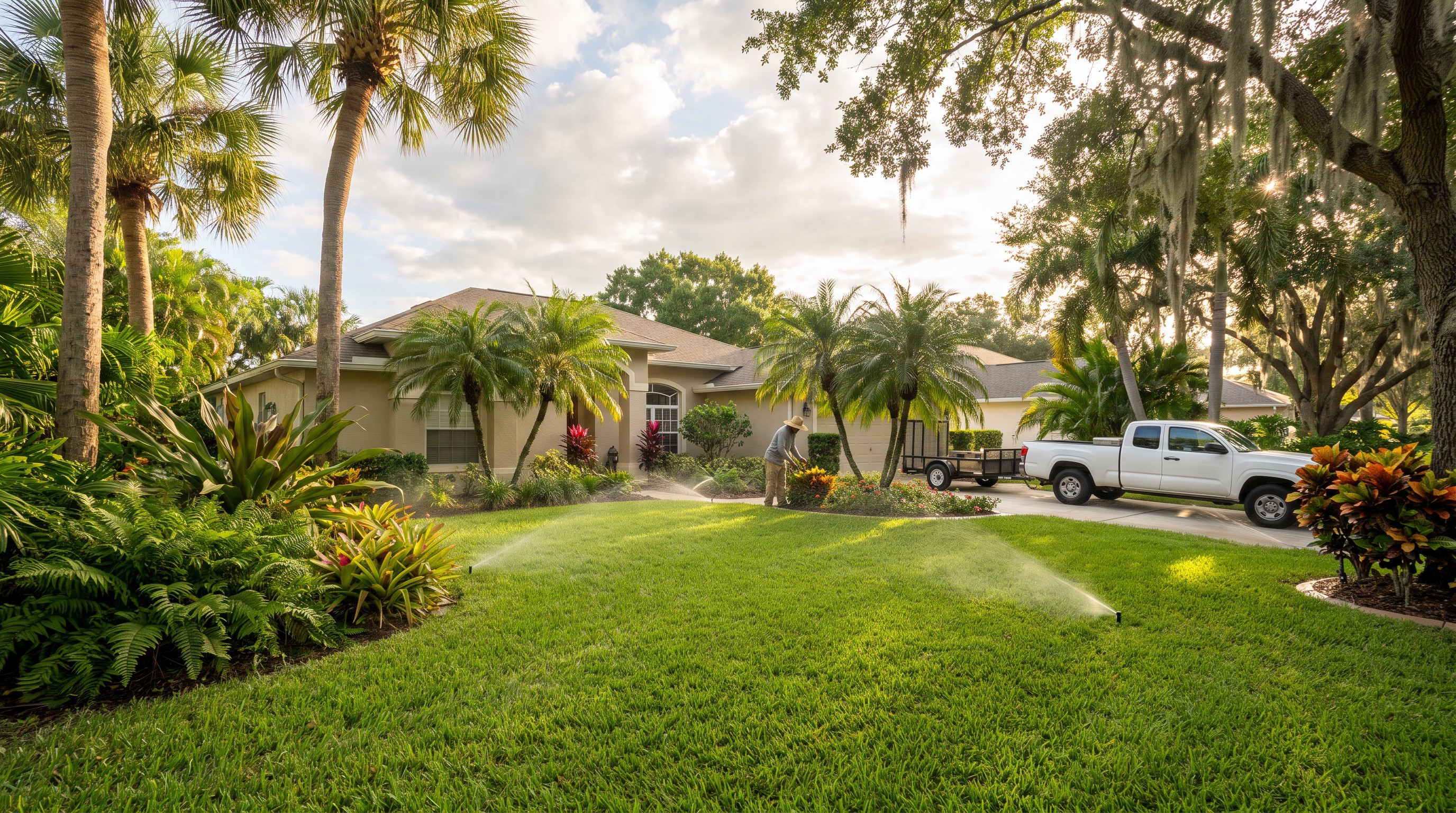
The best time to water lawn in Florida is between 4 a.m. and 10 a.m., before the sun gets high enough to evaporate water before it reaches the root zone. This isn't a minor scheduling preference — it's the difference between a lawn that thrives through Central Florida's heat and one that develops fungus, dry patches, and shallow roots. Get the timing wrong and you can follow every other watering rule perfectly and still lose the lawn.
Homeowners in Clermont, Davenport, Haines City, and across the Four Corners area deal with sandy soil, intense sun, and a rainy season that dumps water in short, heavy bursts rather than steady soaking rain. That combination makes timing more important here than almost anywhere else in the country. Get it right, and you'll use less water while growing a stronger lawn.
Why Early Morning Watering Wins in Central Florida
When you water between 4 a.m. and 10 a.m., the ground is still cool from overnight temperatures and wind is typically calmer, so more water actually soaks into the soil instead of evaporating into the air. Grass blades also dry off as the sun rises, which matters more in Florida than almost anywhere else because our humidity keeps blades damp far longer than in drier climates.
Watering in the afternoon wastes a significant percentage of your output to evaporation, especially during June through September when temperatures regularly climb past 90 degrees before noon. Watering at night, meanwhile, leaves grass blades wet for six to eight hours while temperatures stay warm — a near-perfect setup for fungal disease in humid Central Florida air.
If you've ever noticed gray or brown circular patches spreading across a lawn a day or two after a late-evening watering session, fungus is almost always the cause. Homeowners we work with in lawn care in Kissimmee FL see this constantly with lawns watered after dinner instead of before sunrise.
When to Water Your Lawn in Florida Based on Local Restrictions
Timing isn't just about plant biology — it's also the law. Most Central Florida communities fall under either the Southwest Florida Water Management District (SWFWMD) or the St. Johns River Water Management District (SJRWMD), and both districts restrict landscape irrigation to specific days and hours year-round.
The standard rule across nearly every district is simple: no watering between 10 a.m. and 4 p.m., regardless of season. Beyond that, most residential properties are limited to one or two watering days per week, typically assigned by the last digit of your street address or set by your HOA or municipal utility.
These aren't casual guidelines. Violations can carry real fines, and many Central Florida counties have increased enforcement as population growth strains water supply. Before setting any irrigation schedule, check your specific water management district's current restrictions, since they're updated seasonally and during drought conditions.
Tip: If you're unsure which watering days apply to your address, your water utility bill or county website will list your assigned day. HOA communities often add supplemental rules on top of district restrictions, so check your community's specific bylaws too.
Florida Lawn Watering Schedule by Season
A florida lawn watering schedule that works in July will drown your grass in January. Central Florida's growing season never fully stops, but water needs shift dramatically between the wet and dry seasons.
During summer (June through September), afternoon thunderstorms often supply one to two inches of rain per week on their own. Many homeowners over-water during this period out of habit, when the smarter move is running the irrigation system less frequently and letting rainfall do the work.
During the dry season (October through May), especially February through April, rainfall drops sharply and lawns depend almost entirely on irrigation. This is when consistent, correctly timed watering matters most, and when skipping a scheduled cycle can show up as brown patches within days.
Winter watering needs are lower overall since grass growth slows with cooler temperatures, but dormant-looking lawns still need occasional deep watering to prevent root damage. Adjusting your schedule by season rather than running the same settings year-round is one of the simplest ways to save water and money while keeping turf healthy.
How Long to Water Your Lawn in Florida by Grass Type
How long to water your lawn in Florida depends heavily on which grass you have, since the dominant turf types across our service area handle drought and irrigation very differently.
St. Augustine Grass
The most common lawn grass in Central Florida, St. Augustine needs roughly 3/4 to 1 inch of water per watering session, applied two to three times per week during dry months. It has shallow roots and shows stress quickly, but also recovers fast once watering resumes.
Bahia Grass
Bahia is far more drought-tolerant thanks to deeper root systems, often needing water only once a week even in dry season. Overwatering Bahia is a common mistake that encourages weeds and disease rather than healthier turf.
Zoysia Grass
Zoysia sits between the two, tolerating moderate drought while still benefiting from consistent watering during establishment. Newly installed Zoysia sod needs daily light watering for the first two to three weeks before shifting to a normal schedule.
Bermuda Grass
Common on commercial and HOA common areas, Bermuda needs about 1 inch of water weekly during active growth, split across two sessions. It tolerates heat well but responds poorly to inconsistent scheduling.
If you're unsure which grass is installed or whether your current schedule matches its needs, our team handling lawn care in Winter Haven FL can evaluate your turf type and irrigation settings together in one visit.
Rain Sensors and Smart Controllers: What Florida Law Requires
Florida Statute 373.62 requires any irrigation system installed since 1991 with an automatic timer to also have a functioning rain sensor or soil moisture shutoff device. This isn't optional equipment — it's a legal requirement, and a broken or bypassed rain sensor is one of the most common violations found during county irrigation audits.
A working rain sensor automatically halts scheduled watering cycles when enough rain has already fallen, preventing the wasteful and highly visible problem of sprinklers running during or right after a storm. Many older sensors fail silently over time from sun exposure or wiring issues, so systems that seem to run "on schedule no matter what" usually have a dead sensor.
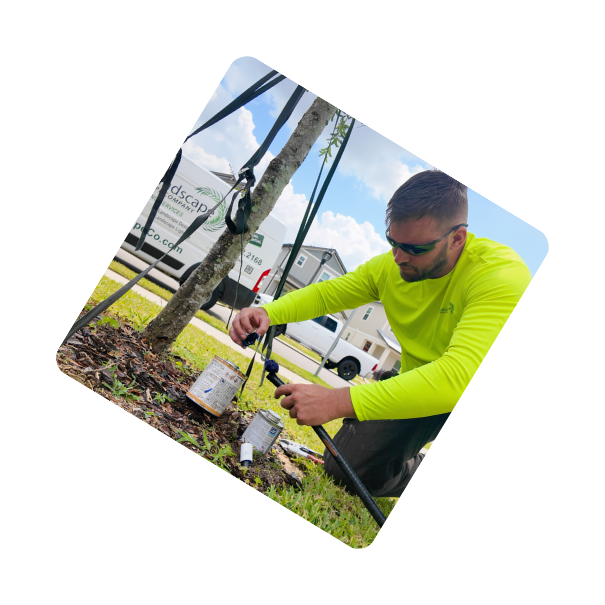
Smart controllers take this further by adjusting watering automatically based on local weather data, soil moisture, and seasonal evapotranspiration rates. For homeowners tired of manually resetting schedules every few weeks, a smart controller upgrade through our irrigation installation and repair services often pays for itself within a year or two in reduced water bills.
Common Watering Mistakes That Damage Central Florida Lawns
1. Watering every day regardless of rainfall, which produces shallow roots and makes grass more vulnerable to drought stress and fungus.
2. Running sprinklers in late afternoon or evening, leaving grass blades wet overnight and inviting disease in Florida's humid air.
3. Ignoring seasonal adjustments and using the same schedule in January that you used in July, either wasting water or under-watering during dry months.
4. Letting a broken rain sensor go unnoticed, which both violates state law and wastes water on lawns that don't need it.
5. Applying the same watering duration to St. Augustine and Bahia zones on one system, when each grass type needs a different amount.
6. Watering during restricted hours out of habit, risking fines from local water management districts.
Schedule Your Irrigation Check-Up in Central Florida
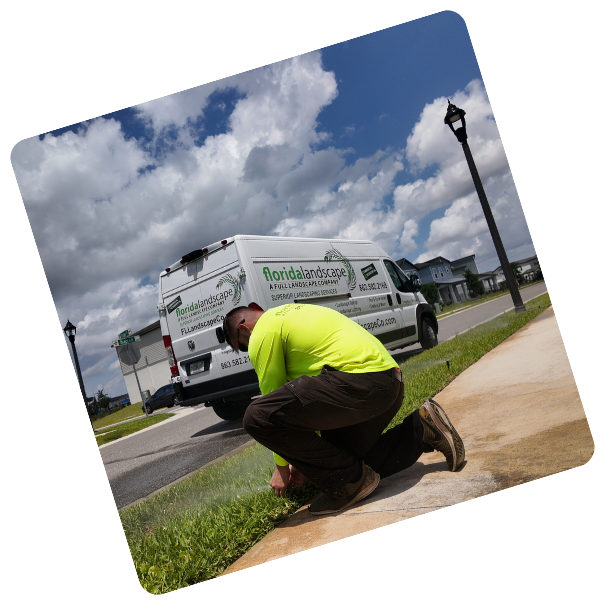
If your lawn is patchy, your water bill keeps climbing, or you're not sure your rain sensor even works anymore, you're not alone — these are the three most common irrigation complaints we hear from homeowners across Polk and Lake counties. Florida Landscape Co. can audit your current schedule, correct watering times and durations by zone, and confirm your system meets state rain sensor requirements.
Request your free irrigation quote or call (863) 582-2168 for fast, local service in Central Florida.

Get your free quote and expert advice today.
Ready to transform your garden? Get in touch with our expert team today for a free consultation and personalized plan.




Frequently Asked Questions
What time of day should I water my lawn in Florida?

Water between 4 a.m. and 10 a.m. Early morning watering reduces evaporation loss and allows grass blades to dry before evening, lowering the risk of fungal disease.
How many days a week can I water my lawn in Florida?
Most Central Florida water management districts limit residential irrigation to one or two days per week year-round, based on your assigned watering day. Check your specific district and county rules, since they vary and change seasonally.
How long should I run sprinklers on St. Augustine grass?
St. Augustine grass typically needs 3/4 to 1 inch of water per session, roughly 30 to 45 minutes with standard rotor sprinklers, applied two to three times per week during dry months.
Is it bad to water grass at night in Florida?
Yes. Nighttime watering leaves blades wet for hours in warm, humid conditions, creating ideal conditions for fungal lawn diseases common across Central Florida.
Do I need a rain sensor on my irrigation system in Florida?
If your system has an automatic timer and was installed after 1991, Florida law requires a functioning rain sensor or soil moisture shutoff device. A broken sensor is a common violation found during irrigation audits.

