

Best Time to Plant Trees in Florida: Why Winter Wins in Central Florida
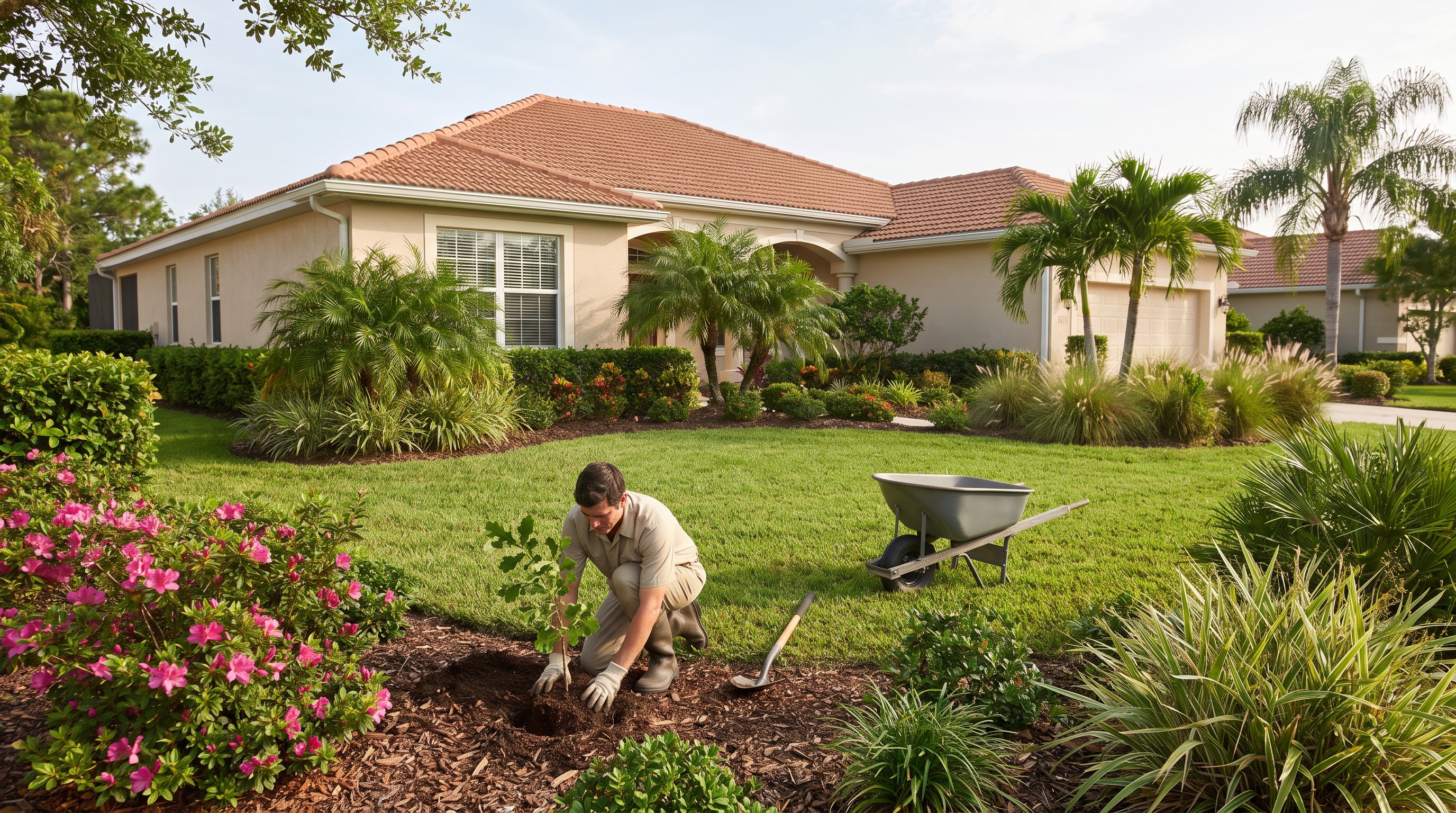
The best time to plant trees in Florida is winter, specifically between November and February, when cooler temperatures and steady seasonal rainfall give root systems months to settle in before summer heat arrives. Central Florida homeowners who wait until spring or early summer often watch new trees struggle through 95-degree afternoons and sudden downpours before the roots have had a real chance to spread. Winter planting flips that timeline in your favor, and the window is open right now.
Why Winter Beats Spring and Summer for Florida Tree Planting
Trees planted in winter put their energy into root growth instead of leaf and branch growth, since top growth naturally slows during cooler months. That means a tree planted in December has four to five months of quiet root development before it has to deal with 90-degree days, compared to a tree planted in June that faces heat stress almost immediately.
Summer planting in Central Florida comes with two built-in disadvantages. Afternoon thunderstorms saturate sandy soil fast, which can suffocate a freshly dug root ball before it has established drainage patterns, and peak heat increases transplant shock on top of that.
The University of Florida IFAS Extension consistently recommends the dormant season for tree installation statewide, noting that cooler air temperatures reduce water demand on new root systems while the soil itself stays warm enough for root growth to continue. You can find more region-specific guidance through UF/IFAS Solutions for Your Life.
What Central Florida's Sandy Soil and Climate Mean for New Trees
Polk, Lake, and West Orange counties sit in USDA Hardiness Zone 9b to 10a, which supports a wide range of shade, flowering, and fruit trees but also comes with fast-draining, nutrient-poor sandy soil. You can confirm your exact zone using the USDA Plant Hardiness Zone Map before choosing species for your property.
Sandy soil drains quickly, which sounds like an advantage until you realize it also drains nutrients and moisture away from a young root ball faster than denser soils. A newly planted tree in Clermont or Davenport needs more frequent, lighter watering than the same species would need in clay-heavy soil up north.
Florida's rainy season, roughly June through September, compounds the problem for summer plantings. Heavy, repeated rainfall can waterlogge a freshly backfilled hole before roots have grown enough to use that water, which is one more reason winter remains the more forgiving planting window here.
Best Trees to Plant This Winter in Clermont, Davenport, and Haines City
For shade and long-term canopy, live oak, Southern magnolia, and bald cypress all handle Central Florida's soil and storm exposure well once established. These are the trees homeowners and HOAs in growth corridors like Horizon West and Four Corners plant most often for lasting curb appeal.
For flowering color without the maintenance headaches of more delicate species, crape myrtle, East Palatka holly, and red maple perform reliably across Polk and Lake counties. Crape myrtle in particular tolerates both drought stretches and sudden downpours, which makes it a dependable pick for new installs.
Citrus and other fruit trees are better planted in late winter, closer to January or February, after the risk of a hard frost has mostly passed. Mango and avocado are more cold-sensitive and should go in the ground even later in the window, once overnight lows stabilize above the mid-30s.
Placement matters as much as species selection. A tree planted too close to a foundation, septic field, or power line becomes a removal problem in five years instead of an asset, which is exactly the kind of planning our landscape design and installation team walks through with every project before a single hole gets dug.
How to Plant a Tree Correctly in Florida's Sandy Soil
Technique matters more in sandy soil than in almost any other soil type, since a poorly planted tree in loose sand can shift, sink, or dry out within weeks.
1. Dig the planting hole two to three times wider than the root ball, but no deeper than the root ball itself. Planting too deep is the single most common cause of slow decline in Florida trees.
2. Remove all burlap, wire baskets, and nursery pots completely, and gently loosen circling roots before placing the tree in the hole.
3. Set the root flare slightly above grade, not buried, since sandy soil tends to settle after watering.
4. Backfill with the native soil you removed rather than heavily amended soil, which encourages roots to stay contained instead of spreading outward.
5. Apply two to three inches of mulch in a wide ring, keeping it pulled back several inches from the trunk to avoid rot.
6. Stake only if the tree is top-heavy or in a high-wind location, and remove the stakes within one growing season.
Common Mistakes That Kill Newly Planted Trees in Florida
1. Planting too deep: Burying the root flare traps moisture against the trunk and suffocates the roots over time.
2. Piling mulch against the trunk: Volcano-style mulching holds moisture against the bark and invites rot and pests.
3. Watering on a fixed irrigation schedule instead of checking soil: New trees need deep, infrequent watering, not whatever cycle your lawn zones already run on.
4. Skipping soil prep because sand feels easy to dig: Easy digging does not mean good root conditions, and compacted or nutrient-poor sand still needs attention.
5. Fertilizing immediately at planting: Fresh roots can burn from fertilizer salts before they have grown enough to use the nutrients.
6. Choosing the wrong species for the spot: A tree that outgrows its location becomes a recurring trimming expense or an eventual removal.
Watering and Care After Planting Through Spring
For the first two to four weeks after planting, new trees need deep watering two to three times per week rather than daily sprinkles, which encourages roots to grow downward and outward in search of moisture. Reduce frequency gradually over the following months as the root system expands.
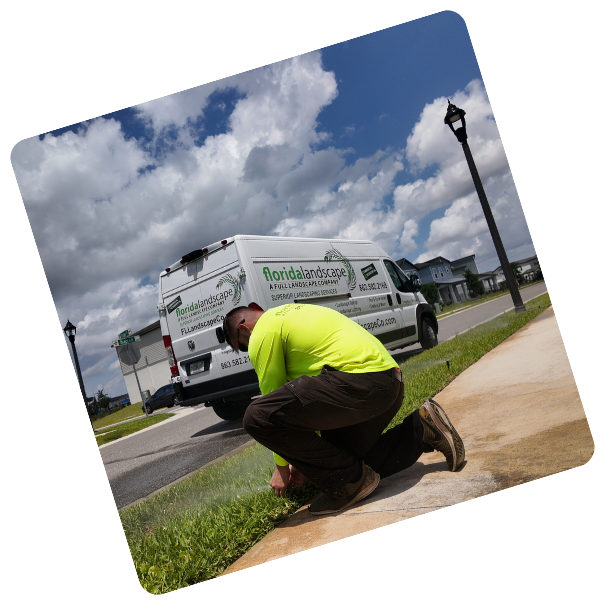
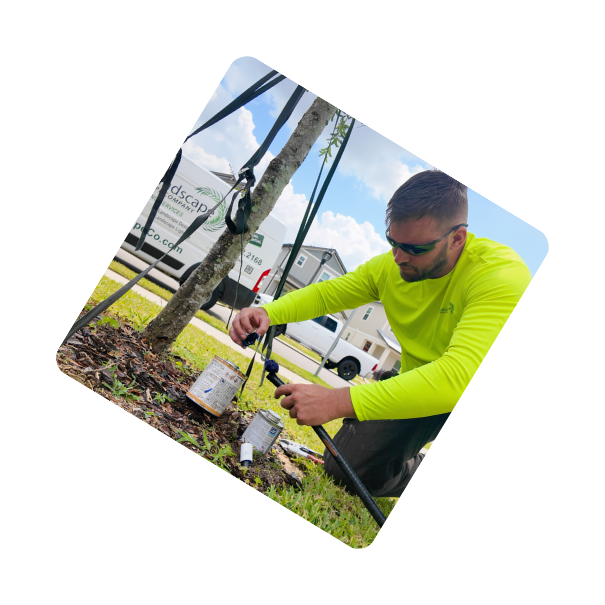
Standard lawn irrigation zones are rarely set up correctly for a newly planted tree, especially in sandy soil where water moves through fast. A drip line or temporary bubbler head gives better control than relying on spray heads designed for turf, and our irrigation installation and repair team can set up a zone built specifically for new plantings.
Hold off on fertilizer until the spring growth flush, typically March or April in Central Florida, and keep mulch refreshed to two to three inches as it breaks down. Trees planted this winter should show visible new growth by the time Florida's heat returns in late spring.
Schedule Your Winter Tree Planting in Central Florida
If you've been putting off adding shade trees, replacing storm-damaged ones, or finishing out a new build's landscape, winter is the window that gives those trees the best shot at surviving Florida's summer heat. Whether you need tree selection advice, proper installation, or a full planting plan paired with sod and irrigation, our team handles the whole job from soil prep to the final stake.
Request your free quote or call (863) 582-2168 for fast, local tree planting service across Clermont, Davenport, Haines City, and the greater Central Florida corridor.

Get your free quote and expert advice today.
Ready to transform your garden? Get in touch with our expert team today for a free consultation and personalized plan.



Frequently Asked Questions
What month is best to plant trees in Florida?

December and January are typically the best months, since cooler temperatures and lower rainfall intensity give roots time to establish before spring growth and summer heat begin.
Can you plant trees in Florida in the summer?
You can, but summer planting carries higher risk from heat stress and waterlogged soil during the rainy season, so new trees need closer monitoring and more frequent watering if planted June through September.
How often should I water a newly planted tree in Florida?
Water deeply two to three times per week for the first month, then gradually taper to once or twice weekly over the following several months as roots establish.
What trees grow best in Central Florida's sandy soil?
Live oak, Southern magnolia, bald cypress, crape myrtle, and East Palatka holly all tolerate sandy, fast-draining soil once established and are common choices across Polk and Lake counties.
Is it too late to plant citrus trees in February?
February is actually one of the better months for citrus, since it falls after the main frost risk has passed while still giving roots time to establish before summer heat arrives.

