
Best Grass for Florida: A Central Florida Homeowner's Guide
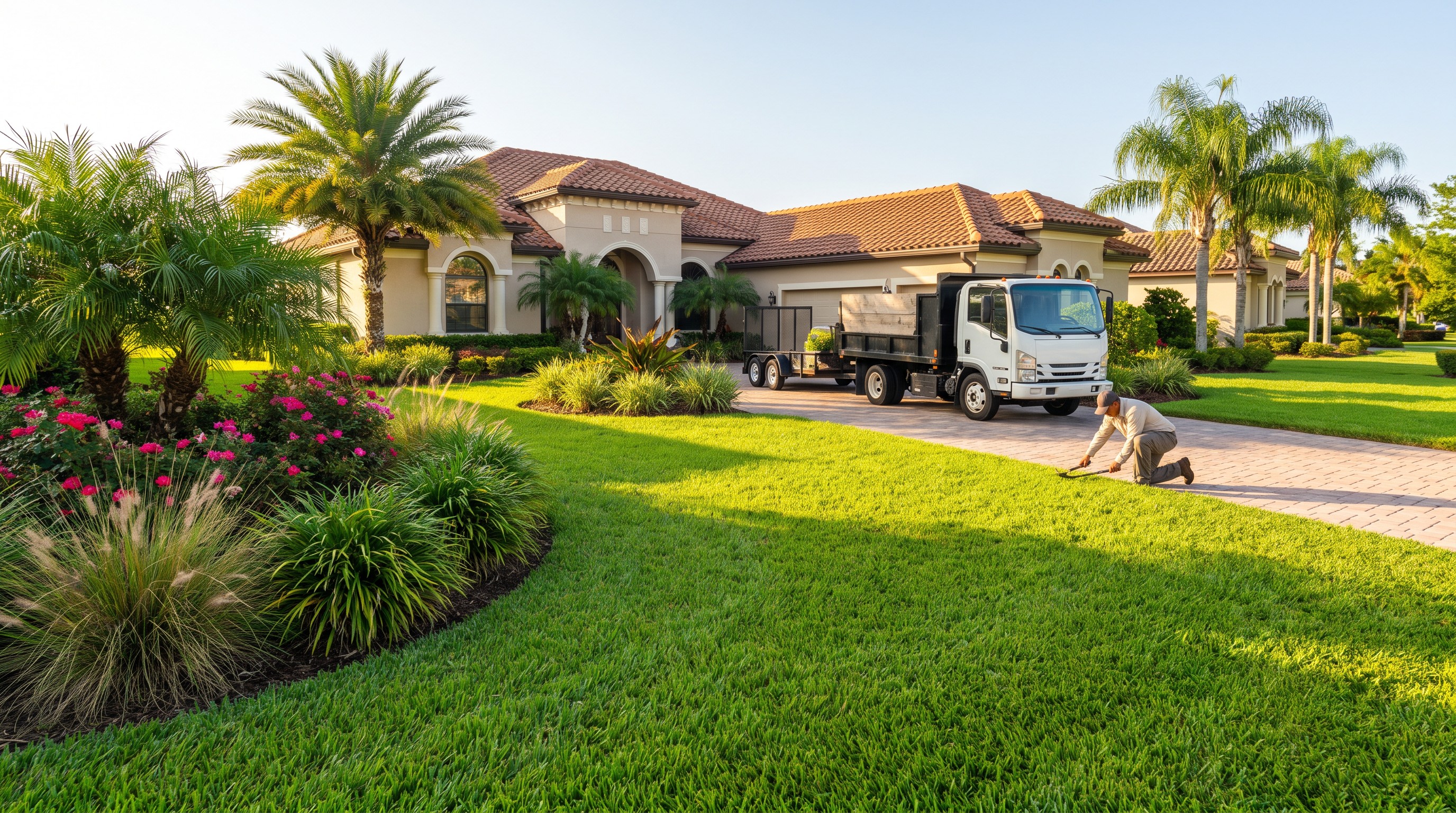
The best grass for Florida depends less on what looks good at the sod farm and more on how much sun, foot traffic, and irrigation your specific yard can handle. Central Florida homeowners from Clermont to Davenport deal with sandy soil, intense summer heat, sudden afternoon storms, and stretches of dry winter weather, often in the same year. A grass that thrives in a shaded Winter Garden backyard can struggle badly in a full-sun Four Corners front lawn two miles away.
Picking the right turf up front saves homeowners thousands of dollars in replacement sod, wasted water, and frustrated calls to a lawn crew. This guide breaks down the warm-season grasses that actually perform in Polk, Lake, and West Orange County conditions, where each one fits best, and how to avoid the sod-selection mistakes that cost Central Florida homeowners the most.
Florida's Growing Conditions Shape Your Grass Choice
Florida sits almost entirely within USDA cold hardiness zones 8b through 11, which rules out the cool-season grasses common in the Midwest and Northeast. Fescue and Kentucky bluegrass simply cannot handle Florida's summer heat and humidity long-term. That leaves warm-season grasses as the only realistic option for a lawn that survives year after year.
Soil matters just as much as climate. Much of the Polk and Lake County corridor sits on sandy, fast-draining soil with low natural fertility, which means water and nutrients move through the root zone quickly. Sun exposure, drainage, and how the lawn gets used — kids and dogs versus a formal HOA entrance bed — all factor into which grass species will hold up.
The UF/IFAS Extension turfgrass program maintains research-backed variety trials specific to Florida conditions, and it's the most reliable source for regional performance data if you want to go deeper than this guide.
St. Augustinegrass: The Standard Choice for Central Florida Yards
St. Augustinegrass is the most widely planted lawn grass in Florida, and for good reason. It forms a thick, carpet-like blue-green lawn, tolerates partial shade better than almost any other warm-season turf, and handles Florida's heat and humidity without much drama.
Floratam, the most common St. Augustinegrass cultivar sold in Central Florida, resists chinch bugs reasonably well but needs consistent irrigation and a mowing height around 3.5 to 4 inches. Homeowners with oak-canopy lots in Clermont or tree-lined streets in Winter Garden often land on St. Augustinegrass specifically because of its shade tolerance.
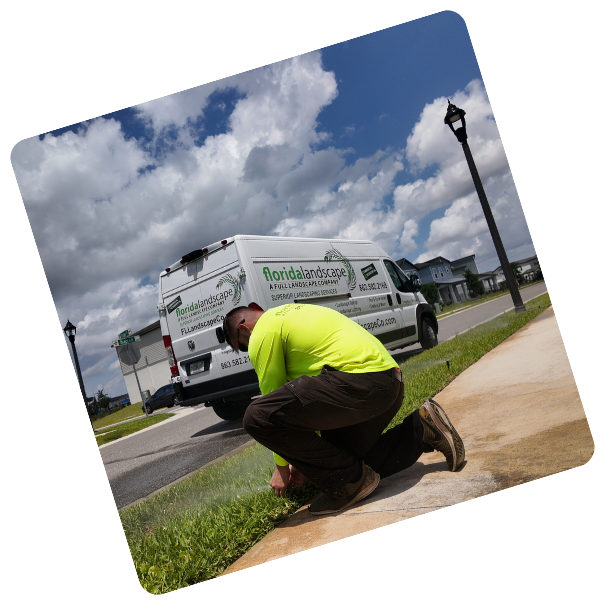
The tradeoff is water. St. Augustinegrass has shallower roots than some alternatives and will show stress faster during dry spells, which makes a properly tuned irrigation system close to mandatory. If your sprinkler heads are misaligned or your zones are overdue for an audit, that gap shows up as brown patches fast — our irrigation repair and sprinkler service covers exactly this kind of troubleshooting.
Bahiagrass: The Low-Maintenance Option for Sandy, Sunny Lots
Bahiagrass is the workhorse grass for large, sunny properties with sandy soil and lighter budgets for upkeep. It tolerates drought far better than St. Augustinegrass, needs less fertilizer, and shrugs off the poor, infertile soil common in parts of Polk County.
It's a thinner, coarser-textured grass that doesn't form the dense carpet look homeowners associate with a premium lawn, and it has noticeably lower shade tolerance. Bahiagrass is a strong fit for larger acreage lots, pasture-adjacent properties, and HOA common areas where durability matters more than a manicured appearance.
It also sends up seed heads quickly after mowing, which some homeowners find unsightly between service visits. For most front-yard residential applications in growth corridors like Davenport and Haines City, Bahiagrass works best as a secondary turf for back lots rather than the primary lawn grass.
Zoysiagrass: Dense, Durable, and Built for Traffic
Zoysiagrass has gained ground across Central Florida because it splits the difference between St. Augustinegrass's good looks and Bahiagrass's toughness. It forms a dense, fine-to-medium textured lawn that handles foot traffic, pets, and play areas better than St. Augustinegrass.
Zoysia also tolerates moderate shade and holds up well under moderate drought once established, though it grows more slowly than St. Augustinegrass, meaning it takes longer to recover from damage or bare patches. Newer cultivars have improved disease resistance compared to older Zoysia varieties sold a decade ago.
For families in Horizon West or ChampionsGate with active backyards, Zoysiagrass is frequently the better long-term choice over St. Augustinegrass, even though sod costs typically run higher upfront.
Bermudagrass and Centipedegrass: Where They Fit in Central Florida
Bermudagrass is the most drought-tolerant and traffic-resistant of the common Florida turf options, and it's the standard for golf courses, sports fields, and full-sun commercial properties. It needs more frequent mowing than St. Augustinegrass and performs poorly in shade, which limits its fit for typical residential lots with mature trees.
Centipedegrass is the low-input option for homeowners who want minimal fertilization and mowing frequency. It tolerates Florida's acidic, sandy soils well but has weaker traffic tolerance and poor cold recovery compared to other warm-season grasses, which matters less in Central Florida than in North Florida but still limits its use in high-traffic lawns.
Both grasses see more use in commercial and new-construction settings than in typical residential front yards across the Clermont-to-Kissimmee corridor, where St. Augustinegrass and Zoysia dominate homeowner demand.
Best Grass by Central Florida Sub-Area
Sun-heavy, newer-construction neighborhoods in Four Corners, Davenport, and ChampionsGate typically do well with Zoysiagrass or Bermudagrass, since lot clearing during construction often leaves limited shade. St. Augustinegrass remains the strongest fit for established neighborhoods in Clermont and Winter Garden with mature oak canopy and partial shade.
HOA common areas and larger commercial properties across Polk County frequently mix Bahiagrass for open, sunny expanses with St. Augustinegrass at entrances and signage beds where appearance matters most to boards and property managers. This is a pattern we see constantly managing HOA landscaping contracts across the region — one grass type rarely covers an entire property's conditions.
New-build lots in Horizon West and Reunion should factor grass selection into the turnover plan before sod goes down, not after, since correcting a poor grass choice later means tearing out established turf. Our new construction landscaping packages include grass selection as part of the initial site plan for exactly this reason.
Common Mistakes Homeowners Make Choosing Florida Grass
1. Picking grass based on looks alone: A thick, dark-green St. Augustinegrass lawn photographed in a shaded nursery display won't necessarily survive a full-sun Davenport front yard.
2. Ignoring irrigation capacity before sodding: St. Augustinegrass and Zoysiagrass both need reliable, well-calibrated watering during establishment, and a weak or outdated sprinkler system undercuts even the right grass choice.
3. Installing one grass type across mixed sun and shade conditions: Large lots with both open sun and oak canopy often need a secondary shade-tolerant zone rather than one uniform grass species.
4. Skipping soil testing before installation: Florida's sandy soils vary block to block, and pH or nutrient deficiencies caught before sod goes down are far cheaper to fix than after.
5. Underestimating maintenance mismatch: Choosing a lower-maintenance grass like Bahiagrass for a formal front-yard look, or a high-maintenance grass like St. Augustinegrass without budgeting for regular care, both lead to disappointment.
Tip: If you're unsure which grass fits your specific lot, a site evaluation before sod installation catches sun, drainage, and soil issues that aren't obvious from the street.
Schedule Your Sod Installation Quote in Central Florida Today
Choosing between St. Augustinegrass, Zoysia, and Bahiagrass gets a lot easier with someone who's installed all three across Polk, Lake, and West Orange County conditions walking your property first. Whether you're dealing with patchy shade, sandy soil that won't hold water, or an HOA board asking for a more consistent look across common areas, the right grass selection solves problems a generic sod order won't.
Request your free sod installation quote or call (863) 582-2168 for fast, local service across Clermont, Davenport, Haines City, and the surrounding Central Florida communities.

Get your free quote and expert advice today.
Ready to transform your garden? Get in touch with our expert team today for a free consultation and personalized plan.



Frequently Asked Questions
What is the most popular grass in Central Florida?

St. Augustinegrass, particularly the Floratam cultivar, is the most widely planted lawn grass across Central Florida because of its shade tolerance and thick, uniform appearance.
What grass needs the least water in Florida?
Bahiagrass and Centipedegrass require the least supplemental irrigation once established, making them strong choices for larger properties or homeowners who want to minimize water bills.
Is Zoysia grass good for Florida lawns?
Yes, Zoysiagrass performs well in Central Florida, offering better traffic tolerance than St. Augustinegrass and reasonable shade tolerance, though it establishes more slowly after installation.
Can I grow fescue or bluegrass in Florida?
No, cool-season grasses like fescue and bluegrass cannot survive Florida's summer heat and humidity long-term, which is why only warm-season grasses are recommended statewide.
How much does sod installation cost in Central Florida?
Costs vary by grass type, lot size, and site prep needs, with St. Augustinegrass and Zoysia typically priced higher per pallet than Bahiagrass or Centipedegrass due to establishment speed and appearance.

