
Bahia Grass in Florida: The Complete Lawn Care Guide
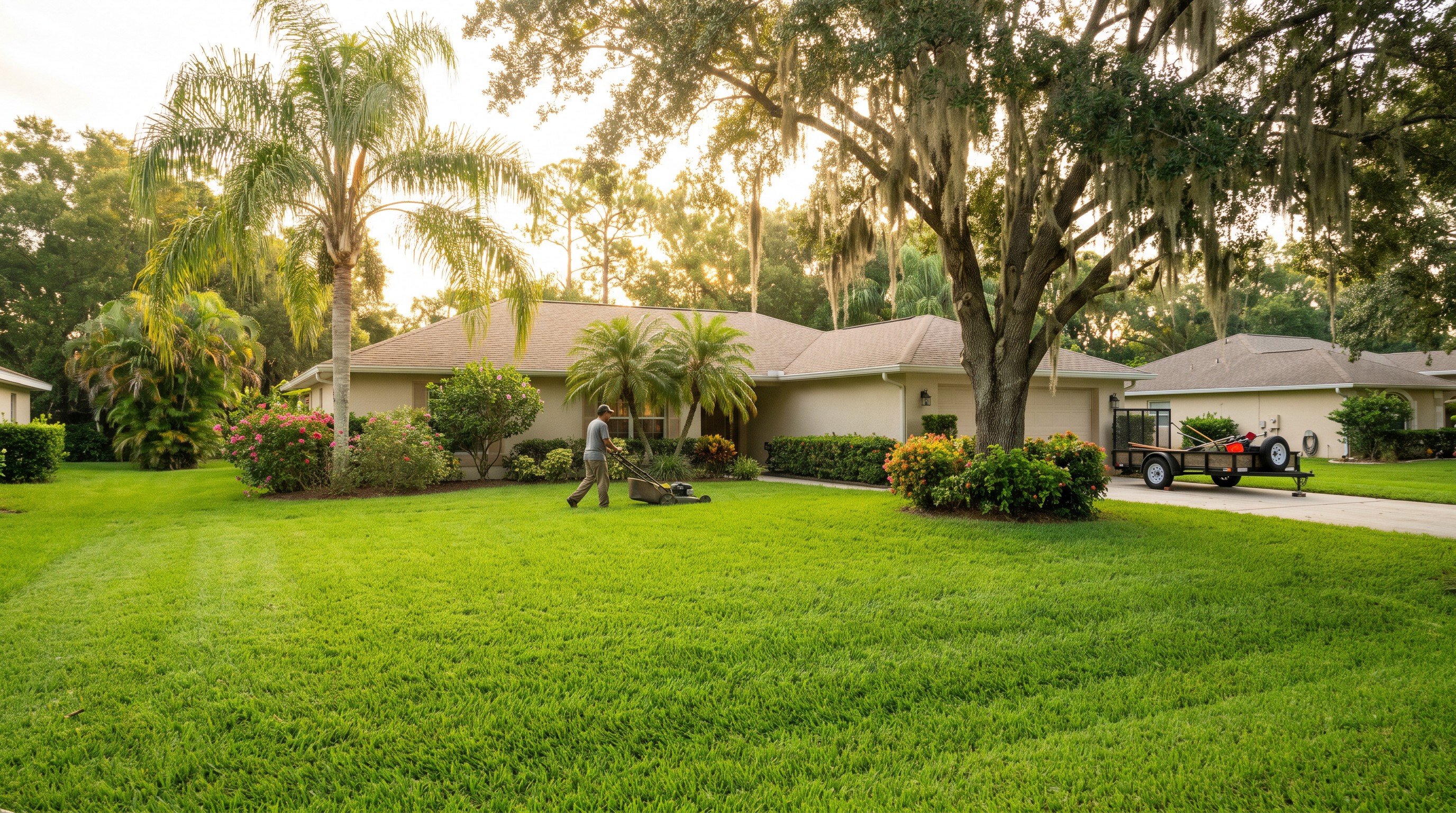
Bahia grass Florida lawns depend on for heat and drought tolerance covers more residential yards and pasture acreage than any other turfgrass in the state's sandy soil regions. It survives 100-degree summers, tolerates poor soil, and needs far less water than St. Augustine — but it also throws seed heads within days of mowing and thins out fast under the wrong maintenance routine. Here's what actually keeps a bahia lawn thick and green through a Central Florida growing season.
What Bahia Grass Is and How to Identify It
Bahia grass is a perennial, warm-season turfgrass with a deep, extensive root system that can reach three to eight feet into the soil. That root depth is why it tolerates sandy, nutrient-poor ground and drought better than almost any other lawn grass grown in Florida.
You'll recognize it by its coarse, flat leaf blades and its Y-shaped seed head, which splits into two prongs at the top of a tall, thin stalk. Homeowners often mistake these seed heads for weeds because they pop up so quickly after mowing — sometimes within 48 hours during peak summer growth.
Bahia spreads through short stolons rather than aggressive runners, which gives it a looser, more open growth habit compared to St. Augustine. It fills in slowly after damage, which matters if you're comparing it to faster-spreading turf types for a new install.
Argentine Bahia vs. Common and Pensacola Varieties
Not all bahia grass is the same, and the variety planted affects how a lawn looks and performs.
Argentine Bahia Grass
Argentine bahia is the standard for Florida residential lawns. It has wider, softer leaf blades, a denser growth pattern, and a more finished appearance than older varieties. Most sod farms in Central Florida sell Argentine bahia specifically because it holds up better under regular mowing and looks more like a traditional lawn.
Common and Pensacola Bahia
Common and Pensacola bahia have narrower blades and a rougher texture. They're more commonly used for pastures, roadsides, and erosion control than for residential turf. Pensacola bahia tolerates cold slightly better and is often the variety you'll see along highway right-of-ways rather than in front yards.
If you're planting new sod or overseeding a thin lawn, ask specifically for Argentine bahia. Cheaper "bahia mix" seed blends sometimes contain common bahia, which won't match the density or appearance most homeowners want.
Bahia Grass vs. St. Augustine Grass
This comparison comes up constantly for Central Florida homeowners choosing turf for a new yard or a full lawn renovation.
Where Bahia Grass Wins
Bahia grass needs less water, less fertilizer, and tolerates poor, sandy soil better than St. Augustine. It's also more resistant to chinch bugs, one of the most destructive pests to St. Augustine lawns across Polk and Lake counties. Bahia is the lower-maintenance, lower-cost option for large properties, pastures, and areas without irrigation coverage.
Where St. Augustine Grass Wins
St. Augustine has a denser, more uniform appearance, spreads faster to repair bare spots, and tolerates shade far better than bahia, which needs full sun to thrive. If your yard has mature oak canopy or you want the thick, carpet-like look common in HOA communities, St. Augustine is usually the better fit despite the higher water and fertilizer demand.
Many properties in Clermont and Four Corners actually run both — bahia in open, sunny side yards or pasture-adjacent lots, and St. Augustine in the shaded front lawn. A crew that knows both grass types can plan mowing height and watering separately for each zone instead of treating the whole property the same way.
Mowing Height and Frequency
Bahia grass should be mowed at 3 to 4 inches, which is taller than most homeowners expect. Cutting it shorter stresses the plant, opens the canopy to weeds, and forces more frequent, more visible seed head growth.
During peak growing season — roughly April through September in Central Florida — expect to mow weekly, sometimes twice weekly after heavy rain, just to stay ahead of seed heads. Growth slows significantly from November through February, and mowing frequency can drop to every two to three weeks.
Tip: Never remove more than one-third of the blade height in a single cut. Scalping bahia grass during summer heat is one of the fastest ways to trigger widespread thinning and open the door to weed pressure.
Watering Schedule for Bahia Grass in Florida
Established bahia grass is one of the most drought-tolerant lawns you can grow in Florida. Once it's rooted, most established lawns survive on rainfall alone for the majority of the year and only need supplemental irrigation during extended dry stretches in spring.
New sod is a different story. Fresh bahia sod needs daily watering for the first 7 to 10 days to establish root contact with the soil, then a gradual reduction to two to three times per week over the following two weeks. After about three to four weeks, most new bahia lawns can transition to an as-needed schedule tied to rainfall rather than a fixed irrigation timer.
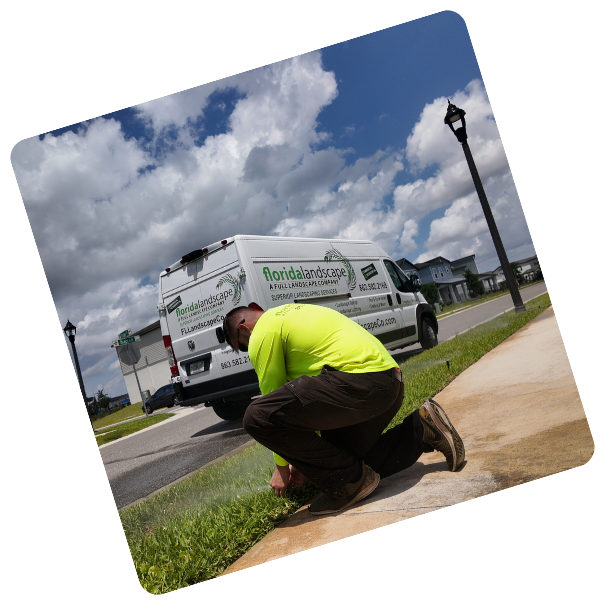
Homeowners on wells or private irrigation systems should still check local watering restrictions, since Central Florida water management districts enforce specific day-of-week schedules that apply regardless of grass type. If you're unsure how your system is set up, a quick irrigation audit through lawn care clermont fl service can confirm your zones are dialed in correctly for bahia's lower water demand.
Fertilization Timing and Nutrient Needs
Bahia grass has notably lower nitrogen requirements than St. Augustine or Zoysia, and over-fertilizing is one of the most common mistakes homeowners make with this turf. Too much nitrogen produces excessive top growth and seed heads without improving root health or color.
A typical Central Florida bahia lawn needs fertilizer applications two to three times per year — generally in spring (March–April), early summer (June), and early fall (September). Fertilizing in late fall or winter, when bahia is going dormant, wastes product and can encourage weed growth instead of turf growth.
Soil pH matters more than most homeowners realize. Bahia grass tolerates a wider pH range than most turf, but a soil test every couple of years helps confirm whether a lawn actually needs added potassium or phosphorus, or whether nitrogen alone is enough.
Note: Skip fertilizer blends marketed as "all-purpose" without checking the nitrogen ratio first. Bahia lawns fertilized on a St. Augustine schedule almost always end up overgrown, patchy, and prone to fungal issues by midsummer.
Common Bahia Grass Problems and Fixes
Bahia is tough, but it isn't problem-free. These are the issues that show up most often on Central Florida properties.
• Excessive seed heads: The most common complaint. Regular mowing at the correct height keeps them shorter and less noticeable, but complete elimination isn't realistic during peak growing months.
• Mole cricket damage: Mole crickets tunnel through bahia root systems, causing spongy, browning patches, especially in sandy soil. Targeted insecticide applications timed to nymph stages in late spring work far better than treating after damage appears.
• Dollar spot fungus: Small, silver-dollar-sized brown patches, usually tied to overwatering or excess thatch. Reducing irrigation frequency and improving airflow through periodic dethatching solves most cases.
• Thinning and bare patches: Because bahia spreads slowly, damaged areas from pests, dog traffic, or scalping can stay bare for months. Overseeding with Argentine bahia seed in late spring speeds up recovery.
• Weed encroachment: Bahia's open growth habit lets weeds establish in thin spots more easily than dense turf types. Pre-emergent applications timed for late winter (before spring weed germination) prevent most of this before it starts.
Properties in lawn care haines city fl homeowners rely on for pasture-adjacent lots see mole cricket and thinning issues more often simply because of the sandier, less irrigated ground typical of that area. A maintenance schedule built around the actual soil conditions on a property, not a generic monthly visit, catches these problems before they spread.
According to the Florida-Friendly Landscaping Program, matching turf maintenance practices to a grass species' actual water and nutrient needs is one of the most effective ways to reduce lawn chemical runoff statewide — a point directly relevant to bahia's naturally low input requirements.
The USDA also tracks bahia grass as a significant forage and turf species across the Southeast, reflecting how widely it's used beyond residential lawns in pastures and roadside stabilization throughout Florida.
Get Bahia Grass Care Handled in Central Florida
Bahia grass looks simple to maintain until seed heads take over, mole crickets carve up a section of yard, or fertilizer applied on the wrong schedule leaves patches thin and yellow. Florida Landscape Co. builds mowing height, watering, and fertilization schedules around the actual grass type on your property instead of applying a one-size-fits-all routine.
Request your free quote or call (863) 582-2168 for fast, local service in Clermont, Haines City, Davenport, and across Central Florida.

Get your free quote and expert advice today.
Ready to transform your garden? Get in touch with our expert team today for a free consultation and personalized plan.




Frequently Asked Questions
How often should bahia grass be mowed in Florida?

Weekly during peak growing season from April through September, and every two to three weeks during the slower fall and winter months. Mow at 3 to 4 inches to keep the lawn healthy and reduce seed head growth.
Does bahia grass need a lot of water?
No. Established bahia grass is highly drought-tolerant and usually survives on rainfall alone for most of the year in Central Florida. New sod needs daily watering for the first week or two before tapering off.
Why does my bahia grass have so many seed heads?
Bahia produces seed heads rapidly, often within a couple of days of mowing, especially during warm, humid weather. This is normal growth behavior, not a disease, and regular mowing at the correct height is the only real control method.
Is bahia grass better than St. Augustine grass for Florida lawns?
It depends on the property. Bahia needs less water and fertilizer and resists chinch bugs better, but St. Augustine looks denser and tolerates shade much better. Sunny, low-irrigation properties often do better with bahia, while shaded lawns usually need St. Augustine.
What is the difference between Argentine and common bahia grass?
Argentine bahia has wider, softer blades and a denser, more attractive appearance, making it the standard choice for residential lawns. Common and Pensacola bahia have narrower, coarser blades and are used more often for pastures and roadside areas.

