
.webp)
Winter Garden Lawn Maintenance: What to Do Before Spring Arrives
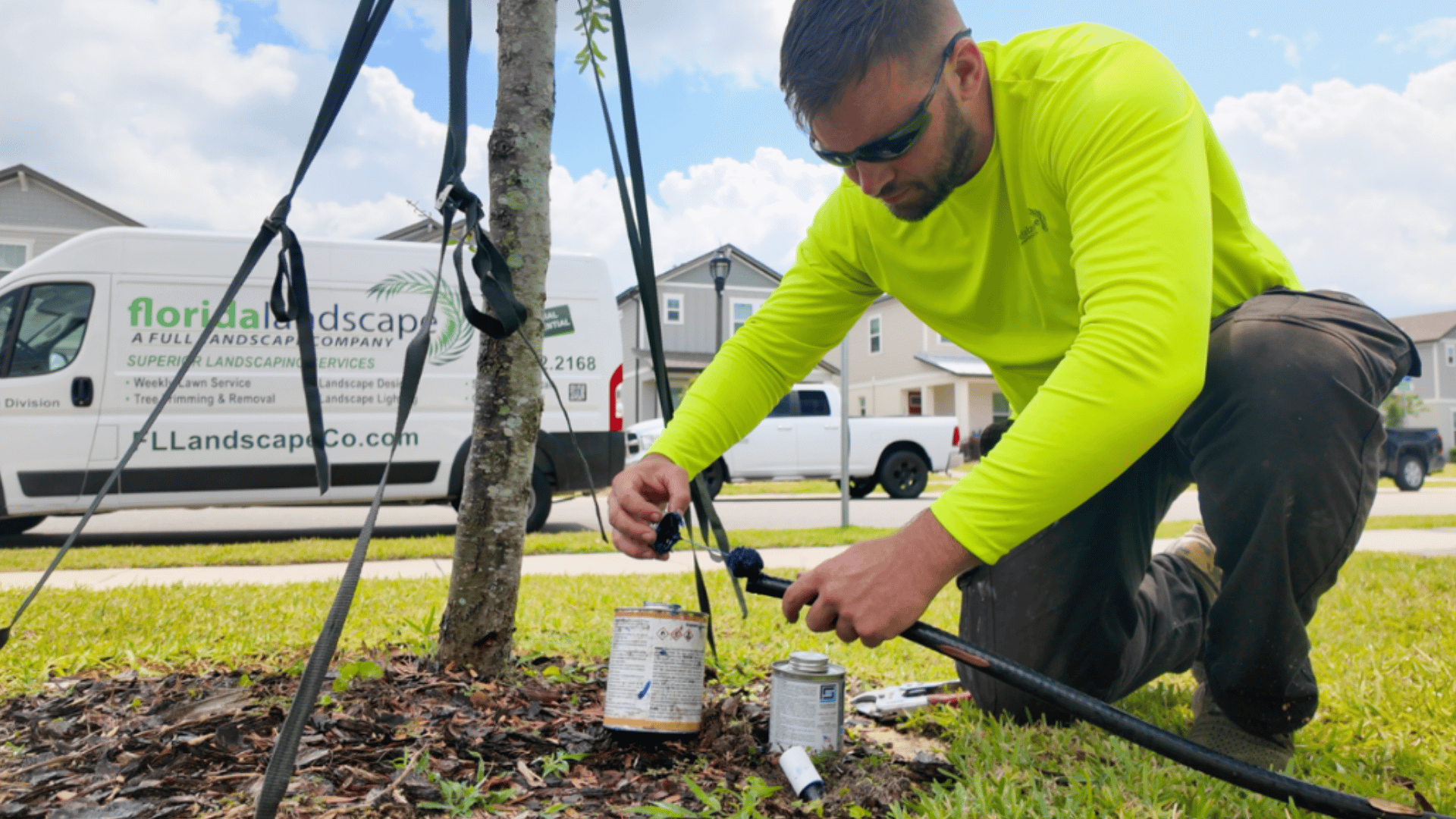
Late winter in Winter Garden marks a critical time for lawn maintenance. While our Central Florida climate means grass never truly goes dormant, the transition from dry season to spring growth presents the perfect opportunity to set your lawn up for success. Smart preparation now prevents costly problems later and ensures your St. Augustine or Bahia grass thrives through the upcoming rainy season.
Assess Winter Damage and Plan Your Recovery
Central Florida's sandy soil and unpredictable winter weather can leave lawns looking patchy by February. Walk your property and identify areas where cold snaps damaged tender grass or where foot traffic created compacted spots. Look for brown patches, thin areas, or sections where weeds have taken hold during the cooler months.
Document problem areas with photos or notes. This assessment becomes your roadmap for spring recovery efforts. Pay special attention to areas under large trees where grass struggles for sunlight, and spots near driveways or walkways where salt spray from winter cleaning may have caused damage. In Winter Garden's humid subtropical climate, these issues compound quickly once temperatures rise and humidity increases.
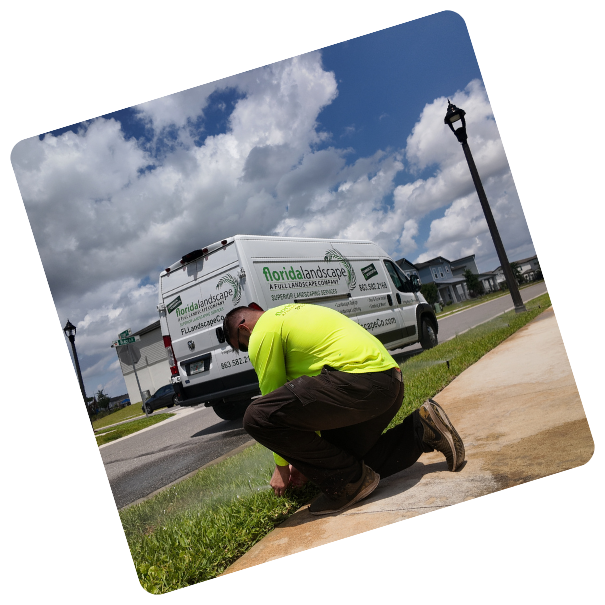
Check your irrigation system during this assessment. Winter Garden's dry season from November through April means your system worked harder than usual. Look for broken sprinkler heads, clogged nozzles, or areas where coverage seems uneven. Professional irrigation repair now prevents water waste and dead spots when spring growth begins.
Prepare Your Soil for Spring Growth
Central Florida's sandy soil presents unique challenges that require specific preparation strategies. While sandy soil drains well during our heavy summer rains, it also loses nutrients quickly and can become hydrophobic during dry periods. Late winter provides the ideal window to address these soil issues before spring growth accelerates.
Test your soil pH, which should range between 6.0 and 7.0 for optimal St. Augustine grass health. University of Florida research shows that proper pH levels dramatically improve nutrient uptake in sandy soils. If your pH falls outside this range, apply lime to raise pH or sulfur to lower it, giving these amendments time to work before spring fertilization.
Consider adding organic matter to improve your soil's water and nutrient retention. Compost or quality topsoil amendments help sandy soil hold moisture and nutrients longer, reducing the need for frequent watering and fertilization. This preparation proves especially valuable during Winter Garden's transition into the May-October rainy season, when improved soil structure prevents nutrient runoff.
Time Your Pre-Spring Fertilization
Fertilizing timing in Central Florida requires precision. Apply fertilizer too early and cool weather prevents uptake, leading to nutrient runoff into local waterways. Wait too long and you miss the window for establishing strong root systems before summer stress arrives.
Plan your first fertilization for mid-March when soil temperatures consistently reach 65 degrees and grass begins showing new growth. Choose a fertilizer specifically formulated for Florida conditions, with slow-release nitrogen to prevent burning and essential micronutrients often lacking in sandy soil. Florida-Friendly Landscaping guidelines recommend avoiding phosphorus unless soil tests indicate deficiency, as excess phosphorus contributes to algae growth in nearby lakes and waterways.
Apply fertilizer evenly using a calibrated spreader, and water immediately afterward to activate the nutrients and prevent burning. In Winter Garden's sandy soil, nutrients move quickly through the root zone, making proper watering after fertilization crucial for effectiveness.
Address Weed Control Before Peak Growing Season
Late winter represents your best opportunity to control weeds before they explode during spring and summer. Central Florida's year-round growing season means weeds never truly stop, but cooler temperatures make control efforts more effective and less stressful on desirable grass.
Target broadleaf weeds like dollarweed and spurge with selective herbicides designed for your grass type. These weeds thrive in Central Florida's humid conditions and spread rapidly once temperatures rise. Apply pre-emergent herbicides by early March to prevent crabgrass and other annual weeds from germinating as soil warms.
Hand-pulling weeds works effectively during cooler weather and prevents chemical stress on grass. Focus on removing weeds with extensive root systems that will compete aggressively for water and nutrients during the upcoming growing season. Remember that dense, healthy grass provides the best long-term weed control, making proper fertilization and irrigation your most important weed prevention tools.
Plan Your Spring Maintenance Schedule
Successful lawn maintenance in Winter Garden requires consistent scheduling aligned with our unique climate patterns. Create a maintenance calendar that accounts for the rapid transition from dry season to rainy season, typically occurring between April and May.
Schedule your first mowing for early April when grass height reaches about 4 inches. Set your mower height to remove no more than one-third of the blade length, promoting deep root growth essential for surviving summer heat. Plan to increase mowing frequency gradually as temperatures rise and growth accelerates.
Coordinate irrigation adjustments with seasonal changes. EPA WaterSense guidelines recommend adjusting sprinkler timers monthly during seasonal transitions. Reduce irrigation frequency as natural rainfall increases, preventing overwatering that leads to shallow root systems and disease problems.
Professional maintenance programs eliminate the guesswork from seasonal scheduling. Experienced technicians understand Central Florida's climate patterns and adjust treatments based on actual conditions rather than calendar dates, ensuring optimal results while maintaining HOA compliance standards common in Winter Garden communities.
Preparing your Winter Garden lawn for spring doesn't have to be overwhelming. With proper planning and execution of these essential maintenance tasks, your grass will emerge healthy and resilient for another year. For comprehensive lawn maintenance that takes the guesswork out of Central Florida lawn care, contact Florida Landscape Co. at (863) 582-2168 to discuss a maintenance program tailored to your property's specific needs.

Get your free quote and expert advice today.
Ready to transform your garden? Get in touch with our expert team today for a free consultation and personalized plan.




Frequently Asked Questions
When should I start fertilizing my Winter Garden lawn in spring?

Begin fertilizing in mid-March when soil temperatures consistently reach 65 degrees and you see new grass growth. Fertilizing too early in Central Florida's variable spring weather can lead to nutrient runoff and poor uptake in sandy soil.
What type of grass grows best in Winter Garden's climate?
St. Augustine grass performs best in Central Florida's humid subtropical climate, tolerating heat, humidity, and sandy soil conditions. Bahia grass works well for lower-maintenance areas and handles drought stress better than St. Augustine.
How often should I water my lawn during Winter Garden's dry season?
Water 2-3 times per week during the November-April dry season, applying about 3/4 inch each time to encourage deep root growth. Florida Landscape Co. can adjust your irrigation system to deliver optimal amounts based on seasonal weather patterns.
Do I need to overseed my lawn in Central Florida?
Overseeding isn't typically necessary for St. Augustine or Bahia grass in Winter Garden. These warm-season grasses spread naturally through runners and recover well from winter damage with proper fertilization and irrigation.
What's the best mowing height for grass in Central Florida?
Maintain St. Augustine grass at 3-4 inches and Bahia grass at 3-4 inches during growing season. Higher cutting heights promote deeper roots and better heat tolerance, essential for surviving Central Florida's intense summer conditions.

