.webp)
Why Central Florida Landscaping Requires Year-Round Maintenance
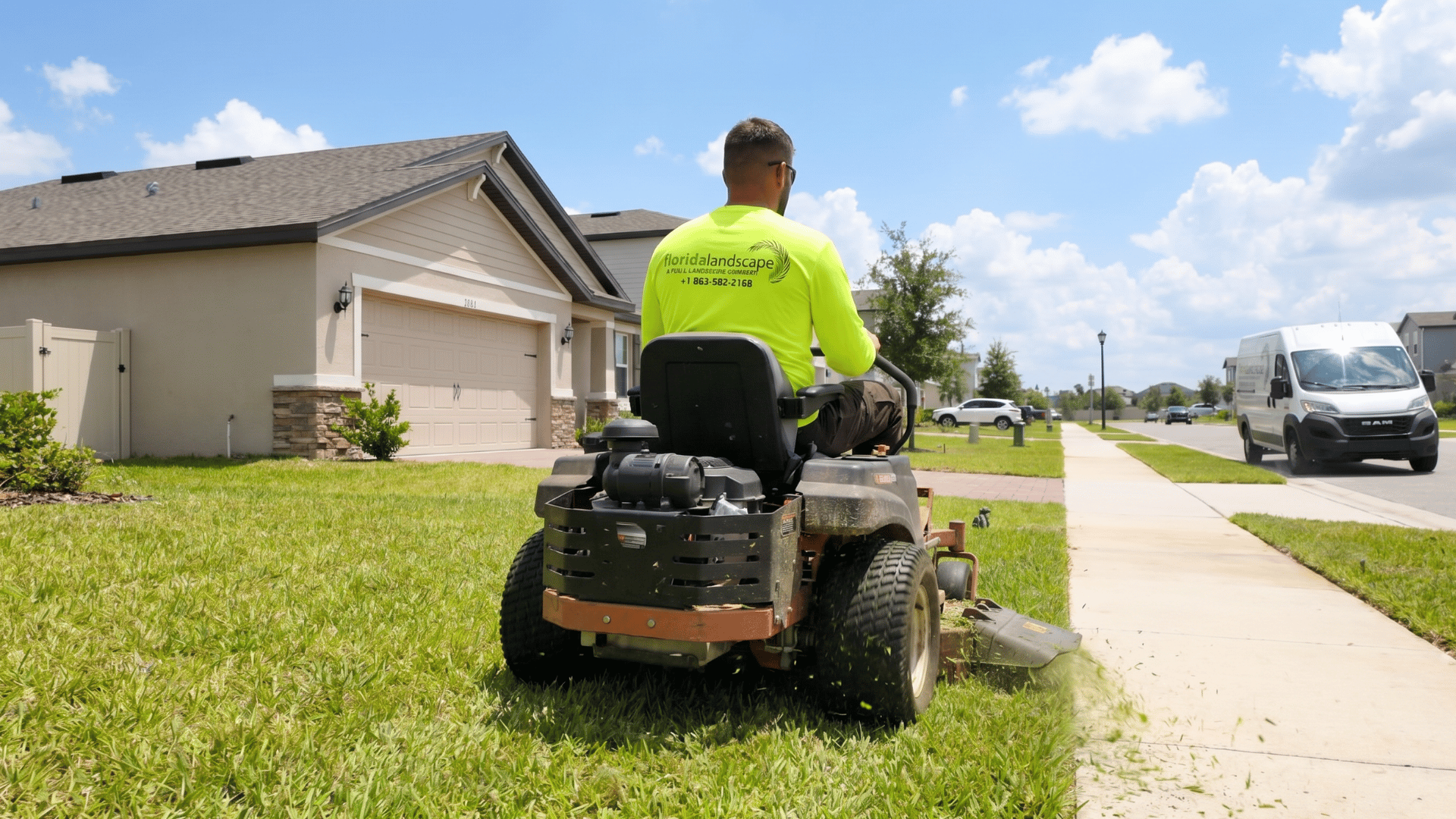
If you've lived in Central Florida for more than a season, you know that your lawn doesn't take a break. While northern states see grass go dormant in winter, our humid subtropical climate keeps St. Augustine and Bahia grass growing throughout the year. This continuous growth, combined with sandy soil that drains quickly and weather patterns that swing from torrential summer rains to dry winter months, means your landscape needs consistent attention every month to stay healthy and compliant with HOA standards.
Central Florida's Unique Climate Challenges
Central Florida's climate presents landscaping challenges you won't find in other regions. Our growing season essentially runs 12 months, with grass growing fastest during the hot, humid summers and slowing but never stopping during our mild winters. The sandy soil that dominates our region drains quickly, which prevents waterlogging but also means nutrients wash away faster than in clay or loamy soils.
Our rainy season from May through October can dump 6-8 inches of rain in a single month, followed by dry periods where irrigation becomes critical for plant survival. This feast-or-famine water cycle stresses plants and creates perfect conditions for pest and disease issues if your landscape isn't properly managed. The University of Florida's IFAS Extension emphasizes that understanding these seasonal water patterns is crucial for maintaining healthy landscapes in our state.
Temperature fluctuations also play a role. While we rarely see hard freezes, occasional cold snaps can damage tender plants, and our intense summer heat combined with high humidity creates stress conditions that require proactive management. Properties that receive sporadic or seasonal-only maintenance often struggle with these transitions, leading to costly landscape replacement and potential HOA violations.
St. Augustine and Bahia Grass Growth Patterns
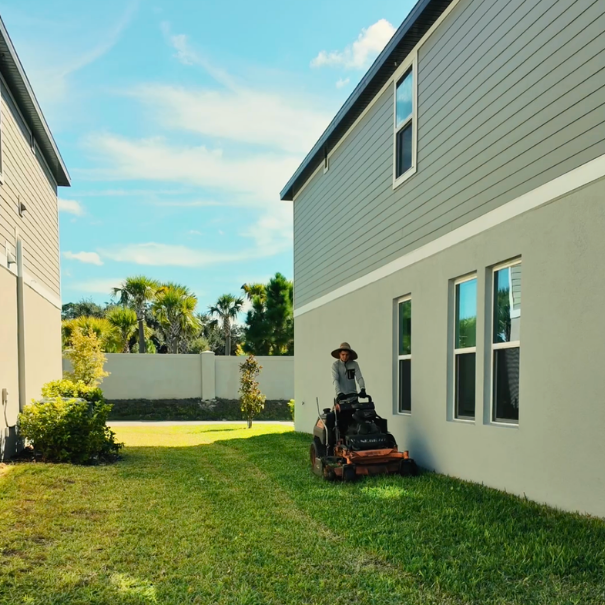
The grass varieties that thrive in Central Florida don't follow the growth patterns homeowners from other regions might expect. St. Augustine grass, the most common choice for residential lawns, grows aggressively from April through October, requiring weekly mowing during peak season. Even during our coolest months of December and January, this warm-season grass continues growing, just at a slower pace.
Bahia grass, popular for larger commercial properties and HOA common areas due to its drought tolerance, also maintains year-round growth. While it requires less frequent mowing than St. Augustine, it still needs regular attention to prevent it from becoming too thick and developing thatch buildup. Both grass types require different fertilization schedules, pest control treatments, and irrigation adjustments throughout the year to maintain the lush, uniform appearance that Florida communities expect.
Property managers and homeowners who attempt seasonal maintenance schedules quickly discover that a three-month gap in service can result in grass that's overgrown, nutrient-deficient, and struggling with pest issues. Recovery from neglect often takes months and costs significantly more than consistent maintenance would have required.
Irrigation and Water Management Needs
Effective water management in Central Florida requires year-round attention to both natural rainfall and supplemental irrigation. During our wet season, the challenge shifts from providing enough water to managing excess moisture and ensuring proper drainage. Irrigation systems need regular adjustments to avoid overwatering, which can lead to fungal diseases, shallow root development, and nutrient leaching in our sandy soils.
The dry season presents different challenges. From November through April, rainfall drops significantly, and irrigation becomes critical for plant survival. However, many Central Florida communities have water restrictions that change seasonally, requiring ongoing adjustments to irrigation schedules and watering methods. The EPA's WaterSense program provides guidelines for efficient irrigation that many local governments reference in their water use regulations.
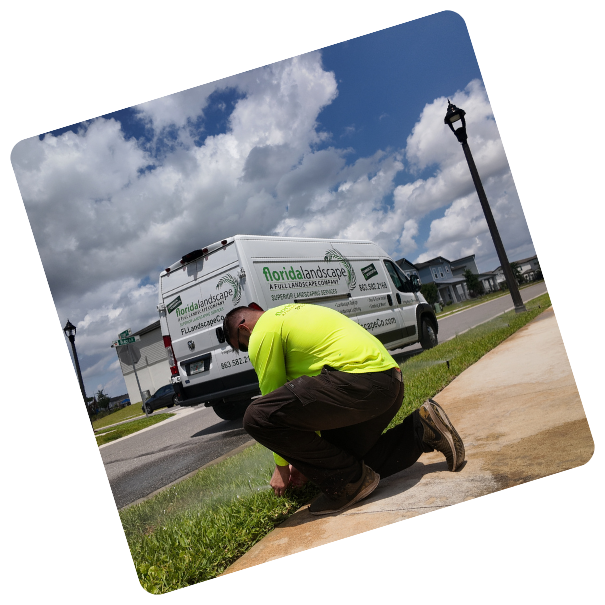
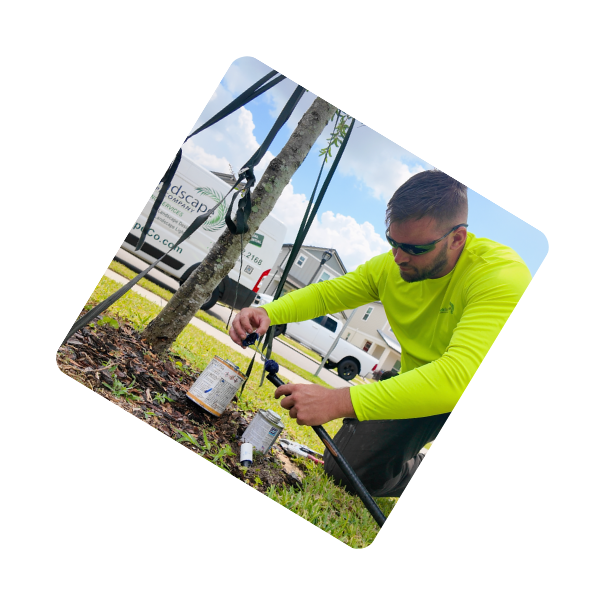
Professional irrigation installation and repair services become essential when you consider that a malfunctioning sprinkler head or incorrect timer setting can waste thousands of gallons of water and damage your landscape. Regular system checks, seasonal adjustments, and prompt repairs ensure your landscape gets the right amount of water at the right time while staying compliant with local water use ordinances.
Pest and Disease Prevention Throughout the Year
Central Florida's warm, humid climate creates ideal conditions for landscape pests and diseases year-round. Chinch bugs, armyworms, and grubs don't disappear in winter; they simply adjust their activity patterns. Fungal diseases like brown patch and dollar spot can strike any time conditions are right, which in our climate means vigilance is required throughout the year.
Preventive pest and disease management requires understanding seasonal pest cycles and applying treatments at optimal times. For example, pre-emergent herbicides for crabgrass control need to be applied before soil temperatures reach certain thresholds, which can happen as early as February in Central Florida. Similarly, preventive fungicide applications are most effective when applied before disease pressure peaks, not after problems become visible.
Regular monitoring by trained professionals helps identify issues in their early stages when treatment is most effective and least costly. Properties with consistent year-round maintenance typically see fewer severe pest and disease outbreaks because problems are caught and addressed before they can establish and spread throughout the landscape.
HOA Compliance and Property Value Protection
Most Central Florida communities have strict landscaping standards that require year-round compliance. HOA violations for overgrown grass, dead plants, or poorly maintained landscapes can result in fines and, in severe cases, forced remediation at the property owner's expense. These standards exist because well-maintained landscapes directly impact property values throughout the community.
Professional lawn and landscape maintenance services understand local HOA requirements and ensure your property stays compliant year-round. This includes understanding specific grass height requirements, approved plant materials, mulch standards, and irrigation regulations that vary between communities. Regular maintenance also prevents small issues from becoming major problems that could result in costly emergency repairs or complete landscape replacement.
The Florida-Friendly Landscaping program provides guidelines that many HOAs reference in their landscape requirements. Properties that follow these principles while maintaining consistent care schedules typically see better plant health, lower maintenance costs over time, and higher property values compared to those with sporadic maintenance approaches.
The Cost of Inconsistent Maintenance
Property owners who attempt seasonal or sporadic maintenance often discover that the short-term savings disappear quickly when major problems develop. Landscapes that receive inconsistent care are more susceptible to pest outbreaks, disease issues, and plant losses that require expensive remediation. Emergency service calls during peak season can cost significantly more than regular maintenance visits, and plant replacement costs can quickly exceed what consistent care would have required.
Irrigation systems that aren't regularly maintained are prone to failures that can damage landscapes and waste water. A single irrigation line break or malfunctioning zone can kill established plants that cost hundreds of dollars to replace, not including the labor for removal and installation. Regular system checks and prompt repairs prevent these costly failures and ensure efficient water use that saves money on utility bills.
For HOA and commercial properties, inconsistent maintenance can result in violation fines, emergency service calls to meet compliance deadlines, and the costs associated with tenant complaints or reduced property values. Professional maintenance programs that include regular visits, seasonal adjustments, and prompt issue resolution typically cost less than reactive approaches and deliver better results.
Central Florida's unique climate and growing conditions require a year-round approach to landscape maintenance that addresses seasonal challenges while maintaining consistent care standards. Whether you're managing a single-family home or a large commercial property, partnering with experienced professionals who understand our local conditions ensures your landscape stays healthy, compliant, and valuable throughout the year. Contact Florida Landscape Co. at (863) 582-2168 to discuss a maintenance program that keeps your Central Florida property looking its best every season.

Get your free quote and expert advice today.
Ready to transform your garden? Get in touch with our expert team today for a free consultation and personalized plan.



Frequently Asked Questions
How often should I mow my St. Augustine grass in Central Florida?

St. Augustine grass typically needs mowing weekly during peak growing season (April-October) and every 10-14 days during cooler months. The key is never removing more than one-third of the grass height at once, which promotes healthy growth and prevents stress.
When should I adjust my irrigation system for Florida's seasons?
Irrigation schedules should be adjusted monthly based on rainfall, temperature, and local water restrictions. During rainy season (May-October), reduce supplemental watering, while dry season (November-April) requires more frequent irrigation to maintain plant health.
What's the best fertilizer schedule for Central Florida lawns?
Central Florida lawns typically need fertilization 3-4 times per year, with applications in early spring, late spring, summer, and early fall. Florida Landscape Co. creates custom fertilization programs based on your specific grass type, soil conditions, and local regulations.
How do I prevent fungal diseases in my Central Florida landscape?
Prevent fungal diseases through proper irrigation timing (early morning), adequate air circulation, appropriate fertilization, and preventive fungicide applications during high-risk periods. Regular professional monitoring helps identify and treat issues before they spread.
What maintenance does my landscape need during Central Florida's dry season?
Dry season maintenance includes irrigation system checks, drought-stress monitoring, pruning dormant plants, pre-emergent weed control, and preparing irrigation schedules for spring growth. Even during cooler months, grass and plants continue growing and need regular attention.

