.webp)
Types of Grass in Florida: Complete 2026 Homeowner Guide

Over 85% of Central Florida lawns use just five grass types, yet most homeowners don't know which variety they have or which would work best for their specific yard conditions. Understanding the different types of grass in Florida is crucial for maintaining a healthy, beautiful lawn that thrives in our unique climate and sandy soil conditions.
Choosing the right grass type can mean the difference between a lush, low-maintenance lawn and years of struggling with brown spots, constant watering, and expensive repairs. Each grass variety has distinct characteristics that make it better suited for specific conditions like shade tolerance, foot traffic, drought resistance, and maintenance requirements.
In this comprehensive guide, we'll break down the five most popular grass types in Florida, their pros and cons, and help you determine which option works best for your Central Florida property.
St. Augustine Grass: Florida's Most Popular Choice
St. Augustine grass dominates Florida landscapes for good reason. This warm-season grass thrives in our subtropical climate and handles the transition from intense summer heat to cooler winter months better than most alternatives.
The thick, broad blades create a lush carpet that feels comfortable underfoot. St. Augustine establishes quickly and spreads through stolons (above-ground runners), which helps it recover from damage and fill in bare spots naturally.
Best growing conditions: St. Augustine performs exceptionally well in full sun to partial shade, making it versatile for yards with trees or structures that create varying light conditions. It tolerates Central Florida's sandy soil and handles our heavy summer rains without issues.
Maintenance requirements: This grass type requires regular watering during dry periods and benefits from consistent fertilization. It grows quickly during warm months, so expect to mow weekly from March through October.
Tip: St. Augustine is susceptible to chinch bugs and fungal diseases during humid summer months, so proper lawn maintenance including pest monitoring is essential.
Bahia Grass: The Low-Maintenance Option
Bahia grass earned its reputation as Florida's most drought-tolerant option. Once established, it can survive extended dry periods with minimal irrigation, making it popular for large properties and areas where water conservation is a priority. The University of Florida IFAS Extension notes that Bahia grass is particularly well-adapted to Florida's climate and soil conditions.
The deep root system, often extending 8-10 feet down, allows Bahia to access moisture and nutrients that other grasses can't reach. This makes it particularly well-suited to Central Florida's sandy soil conditions.
However, Bahia grass has a coarser texture and lighter green color compared to St. Augustine. The seed heads that appear frequently can give lawns a weedy appearance if not mowed regularly.
Best applications: Bahia works well for utility areas, slopes for erosion control, and properties where a manicured appearance isn't the top priority. It handles foot traffic reasonably well and recovers quickly from wear.
Zoysia Grass: Premium Durability and Appearance
Zoysia grass represents the premium option among Florida grass types. Its dense growth pattern creates a carpet-like appearance that rivals the best golf course fairways.
This grass type handles heavy foot traffic exceptionally well, making it ideal for families with children or pets. The tight growth pattern naturally crowds out weeds, reducing the need for herbicide applications.
Zoysia's slow establishment is its main drawback. While other grasses fill in within months, Zoysia can take 1-2 years to fully establish from plugs or sod. The initial investment is also higher than other options.
Climate adaptation: Zoysia enters dormancy earlier than St. Augustine and stays brown longer during winter months. In Central Florida, expect a brown lawn from December through February.
• St. Augustine — Shade Tolerance: Good — Drought Tolerance: Moderate — Traffic Tolerance: Moderate — Maintenance Level: Moderate
• Bahia — Shade Tolerance: Poor — Drought Tolerance: Excellent — Traffic Tolerance: Good — Maintenance Level: Low
• Zoysia — Shade Tolerance: Fair — Drought Tolerance: Good — Traffic Tolerance: Excellent — Maintenance Level: Low
• Bermuda — Shade Tolerance: Poor — Drought Tolerance: Excellent — Traffic Tolerance: Excellent — Maintenance Level: High
• Centipede — Shade Tolerance: Fair — Drought Tolerance: Poor — Traffic Tolerance: Poor — Maintenance Level: Very Low
Bermuda Grass: High-Performance for Active Areas
Bermuda grass thrives under intense use and recovers quickly from damage. Sports fields and high-traffic commercial areas often choose Bermuda for its exceptional durability and rapid growth.
This grass type spreads aggressively through both stolons and rhizomes (underground runners), allowing it to fill in bare spots quickly. The fine texture and bright green color create an attractive appearance when properly maintained.
Bermuda requires full sun and struggles in even light shade. It also needs frequent watering and fertilization to maintain its appearance, making it higher maintenance than other Florida grass types.
Growth characteristics: Bermuda grows so quickly that it can become invasive, spreading into flower beds and neighboring properties. Regular edging and boundary maintenance are essential.
Centipede Grass: Minimal Care Required
Centipede grass lives up to its nickname as "lazy man's grass." Once established, it requires minimal fertilization and can tolerate some neglect while still maintaining a decent appearance.
The apple-green color and medium texture provide a pleasant lawn appearance without the intensive care requirements of other grass types. Centipede grows slowly, which means less frequent mowing but also slower recovery from damage.
This grass type performs best in slightly acidic soil, which aligns well with Central Florida's natural soil conditions. However, it's the least drought-tolerant option and struggles during extended dry periods without supplemental irrigation.
Limitations: Centipede doesn't handle heavy foot traffic well and can be damaged by over-fertilization, particularly with phosphorus-rich fertilizers.
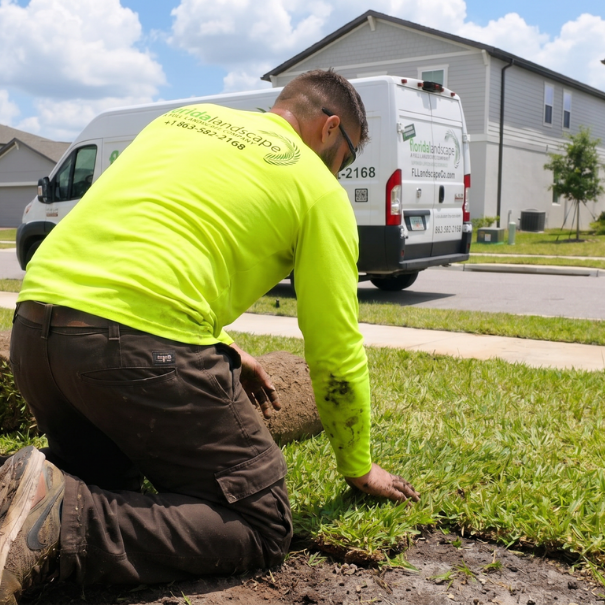
If you're considering switching grass types or installing new sod, our team can help you select the right variety for your specific conditions and provide professional sod installation services throughout Central Florida.
Common Mistakes When Choosing Florida Grass Types
1. Ignoring shade conditions: Planting sun-loving grasses like Bermuda or Bahia in shaded areas leads to thin, weak growth and constant maintenance issues.
2. Not considering soil drainage: Some grass types handle standing water better than others. Poor drainage can kill Bermuda and Centipede grass quickly.
3. Choosing based on appearance alone: The most beautiful grass won't stay that way if it doesn't match your maintenance capabilities and yard conditions.
4. Mixing grass types: Different grasses have different growth rates, water needs, and fertilizer requirements, making mixed lawns difficult to maintain properly.
5. Ignoring local regulations: Some HOAs and municipalities have restrictions on grass types or maintenance requirements that affect your options.
6. Not planning for seasonal changes: Warm-season grasses go dormant in winter. Understanding this cycle helps set proper expectations and maintenance schedules.
Selecting the Right Grass for Your Central Florida Property
Your ideal grass type depends on several factors specific to your property and lifestyle. Start by evaluating your yard's sun exposure throughout the day, noting areas that receive full sun, partial shade, or dense shade. The Florida-Friendly Landscaping program provides excellent guidance on selecting appropriate grass varieties for different yard conditions.
Consider your household's lawn usage patterns. Families with children or pets need grass that can handle regular foot traffic and recover quickly from wear. Properties used primarily for curb appeal can prioritize appearance over durability.
Water availability and irrigation systems also influence grass selection. If you have an efficient irrigation system, you have more options than properties relying on rainfall alone. Following EPA WaterSense guidelines can help you choose water-efficient grass types that support conservation efforts.
Note: Central Florida's sandy soil drains quickly, which benefits some grass types but requires more frequent watering for others. Understanding your soil's characteristics helps narrow down the best options.
Climate considerations matter too. Properties in areas that experience occasional freezes should avoid the most cold-sensitive varieties, while coastal properties need grass that tolerates salt spray.
Frequently Asked Questions
What is the most popular type of grass in Florida?
St. Augustine grass is the most popular choice in Florida, covering over 60% of residential lawns. Its versatility in different light conditions, attractive appearance, and good performance in Florida's climate make it the preferred option for most homeowners.
Which Florida grass type requires the least water?
Bahia grass is the most drought-tolerant option, with deep roots that can access moisture other grasses cannot reach. Once established, Bahia can survive extended dry periods with minimal irrigation, making it ideal for water conservation.
What type of grass grows best in shade in Florida?
St. Augustine grass has the best shade tolerance among Florida grass types, performing well in partial shade conditions. Zoysia and Centipede can handle light shade, but most other warm-season grasses require full sun to thrive.
How much does sod installation cost for different grass types in Central Florida?
Sod installation costs vary by grass type, with St. Augustine and Bahia being the most affordable options at $0.35-$0.65 per square foot for materials. Zoysia sod costs $0.80-$1.20 per square foot due to its premium characteristics and slower production time.
Which grass type handles foot traffic best in Florida?
Bermuda and Zoysia grasses handle heavy foot traffic best, with dense growth patterns and quick recovery from wear. St. Augustine provides moderate traffic tolerance, while Bahia offers good durability for its price point. Centipede is the least traffic-tolerant option.
When is the best time to plant new grass in Central Florida?
The best time to install sod or plant grass in Central Florida is during late spring through early fall (April through September) when warm temperatures promote quick establishment. Avoid planting during winter months when growth slows significantly.
Florida Landscape Co. offers professional lawn maintenance and sod installation services across Central Florida. Get a free quote today.

Get your free quote and expert advice today.
Ready to transform your garden? Get in touch with our expert team today for a free consultation and personalized plan.




Florida Grass FAQs
What is the most popular type of grass in Florida?

St. Augustine grass is the most popular choice in Florida, covering over 60% of residential lawns. Its versatility in different light conditions, attractive appearance, and good performance in Florida's climate make it the preferred option for most homeowners.
Which Florida grass type requires the least water?
Bahia grass is the most drought-tolerant option, with deep roots that can access moisture other grasses cannot reach. Once established, Bahia can survive extended dry periods with minimal irrigation, making it ideal for water conservation.
What type of grass grows best in shade in Florida?
St. Augustine grass has the best shade tolerance among Florida grass types, performing well in partial shade conditions. Zoysia and Centipede can handle light shade, but most other warm-season grasses require full sun to thrive.
How much does sod installation cost for different grass types in Central Florida?
Sod installation costs vary by grass type, with St. Augustine and Bahia being the most affordable options at $0.35-$0.65 per square foot for materials. Zoysia sod costs $0.80-$1.20 per square foot due to its premium characteristics and slower production time.
Which grass type handles foot traffic best in Florida?
Bermuda and Zoysia grasses handle heavy foot traffic best, with dense growth patterns and quick recovery from wear. St. Augustine provides moderate traffic tolerance, while Bahia offers good durability for its price point. Centipede is the least traffic-tolerant option.

