
.webp)
Tree Trimming Schedule for Davenport, FL: When and How Often
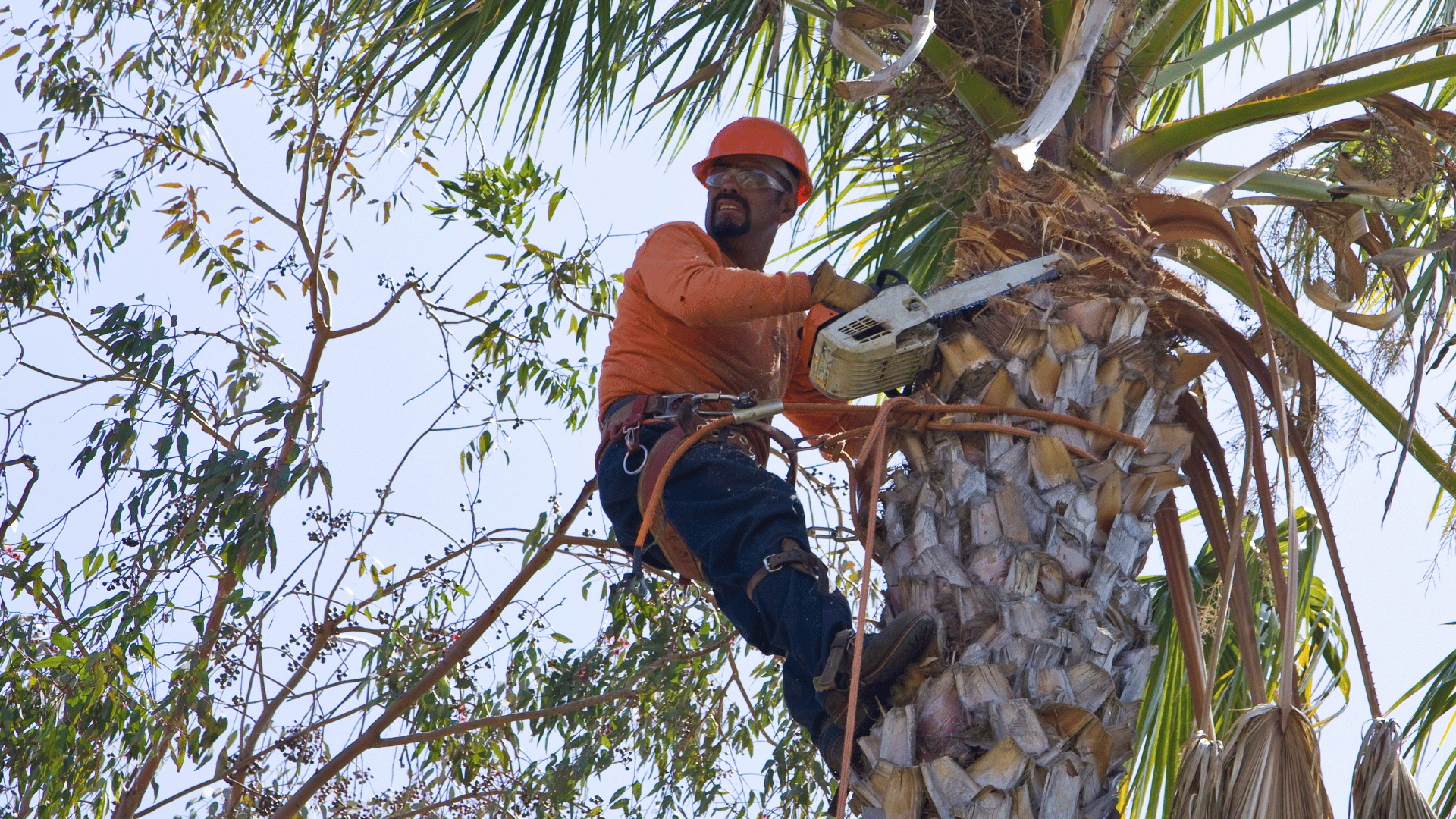
Davenport's humid subtropical climate and year-round growing season create unique tree care challenges that many property owners underestimate. While trees like live oaks, palm varieties, and citrus thrive in Central Florida's sandy soil and abundant rainfall, they also require strategic trimming schedules to prevent storm damage, maintain property aesthetics, and comply with HOA requirements. Understanding when and how often to trim your trees can save you thousands in emergency removals and keep your landscape looking professional throughout the year.
Understanding Central Florida's Tree Growth Patterns
Central Florida's climate drives aggressive tree growth from May through October during our rainy season. Trees in Davenport receive an average of 50+ inches of annual rainfall, with most falling during summer months when temperatures consistently reach the upper 80s and 90s. This combination of heat, humidity, and water creates rapid growth spurts that can quickly turn a well-maintained tree into an overgrown liability.
Sandy soil throughout the Davenport area allows for excellent drainage but also means tree roots spread wider rather than deeper, making trees more susceptible to wind damage during storms. Live oaks, slash pines, and palm trees dominate the landscape, each requiring different trimming approaches based on their growth habits and structural needs. University of Florida IFAS research shows that proper timing of tree trimming can reduce storm damage by up to 60% while promoting healthier long-term growth patterns.
The dry season from November through April slows growth significantly, making this the ideal window for major trimming projects. During these months, trees focus energy on root development rather than canopy expansion, allowing them to recover from pruning stress more effectively. Our tree services team schedules most major trimming work during this period to minimize stress on trees and ensure optimal healing before the next growing season begins.
Optimal Trimming Schedule by Tree Type
Live oaks require trimming every 2-3 years during late fall or winter months, specifically between December and February. These iconic Central Florida trees grow aggressively during summer months and can develop weak branch attachments if left untrimmed. Focus trimming on removing dead wood, crossing branches, and water sprouts that develop along the trunk and major limbs. Avoid trimming during oak wilt season (February through June) to prevent disease transmission.
Palm trees follow a different schedule entirely, requiring trimming only when fronds turn completely brown and hang below the horizontal plane. Over-trimming palms is one of the most common mistakes property owners make, weakening the tree and making it susceptible to nutrient deficiencies and storm damage. Most established palms in Davenport need attention only 1-2 times per year, typically in late fall and early spring.
Citrus trees benefit from light annual trimming in late winter, just before the spring growth flush begins. Remove suckers, dead wood, and branches growing toward the tree's center to improve air circulation and fruit production. Crape myrtles, another popular Davenport landscape choice, should be trimmed in late winter every 2-3 years, focusing on removing spent seed pods and selecting the strongest main trunks.
Pine trees require minimal trimming but benefit from deadwood removal every 3-4 years. Never top pine trees or remove more than 25% of the living crown, as this can lead to structural weakness and pest problems that are common in Central Florida's humid environment.
Seasonal Timing Considerations for Davenport Properties
The timing of your tree trimming schedule directly impacts both tree health and compliance with local regulations. Most Davenport HOAs restrict tree work during nesting season (March through August) to protect migratory birds, making fall and winter the primary windows for major projects. Plan your trimming schedule around these restrictions to avoid fines and delays.
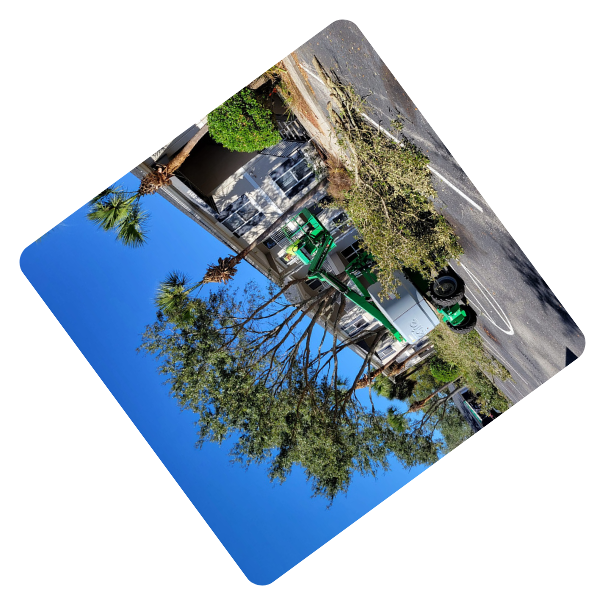
Hurricane season runs from June through November, making pre-storm preparation crucial for protecting your property investment. Schedule major trimming work between January and April to ensure trees have strong branch structure before summer storms arrive. Emergency trimming after storms focuses on safety and damage assessment rather than aesthetic improvement.
Central Florida's distinct wet and dry seasons create natural pruning windows that experienced landscapers follow religiously. Trimming during the dry season reduces disease transmission risk and allows cuts to heal properly before the humid summer months encourage fungal growth. Our experience serving Davenport properties since 2011 has shown that trees trimmed during proper seasons recover 40% faster than those trimmed during peak growing periods.
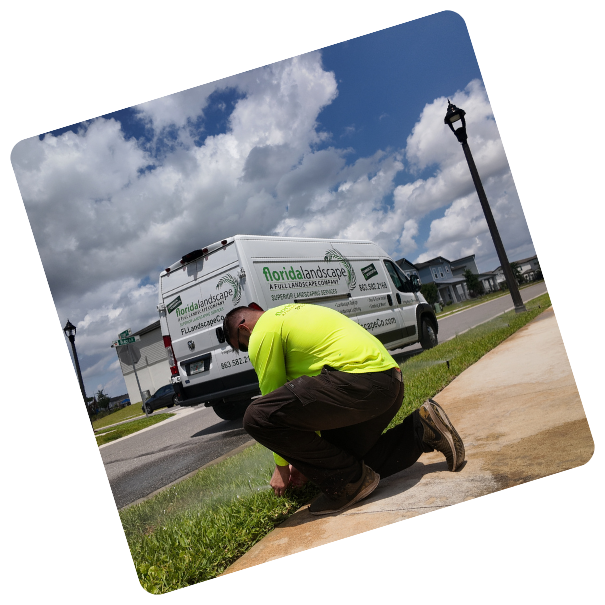
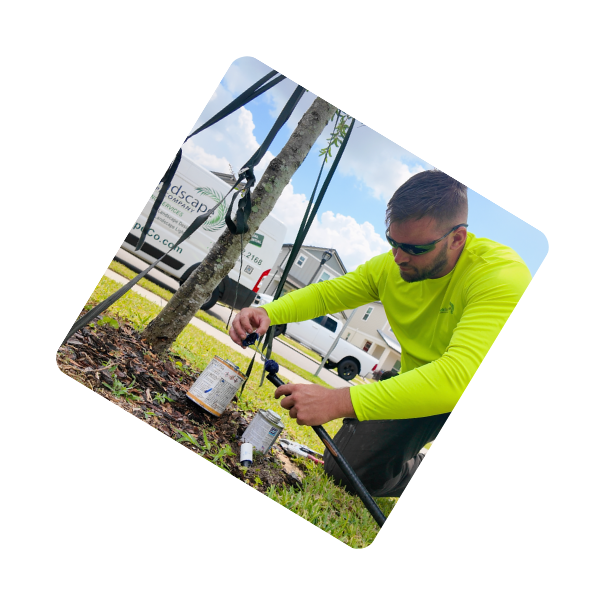
Consider your irrigation schedule when planning tree trimming, as newly trimmed trees require consistent moisture to heal properly. Coordinate with your irrigation system maintenance to ensure adequate water delivery during the recovery period without overwatering, which is easy to do in Central Florida's naturally moist environment.
Signs Your Trees Need Immediate Attention
Dead or hanging branches pose immediate safety risks and require prompt removal regardless of season. Central Florida's frequent afternoon thunderstorms can turn damaged branches into projectiles that threaten property and people. Brown, brittle branches that move independently from the rest of the canopy during normal wind indicate structural failure that needs professional assessment.
Excessive canopy density blocks air circulation and creates ideal conditions for fungal diseases common in humid climates. If you cannot see through your tree's canopy or notice areas where branches rub against each other, trimming is overdue. Trees touching roof lines, power lines, or neighboring properties create liability issues that many insurance policies do not cover if the problem was foreseeable.
Growth patterns that interfere with your landscape maintenance schedule also indicate trimming needs. If tree branches prevent proper mowing, make irrigation system access difficult, or block sight lines for security, strategic pruning can solve these problems while improving overall property functionality. Many Davenport properties struggle with trees that interfere with lawn maintenance, creating uneven growing conditions and equipment access challenges.
Rapid growth spurts following heavy fertilization or unusually wet periods can create weak branch attachments that fail during normal weather conditions. Watch for water sprouts, suckers, and branches with narrow attachment angles that indicate structural weakness requiring professional evaluation.
Creating a Long-Term Tree Maintenance Plan
Successful tree care in Central Florida requires planning 2-3 years ahead to coordinate trimming schedules with growth patterns, weather seasons, and property maintenance needs. Document your trees' species, age, and last trimming date to create a rotation schedule that prevents emergency situations and spreads costs over time.
Budget for professional tree care as you would any other major property maintenance expense. Quality trimming by licensed professionals costs less than emergency removal and prevents property damage that can reach tens of thousands of dollars during storm events. Many Davenport property owners discover that consistent maintenance every 2-3 years costs significantly less than reactive emergency services.
Consider your property's specific microclimates when developing trimming schedules. Trees near water features, in low-lying areas, or protected from prevailing winds may grow differently than those in exposed locations. Sandy soil drainage patterns also affect root development and stability, influencing how aggressively you can trim without compromising structural integrity.
Work with local professionals who understand Central Florida's unique conditions and can spot early warning signs of problems common to our area. Experienced tree care providers recognize disease symptoms, pest damage, and structural issues that untrained eyes miss, preventing small problems from becoming expensive disasters.
Ready to develop a professional tree trimming schedule for your Davenport property? Florida Landscape Co. has maintained Central Florida trees since 2011, understanding exactly how local climate and soil conditions affect tree health and safety. Our licensed team creates customized maintenance plans that protect your investment while keeping your landscape beautiful year-round. Call (863) 582-2168 today to schedule your tree assessment and develop a trimming schedule that works with Central Florida's unique growing conditions.

Get your free quote and expert advice today.
Ready to transform your garden? Get in touch with our expert team today for a free consultation and personalized plan.



Frequently Asked Questions
How often should I trim live oak trees on my Davenport property?

Live oak trees in Central Florida should be trimmed every 2-3 years during the dormant season (December through February). This timing avoids oak wilt disease transmission while allowing trees to recover before the aggressive growing season begins.
Can I trim my trees during hurricane season in Central Florida?
Major tree trimming should be completed before hurricane season begins in June. Emergency storm damage cleanup is necessary for safety, but scheduled maintenance trimming is best done between November and April when trees are dormant and healing conditions are optimal.
Why do my palm trees look over-trimmed and unhealthy?
Over-trimming palms by removing green fronds weakens the tree and creates nutrient deficiencies common in Central Florida. Only remove completely brown fronds that hang below the horizontal plane, typically 1-2 times per year for most established palms.
Do HOA regulations affect when I can trim trees in Davenport?
Yes, most Davenport HOAs restrict tree trimming during bird nesting season (March through August) and require permits for major tree work. Florida Landscape Co. handles all HOA documentation and timing requirements to ensure compliance with local regulations.
How does Central Florida's sandy soil affect tree trimming schedules?
Sandy soil causes trees to develop wider, shallower root systems that make them more susceptible to wind damage. This requires more frequent structural pruning every 2-3 years to remove weak branches and maintain proper weight distribution in the canopy.

