
.webp)
St Augustine Grass Fertilizer Schedule Florida: 12-Month Guide 2026
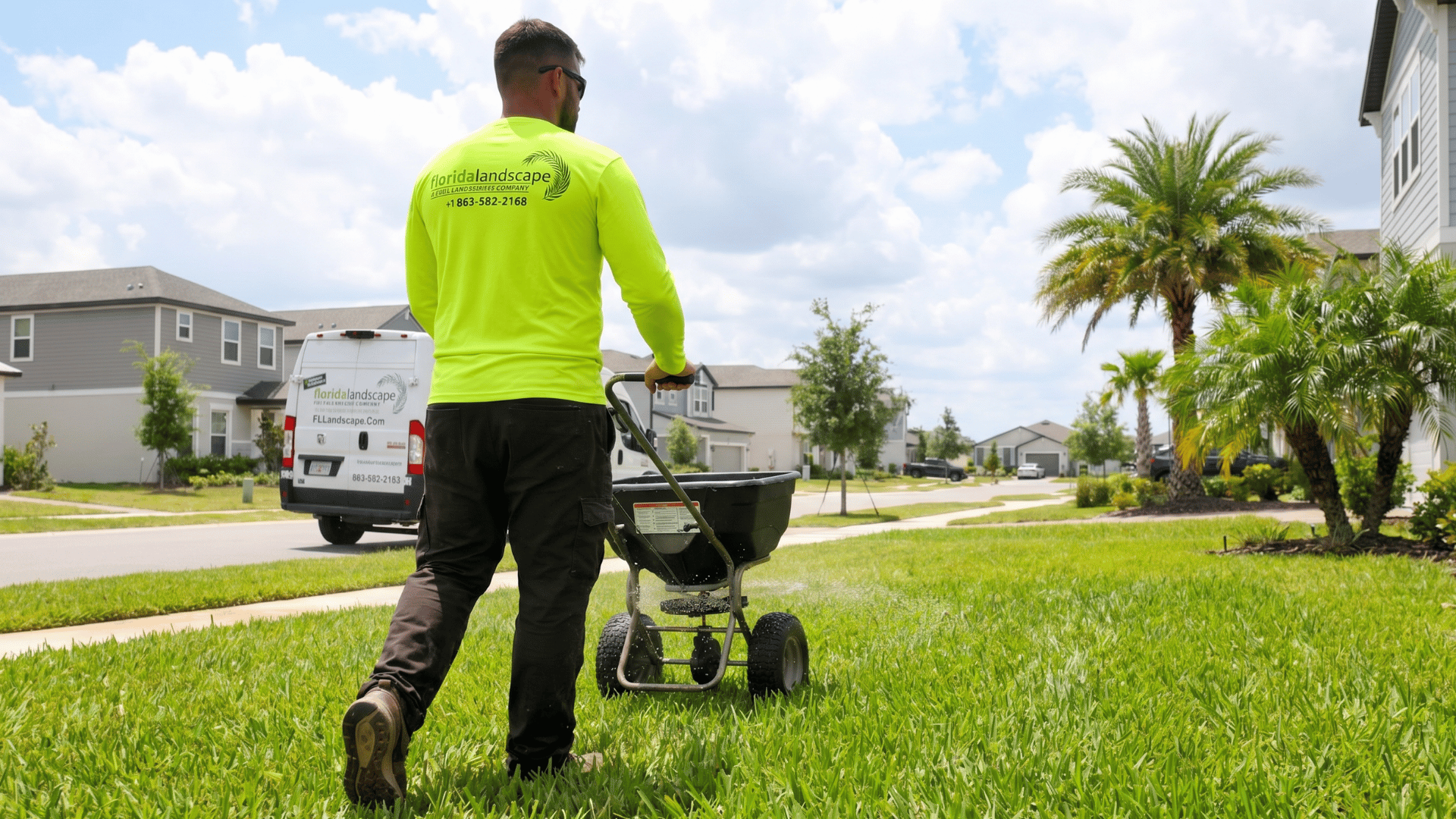
Over 75% of Central Florida homeowners choose St Augustine grass for their lawns, making the right St Augustine grass fertilizer schedule Florida residents use absolutely critical for maintaining healthy, green turf year-round. This warm-season grass thrives in our subtropical climate but requires specific fertilization timing to handle Florida's unique growing conditions.
Understanding when and how to fertilize St Augustine grass in Florida means working with our state's distinct wet and dry seasons. The key is matching your fertilizer applications to the grass's natural growth cycles while avoiding common mistakes that can burn your lawn or promote excessive growth during vulnerable periods.
Understanding St Augustine Grass Growth Patterns in Florida
St Augustine grass follows predictable growth patterns in Central Florida's climate. Active growing season runs from March through October, with peak growth occurring during the rainy months of May through September.
During winter months (November through February), St Augustine enters semi-dormancy. Growth slows dramatically, and the grass requires minimal fertilization. This dormant period is crucial for the plant to conserve energy and prepare for spring's vigorous growth.
The grass begins showing new growth in March as soil temperatures consistently reach 65°F. By April, photosynthesis and nutrient uptake increase significantly, making this the ideal time to begin your fertilization program.
Essential Fertilizer Types for St Augustine Grass
The most effective fertilizers for St Augustine grass in Florida contain a 15-0-15 or similar ratio. This nitrogen-phosphorus-potassium balance supports steady growth without promoting excessive top growth that makes the grass vulnerable to disease.
Slow-release granular fertilizers work best for St Augustine grass. These products feed the grass gradually over 6-8 weeks, reducing the risk of fertilizer burn and providing consistent nutrition. Quick-release fertilizers can cause rapid growth spurts that stress the grass during Florida's intense summer heat.
Iron supplements become essential during summer months when St Augustine grass commonly shows yellowing (chlorosis). Chelated iron applied separately or in combination fertilizers helps maintain the deep green color homeowners expect from healthy St Augustine turf.
Monthly St Augustine Fertilizer Schedule for Florida
• January — Application: No fertilizer — Rate per 1,000 sq ft: - — Notes: Dormant season, avoid feeding
• February — Application: No fertilizer — Rate per 1,000 sq ft: - — Notes: Wait for consistent soil temps above 65°F
• March — Application: 15-0-15 slow-release — Rate per 1,000 sq ft: 1 lb nitrogen — Notes: First application as growth begins
• April — Application: No fertilizer — Rate per 1,000 sq ft: - — Notes: Allow March application to work
• May — Application: 15-0-15 + Iron — Rate per 1,000 sq ft: 1 lb nitrogen — Notes: Peak growing season starts
• June — Application: Iron supplement only — Rate per 1,000 sq ft: 2 lbs iron sulfate — Notes: Address summer yellowing
• July — Application: 15-0-15 slow-release — Rate per 1,000 sq ft: 1 lb nitrogen — Notes: Mid-summer feeding
• August — Application: Iron supplement only — Rate per 1,000 sq ft: 2 lbs iron sulfate — Notes: Maintain green color during heat
• September — Application: 15-0-15 slow-release — Rate per 1,000 sq ft: 0.75 lb nitrogen — Notes: Reduced rate as growth slows
• October — Application: No fertilizer — Rate per 1,000 sq ft: - — Notes: Prepare for dormancy
• November — Application: No fertilizer — Rate per 1,000 sq ft: - — Notes: Dormant season begins
• December — Application: No fertilizer — Rate per 1,000 sq ft: - — Notes: Complete dormancy
Tip: Always water fertilizer in thoroughly after application. Apply 1/4 to 1/2 inch of water immediately to move nutrients into the root zone and prevent fertilizer burn.
Application Timing and Weather Considerations
Timing fertilizer applications around Florida's weather patterns significantly impacts results. Apply fertilizer just before expected rainfall when possible, but avoid applications immediately before heavy storms that can wash nutrients away before absorption.
The best application timing is early morning when dew is present on grass blades. Morning applications allow nutrients to begin absorption before afternoon heat stress occurs. Never fertilize St Augustine grass during drought conditions or when the grass shows signs of heat stress.
During Florida's rainy season (June through September), monitor weekly rainfall totals. If rainfall exceeds 1 inch per week consistently, consider reducing fertilizer rates by 25% to prevent nutrient runoff and excessive growth that increases disease susceptibility. For water-efficient lawn care practices that complement your fertilization schedule, the EPA WaterSense program provides excellent guidance on sustainable irrigation management.
Professional lawn maintenance services track weather patterns and soil conditions to optimize fertilization timing for maximum effectiveness and minimal environmental impact.
Recognizing and Correcting Fertilization Problems
St Augustine grass shows clear signs when fertilization schedules need adjustment. Yellow patches often indicate iron deficiency, especially during summer months when high soil pH reduces iron availability. Dark green, excessively thick growth suggests over-fertilization with nitrogen.
Brown or burned areas typically result from fertilizer application during hot, dry conditions or using quick-release fertilizers at rates too high for Florida's sandy soils. These soils drain quickly and don't hold nutrients well, making over-application easy. The University of Florida IFAS Extension provides detailed soil testing recommendations and nutrient management guidelines specific to Florida's unique soil conditions.
Slow growth or pale color during the active growing season indicates under-fertilization. However, rule out other factors like poor soil drainage, compaction, or pest issues before increasing fertilizer rates. Proper irrigation system installation and maintenance ensures water and nutrients reach the root zone effectively for optimal grass health.
Common Fertilization Mistakes to Avoid
1. Winter fertilization: Applying fertilizer during dormant months (November-February) promotes soft growth vulnerable to cold damage and wastes money since the grass cannot utilize nutrients effectively.
2. Over-applying nitrogen: Excessive nitrogen creates lush growth that attracts pests, increases disease susceptibility, and requires more frequent mowing during hot summer months.
3. Ignoring iron deficiency: Focusing only on nitrogen-phosphorus-potassium while neglecting iron leads to chronically yellow St Augustine grass, especially in alkaline Central Florida soils.
4. Fertilizing stressed grass: Applying fertilizer to drought-stressed, disease-affected, or heat-damaged grass compounds stress and can kill weakened areas.
5. Using quick-release fertilizers: Fast-acting fertilizers cause growth spurts that stress St Augustine grass and increase vulnerability to fungal diseases common in Florida's humid climate.
6. Skipping soil testing: Applying fertilizer without knowing soil pH and nutrient levels often results in nutrient imbalances and poor grass response despite regular feeding. Florida-Friendly Landscaping offers comprehensive resources for proper soil testing and sustainable fertilization practices that protect Florida's water resources.
Frequently Asked Questions
How often should I fertilize St Augustine grass in Florida?
Fertilize St Augustine grass 3-4 times per year in Florida, typically in March, May, July, and September. Add iron supplements in June and August to prevent yellowing. Avoid fertilizing during dormant months from November through February when the grass cannot effectively use nutrients.
What is the best fertilizer ratio for St Augustine grass in Central Florida?
A 15-0-15 or 16-0-8 fertilizer works best for St Augustine grass in Central Florida. These ratios provide adequate nitrogen for growth and potassium for stress tolerance while avoiding excess phosphorus that most Florida soils already contain in sufficient quantities.
Can I fertilize St Augustine grass during the rainy season?
Yes, but reduce application rates by 25% during heavy rainy periods from June through September. Use slow-release fertilizers to minimize nutrient loss from frequent rainfall. Apply fertilizer just before light rain when possible, but avoid applications before heavy storms.
Why does my St Augustine grass turn yellow in summer despite fertilizing?
Summer yellowing in St Augustine grass typically indicates iron deficiency, not lack of nitrogen. Florida's alkaline soils and high temperatures reduce iron availability. Apply iron sulfate or chelated iron supplements separately from regular fertilizer during June and August to maintain green color.
How much fertilizer should I apply per 1,000 square feet of St Augustine grass?
Apply 1 pound of nitrogen per 1,000 square feet for each application during peak growing season (March, May, July). Reduce to 0.75 pounds nitrogen per 1,000 square feet in September as grass growth slows. Always follow product label instructions for specific fertilizer concentrations.
Should I fertilize new St Augustine sod differently than established grass?
New St Augustine sod requires lighter, more frequent applications for the first 6-8 weeks after installation. Use a starter fertilizer with phosphorus initially, then transition to the standard maintenance schedule once roots are established. Avoid heavy nitrogen applications that can burn new sod roots. Professional sod installation services provide detailed fertilization schedules specific to newly installed grass to ensure proper establishment and long-term health.
Florida Landscape Co. offers professional lawn maintenance and sod installation services across Central Florida. Get a free quote today.

Get your free quote and expert advice today.
Ready to transform your garden? Get in touch with our expert team today for a free consultation and personalized plan.




Frequently Asked Questions
When should I start fertilizing St Augustine grass in Central Florida?

Begin fertilizing your St Augustine grass in Central Florida in early March when soil temperatures consistently reach 65°F and the grass starts showing new growth. This timing aligns with Florida's growing season and ensures your lawn gets nutrients when it can best utilize them. Florida Landscape Co. recommends soil testing before your first application to determine specific nutrient needs.
How often should I fertilize St Augustine grass during Florida's growing season?
St Augustine grass should be fertilized every 6-8 weeks during the active growing season from March through October in Central Florida. Apply fertilizer 4-6 times per year, with the heaviest feeding in late spring and early summer when growth is most vigorous. Reduce frequency during Florida's cooler months when grass growth naturally slows.
What type of fertilizer works best for St Augustine grass in Florida's sandy soil?
Use a slow-release fertilizer with a 3-1-2 or 4-1-2 NPK ratio specifically formulated for Florida's sandy soils and St Augustine grass. Look for fertilizers containing iron and micronutrients to prevent common deficiencies in Central Florida. Florida Landscape Co. often recommends fertilizers with at least 30% slow-release nitrogen to provide consistent feeding and reduce leaching.
Should I stop fertilizing St Augustine grass during Florida's rainy season?
Continue your regular fertilization schedule during Florida's rainy season (June-September), but monitor weather forecasts and avoid applying fertilizer immediately before heavy rains. Use slow-release fertilizers to minimize nutrient runoff and consider splitting applications into smaller amounts during this period. If your area experiences extended wet periods, delay application until conditions improve.
Can I fertilize St Augustine grass during Florida's winter months?
Avoid fertilizing St Augustine grass from November through February in Central Florida when the grass is dormant or semi-dormant. Winter fertilization can stimulate tender growth that's susceptible to cold damage and waste nutrients since the grass isn't actively growing. Resume fertilization in early March when temperatures warm and new growth appears.

