
.webp)
Sprinkler Head Not Working: When to Replace vs. Repair in 2026
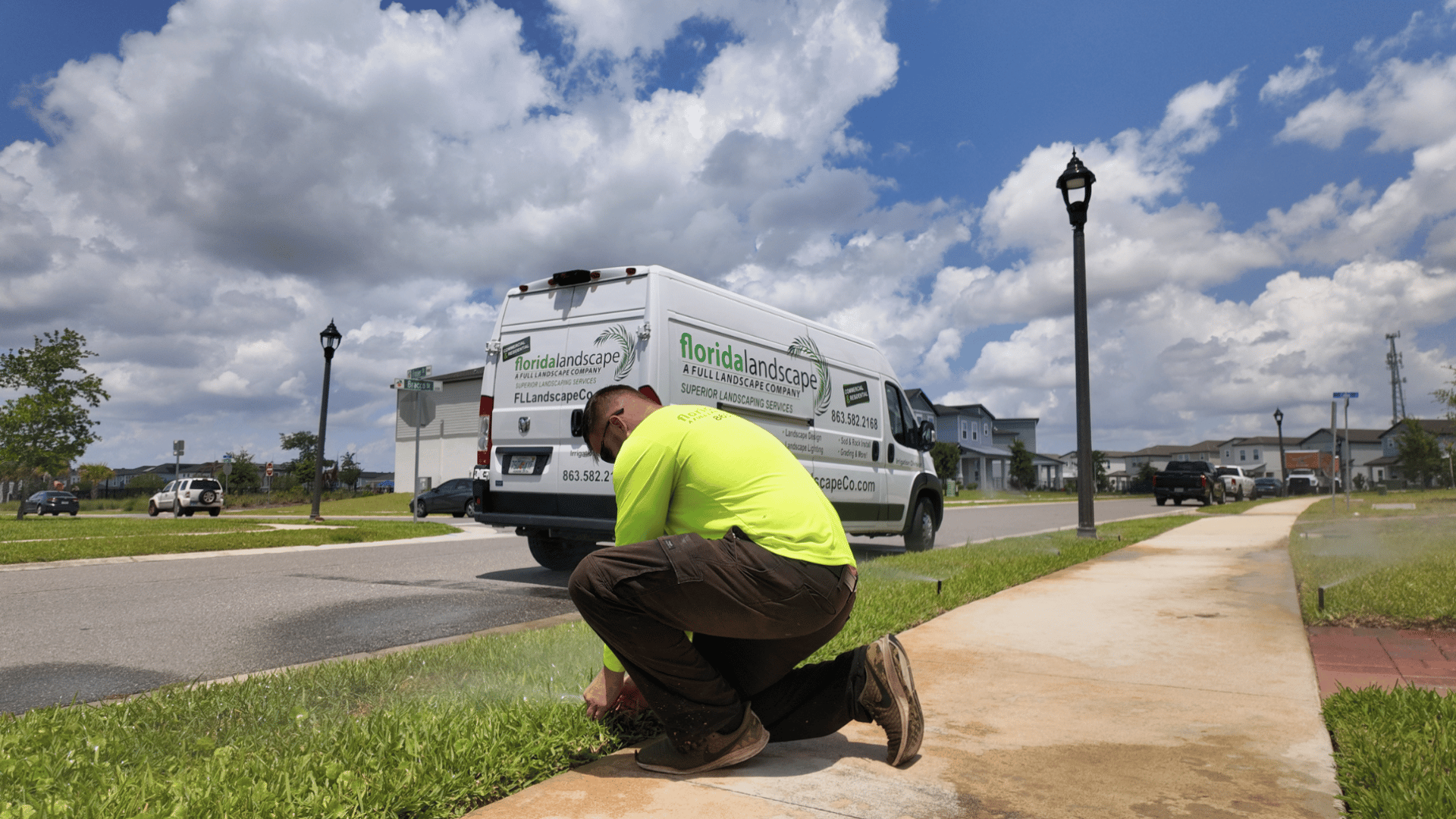
Over 40% of irrigation problems stem from faulty sprinkler heads, making them the most common culprit when your lawn develops dry patches or uneven watering. When a sprinkler head not working issue occurs, determining whether to repair or replace the component can save you time, money, and prevent further damage to your irrigation system.
Understanding the difference between a simple adjustment and a full replacement helps you make informed decisions about your irrigation system's health. The wrong choice can lead to water waste, dead grass, or expensive system-wide repairs down the road.
Clear Signs Your Sprinkler Head Needs Replacement
Physical damage to the sprinkler head body indicates replacement is necessary rather than repair. Cracked casings, broken risers, or heads that won't retract properly after watering cycles signal structural failure that can't be fixed with adjustments.
Inconsistent spray patterns that persist after cleaning suggest internal component wear. When heads produce uneven arcs, create puddles instead of even coverage, or fail to rotate through their full range, the internal mechanisms have likely worn beyond repair.
Age plays a significant role in replacement decisions. Sprinkler heads typically last 10-15 years in Central Florida's harsh conditions, with constant sun exposure and sandy soil accelerating wear. Heads approaching or exceeding this timeframe often develop multiple issues simultaneously, making replacement more cost-effective than repeated repairs.
When Simple Repairs Can Fix the Problem
Clogged nozzles represent the most common repairable issue with sprinkler heads. Florida's sandy soil and organic debris frequently block spray openings, reducing water flow and creating dry spots. Cleaning these blockages often restores full function without replacement, and proper irrigation maintenance can help prevent these issues as outlined by the UF IFAS Extension irrigation troubleshooting guide.
Misaligned heads that spray sidewalks, driveways, or neighboring properties usually need only adjustment. This problem occurs when lawn mowers hit heads, settling soil shifts positions, or installation wasn't perfectly aligned initially.
Low water pressure affecting multiple heads simultaneously typically indicates a zone valve problem rather than individual head failure. Professional diagnosis can determine whether the issue stems from valve malfunction, pipe leaks, or system pressure problems that affect entire zones.
Pressure Problems vs. Individual Head Failure
System-wide low pressure affects all heads in a zone equally, producing weak spray patterns across the entire watering area. This indicates problems with the main water supply, zone valves, or significant pipe leaks rather than individual head issues.
Individual head failure shows isolated problems while adjacent heads function normally. Single heads that don't pop up, spray weakly, or create uneven patterns while others work properly need individual attention or replacement.
Professional irrigation technicians can distinguish between pressure issues and head failure through systematic testing. Our irrigation installation and repair services include comprehensive system diagnostics to identify root causes rather than treating symptoms.
DIY Limits and When to Call Professionals
Homeowner maintenance should focus on surface cleaning and minor adjustments. Removing debris from nozzles, adjusting spray direction, and checking for obvious damage falls within safe DIY territory for most property owners.
Underground work requires professional expertise and proper tools. Digging around heads, replacing risers, or addressing pipe connections can damage surrounding pipes or create bigger problems without proper knowledge and equipment.
Electrical components in modern irrigation systems need professional handling. Smart controllers, rain sensors, and automated zone programming require technical knowledge to avoid damaging expensive control systems during head replacement or repair.
Cost Considerations for Replacement vs. Repair
Basic sprinkler head replacement costs $15-50 per head for standard pop-up units, while specialty heads like rotors or drip emitters range higher. Labor costs for professional installation typically add $25-75 per head depending on accessibility and soil conditions.
Repeated repairs on aging heads often exceed replacement costs within 2-3 service calls. When heads require frequent adjustments, cleaning, or parts replacement, investing in new heads provides better long-term value and reliability.
System efficiency improvements with newer head technology can reduce water bills significantly. Modern heads offer better coverage patterns, reduced water waste, and improved durability compared to heads installed 10+ years ago. The EPA WaterSense program certifies efficient sprinkler heads that can help reduce water consumption by up to 20% while maintaining proper coverage.
• Clogged nozzle — Repair Cost: $25-50 — Replacement Cost: $40-125 — Best Solution: Repair first
• Cracked body — Repair Cost: Not possible — Replacement Cost: $40-125 — Best Solution: Replace immediately
• Poor spray pattern — Repair Cost: $25-75 — Replacement Cost: $40-125 — Best Solution: Try repair, replace if recurring
• Won't retract — Repair Cost: $50-100 — Replacement Cost: $40-125 — Best Solution: Usually needs replacement
Common Mistakes to Avoid
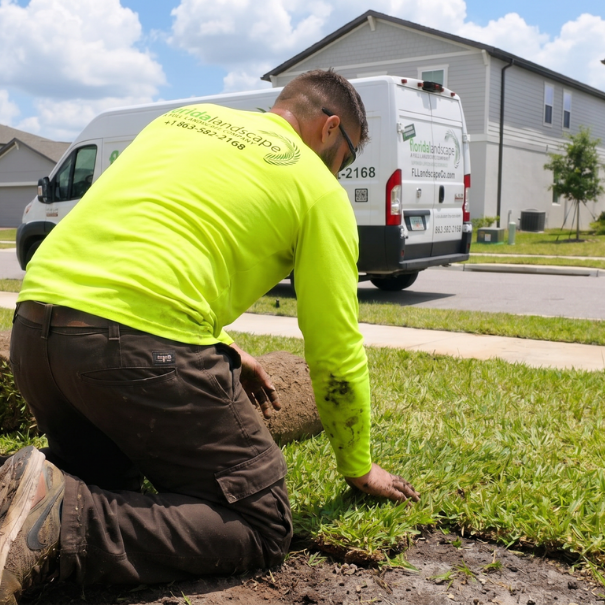
1. Ignoring surrounding dry spots: Dead grass around a malfunctioning head often indicates the problem has existed longer than visible, requiring soil treatment along with head replacement. In severe cases, professional sod installation may be necessary to restore damaged lawn areas.
2. Replacing heads without checking water pressure: New heads won't function properly if underlying pressure problems aren't addressed first, leading to recurring issues.
3. Using mismatched head types: Mixing different spray rates or coverage patterns in the same zone creates uneven watering and potential overwatering or drought stress. The Florida-Friendly Landscaping irrigation guidelines provide detailed information on proper head selection and zone planning.
4. Attempting underground repairs without proper tools: Digging around irrigation lines with inappropriate equipment can damage pipes, electrical connections, or create costly system failures.
5. Delaying replacement of obviously damaged heads: Broken heads waste water, create muddy areas, and can damage surrounding landscape while increasing utility bills unnecessarily.
6. Replacing individual heads without system evaluation: Single head problems sometimes indicate broader system issues that will affect new heads if not addressed comprehensively.
Tip: Professional irrigation system evaluation can identify multiple potential problems before they cause visible damage, saving money on emergency repairs and water waste.
Frequently Asked Questions
How long do sprinkler heads typically last in Central Florida?
Most sprinkler heads last 10-15 years in Central Florida's climate, though exposure to direct sunlight, sandy soil, and frequent use can shorten this lifespan. High-quality heads with UV-resistant materials tend to last longer than basic models.
Can I replace just one sprinkler head or do I need to replace the whole zone?
You can replace individual heads, but ensure the new head matches the precipitation rate and coverage pattern of existing heads in that zone. Mismatched heads create uneven watering that can damage your landscape.
Why does my sprinkler head work sometimes but not others?
Intermittent sprinkler head operation usually indicates internal mechanism wear, debris that shifts with water pressure, or electrical connection problems with the zone valve. This typically requires professional diagnosis to identify the root cause.
What causes sprinkler heads to sink into the ground?
Heads sink due to soil settling, inadequate initial installation depth, or damage to the riser pipe below ground. This problem requires excavation and proper reinstallation to prevent recurring issues and ensure proper spray coverage.
How much water does a broken sprinkler head waste?
A single broken sprinkler head can waste 200-500 gallons per hour depending on water pressure and the type of damage. Multiply this by your irrigation runtime to calculate daily waste, which can significantly increase water bills if not addressed quickly.
Should I turn off my irrigation system if one head isn't working?
You don't need to shut down the entire system for one malfunctioning head, but you should address the problem promptly to prevent landscape damage. Consider hand-watering the affected area until repairs are completed to maintain proper lawn health and maintenance.
Florida Landscape Co. offers professional irrigation repair and lawn maintenance services across Central Florida. Get a free quote today.

Get your free quote and expert advice today.
Ready to transform your garden? Get in touch with our expert team today for a free consultation and personalized plan.




Irrigation FAQs
How long do sprinkler heads typically last in Central Florida?

Most sprinkler heads last 10-15 years in Central Florida's climate, though exposure to direct sunlight, sandy soil, and frequent use can shorten this lifespan. High-quality heads with UV-resistant materials tend to last longer than basic models.
Can I replace just one sprinkler head or do I need to replace the whole zone?
You can replace individual heads, but ensure the new head matches the precipitation rate and coverage pattern of existing heads in that zone. Mismatched heads create uneven watering that can damage your landscape.
Why does my sprinkler head work sometimes but not others?
Intermittent sprinkler head operation usually indicates internal mechanism wear, debris that shifts with water pressure, or electrical connection problems with the zone valve. This typically requires professional diagnosis to identify the root cause.
What causes sprinkler heads to sink into the ground?
Heads sink due to soil settling, inadequate initial installation depth, or damage to the riser pipe below ground. This problem requires excavation and proper reinstallation to prevent recurring issues and ensure proper spray coverage.
How much water does a broken sprinkler head waste?
A single broken sprinkler head can waste 200-500 gallons per hour depending on water pressure and the type of damage. Multiply this by your irrigation runtime to calculate daily waste, which can significantly increase water bills if not addressed quickly.

