.webp)
Native Florida Plants for Landscaping: Best Species for 2026
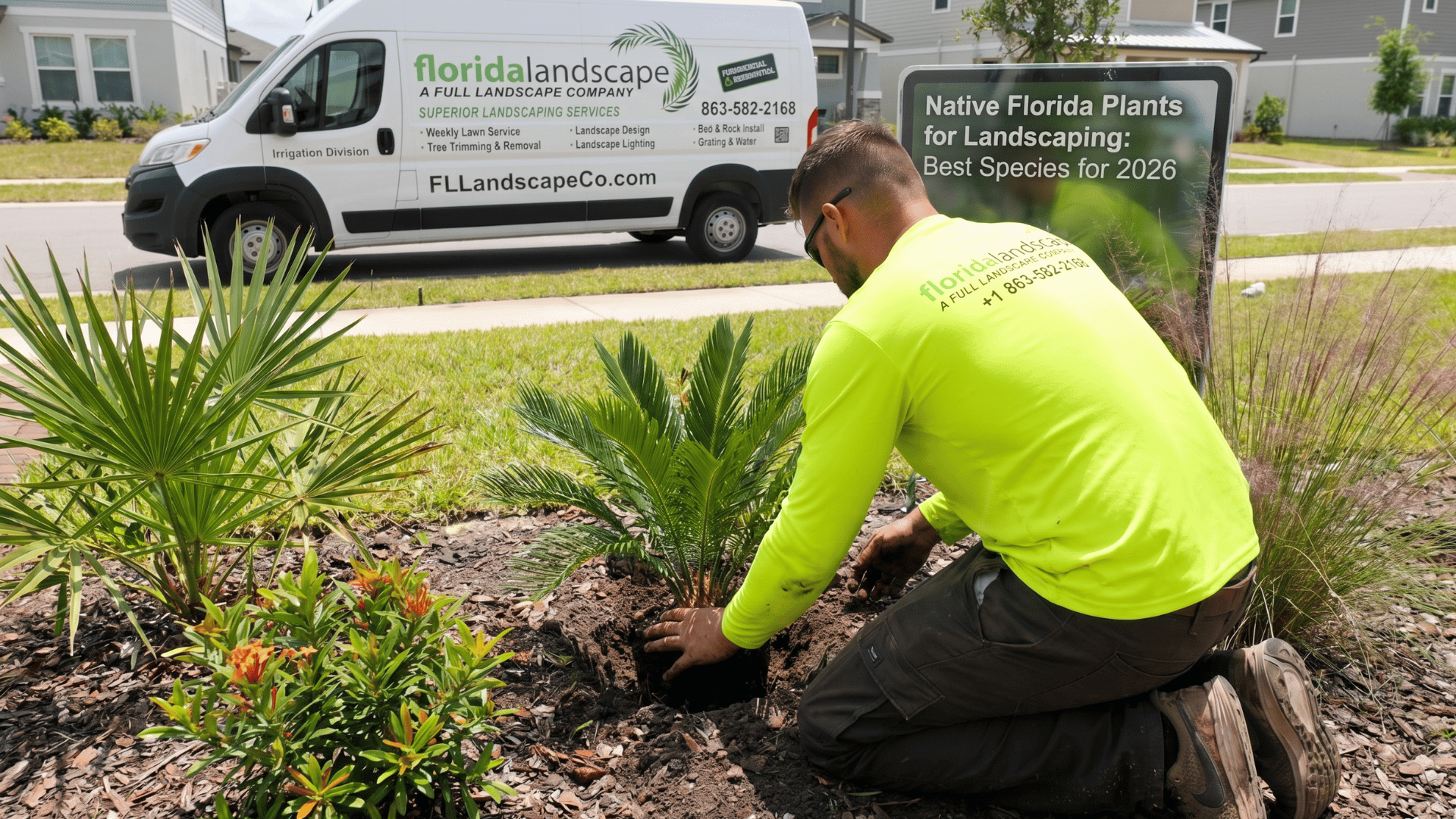
Over 3,000 native plant species call Florida home, making native Florida plants for landscaping one of the smartest choices for Central Florida homeowners. These naturally adapted species require less water, fertilizer, and maintenance while providing year-round beauty and supporting local wildlife ecosystems.
Native plants have evolved over thousands of years to thrive in Florida's unique climate conditions. They're naturally resistant to local pests, diseases, and weather extremes that challenge non-native species.
The Florida-Friendly Landscaping program strongly encourages using native plants as the foundation of sustainable landscape designs. This approach reduces maintenance costs, conserves water, and creates healthier outdoor spaces for both homeowners and wildlife.
Top Native Florida Plants for Foundation Landscaping
Firebush (Hamelia patens) stands out as one of the most versatile native shrubs for Central Florida landscapes. This fast-growing plant produces bright orange-red tubular flowers that bloom almost year-round, attracting hummingbirds and butterflies while requiring minimal care.
Firebush thrives in full sun to partial shade and tolerates both wet and dry soil conditions. It typically grows 4-8 feet tall and wide, making it perfect for foundation plantings, hedges, or specimen features.
American Beautyberry (Callicarpa americana) offers stunning seasonal interest with clusters of bright purple berries that appear in fall. This deciduous shrub grows 4-6 feet tall and provides food for over 40 bird species while requiring virtually no maintenance once established.
The berries persist through winter, providing food when other sources are scarce. Beautyberry prefers partial shade but adapts to various light conditions and soil types common in Central Florida.
Coontie (Zamia integrifolia) serves as Florida's only native cycad and one of the most drought-tolerant plants available. This prehistoric-looking plant features glossy, palm-like fronds and grows slowly to 2-3 feet tall and wide.
Coontie thrives in deep shade to full sun and requires no supplemental watering once established. It's the only host plant for the endangered Atala butterfly, making it valuable for wildlife conservation efforts.
Native Grasses and Groundcovers
Muhly Grass (Muhlenbergia capillaris) creates spectacular fall displays with clouds of pink-purple seed heads that glow in morning and evening light. This clumping grass grows 2-3 feet tall and provides year-round structure in landscape beds.
Muhly grass tolerates drought, salt spray, and poor soils while requiring no fertilizer or pest control. It's perfect for mass plantings, borders, or accent features in contemporary landscape designs.
Sunshine Mimosa (Mimosa strigillosa) forms a dense, low-growing groundcover that produces delicate pink powder-puff flowers throughout the warm months. This nitrogen-fixing legume improves soil health while providing habitat for beneficial insects.
The plant spreads naturally to fill areas and requires no mowing or regular maintenance. It thrives in full sun and sandy soils typical of Central Florida developments.
Beach Sunflower (Helianthus debilis) creates cheerful yellow blooms from spring through fall while forming a salt-tolerant groundcover. This fast-spreading perennial works well in coastal areas or anywhere drainage is excellent.
Native Trees for Shade and Structure
Live Oak (Quercus virginiana) represents Florida's most iconic native tree, providing massive shade canopies that can span 80+ feet. These long-lived trees support over 500 species of butterflies and moths while creating natural cooling for homes and landscapes.
Live oaks grow moderately fast when young and become extremely drought-tolerant once established. They're perfect for large residential lots, HOA common areas, and commercial properties seeking long-term landscape investments.
Bald Cypress (Taxodium distichum) thrives in wet areas where other trees struggle, making it ideal for low-lying lots or areas with seasonal flooding. This deciduous conifer provides beautiful fall color before dropping its needles in winter.
Cypress trees can live for centuries and adapt to both wet and dry conditions. They're excellent choices for retention ponds, lakefront properties, or anywhere dramatic vertical interest is desired.
If you're planning a landscape renovation that incorporates these native species, our landscape design and installation services can help you create a cohesive plan that maximizes both beauty and ecological benefits while reducing long-term maintenance requirements.
Simpson's Stopper (Myrcianthes fragrans) offers year-round interest as a small native tree or large shrub. It produces fragrant white flowers followed by orange-red berries that wildlife loves, while the glossy evergreen foliage provides consistent backdrop color.
This versatile plant tolerates salt spray, drought, and various soil conditions while growing 10-15 feet tall. It works well as a privacy screen, specimen tree, or foundation planting in formal landscape designs.
Flowering Native Plants for Color
Wild Bergamot (Monarda fistulosa) produces clusters of lavender flowers that attract butterflies, bees, and hummingbirds throughout summer. This aromatic perennial grows 2-4 feet tall and spreads naturally to form colonies in sunny areas.
The plant's mint-scented foliage deters deer while providing natural pest control benefits. Wild bergamot thrives in average to poor soils and requires no supplemental watering once established.
Blanket Flower (Gaillardia pulchella) creates continuous color with yellow and orange daisy-like blooms from spring through fall. This drought-tolerant annual reseeds readily, providing natural succession in wildflower areas or informal garden beds.
The flowers attract beneficial insects while providing cut flowers for indoor arrangements. Blanket flower thrives in sandy soils and full sun conditions common throughout Central Florida.
Coral Honeysuckle (Lonicera sempervirens) climbs trellises, fences, or trees while producing tubular red flowers that hummingbirds prefer. Unlike invasive Japanese honeysuckle, this native vine provides wildlife benefits without aggressive spreading.
Common Mistakes When Using Native Plants
1. Overwatering established plants: Native plants adapt to local rainfall patterns and often suffer from too much irrigation once their root systems develop.
2. Adding excessive fertilizer: Most native plants evolved in nutrient-poor soils and can become leggy or susceptible to pests when over-fertilized with traditional lawn fertilizers.
3. Planting the wrong species for site conditions: Even native plants have specific requirements for sun, shade, moisture, and soil type that must match your landscape conditions.
4. Expecting immediate full-size appearance: Many native plants grow slowly initially as they develop extensive root systems before putting energy into above-ground growth.
5. Mixing natives with high-maintenance exotics: Combining native plants with non-natives that require frequent watering and fertilizing creates conflicting maintenance schedules.
6. Ignoring seasonal appearance changes: Some native plants have natural dormancy periods or seasonal variations that inexperienced gardeners might mistake for plant failure.
Benefits of Native Plant Landscaping
Water conservation represents one of the primary advantages of native Florida plants for landscaping. Florida-Friendly Landscaping research shows that native plant gardens can reduce irrigation needs by 50-75% compared to traditional exotic plantings.
Native plants support local wildlife ecosystems by providing food sources and habitat that co-evolved with Florida's birds, butterflies, and beneficial insects. A single native oak tree can support over 500 species of moths and butterflies, while exotic trees typically support fewer than 10 species.
Maintenance requirements drop significantly with native plantings. These plants naturally resist local pests and diseases, reducing or eliminating the need for pesticides and fungicides. They also adapt to local soil conditions without requiring soil amendments or frequent fertilization.
Property values benefit from well-designed native landscapes that provide year-round interest and curb appeal. University of Florida research indicates that mature native plant landscapes often increase property values more than traditional exotic plantings due to their sustainability and unique character.
Our HOA and commercial landscaping services frequently incorporate native plant designs for communities seeking reduced maintenance costs and improved environmental compliance with local regulations.
Planning Your Native Plant Landscape
Site analysis forms the foundation of successful native plant selection. Evaluate your property's sun exposure patterns, drainage characteristics, and existing soil conditions before choosing specific species. Different areas of your landscape may require different native plants based on these varying conditions.
Seasonal interest planning ensures year-round appeal in your native landscape. Combine plants with different bloom times, fruiting periods, and foliage changes to create continuous visual interest throughout Florida's growing season.
Wildlife corridors benefit both your landscape and local ecosystems. Connect your native plantings to existing natural areas or neighboring native landscapes to create movement paths for birds, butterflies, and beneficial insects.
Professional installation ensures proper plant placement, soil preparation, and establishment care that maximizes your investment in native landscaping. Our landscape design team specializes in creating native plant gardens that thrive in Central Florida's unique growing conditions.
Frequently Asked Questions
How much does native plant landscaping cost compared to traditional plants?
Native plant installation costs range from $3-8 per square foot, similar to exotic plantings. However, long-term costs are significantly lower due to reduced water, fertilizer, and pest control requirements. Most homeowners see 30-50% reduction in landscape maintenance costs within the first year.
Do native Florida plants look wild or unkempt?
Modern native plant landscapes can be designed in formal, contemporary, or naturalistic styles. Professional design and proper plant selection create polished appearances that meet HOA standards while providing native plant benefits. Many native species have compact, refined growth habits perfect for formal landscapes.
When is the best time to plant native species in Central Florida?
Fall through early spring (October through March) provides optimal planting conditions for most native plants. This timing allows root establishment during cooler months before summer heat and rain cycles begin. Some species can be planted year-round with proper irrigation during establishment.
Will native plants attract unwanted wildlife like snakes or rodents?
Native plants primarily attract beneficial wildlife like birds, butterflies, and pollinators. Proper landscape design with adequate spacing and maintenance prevents dense cover that might harbor unwanted wildlife. Native plants actually support natural predator-prey relationships that help control pest populations.
How long does it take for native plants to become established?
Most native plants establish root systems within 6-12 months but may take 2-3 years to reach full size and flowering potential. This establishment period requires some supplemental watering and care, but maintenance needs drop significantly once plants are established.
Can I mix native plants with existing non-native landscaping?
Yes, native plants can be gradually integrated into existing landscapes through selective replacement or addition to existing beds. Start with areas that match native plant requirements, then expand over time. This approach allows you to experience native plant benefits while spreading renovation costs across multiple seasons.
Florida Landscape Co. offers professional landscape design and lawn maintenance services across Central Florida. Get a free quote today.

Get your free quote and expert advice today.
Ready to transform your garden? Get in touch with our expert team today for a free consultation and personalized plan.



Frequently Asked Questions
How much does native plant landscaping cost compared to traditional plants?

Native plant installation costs range from $3-8 per square foot, similar to exotic plantings. However, long-term costs are significantly lower due to reduced water, fertilizer, and pest control requirements. Most homeowners see 30-50% reduction in landscape maintenance costs within the first year.
Do native Florida plants look wild or unkempt?
Modern native plant landscapes can be designed in formal, contemporary, or naturalistic styles. Professional design and proper plant selection create polished appearances that meet HOA standards while providing native plant benefits. Many native species have compact, refined growth habits perfect for formal landscapes.
When is the best time to plant native species in Central Florida?
Fall through early spring (October through March) provides optimal planting conditions for most native plants. This timing allows root establishment during cooler months before summer heat and rain cycles begin. Some species can be planted year-round with proper irrigation during establishment.
Will native plants attract unwanted wildlife like snakes or rodents?
Native plants primarily attract beneficial wildlife like birds, butterflies, and pollinators. Proper landscape design with adequate spacing and maintenance prevents dense cover that might harbor unwanted wildlife. Native plants actually support natural predator-prey relationships that help control pest populations.
How long does it take for native plants to become established?
Most native plants establish root systems within 6-12 months but may take 2-3 years to reach full size and flowering potential. This establishment period requires some supplemental watering and care, but maintenance needs drop significantly once plants are established.

