.webp)
Low Maintenance Landscaping Ideas Florida Homeowners Love
Florida homeowners spend an average of 75% more on landscape maintenance than northern states due to year-round growing seasons and intense weather conditions. Low maintenance landscaping ideas Florida residents can implement help reduce this burden while creating beautiful, sustainable outdoor spaces that thrive in the Sunshine State's unique climate.
The key to successful low maintenance landscaping in Florida lies in working with the environment rather than against it. By selecting drought-tolerant plants, using proper mulching techniques, and incorporating hardscape elements, you can dramatically reduce watering, pruning, and replacement costs while maintaining curb appeal year-round.
Native Florida Plants That Require Minimal Care
Native plants are the foundation of any low maintenance Florida landscape because they've evolved to thrive in local conditions. These plants require less water, fertilizer, and pest control than non-native alternatives. The University of Florida IFAS Extension recommends native species as the most sustainable choice for Florida landscapes.
Coontie (Zamia integrifolia) serves as an excellent low-growing foundation plant that tolerates both drought and flooding. This native cycad produces attractive orange seeds and requires virtually no maintenance once established.
Firebush (Hamelia patens) offers year-round color with orange-red tubular flowers that attract butterflies and hummingbirds. It grows 4-8 feet tall and wide, requiring only occasional pruning to maintain shape.
Simpson's Stopper (Myrcianthes fragrans) works perfectly as a hedge or specimen plant, producing small white flowers followed by red berries. This native shrub tolerates salt spray, making it ideal for coastal areas.
Tip: Plant natives in fall when temperatures cool and rainfall increases, giving them time to establish strong root systems before summer heat arrives.
Strategic Mulching for Year-Round Ground Coverage
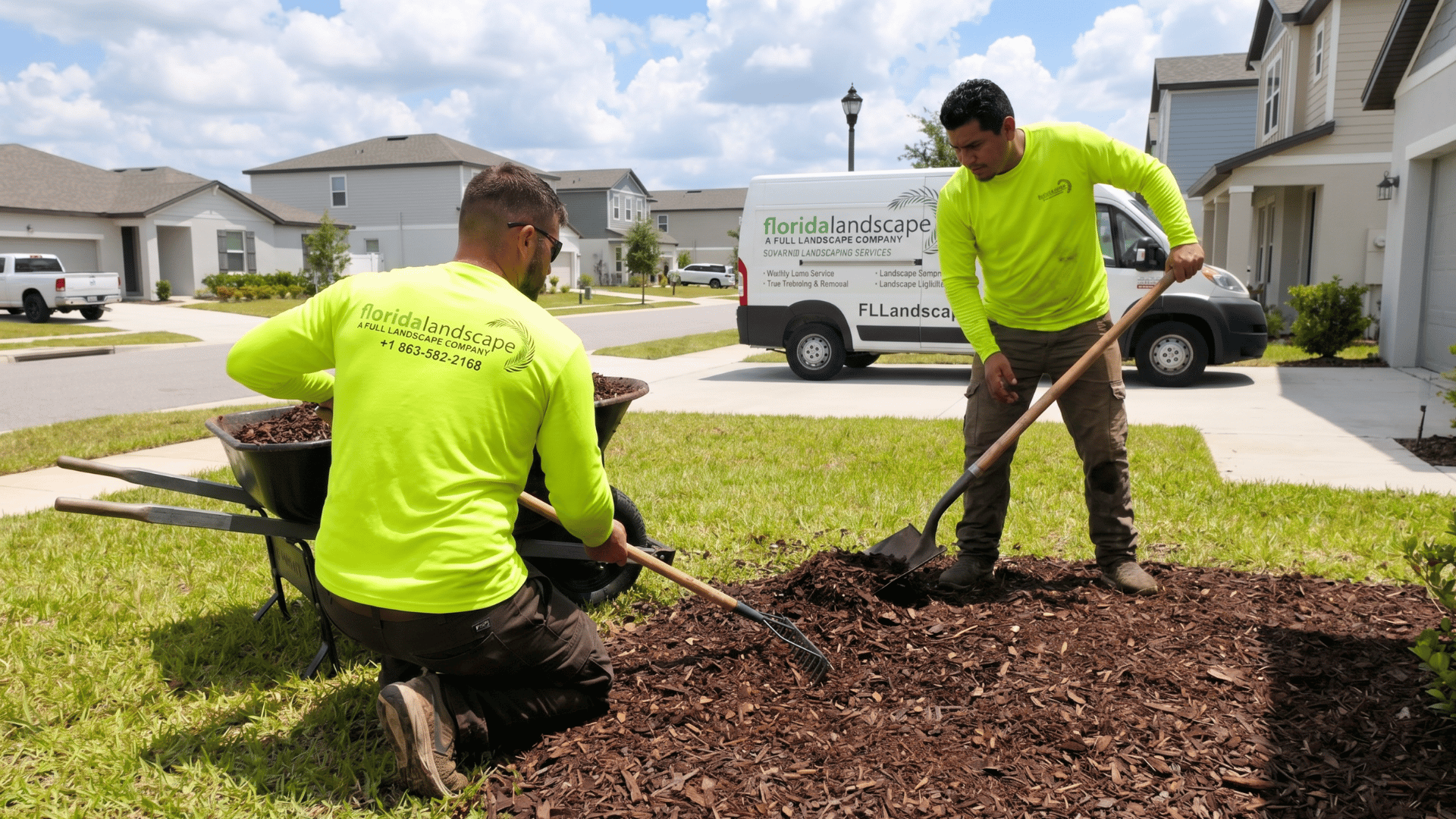
Proper mulching is one of the most effective low maintenance landscaping strategies for Florida gardens. Quality mulch suppresses weeds, retains moisture, and moderates soil temperature fluctuations that stress plants.
Cypress mulch remains the gold standard for Florida landscapes due to its longevity and natural pest-deterrent properties. Apply a 2-3 inch layer around plants, keeping mulch 2-3 inches away from plant stems to prevent fungal issues.
Pine bark mulch breaks down more quickly than cypress but adds organic matter to sandy soils. This mulch works particularly well around acid-loving plants like azaleas and blueberries.
Living mulch options like Beach Sunflower (Helianthus debilis) or Sunshine Mimosa (Mimosa strigillosa) provide permanent ground coverage that eliminates the need for mulch replacement. These low-growing natives spread naturally and require minimal water once established.
Mulch TypeLongevityBest UseCost RangeCypress2-3 yearsGeneral landscaping$35-45/yardPine Bark1-2 yearsAcid-loving plants$25-35/yardRubber Mulch10+ yearsPlay areas, pathways$60-80/yardLiving MulchPermanentLarge areas$2-4/plant
Rock Gardens and Hardscape Elements
Incorporating rock gardens and hardscape features creates visual interest while eliminating maintenance requirements associated with traditional plant beds. These elements work particularly well in Florida's sandy soil conditions.
River rock beds surrounded by drought-tolerant plants like Agave or Yucca create striking focal points that require zero watering or pruning. Use landscape fabric beneath rocks to prevent weed growth.
Decomposed granite pathways provide stable walking surfaces that complement both modern and traditional landscape styles. This material compacts naturally and requires only occasional refreshing.
Raised planters using natural stone or concrete blocks improve drainage while reducing bending required for plant maintenance. Fill these planters with quality soil mix and drought-tolerant perennials for best results.
Consider working with professional landscape design and installation services to create cohesive hardscape plans that integrate seamlessly with your home's architecture and existing landscape features.
Drought-Tolerant Ground Covers
Ground covers eliminate the need for traditional turf grass in areas where foot traffic is minimal. These plants spread naturally to create dense mats that suppress weeds and require minimal irrigation.
Beach Sunflower (Helianthus debilis) produces bright yellow flowers nearly year-round while tolerating salt, drought, and poor soils. This native ground cover spreads rapidly and attracts beneficial pollinators.
Dune Sunflower (Helianthus debilis) offers similar benefits with slightly more compact growth habit. Both varieties work excellently for large areas requiring low maintenance coverage.
Wedelia (Sphagneticola trilobata) provides dense, dark green coverage with small yellow flowers. While not native, this plant tolerates extreme conditions and requires cutting back only once or twice yearly.
Note: Establish ground covers during cooler months and provide supplemental water for the first 6-8 weeks until root systems develop adequately.
Smart Irrigation Solutions
Even low maintenance landscapes benefit from efficient irrigation systems that deliver water precisely when and where needed. Modern irrigation technology reduces both water waste and maintenance requirements, and EPA WaterSense certified controllers can reduce outdoor water use by up to 20%.
Drip irrigation systems deliver water directly to plant root zones, reducing evaporation losses by up to 50% compared to overhead sprinklers. These systems work particularly well for shrub beds and vegetable gardens.
Smart irrigation controllers adjust watering schedules based on weather conditions, soil moisture, and plant requirements. Many models connect to smartphone apps for remote monitoring and control.
Rain sensors prevent irrigation systems from running during and immediately after rainfall, reducing water waste and preventing overwatering that can stress plants.
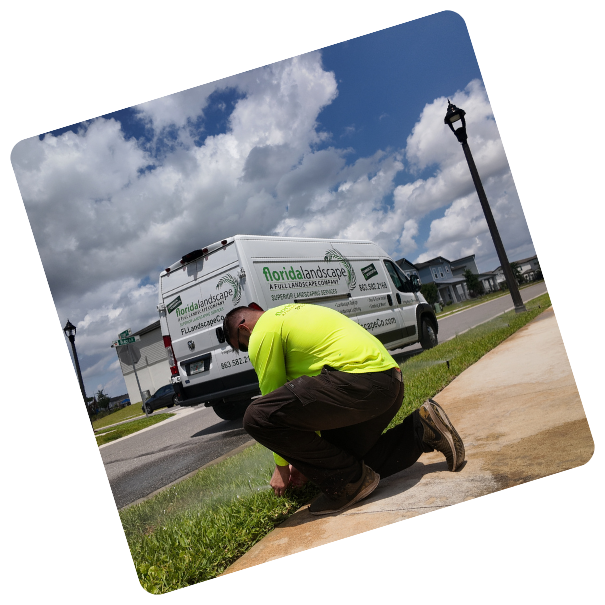
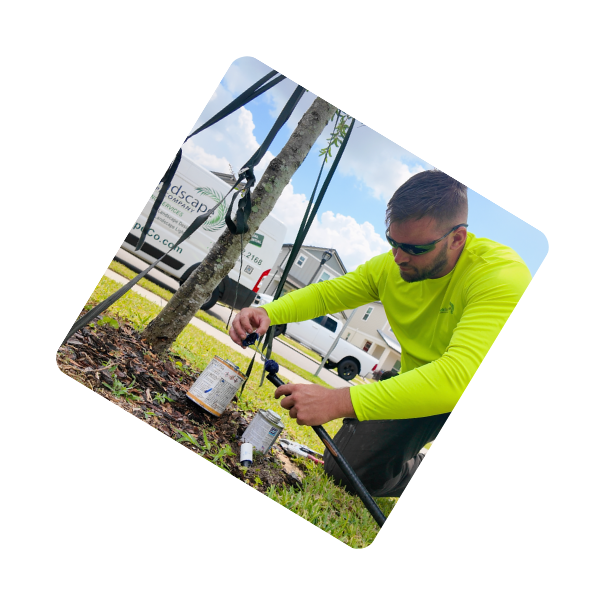
Professional irrigation installation and repair services ensure systems operate efficiently and provide proper coverage for all landscape areas.
Common Mistakes to Avoid
1. Overplanting: Cramming too many plants into small spaces creates competition for resources and increases maintenance requirements as plants outgrow their allocated space.
2. Ignoring mature plant sizes: Failing to research mature plant dimensions leads to overcrowding and the need for frequent pruning to maintain proper proportions.
3. Using inappropriate mulch depths: Applying mulch too thickly (over 4 inches) can prevent water and air from reaching plant roots, while insufficient mulch (under 2 inches) provides inadequate weed suppression.
4. Mixing high and low water plants: Grouping plants with different watering requirements in the same irrigation zone leads to overwatering some plants while underwatering others.
5. Neglecting soil preparation: Planting directly in poor native sand without soil amendments forces plants to struggle, increasing long-term maintenance requirements and replacement costs.
6. Choosing the wrong grass type: Installing St. Augustine or other high-maintenance grasses in areas better suited to ground covers or hardscape creates unnecessary ongoing maintenance burdens.
Seasonal Maintenance Tips
Even low maintenance landscapes require some seasonal attention to perform optimally throughout Florida's distinct wet and dry seasons. Strategic timing of maintenance tasks maximizes plant health while minimizing time investment, and resources like Florida-Friendly Landscaping provide guidance on sustainable landscape practices throughout the year.
Spring tasks (March-May) focus on mulch refreshing, selective pruning, and establishing new plantings before summer heat arrives. Apply slow-release fertilizer to established plantings and refresh mulch where winter weather has caused settling.
Summer maintenance (June-August) emphasizes efficient watering and monitoring for pest issues. Drought-tolerant plants still benefit from deep, infrequent watering during extended dry periods.
Fall preparation (September-November) includes planting new additions, dividing overgrown perennials, and preparing irrigation systems for seasonal adjustments. This season provides ideal conditions for establishing new plantings.
Winter care (December-February) involves protecting sensitive plants from occasional cold snaps and planning for spring improvements. Use this quieter season to evaluate landscape performance and plan modifications.
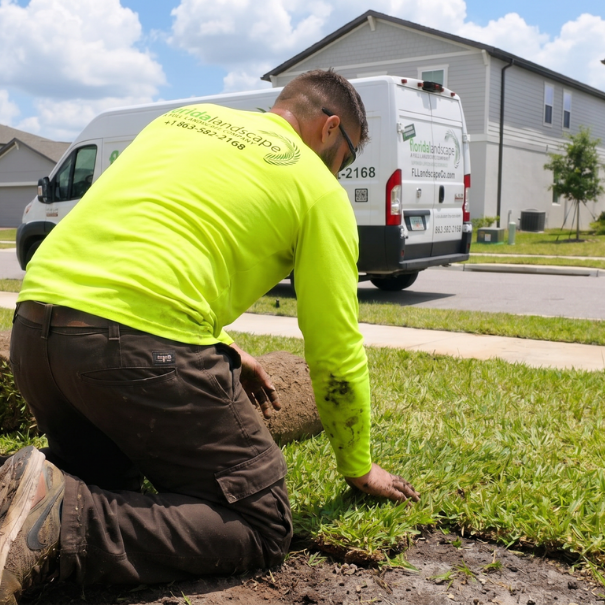
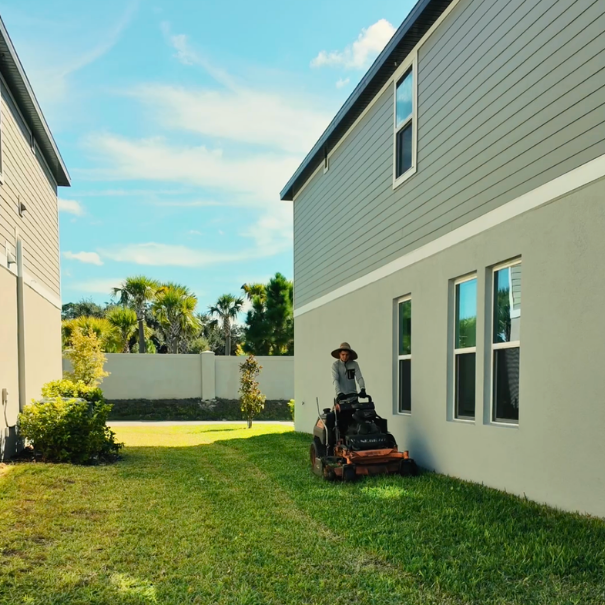
Regular lawn maintenance services can handle seasonal tasks efficiently while allowing homeowners to enjoy their outdoor spaces without the physical demands of landscape upkeep.

Get your free quote and expert advice today.
Ready to transform your garden? Get in touch with our expert team today for a free consultation and personalized plan.



Frequently Asked Questions
What are the best low maintenance plants for Central Florida?

Native plants like Coontie, Firebush, Simpson's Stopper, and Beautyberry require minimal care once established. These plants evolved in Florida conditions and naturally resist local pests and diseases while tolerating drought, humidity, and sandy soils without supplemental fertilization or frequent watering.
How much does low maintenance landscaping cost in Florida?
Initial installation costs range from $3-8 per square foot depending on plant selection and hardscape elements. While upfront costs may be higher than traditional landscaping, long-term savings on water, fertilizer, and replacement plants typically recover initial investments within 2-3 years through reduced maintenance expenses.
Can I convert my existing landscape to low maintenance?
Yes, most landscapes can be gradually converted to low maintenance through strategic plant replacements, mulching improvements, and irrigation upgrades. Focus on replacing high-maintenance areas first, such as annual flower beds or thirsty non-native plants, with drought-tolerant natives and permanent hardscape features.
How often do low maintenance landscapes need watering?
Established low maintenance landscapes typically require watering only during extended dry periods lasting more than 2-3 weeks. New plantings need regular water for 6-8 weeks until root systems develop, after which most drought-tolerant plants rely on natural rainfall except during severe drought conditions.
What ground covers work best instead of grass in Florida?
Beach Sunflower, Sunshine Mimosa, and Wedelia provide excellent grass alternatives for areas with minimal foot traffic. These spreading plants create dense coverage that suppresses weeds while requiring only occasional trimming and no regular watering once established in appropriate locations.

