
.webp)
Landscaping in Four Corners, FL: Tips for Sandy Soil Success
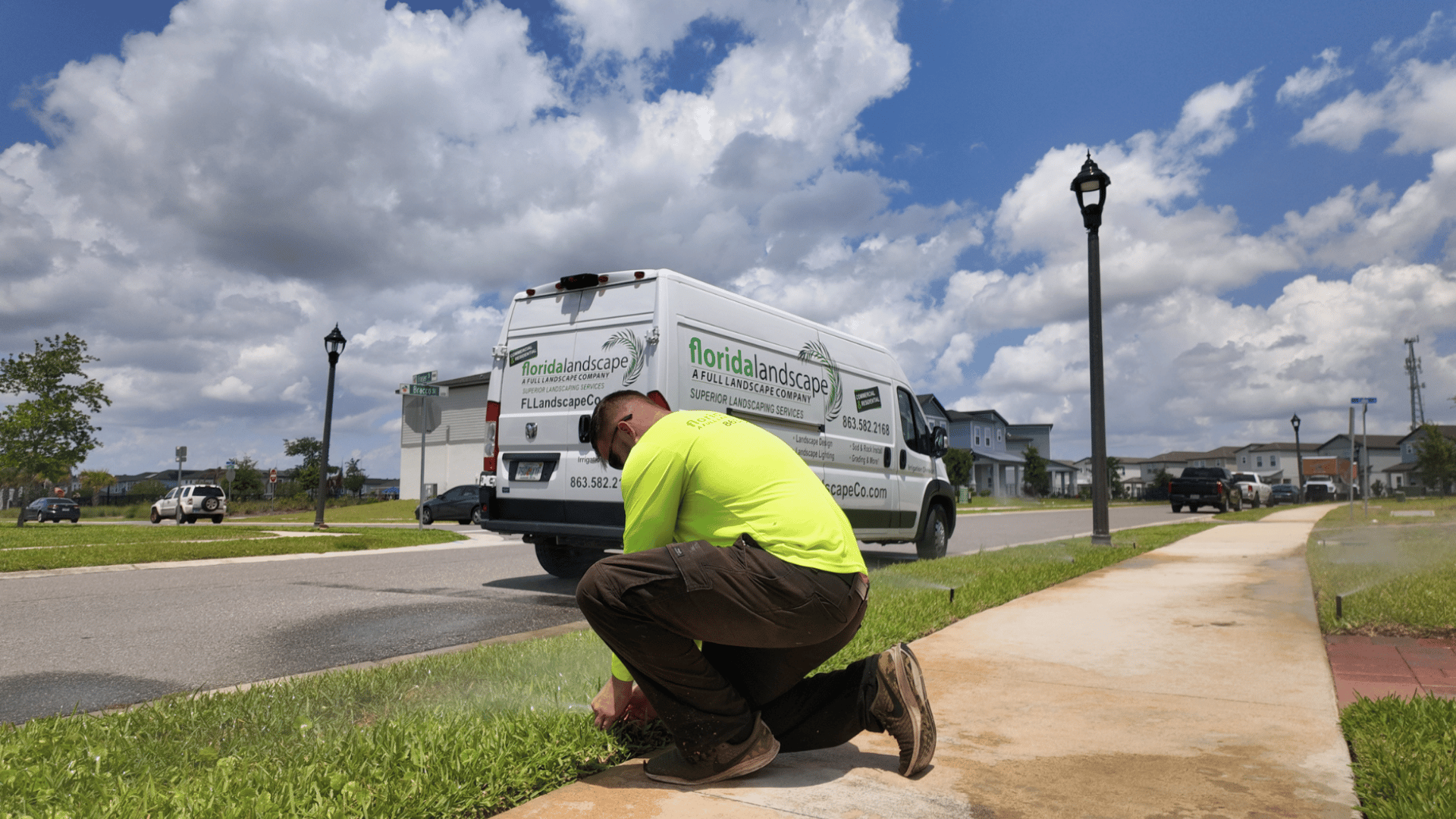
Four Corners sits in the heart of Central Florida, where sandy soil dominates the landscape. This well-draining soil presents unique challenges and opportunities for homeowners and property managers. Understanding how to work with sandy soil rather than against it is the key to creating thriving landscapes that can handle our humid subtropical climate, intense summer heat, and dramatic seasonal rainfall patterns.
Understanding Four Corners' Sandy Soil Characteristics
Sandy soil in Four Corners drains quickly, which prevents waterlogging during our heavy rainy season from May through October. However, this same drainage means nutrients and water move through the soil rapidly, requiring different approaches to fertilization and irrigation. Sandy soil also heats up faster in summer and cools down quicker in winter, affecting root development and plant establishment.
The pH in Four Corners sandy soil typically ranges from slightly acidic to neutral, which works well for most Florida-friendly plants. The soil structure allows excellent air circulation to plant roots, reducing the risk of root rot that can plague areas with heavier clay soils. This makes sandy soil ideal for many native Florida plants and warm-season grasses like St. Augustine and Bahia.
Best Plants for Sandy Soil in Central Florida
Choosing plants that naturally thrive in sandy conditions sets your landscape up for success. Native Florida plants like coontie, firebush, and beauty berry have evolved to flourish in these soil conditions. These plants require less water and fertilizer once established, making them both environmentally friendly and cost-effective.
For groundcover and lawn areas, St. Augustine grass performs well in sandy soil when properly maintained. Bahia grass offers an even more drought-tolerant option that requires less frequent watering. Both grasses spread naturally and can handle the foot traffic common in residential and HOA areas.
Ornamental plants like bougainvillea, oleander, and various palm species adapt well to sandy soil drainage. When selecting plants, focus on those with deep root systems that can access water and nutrients below the surface. The Florida-Friendly Landscaping plant database provides extensive lists of plants proven to succeed in Central Florida's sandy soil conditions.
Irrigation Strategies for Sandy Soil Success
Sandy soil requires different irrigation approaches than heavier soils. Water moves through sand quickly, so frequent, shorter watering sessions work better than long, infrequent watering. This prevents water from simply draining past the root zone before plants can absorb it.
Installing a properly designed irrigation system becomes crucial for sandy soil landscapes. Drip irrigation and micro-spray systems deliver water slowly and directly to plant root zones, maximizing absorption and minimizing waste. Smart irrigation controllers can adjust watering schedules based on weather conditions and seasonal rainfall patterns.
During Central Florida's dry season from November through April, sandy soil landscapes need consistent supplemental watering. However, during the rainy season, irrigation systems should be adjusted or turned off to prevent overwatering. Professional irrigation installation and repair services ensure your system operates efficiently year-round while meeting local water restrictions and HOA requirements.
Soil Amendment and Fertilization Techniques
While sandy soil has many advantages, adding organic matter improves its water and nutrient retention capabilities. Compost, aged manure, and other organic amendments can be worked into planting beds to create more favorable growing conditions for a wider variety of plants.
Fertilization in sandy soil requires a different approach than in heavier soils. Slow-release fertilizers work better because they provide nutrients over time rather than all at once, preventing nutrients from washing away during heavy rains. The University of Florida IFAS Extension recommends specific fertilization schedules for Central Florida's sandy soils and growing conditions.
Regular soil testing helps determine exactly what nutrients your sandy soil needs. Testing every two to three years ensures you apply only necessary fertilizers, saving money while protecting local water quality. Many sandy soil areas in Central Florida benefit from periodic applications of micronutrients, particularly iron and manganese, which can become less available in well-draining soils.
Maintenance Practices for Long-Term Success
Sandy soil landscapes require consistent but different maintenance approaches. Mulching becomes especially important because it slows water evaporation, moderates soil temperature, and gradually adds organic matter as it decomposes. Apply 2-3 inches of mulch around plants, keeping it away from plant stems and tree trunks.
Regular lawn and landscape maintenance ensures your sandy soil landscape stays healthy and attractive. This includes proper mowing heights for grass, regular inspection of irrigation systems, and seasonal adjustments to fertilization schedules.
Weed control in sandy soil often requires pre-emergent herbicides applied at the right times. The quick drainage of sandy soil can make post-emergent treatments less effective, so preventing weeds from establishing is more efficient than trying to eliminate them after they appear.
Professional Support for Four Corners Landscaping
Working with sandy soil requires understanding Central Florida's unique climate patterns, plant requirements, and local regulations. Professional landscaping services bring experience with HOA requirements, seasonal maintenance schedules, and proven plant selections that thrive in Four Corners' conditions.
Whether you need landscape design, irrigation installation, or ongoing maintenance, partnering with local professionals who understand sandy soil challenges saves time and money while ensuring better results. For expert landscaping services in Four Corners that work with your sandy soil conditions, contact Florida Landscape Co. at (863) 582-2168 to discuss your landscape goals and develop a plan that delivers lasting success.

Get your free quote and expert advice today.
Ready to transform your garden? Get in touch with our expert team today for a free consultation and personalized plan.





Frequently Asked Questions
What type of grass grows best in Four Corners' sandy soil?

St. Augustine grass and Bahia grass both perform well in Central Florida's sandy soil. St. Augustine provides a lush, green lawn with proper irrigation and fertilization, while Bahia grass offers excellent drought tolerance and requires less maintenance once established.
How often should I water plants in sandy soil during Florida's dry season?
Sandy soil typically needs watering 2-3 times per week during the dry season (November-April), with shorter duration sessions to prevent water from draining past the root zone. The frequency depends on plant types, weather conditions, and soil amendments.
Do I need to add soil amendments to sandy soil for landscaping?
While many Florida plants thrive in natural sandy soil, adding organic matter like compost to planting beds improves water and nutrient retention. This is especially beneficial for non-native plants or vegetable gardens that need more consistent moisture and fertility.
What fertilizer schedule works best for sandy soil in Central Florida?
Sandy soil requires more frequent, lighter fertilizer applications using slow-release formulations. Florida Landscape Co. typically recommends fertilizing 3-4 times per year based on specific plant needs and soil test results, with timing adjusted for our growing seasons.
Can sandy soil handle Central Florida's heavy summer rains?
Yes, sandy soil's excellent drainage actually helps prevent waterlogging and root rot during our intense rainy season from May through October. This natural drainage is one of the main advantages of gardening in Central Florida's sandy soils.

