
.webp)
Efficient Irrigation in Central Florida: How to Water Smart Year-Round
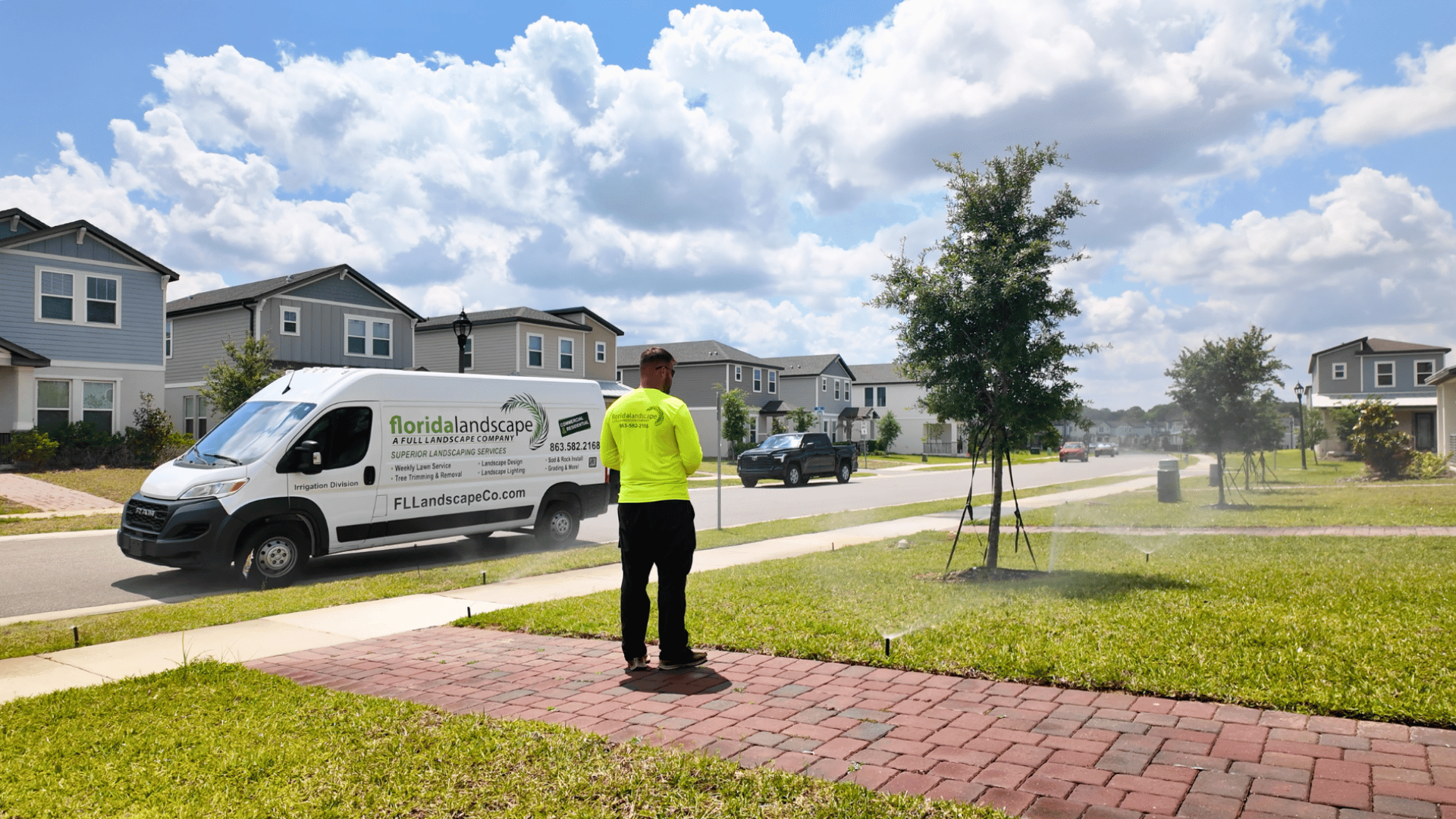
Central Florida's unique climate presents both opportunities and challenges for property owners managing irrigation systems. With our humid subtropical weather, sandy soils, and dramatic seasonal shifts between wet and dry periods, understanding how to water efficiently year-round can save thousands of gallons and hundreds of dollars while keeping your landscape healthy and HOA-compliant.
Understanding Central Florida's Year-Round Irrigation Needs
Central Florida operates on two distinct seasons that directly impact irrigation requirements. Our rainy season runs from May through October, delivering 60-70% of our annual rainfall, while the dry season from November through April can leave landscapes thirsty without proper irrigation management. This dramatic shift requires irrigation systems that can adapt throughout the year rather than operating on a static schedule.
The sandy soil common throughout Clermont, Winter Garden, Kissimmee, and surrounding areas drains quickly, which means water moves through the root zone faster than in other regions. While this prevents waterlogging during heavy summer rains, it also means irrigation must be applied more frequently but in shorter durations to prevent runoff and ensure proper absorption. Understanding these soil characteristics is essential for efficient year-round watering.
Seasonal Irrigation Strategies for Maximum Efficiency
During Central Florida's rainy season, many property owners make the mistake of continuing regular irrigation schedules while Mother Nature provides abundant water. Smart irrigation management means reducing or eliminating supplemental watering when natural rainfall exceeds plant needs. Installing rain sensors and smart controllers can automatically adjust irrigation based on recent precipitation and soil moisture levels.
The dry season requires a different approach entirely. From November through April, rainfall drops significantly, and irrigation becomes critical for maintaining healthy St. Augustine, Bahia, and other warm-season grasses common in Central Florida landscapes. During these months, deep, infrequent watering encourages root development and drought tolerance while minimizing water waste through evaporation.
Transitional periods between seasons require careful monitoring and adjustment. Late April and early May often see increased temperatures but inconsistent rainfall, while late October may still have adequate soil moisture from summer rains but declining natural precipitation. These transition periods are when many irrigation systems either waste water or fail to provide adequate coverage.
Smart Technology and Water Conservation Methods
Modern irrigation technology offers Central Florida property owners powerful tools for year-round efficiency. Smart controllers use local weather data, soil moisture sensors, and evapotranspiration calculations to automatically adjust watering schedules based on actual plant needs rather than arbitrary timers. These systems can reduce water usage by 20-30% while maintaining healthier landscapes.
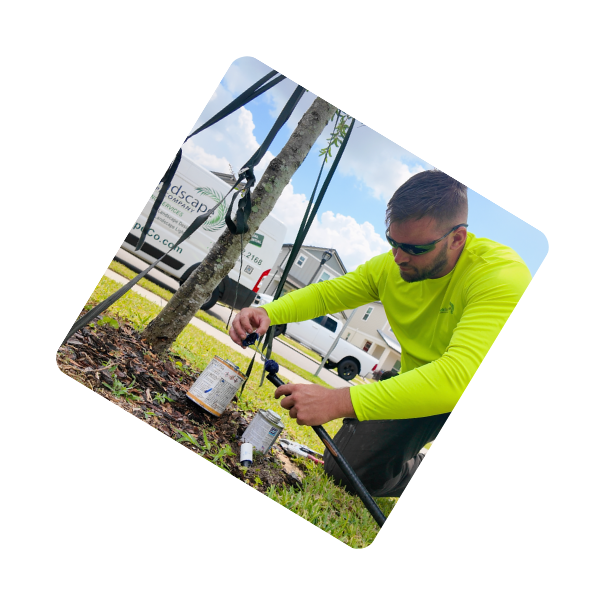
Drip irrigation and micro-spray systems work particularly well in Central Florida's sandy soils, delivering water slowly and directly to root zones where it's needed most. These methods significantly reduce evaporation losses and prevent the runoff common with traditional spray irrigation on sloped properties or during heavy summer downpours.
The EPA WaterSense program provides guidelines for efficient irrigation that align well with Central Florida conditions. Implementing WaterSense principles, such as proper scheduling, equipment selection, and regular maintenance, can dramatically improve irrigation efficiency while meeting local water restriction requirements that many HOAs and municipalities enforce.
Soil and Plant Considerations for Year-Round Success
Central Florida's sandy soils require irrigation strategies different from other regions. Water moves through sand quickly, making frequent, shallow watering ineffective and wasteful. Instead, irrigation should apply water slowly enough for soil absorption but deeply enough to encourage root growth below the surface layer where moisture evaporates quickly in our heat and humidity.
Native and Florida-Friendly plants adapted to our climate require significantly less irrigation once established, making them excellent choices for water-conscious landscapes. These plants have evolved to handle our seasonal rainfall patterns and can often survive dry periods with minimal supplemental watering, reducing overall irrigation needs throughout the year.
Proper soil preparation and amendment can improve water retention in sandy soils, reducing irrigation frequency while maintaining plant health. Adding organic matter helps create a soil structure that holds moisture longer while still providing the drainage necessary to prevent root rot during heavy summer rains.
Maintenance and Optimization Throughout the Seasons
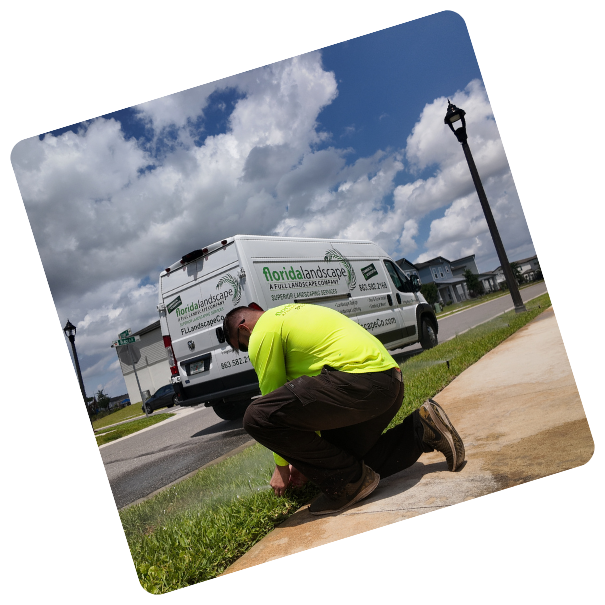
Year-round irrigation efficiency requires regular maintenance and seasonal adjustments that many property owners overlook. Sprinkler heads clogged with sand, debris, or mineral deposits from our hard water can create dry spots and force other zones to work harder. Monthly inspections and quarterly professional maintenance ensure even water distribution and prevent small problems from becoming expensive repairs.
Irrigation scheduling should be reviewed and adjusted at least four times per year to account for changing weather patterns, plant growth cycles, and seasonal water restrictions. Many Central Florida municipalities implement watering restrictions during dry periods, and HOAs often have specific requirements for irrigation timing and frequency that must be maintained year-round.
Professional irrigation system maintenance becomes especially important before the dry season when systems will work harder and more frequently. Winter months are ideal for upgrading inefficient components, installing smart controllers, and making repairs that ensure reliable operation during peak demand periods.
Professional Support for Optimal Results
Efficient year-round irrigation in Central Florida requires expertise in local climate patterns, soil conditions, and plant requirements that most property owners don't have time to develop. Professional irrigation management ensures systems operate at peak efficiency while adapting to seasonal changes and maintaining compliance with local regulations.
At Florida Landscape Co., we've spent over 12 years helping Central Florida property owners optimize their irrigation systems for year-round efficiency. Our team understands the unique challenges of sandy soils, seasonal weather patterns, and HOA requirements throughout Clermont, Davenport, Haines City, Four Corners, Horizon West, Winter Garden, Celebration, and Kissimmee. Whether you need system upgrades, seasonal adjustments, or comprehensive landscape maintenance, we provide reliable solutions that save water and keep your landscape healthy all year long.
Ready to optimize your irrigation system for year-round efficiency? Contact Florida Landscape Co. at (863) 582-2168 to schedule a consultation and discover how professional irrigation management can reduce your water usage while maintaining a beautiful, compliant landscape throughout Central Florida's changing seasons.

Get your free quote and expert advice today.
Ready to transform your garden? Get in touch with our expert team today for a free consultation and personalized plan.



Frequently Asked Questions
How often should I water my lawn during Central Florida's dry season?

During the dry season (November-April), most Central Florida lawns need watering 2-3 times per week, applying about 3/4 inch of water total. Sandy soils drain quickly, so shorter, more frequent sessions work better than long watering periods that cause runoff.
Should I turn off my irrigation system during Central Florida's rainy season?
You should significantly reduce or temporarily shut off irrigation during heavy rain periods from May through October. Installing rain sensors or smart controllers automatically adjusts watering based on recent rainfall, preventing overwatering and complying with local water use regulations.
What type of irrigation works best in Central Florida's sandy soil?
Drip irrigation and micro-spray systems work exceptionally well in sandy soils because they deliver water slowly, allowing better absorption and reducing runoff. Traditional spray systems can work but need shorter run times and more frequent cycles to be effective.
How can I tell if my irrigation system is working efficiently year-round?
Look for even grass color without brown or overly green spots, check for proper sprinkler head operation monthly, and monitor your water bills for unusual increases. Florida Landscape Co. provides comprehensive irrigation assessments to identify efficiency issues and optimize system performance.
Do HOAs in Central Florida have specific irrigation requirements I need to follow?
Most Central Florida HOAs require compliance with local water restrictions and maintain specific watering schedules, typically early morning hours. Many also require brown lawn prevention during dry periods, making efficient irrigation systems essential for property compliance and avoiding fines.

