
.webp)
How to Set Your Sprinkler Timer for Spring in Central Florida
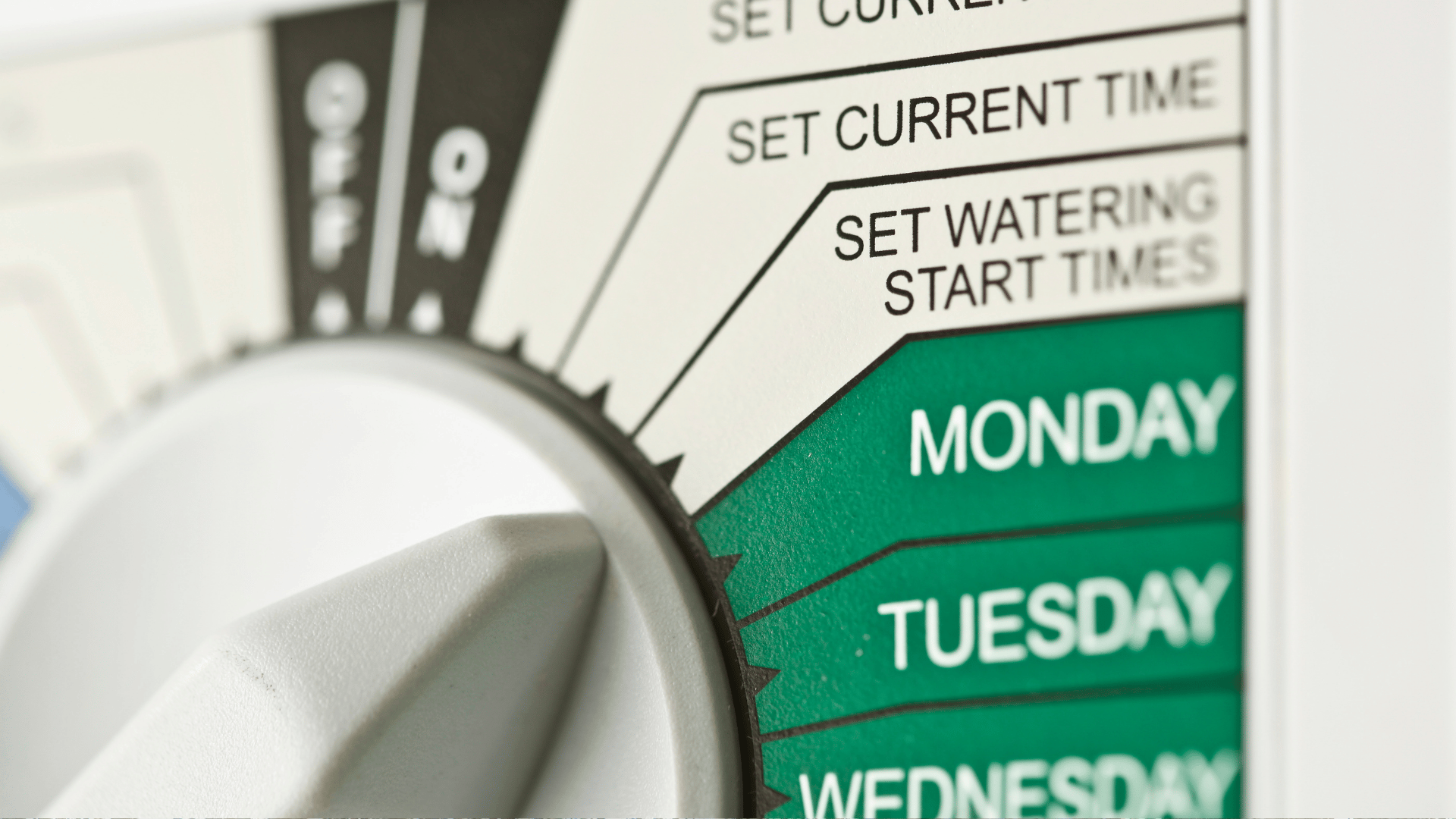
Spring in Central Florida means it's time to adjust your irrigation schedule. As we transition from the dry winter months to the approaching rainy season, your lawn's watering needs change dramatically. Getting your sprinkler timer settings right now will keep your St. Augustine or Bahia grass healthy while avoiding overwatering penalties from your HOA or local water restrictions.
Understanding Central Florida's Spring Weather Patterns
Central Florida's spring runs roughly from March through early May, serving as a bridge between our dry winter season and the heavy rains that typically start in late May. During this period, temperatures climb from the 70s into the 80s, humidity increases, and we see occasional afternoon showers that hint at the summer rainy season ahead.
Your grass is waking up from its slower winter growth period. St. Augustine grass, the most common turf in our area, begins actively growing again as soil temperatures warm. This means your lawn needs more water than it did during the cooler months, but not yet the deep, less frequent watering it'll need once the rainy season kicks in. Our sandy soil drains quickly, so water moves through the root zone faster than in other parts of the country.
The Florida-Friendly Landscaping Program recommends adjusting irrigation based on these seasonal changes rather than running the same schedule year-round. Most Central Florida lawns need about 1 to 1.25 inches of water per week during spring, including any rainfall we receive.
Recommended Spring Timer Settings for Central Florida
For most residential properties in our service area from Clermont to Kissimmee, start with watering twice per week during spring months. Set your timer for early morning hours, ideally between 4 AM and 8 AM. This timing reduces evaporation loss and gives grass blades time to dry before evening, which helps prevent fungal diseases that thrive in our humid climate.
Run each zone for 15-20 minutes if you have standard spray heads, or 45-60 minutes for rotary heads, depending on your system's precipitation rate. Sandy soil means water moves through quickly, so shorter, more frequent sessions work better than long runs that create runoff. Check your sprinkler heads monthly to ensure they're not clogged with sand or debris, which is common in our area.
Many HOAs in communities like Horizon West and Celebration have specific watering day restrictions, typically allowing irrigation on designated days based on your address. Make sure your timer settings comply with these rules to avoid violations. If you're managing commercial properties, proper HOA and commercial landscaping practices include documenting your irrigation schedule and any adjustments made throughout the season.
Adjusting for Sandy Soil and Local Conditions
Central Florida's sandy soil presents unique challenges for irrigation timing. Water moves through sand much faster than through clay or loam soils found elsewhere. This means traditional watering advice from other regions often doesn't apply here. Instead of watering for 30 minutes once per week, you'll get better results with shorter, more frequent sessions.
Watch for signs that your current settings need adjustment. If you see dry spots appearing within a day or two of watering, you may need to increase frequency or check for clogged heads. Conversely, if grass stays soggy or you notice mushrooms appearing, you're probably overwatering. St. Augustine grass will show stress by developing a blue-gray color and footprints that remain visible after walking across the lawn.
Consider installing a rain sensor if you don't already have one. These devices automatically shut off your irrigation system when sufficient rainfall occurs, preventing overwatering and helping you stay compliant with local water conservation measures. The EPA WaterSense program estimates that rain sensors can save the average home up to 2,400 gallons of water annually.
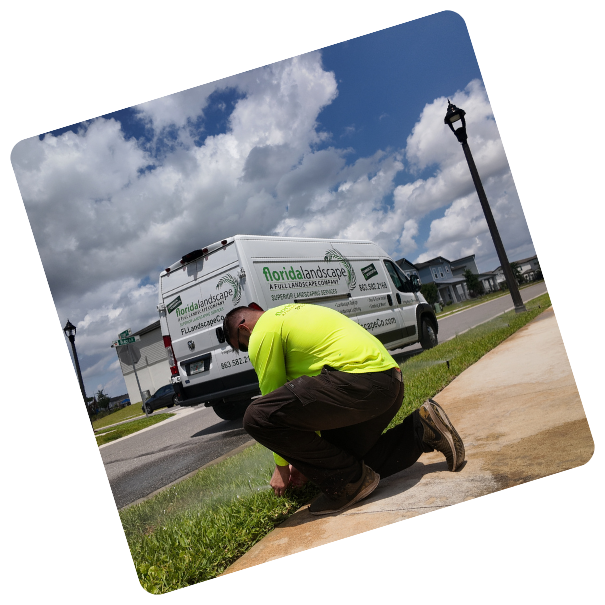
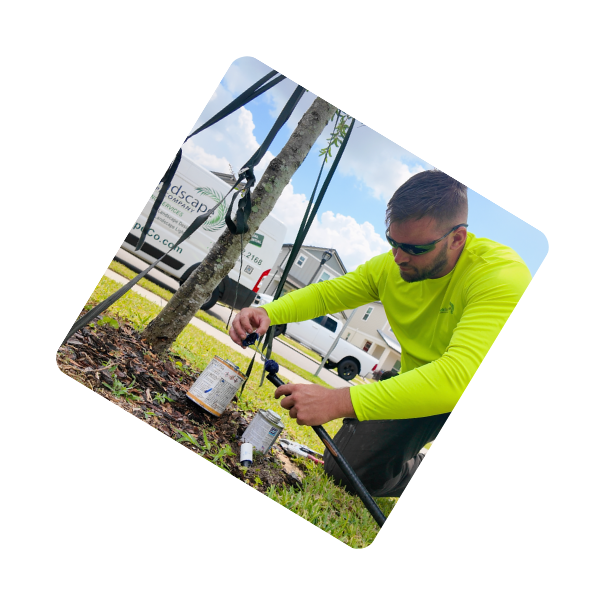
Professional irrigation installation and repair services can help optimize your system's efficiency. We regularly service systems throughout Central Florida and understand how local soil conditions affect water distribution patterns.
Monitoring and Troubleshooting Your Spring Schedule
Once you've set your spring irrigation schedule, monitor its effectiveness over the first few weeks. Walk your property regularly to check for dry spots, broken heads, or areas where water isn't reaching properly. Sandy soil can shift over time, affecting sprinkler head alignment and coverage patterns.
Common spring issues include heads that have settled too low over the winter months or been damaged by lawn maintenance equipment. Check that each zone is covering its intended area without significant overlap or gaps. Uneven watering leads to patchy grass growth that becomes more noticeable as temperatures warm and growth accelerates.
Keep an eye on local weather patterns and be ready to adjust your timer as we move toward summer. If April brings more rain than usual, dial back your irrigation frequency. If it's particularly dry, you may need to add a third watering day per week, following local ordinances. Most areas allow hand watering anytime, which can help address specific dry spots without changing your entire irrigation schedule.
Preparing for the Transition to Summer Watering
As spring progresses toward summer, start preparing for the next adjustment period. By late May, Central Florida typically enters its rainy season, which means you'll need to reduce irrigation frequency significantly. Many homeowners make the mistake of continuing spring watering schedules into summer, leading to overwatering problems and increased disease pressure.
Start tracking rainfall amounts in April and May using a rain gauge. This helps you understand how much supplemental irrigation your lawn actually needs. Most St. Augustine grass lawns require little to no irrigation during peak rainy season months, roughly June through September, unless we experience an unusual dry spell.
Consider upgrading to a smart irrigation controller if you're still using a basic timer. These systems adjust automatically based on weather data and can save significant water while maintaining healthier turf. They're particularly valuable for commercial properties and HOA common areas where consistent, efficient watering is essential for maintaining property values.
Regular lawn and landscape maintenance during spring helps ensure your irrigation adjustments deliver the best results. Proper fertilization, appropriate mowing height, and addressing any pest or disease issues all work together with correct watering to maintain healthy turf throughout the growing season.
Getting your sprinkler timer settings right for Central Florida's spring conditions takes some attention, but the results are worth it. If you're dealing with irrigation issues or want professional help optimizing your system for local conditions, Florida Landscape Co. has been helping property owners throughout Central Florida since 2011. Call us at (863) 582-2168 to discuss your irrigation needs.

Get your free quote and expert advice today.
Ready to transform your garden? Get in touch with our expert team today for a free consultation and personalized plan.





Frequently Asked Questions
How often should I water my lawn during spring in Central Florida?

Most Central Florida lawns need watering twice per week during spring months. This provides about 1 to 1.25 inches of water weekly, which works well for our sandy soil and warming temperatures before the rainy season starts.
What time of day should I set my sprinkler timer to run in spring?
Set your timer for early morning, ideally between 4 AM and 8 AM. This reduces water loss from evaporation and allows grass blades to dry before evening, helping prevent fungal diseases in Central Florida's humid climate.
How do I know if my spring irrigation schedule is working properly?
Watch for signs like dry spots appearing within 1-2 days of watering (indicating underwatering) or soggy areas and mushrooms (indicating overwatering). St. Augustine grass shows stress by turning blue-gray and retaining footprints after walking on it.
Do HOA watering restrictions affect my spring irrigation schedule?
Yes, most Central Florida HOAs have designated watering days based on your address, typically allowing irrigation 2-3 days per week. Make sure your timer settings comply with these rules to avoid violations while still meeting your lawn's spring watering needs.
Should I adjust my sprinkler timer differently for Central Florida's sandy soil?
Absolutely. Sandy soil drains much faster than other soil types, so shorter, more frequent watering sessions work better than long runs. Florida Landscape Co. recommends 15-20 minute cycles for spray heads rather than the longer durations used in other climates.

