.webp)
How HOAs Can Deal with Storm Season Landscaping in Central Florida
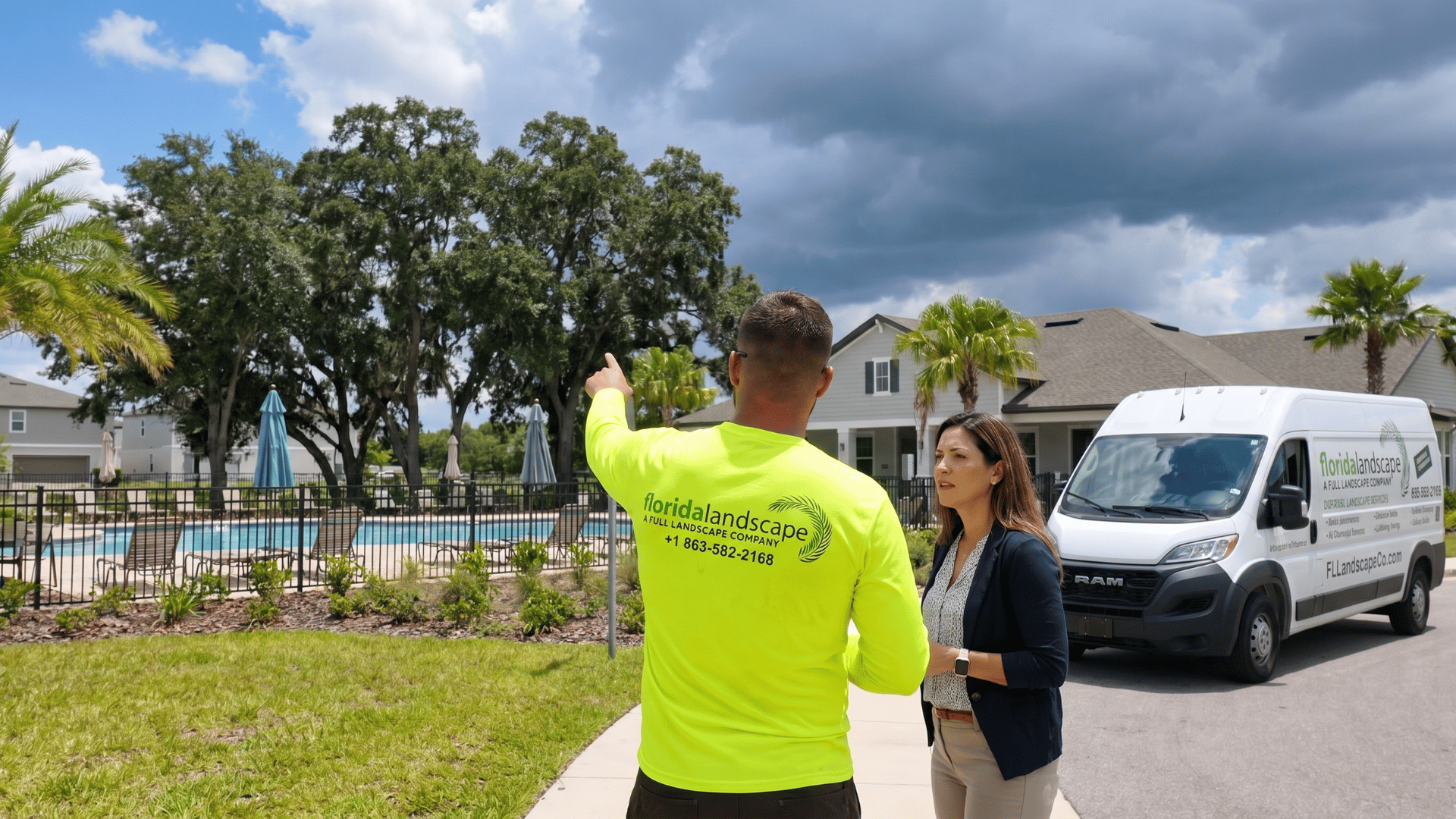
Central Florida's storm season brings unique challenges that every HOA board knows all too well. From June through November, communities face heavy rainfall, strong winds, and the constant threat of hurricanes that can devastate unprepared landscapes. The combination of sandy soil, dense St. Augustine grass, and mature oak trees creates specific vulnerabilities that require proactive planning and experienced management.
Understanding Central Florida's Storm Season Impact on Landscapes
Storm season in Central Florida typically runs from June through November, with peak activity between August and October. During this period, communities can expect 60-70% of their annual rainfall, often delivered in intense downpours that overwhelm unprepared drainage systems. The region's sandy soil, while excellent for drainage under normal conditions, becomes saturated quickly during heavy rains, leading to surface flooding and root exposure.
Wind damage presents another significant concern. Sustained winds above 39 mph can snap branches from mature live oaks and laurel oaks common in Central Florida communities. Palm trees, while more wind-resistant, can lose fronds that become dangerous projectiles. St. Augustine grass, the predominant turf in the region, recovers well from storm damage but requires proper post-storm care to prevent disease and pest issues.
The Florida-Friendly Landscaping Program emphasizes the importance of selecting native and adapted plants that can withstand these seasonal stresses while maintaining the aesthetic standards HOAs require.
Pre-Season Preparation and Risk Assessment
Successful storm season management begins with comprehensive preparation during the dry season months of November through April. HOA boards should schedule professional landscape assessments to identify potential hazards and address them before storm season arrives. This includes evaluating tree health, particularly focusing on mature oaks that may have developed weak branch unions or root issues.
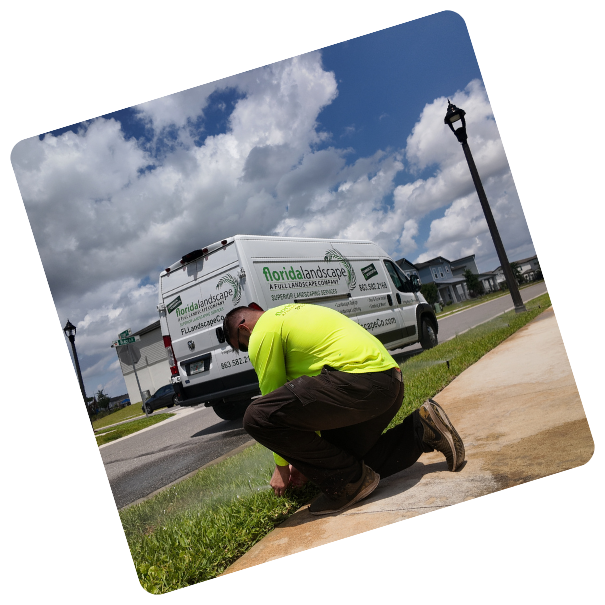
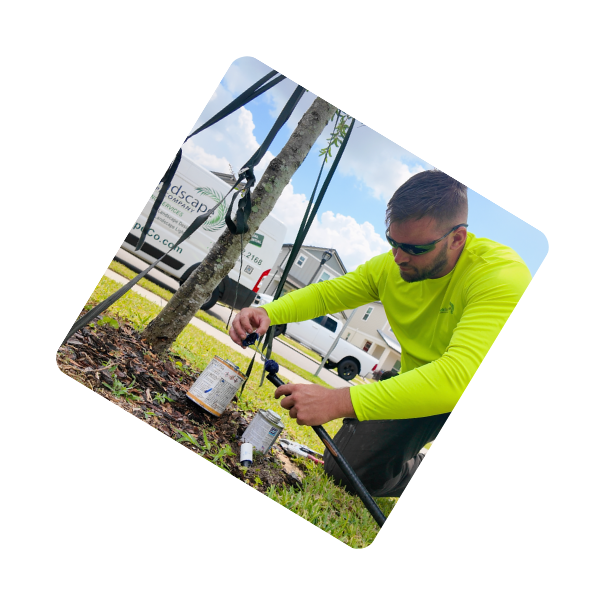
Irrigation systems require special attention during pre-season preparation. Central Florida's sandy soil and intense summer heat create high water demands, but storm season brings periods of excessive rainfall that can damage poorly designed or maintained systems. Professional irrigation assessment and repair ensures systems can handle both drought stress and flood conditions.
Drainage evaluation becomes critical in communities built on Central Florida's flat terrain. Many HOA properties were developed on former wetlands or agricultural land, making proper water management essential. This includes cleaning storm drains, ensuring swales function properly, and identifying areas where standing water typically occurs during heavy rain events.
Emergency Response Planning for Landscape Damage
Every HOA should maintain a detailed emergency response plan specifically addressing landscape damage. This plan should include contact information for tree removal services, temporary drainage solutions, and priority areas for immediate attention following storm events. Communities in Clermont, Winter Garden, and Kissimmee face unique challenges due to their proximity to lakes and varying elevation changes that affect water flow patterns.
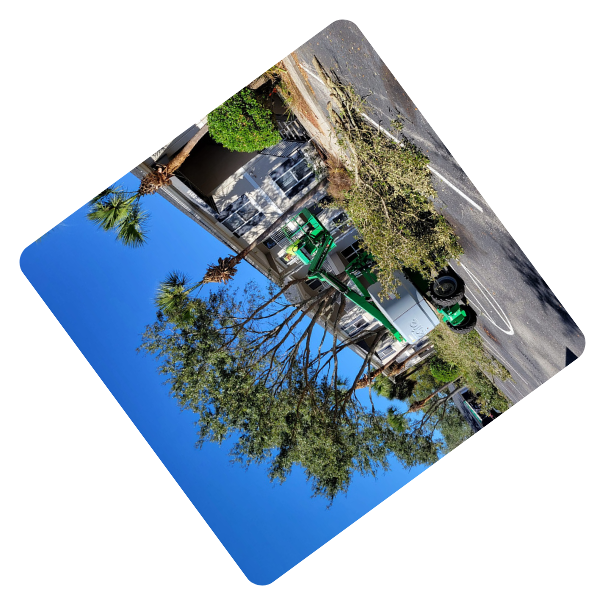
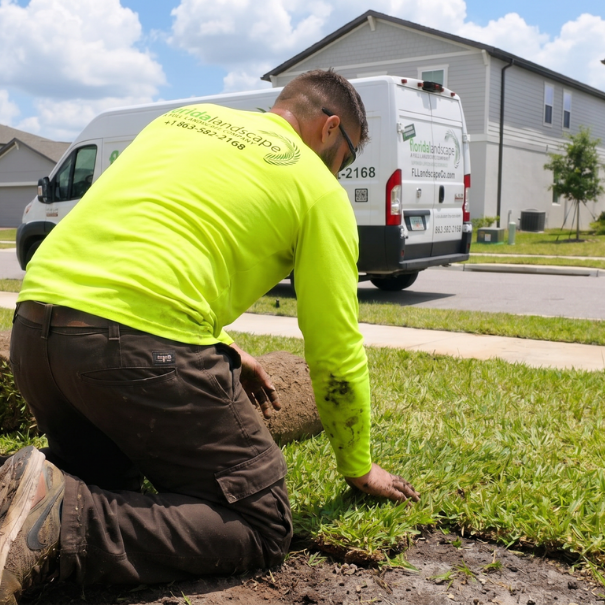
Post-storm tree damage requires immediate professional assessment, particularly when trees threaten structures or block access roads. Fallen trees on St. Augustine grass can create lasting damage if not removed quickly, as the dense turf retains moisture that accelerates decay and attracts pests. Professional landscape maintenance teams understand these time-sensitive issues and can prioritize response accordingly.
Documentation becomes crucial for insurance claims and HOA records. Establishing relationships with licensed and insured landscape contractors before storm season ensures rapid response when damage occurs. These contractors understand local conditions and can provide the detailed documentation insurance companies require for claims processing.
Ongoing Maintenance During Storm Season
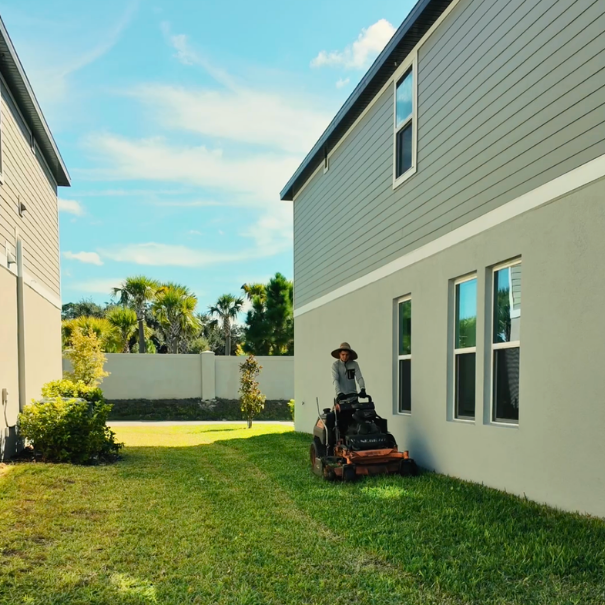
Storm season maintenance in Central Florida requires adapting regular landscape practices to account for rapid growth periods and increased disease pressure. The combination of heat, humidity, and frequent rainfall creates ideal conditions for fungal diseases in St. Augustine grass, particularly gray leaf spot and brown patch. Professional maintenance teams monitor these conditions and adjust mowing and fertilization schedules accordingly.
Tree maintenance during active storm season focuses on removing dead or weakened branches that could become hazardous during the next weather event. However, major pruning should be completed before storm season begins, as fresh cuts during humid conditions invite disease and pest problems. The University of Florida IFAS Extension provides specific guidance on timing tree care activities in Central Florida's climate.
Irrigation management requires constant adjustment during storm season. Sandy soil drains quickly, but frequent rainfall can create periods where additional irrigation becomes unnecessary or even harmful. Smart irrigation systems with rain sensors help prevent overwatering, while professional monitoring ensures turf receives adequate moisture during brief dry periods between storm events.
Long-Term Landscape Resilience Strategies
Building long-term resilience into HOA landscapes requires strategic plant selection and design modifications that account for Central Florida's storm patterns. Native plants like coontie, firebush, and Simpson's stopper provide attractive landscaping while withstanding both drought and flood conditions. These plants also require less maintenance and irrigation, reducing long-term costs for HOA budgets.
Mature tree management becomes a multi-year investment in community safety and property values. Regular professional assessments can identify declining trees before they become hazardous, allowing for planned removal and replacement rather than emergency response. Strategic tree placement in new plantings considers mature size, root systems, and proximity to structures and utilities.
Drainage infrastructure improvements often provide the highest return on investment for storm season preparedness. This might include installing additional storm drains, improving swale grading, or creating retention areas that handle excess water during peak rainfall periods. These improvements benefit the entire community while reducing ongoing maintenance costs and insurance liability.
Central Florida HOAs face unique challenges during storm season, but proactive planning and professional management can minimize damage and maintain property values. Florida Landscape Co. has helped Central Florida communities prepare for and recover from storm season challenges since 2011. Our team understands the specific needs of HOA properties and provides the reliable service and clear communication board members require. Contact us at (863) 582-2168 to discuss your community's storm season landscape management needs.

Get your free quote and expert advice today.
Ready to transform your garden? Get in touch with our expert team today for a free consultation and personalized plan.



Frequently Asked Questions
When should our HOA start preparing landscapes for storm season in Central Florida?

Begin preparation during the dry season months of November through April, with major tree work and drainage improvements completed by May. This timing allows plants to recover from pruning and gives you time to address any issues before peak storm activity begins in August.
What types of trees are most dangerous during Central Florida storms?
Mature laurel oaks and water oaks pose the highest risk due to weak wood and tendency to drop large branches. Live oaks are generally more stable but require regular inspection for dead limbs. Avoid eucalyptus and Bradford pears in new plantings as these species are particularly storm-prone.
How quickly should we address landscape damage after a storm passes?
Remove fallen trees from turf areas within 24-48 hours to prevent permanent grass damage and pest attraction. Safety hazards like damaged trees near buildings or power lines require immediate professional attention. Florida Landscape Co. provides emergency response services for HOA communities throughout Central Florida.
Can our St. Augustine grass recover from storm damage and flooding?
St. Augustine grass typically recovers well from storm damage if properly managed post-storm. Remove debris quickly, avoid foot traffic on saturated areas, and watch for fungal diseases that develop in humid conditions. Recovery usually takes 4-6 weeks with proper care.
What drainage improvements work best for Central Florida HOA properties?
Focus on improving swale grading and adding french drains in problem areas, as Central Florida's flat terrain and sandy soil create unique drainage challenges. Rain gardens using native plants can handle overflow while adding attractive landscaping that meets HOA aesthetic standards.

