.webp)
HOA Landscaping Mistakes That Cost Communities Money
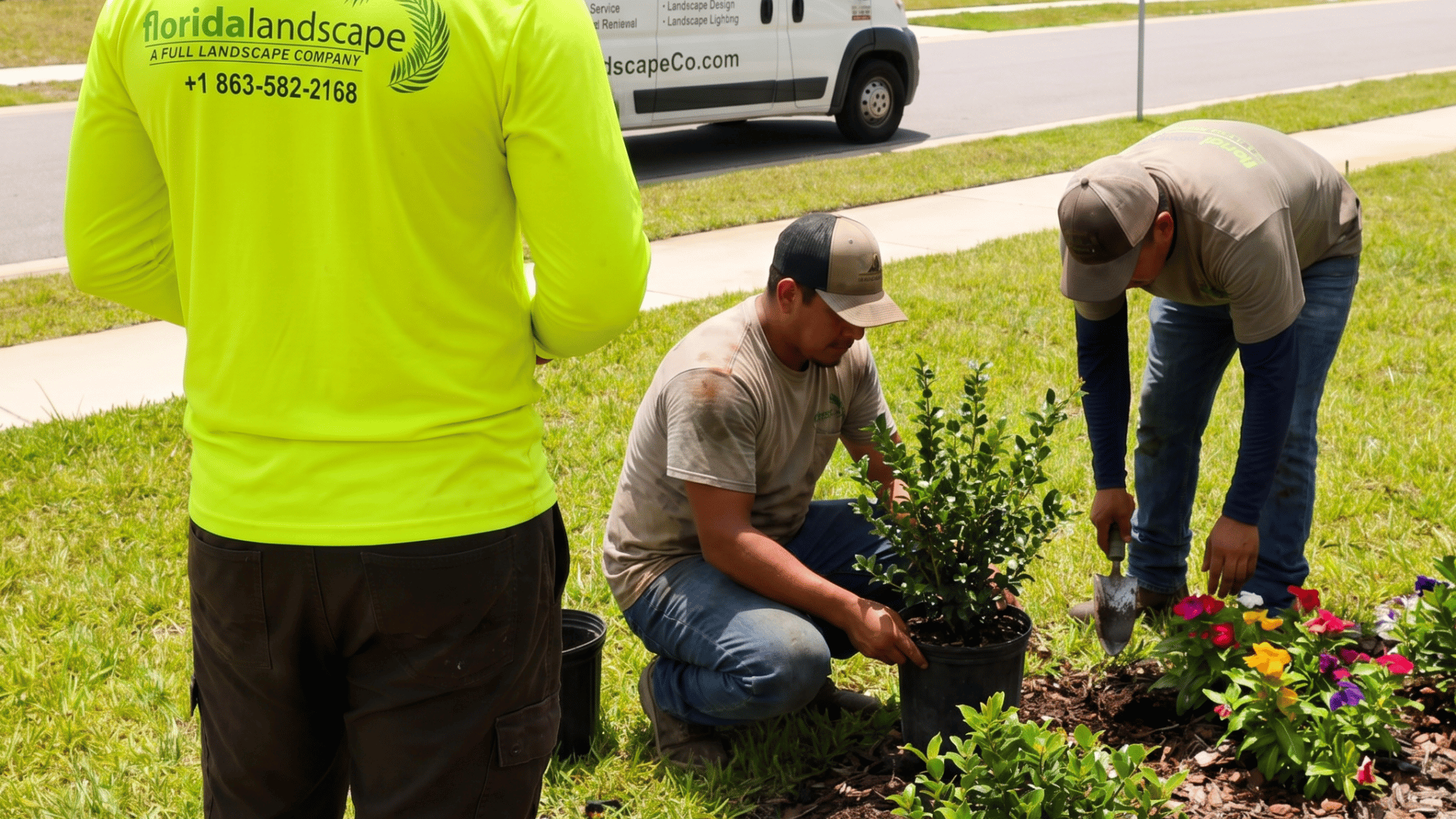
Central Florida HOA boards face unique landscaping challenges that can drain community budgets faster than a summer thunderstorm fills retention ponds. From choosing the wrong plants for our sandy soil to ignoring our distinct wet and dry seasons, small decisions compound into expensive problems. Understanding these common pitfalls helps communities maintain beautiful properties while keeping assessments reasonable.
Choosing Plants That Fight Florida's Climate
The biggest money drain in Central Florida HOA landscaping starts with plant selection. Many communities install non-native species that struggle in our humid subtropical climate, requiring constant replacement and intensive care. Plants that thrive in other climates often fail here due to our sandy soil, intense summer heat, and dramatic seasonal moisture swings.
Native and Florida-friendly plants adapted to our conditions need less water, fertilizer, and pest control. St. Augustine grass, coontie palms, firebush, and Simpson's stopper naturally handle our climate extremes. The University of Florida's Florida-Friendly Landscaping program provides extensive plant lists proven to succeed in Central Florida's unique growing conditions.
Communities that ignore this principle face ongoing costs replacing dead plants, extra irrigation to keep struggling species alive, and increased pest management. A landscape designed with climate-appropriate plants from the start saves thousands annually compared to fighting nature with inappropriate choices.
Irrigation Systems Designed for Other Climates
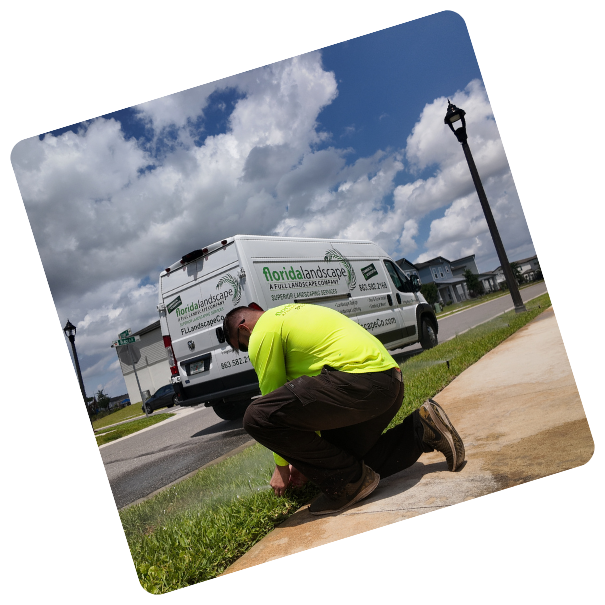
Central Florida's rainfall pattern confuses many landscape contractors unfamiliar with our region. Our rainy season from May through October brings frequent afternoon thunderstorms, while November through April stays relatively dry. Many irrigation systems run on fixed schedules that waste water during wet months and underwater during dry periods.
Overwatering during rainy season creates fungal problems in St. Augustine grass, promotes shallow root systems, and encourages pest issues. Underwatering during dry season stresses plants and creates brown, patchy lawns that require expensive renovation. Smart irrigation controllers that adjust for weather conditions and seasonal rainfall patterns prevent both extremes.
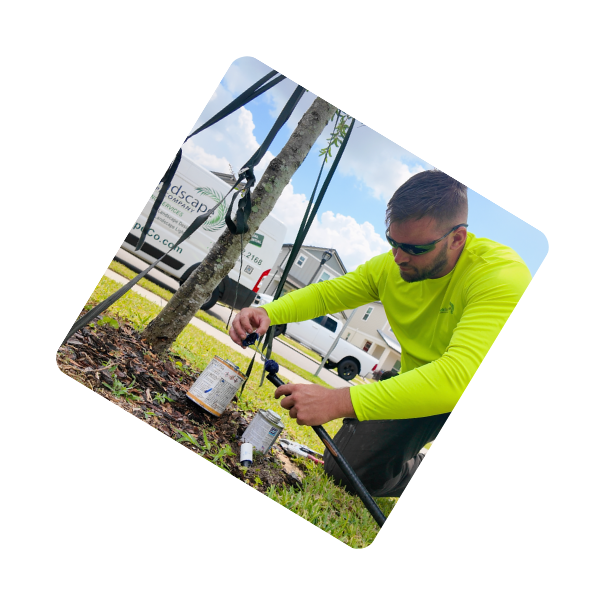
Proper irrigation design also considers Central Florida's sandy soil, which drains quickly and requires different watering strategies than clay or loam soils found elsewhere. EPA WaterSense certified controllers can reduce irrigation water use by 20% or more while maintaining healthier landscapes. Communities investing in professional irrigation installation and repair see immediate savings on water bills and long-term savings on plant replacement costs.
Maintenance Schedules That Ignore Growth Patterns
Central Florida's year-round growing season means landscapes need different maintenance at different times. Many HOAs apply northern maintenance schedules that miss our unique growing patterns, leading to overgrown properties, pest problems, and emergency cleanup costs.
Our grass grows fastest during summer months, requiring more frequent mowing, while winter growth slows dramatically. Fertilization timing affects both plant health and environmental compliance with local ordinances restricting fertilizer application during rainy months. Pruning schedules must consider hurricane season preparation and post-storm recovery.
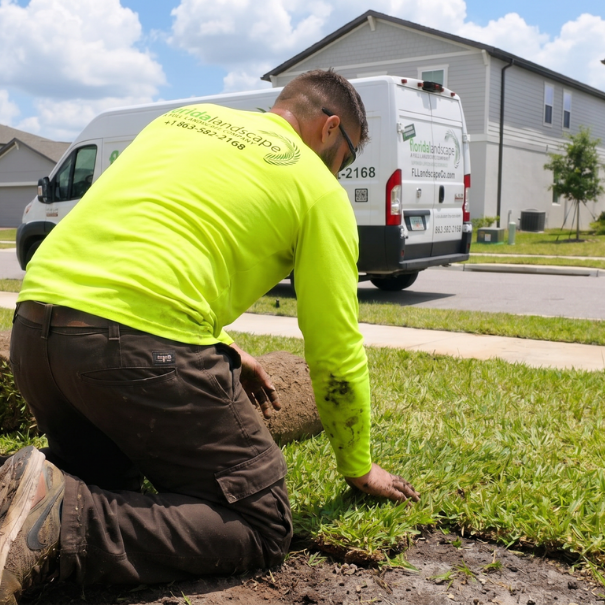
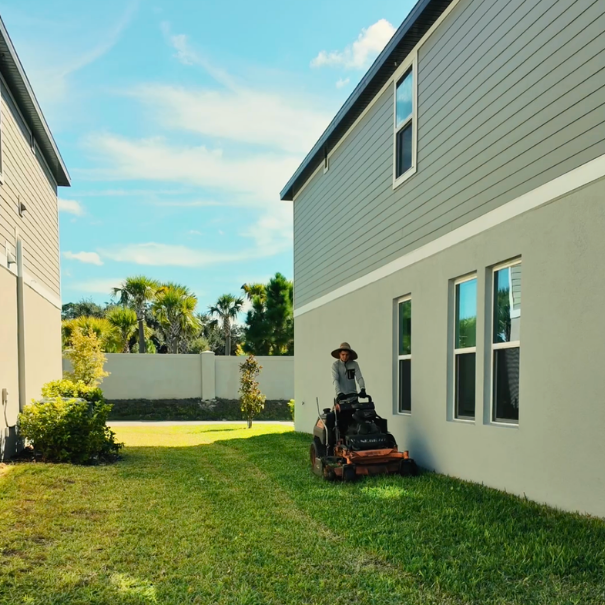
Communities that use one-size-fits-all maintenance contracts often overpay for unnecessary services during slow growth periods while under-maintaining during peak growing times. This creates cycles of neglect followed by expensive catch-up work. Proper lawn and landscape maintenance schedules based on Central Florida growing conditions maintain consistent appearance while controlling costs.
Ignoring Drainage and Storm Preparation
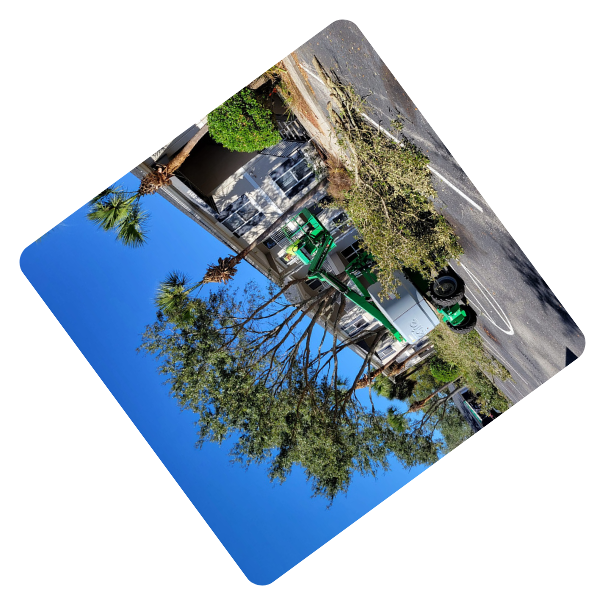
Central Florida's intense summer thunderstorms and occasional hurricanes demand landscape designs that handle extreme weather. Communities that ignore drainage requirements face expensive flooding damage, erosion problems, and emergency tree removal costs.
Poor drainage in common areas creates standing water that breeds mosquitoes, kills grass, and damages hardscaping. Improper tree selection or placement near buildings increases hurricane damage risk and insurance liability. Sandy soil that drains too quickly in some areas can create drought stress, while low-lying areas may stay saturated for weeks after heavy rains.
Landscape designs must balance water management for both drought and flood conditions typical in Central Florida. This includes selecting appropriate tree species, proper spacing from structures, and creating drainage solutions that handle our intense but brief downpours. Communities that address these issues proactively avoid costly emergency repairs and insurance claims.
Inadequate Documentation and Communication
HOA boards need detailed documentation of landscape work for budget planning, insurance claims, and compliance with local regulations. Many communities lose money due to poor communication between boards, management companies, and landscape contractors.
Incomplete work orders lead to disputes over completed tasks and billing. Lack of photographic documentation makes insurance claims difficult after storm damage. Missing maintenance records complicate warranty claims and make it hard to track which approaches work best for each property.
Professional landscape companies provide detailed reporting, photographic documentation, and clear communication channels that help HOAs manage budgets effectively. This documentation proves valuable during budget planning, insurance claims, and when evaluating contractor performance.
Working with Central Florida Landscape Professionals
Avoiding these costly mistakes requires working with landscape professionals who understand Central Florida's unique conditions. Local expertise in plant selection, irrigation design, maintenance scheduling, and storm preparation protects communities from expensive errors while maintaining beautiful common areas.
Florida Landscape Co. has helped Central Florida HOAs avoid these common pitfalls since 2011. Our team understands the specific challenges of maintaining community landscapes in Clermont, Winter Garden, Celebration, and surrounding areas. From proper plant selection to seasonal maintenance scheduling, we help communities maintain beautiful properties while controlling costs.
Ready to protect your community from expensive landscaping mistakes? Contact Florida Landscape Co. at (863) 582-2168 to discuss how local expertise can save your HOA money while improving your landscape's appearance and value.

Get your free quote and expert advice today.
Ready to transform your garden? Get in touch with our expert team today for a free consultation and personalized plan.



Frequently Asked Questions
What are the most expensive HOA landscaping mistakes in Central Florida?

The costliest mistakes include choosing non-native plants that constantly need replacement, installing irrigation systems that don't account for our wet and dry seasons, and using maintenance schedules designed for other climates. These errors lead to ongoing costs for plant replacement, excessive water bills, and emergency repairs.
How does Central Florida's climate affect landscape maintenance costs?
Our humid subtropical climate with distinct wet and dry seasons requires different approaches than other regions. Sandy soil drains quickly, summer thunderstorms create drainage challenges, and year-round growing seasons demand flexible maintenance schedules. Ignoring these factors increases costs significantly.
What plants work best for Central Florida HOA common areas?
Native and Florida-friendly plants like St. Augustine grass, coontie palms, firebush, and Simpson's stopper thrive in our climate with minimal intervention. These species handle our sandy soil, intense heat, and seasonal rainfall patterns while requiring less water, fertilizer, and pest control than non-native alternatives.
How can HOAs reduce irrigation costs in Central Florida?
Smart irrigation controllers that adjust for our rainy season (May-October) and dry season (November-April) significantly reduce water waste. Proper system design for sandy soil and weather-responsive scheduling can cut irrigation costs by 20% or more while maintaining healthier landscapes.
Should our HOA hire a local landscaping company or a national chain?
Local companies like Florida Landscape Co. understand Central Florida's unique growing conditions, seasonal patterns, and regulatory requirements better than national chains. This local expertise prevents costly mistakes and ensures maintenance schedules match our specific climate needs.

