.webp)
Central Florida Irrigation System Checklist: What to Inspect Every Season
Your irrigation system works harder in Central Florida than almost anywhere else in the country. Between our sandy soil that drains quickly, intense summer heat, and dramatic seasonal shifts from bone-dry winters to flood-prone summers, your sprinkler system faces unique challenges that can lead to costly problems if left unchecked.
Regular seasonal inspections catch small issues before they become expensive repairs or cause dead zones in your lawn. This irrigation system checklist covers the specific conditions Central Florida property owners deal with year-round, helping you maintain healthy landscapes while staying compliant with local water restrictions and HOA requirements.
Spring Preparation: Getting Ready for Growing Season
March and April mark the transition from Central Florida's dry season into active growing conditions. Your irrigation system needs to gear up for increased demand as St. Augustine and Bahia grass come out of winter dormancy and begin aggressive spring growth.
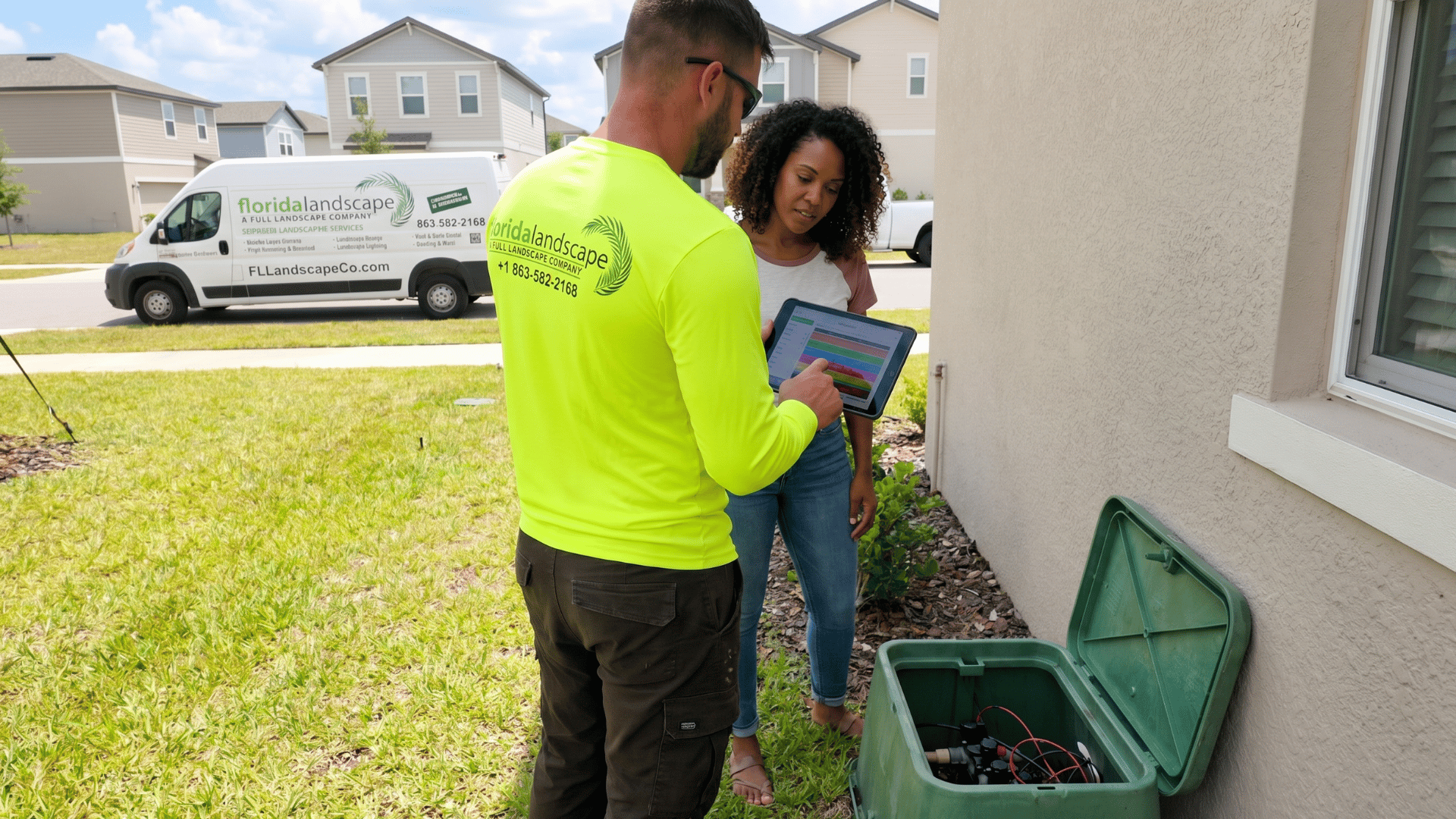
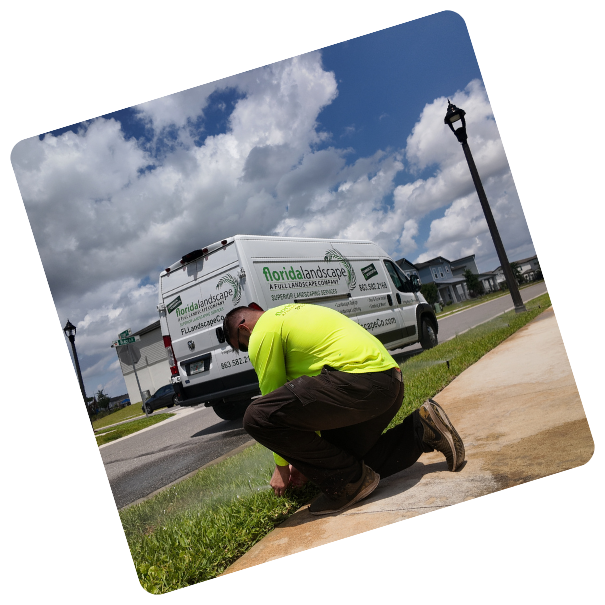
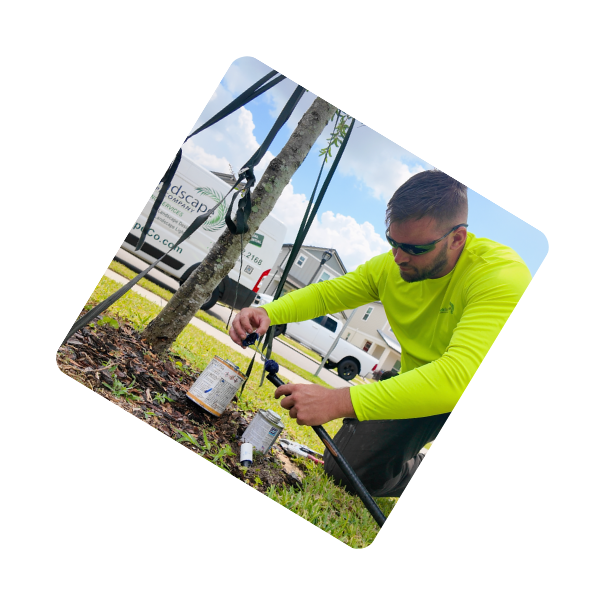
Start by testing each zone manually through your controller. Run a complete cycle and walk every zone, looking for broken or misaligned spray heads. Central Florida's sandy soil shifts more than clay-based soils, often knocking sprinkler heads out of proper position over winter months. Check that spray patterns cover intended areas without hitting sidewalks, driveways, or neighboring properties.
Inspect your controller settings and battery backup. Many irrigation timers lose programming during winter power outages from storms. Verify your watering schedule complies with current local restrictions – most Central Florida municipalities allow watering twice per week during spring months, but specific days and times vary by address.
Clean or replace clogged nozzles and filters. Our hard water leaves mineral deposits that restrict water flow, while organic debris from oak trees and other vegetation blocks spray patterns. Poor coverage leads to brown spots that violate many HOA landscape standards.
Summer System Management: Handling Rainy Season Demands
Central Florida's rainy season runs from May through October, bringing daily afternoon thunderstorms and occasional tropical weather. Your irrigation system must adapt to rapidly changing soil moisture levels while maintaining consistent coverage for heat-stressed turf.
Install or test rain sensors and soil moisture sensors. EPA WaterSense guidelines recommend weather-based controls that automatically adjust watering based on local conditions. These devices prevent overwatering during Florida's frequent summer rains, protecting your landscape and reducing water waste.
Check drainage around sprinkler heads and low-lying zones. Summer rains often reveal drainage problems that cause standing water and fungal diseases in St. Augustine grass. Poor drainage also damages irrigation components and creates mosquito breeding areas.
Monitor water pressure during peak usage periods. Summer irrigation demand strains municipal water systems, especially in rapidly growing areas like Horizon West and Four Corners. Low pressure reduces spray radius and creates uneven coverage patterns.
Adjust watering schedules as outdoor temperatures climb. Grass needs deeper, less frequent watering during summer heat to develop drought tolerance. Most Central Florida properties benefit from 0.75 to 1 inch of water per week, including rainfall.
Fall Maintenance: Preparing for Seasonal Changes
October through December brings cooler temperatures and reduced rainfall across Central Florida. Your irrigation system needs adjustment to prevent overwatering as grass growth slows and water requirements decrease.
Reduce watering frequency and duration as temperatures drop below 85 degrees consistently. Overwatering during fall months promotes shallow root systems and increases susceptibility to winter stress. University of Florida IFAS research shows that properly managed irrigation during fall months improves spring recovery and overall lawn health.
Clear leaves and debris from sprinkler heads and valve boxes. Oak trees, sweet gums, and other deciduous plants drop significant amounts of organic matter that clogs irrigation components. Regular cleaning prevents costly service calls and maintains proper system function.
Test backflow prevention devices and pressure regulators. Temperature fluctuations affect these critical components that protect your home's water supply and maintain consistent irrigation pressure. Annual testing ensures compliance with local plumbing codes and prevents contamination issues.
Check controller programming for upcoming winter water restrictions. Most Central Florida municipalities implement stricter watering schedules from November through March, typically allowing irrigation only once per week on designated days.
Winter Monitoring: Protecting Against Cold Damage
Central Florida winters bring occasional freezes and extended dry periods that stress both irrigation systems and landscapes. While our climate rarely requires winterizing like northern regions, specific precautions protect against cold damage and water waste.
Insulate above-ground pipes and backflow preventers. Even brief freezes can crack exposed plumbing components, leading to expensive repairs and water damage. Focus protection efforts on north-facing exposures and areas with poor air circulation.
Adjust watering schedules for dormant grass and reduced evaporation rates. St. Augustine and Bahia grass require minimal irrigation during winter months, often receiving adequate moisture from periodic cold fronts and morning dew. Overwatering during dormancy promotes fungal diseases and wastes water during peak restriction periods.
Monitor soil moisture levels in sandy areas that drain quickly. While most of your landscape needs less water during winter, newly planted areas and containers may require supplemental irrigation during extended dry spells common from December through February.
Schedule professional system inspections for major maintenance and repairs. Winter's reduced watering demands provide ideal timing for valve replacements, pipe repairs, and controller upgrades without disrupting active growing seasons.
Professional Inspection and Maintenance
While homeowners can handle basic irrigation system checks, Central Florida's unique conditions often require professional expertise to maintain optimal performance and prevent costly problems.
Professional irrigation technicians identify issues that property owners typically miss, such as gradual pressure losses, valve timing problems, and coverage gaps that develop slowly over time. They also understand local water restriction requirements and HOA compliance standards that vary between communities.
Annual professional inspections catch problems before they escalate into expensive repairs or landscape damage. Florida-Friendly Landscaping principles emphasize efficient irrigation as a cornerstone of sustainable landscape management in our climate.
Our team at Florida Landscape Co. understands Central Florida's specific irrigation challenges, from sandy soil drainage issues to seasonal weather extremes. We help property owners maintain efficient systems that support healthy landscapes while complying with local regulations.
Professional maintenance also includes controller programming optimization, rain sensor calibration, and efficiency audits that reduce water usage and utility costs. These services often pay for themselves through reduced water bills and prevented emergency repairs.
Regular irrigation system maintenance protects your landscape investment and ensures reliable performance year-round. For comprehensive irrigation inspection and repair services throughout Central Florida, contact Florida Landscape Co. at (863) 582-2168. Our experienced team helps property owners maintain efficient, compliant irrigation systems that support beautiful landscapes in our challenging climate.

Get your free quote and expert advice today.
Ready to transform your garden? Get in touch with our expert team today for a free consultation and personalized plan.




Frequently Asked Questions
How often should I inspect my irrigation system in Central Florida?

Inspect your irrigation system monthly during growing season (March-October) and every 6-8 weeks during winter months. Central Florida's sandy soil and weather extremes can cause rapid changes in system performance that require regular monitoring.
What are the most common irrigation problems in Central Florida?
Clogged spray heads from hard water deposits, misaligned sprinklers due to shifting sandy soil, and rain sensor malfunctions during our intense summer storms. These issues cause uneven coverage and water waste if not addressed promptly.
Do I need professional irrigation maintenance if I check my system regularly?
Yes, annual professional inspections catch problems like gradual pressure loss, valve timing issues, and efficiency problems that homeowners typically miss. Florida Landscape Co. provides comprehensive irrigation maintenance that prevents costly repairs and ensures compliance with local water restrictions.
How do seasonal water restrictions affect my irrigation schedule?
Central Florida municipalities typically allow twice-weekly watering from March-October and once-weekly during November-February. Specific days and times vary by address and community, so check current local ordinances regularly.
Should I adjust my irrigation system for Florida's rainy season?
Absolutely. Install rain sensors and reduce watering frequency during summer months when afternoon storms provide significant moisture. Overwatering during rainy season promotes fungal diseases in St. Augustine grass and wastes water resources.

